
-
From Tehsils to Nation: Gau Samman Avahan Abhiyan’s Roadmap to Honor Gaumata as ‘Rashtramata’

The ‘Gau Samman Avahan Abhiyan’ channels reverence into a lawful, evidence-based framework for cow protection and conservation. By submitting detailed memorandums to Tehsildars across Maharashtra and Goa, citizen groups seek tehsil-level coordination, humane animal care, and transparent, data-driven governance. The campaign’s invocation of Gaumata as ‘Rashtramata’ functions as an inclusive civilizational metaphor that unites Hindu,…
-
Hinduism’s ‘330 Million Gods’ Demystified: Unity, Ishta, and the Logic of Many Paths

Why Hindus follow many gods is not a contradiction but a cornerstone of Sanatan Dharma. This essay clarifies the famous “330 million gods” as a later linguistic and devotional interpretation of the Vedic 33 categories (koti) of deities, grounding the discussion in the Vedas, Upanishads, and the Bhagavad Gita. It explains Ishta-devata as a rigorous,…
-
Bhagwat’s ‘No Declaration’ Claim: Towards a Unifying, Constitutional Hindu Rashtra
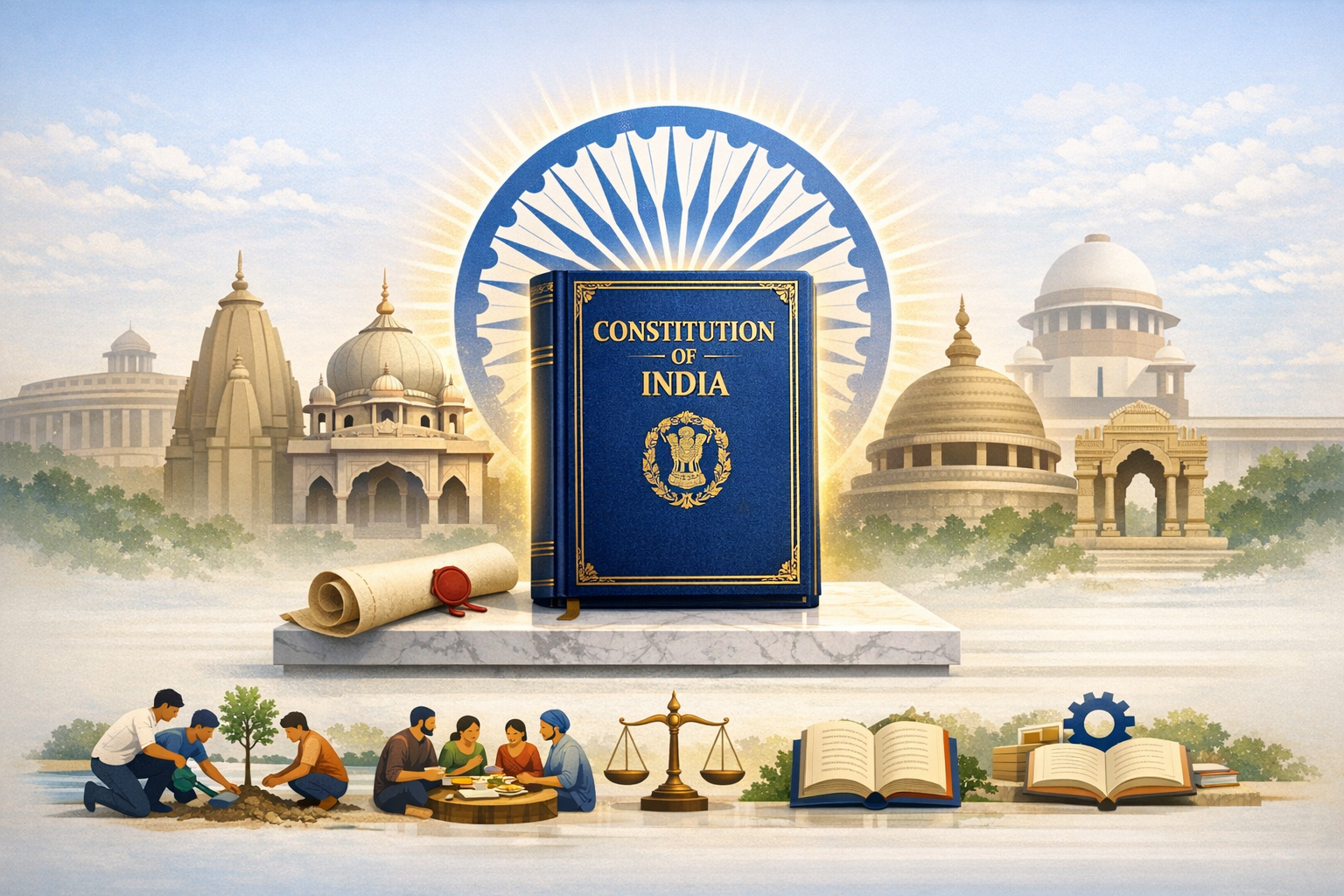
RSS Chief Mohan Bhagwat’s remark“India is already a Hindu Rashtra, no formal declaration needed”has reignited debate on how civilizational identity interfaces with constitutional statecraft. A careful distinction between Rashtra (civilization) and Rajya (state) reveals that a values-driven, constitutional approach can harmonize dharmic ethics with equal citizenship. Framed inclusively, a Constitutional Hindu Rashtra is not a…
-
Sant Ravidas (1450–1520): Visionary Bhakti Poet of Equality, Begampura, and Dharmic Unity
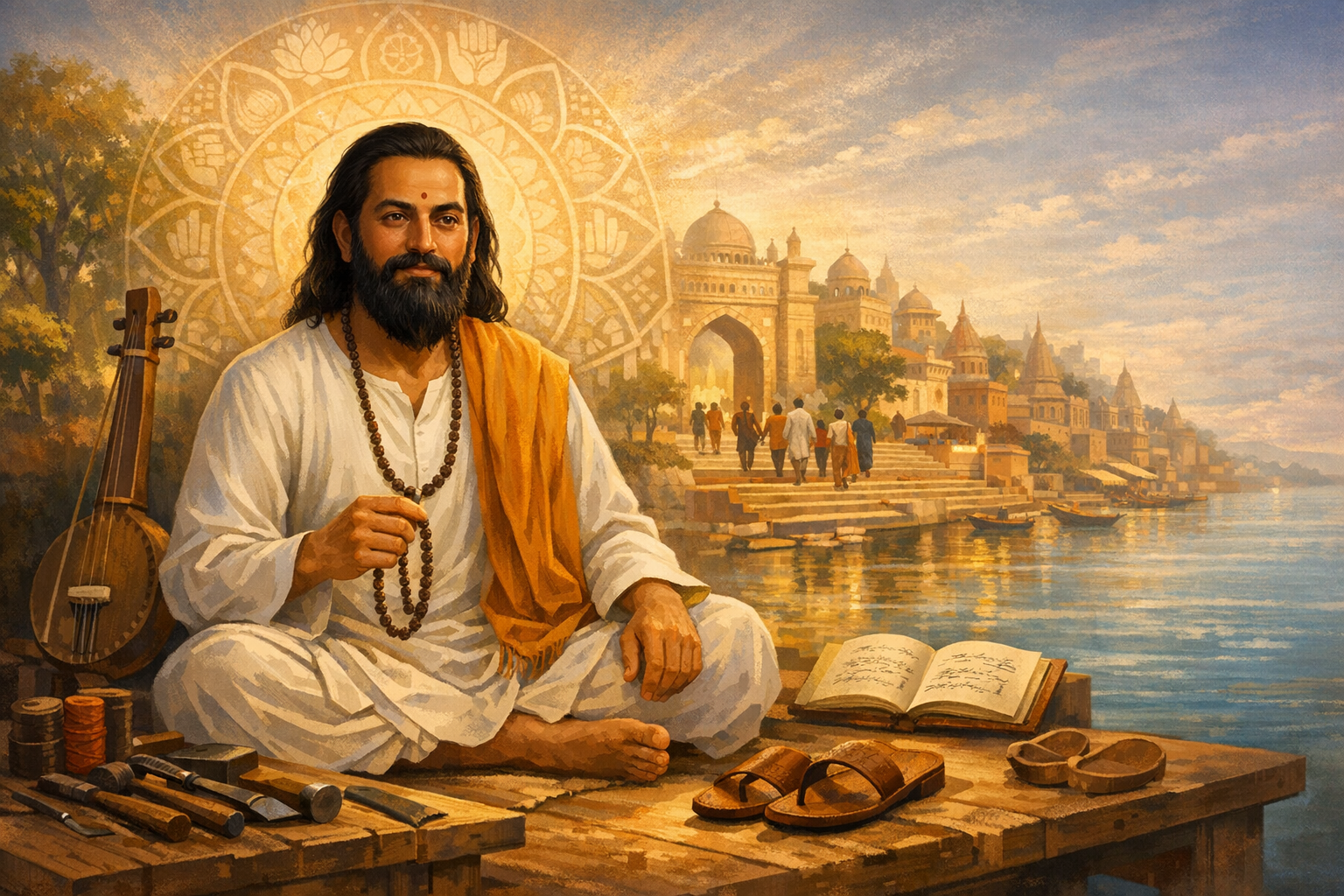
Sant Ravidas (c. 1450–1520) emerges as a central voice of the North Indian Bhakti movement, uniting deep nirguna bhakti with an uncompromising ethic of social equality. Born near Varanasi in a community deemed “untouchable,” he transformed everyday labor into a field of devotion and taught that divine grace recognizes no caste or status. His hymns,…
-
Bengaluru cancels Munawar Faruqui show after HJS, Sri Ram Sena objections: a law-and-order analysis

Munawar Faruqui’s Bengaluru show, scheduled for 18 April 2026, was cancelled after objections by Hindu Janajagruti Samiti (HJS) and Sri Ram Sena and a formal complaint to the Bengaluru Police. This balanced analysis explains what is known, what remains unspecified, and how Indian constitutional principles frame such decisions. It outlines the law-and-order context, discusses the…
-
Saleem Wastik arrest in 1995 kidnap–murder sparks debate: due process, calm, and unity

Reports indicate that YouTuber Saleem Wastik, who identifies as “Ex-Muslim,” was arrested in connection with a 1995 kidnapping–murder case, prompting public debate and legal scrutiny. This analysis explains how India’s CrPC and IPC govern late-stage arrests, remand, and bail in serious offences, emphasizing the presumption of innocence and evidentiary rigor. It outlines why there is…
-
Lenskart Dress Code Controversy: Evidence-Based Roadmap for Inclusive, Rights-Aligned Workplaces

Allegations in April 2026 that Lenskart circulated an “anti-Hindu” dress code underscore a broader national need for inclusive, rights-aligned uniform policies in retail. This analysis avoids polarisation and instead offers an evidence-based roadmap grounded in India’s constitutional guarantees, ILO Convention 111, and the UN Guiding Principles on Business and Human Rights. It synthesizes court signals…
-
Why the Ramayana Matters Today: Selfless Sacrifice, Dharma, and Ethical Leadership in a Me-First Age

The Ramayana remains profoundly relevant in a culture that often celebrates a me-first mindset. Its ethic of selfless sacrifice, anchored in dharma, offers a rigorous framework for ethical leadership, resilient families, and cohesive communities. Concrete episodesRama’s exile, Sita’s courage, Lakshmana’s boundaries, Bharata’s renunciation, Hanuman’s seva, and Vibhishana’s principled dissentmodel integrity in action. Contemporary research on…
-
The Charismatic Harinama: ‘Jai Shri Rama’, Ram Setu, and the Dharmic Science of Naam

Harinama, the sacred practice of chanting the Divine Name, is explored through the Ramayana’s setu narrative, where ‘Jai Shri Rama’ symbolizes devotion’s power to bridge the impossible. The discussion grounds Harinama in scripture, citing the Bṛhan-nāradīya Purāṇa and the Kali-santarana Upaniṣad, and explains nāma-tattvathe non-difference of Name and Named. It highlights inter-dharmic resonances with Sikh…
-
Chaitra Pratipada 2026: Comprehensive Ugadi & Gudhi Padwa Rituals, Date, and Panchang Insights

Chaitra Pratipada (Chaitra Padyami) in 2026 falls on 19 March in India and is celebrated as Ugadi in Telugu and Kannada traditions and as Gudhi Padwa in the Marathi tradition. This comprehensive guide explains how the lunar tithi at sunrise determines the date, why regional calendars differ, and how the new SamvatsaraParabhava Nama Samvatsaramframes the…
-
From Humble Beginnings to Enduring Eminence: Scholarship, Faith, and Dharmic Unity

This essay maps the path from humble beginnings to enduring eminence through the dharmic lenses of scholarship, faith, struggle, legacy, and inspiration. It shows how the Guru-Shishya Tradition, Nalanda-style scholastic cultures, Jain Anekantavada, Sikh Seva, and vedantic inquiry create complementary routes to excellence. Readers gain a pragmatic five-vector blueprintVidya, Sadhana, Seva, Sangha, and Shraddhafor integrating…
-
BNP’s 2026 Landslide in Bangladesh: Democracy on Trial, Dharmic Minorities and Security

Bangladesh’s 2026 general election produced a BNP landslide, prompting urgent debate over electoral integrity, minority rights, and regional security. This analysis explains how first-past-the-post rules can compress representation for Dharmic communitiesHindus, Buddhists, Jains, and Sikhsand why party nomination patterns matter when national swings are large. It details practical safeguards to prevent communal violence in the…
-
Sri Dham Mayapur Victory 2025: Inspiring Unity and Devotion on February 7, 2026
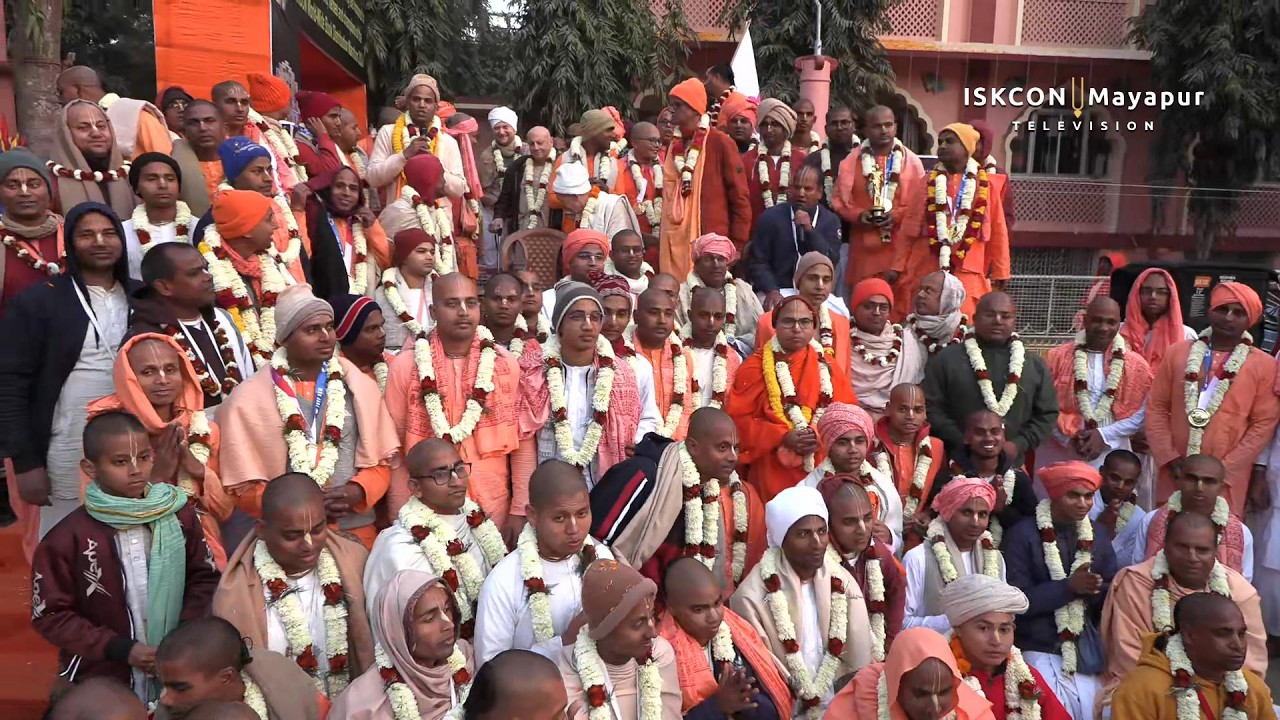
The Sri Dham Mayapur Victory 2025 Celebration on February 7, 2026, brought together pilgrims and well-wishers in a sacred setting dedicated to devotion, learning, and seva. The program highlighted Bhakti Tradition as a living practice that strengthens community ties and preserves Cultural Heritage. Attendees reported renewed clarity and focus through kirtan, darshan, and service initiatives…
-
Living Dharma in Daily Life: Srimad Bhagavatam 10.90.28 on Grihastha Duty, Prosperity, and Balance
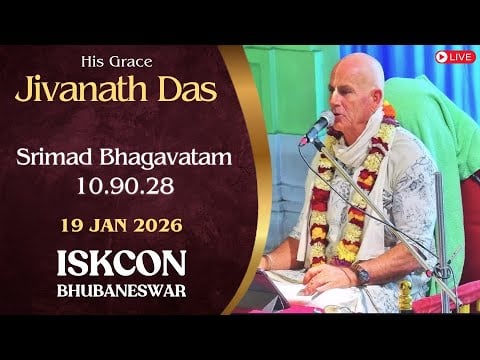
This reflection on Srimad Bhagavatam 10.90.28, presented by HG Jivanath Das at ISKCON Bbsr, explains how Krishna exemplifies a balanced householder life that unites dharma, artha, and regulated kama. It offers practical stepssteady sadhana, ethical earning, and compassionate family stewardshipthat transform daily routines into lived devotion. The piece highlights how measurable self-audits and periodic tapas…
-
Kumbha Rashi 2026 Auspicious Days: Panchang Guide for Clarity, Confidence, and Harmony

Kumbha Rashi (Aquarius), the 11th sign in Hindu Astrology, draws its strength from Dhanishta (3–4), Shatabhisha (1–4) and Purvabhadra (1–3). In 2026, auspicious days are best identified through a location-specific Panchang, considering Tithi, Nakshatra, Yoga, Karana, weekday, and the Moon’s transit. A practical approach prioritizes Shukla Paksha, supportive Tithis, and favorable Nakshatras, while avoiding Bhadra…
-
After Two Decades, OUP Apologises for Unverified Shivaji Maharaj Content, Promises Corrections

Oxford University Press has apologised for unverified content about Chhatrapati Shivaji Maharaj in a two-decade-old publication and committed to correcting future editions. This acknowledgment reinforces historical accuracy and signals a constructive path forward in responsible publishing. For students, educators, and the wider public, it restores confidence in evidence-based narratives of Indian history and Hindu History.…
-
Rising Fear for Hindus in Bangladesh: Surging Attacks, a Drowning Death, and a Call to Unity

Reports from Bangladesh highlight a disturbing rise in violence against Hindu minorities, underscored by the tragic drowning of Mithun Sarkar while fleeing a mob. This analysis frames the event within constitutional guarantees, rule-of-law priorities, and the need to curb disinformation. It emphasizes Dharmic unityHinduism, Buddhism, Jainism, and Sikhismas a shared foundation for nonviolence and interfaith…
-
No Newspapers in Hell? A Sheffield Parable on Context, Culture, and Compassionate Dialogue

A classic Sheffield anecdote often retold by Srila Prabhupada demonstrates how spiritual messages resonate only when they meet people where they are. The coal miners were unmoved by descriptions of hell as dark and damp, because that mirrored their daily work; the threat of “no newspapers,” however, struck home. The story models context-aware, culturally sensitive…
-
‘Three Crore Gods’? A Scholarly, Respectful Reply Clarifying Hinduism’s Unity-in-Diversity

This article addresses the familiar question, “How many gods do Hindus believe in? Are there three crore?” with a calm, scholarly explanation. It clarifies that Hinduism centers on one ultimate reality (Brahman), while allowing many names and forms as legitimate approaches. The Ishta-devata principle explains personal choice in devotion, grounded in unity rather than fragmentation.…
-
Bhai Kirpa Singh of Mattan: Courage, Devotion, and Guru Tegh Bahadur’s Legacy of Freedom

Bhai Kirpa Singh of Mattan, Kashmir, is remembered as a devoted Sikh of Guru Tegh Bahadur whose life bridged Kashmiri heritage and Sikh courage. His association with the Kashmiri Pandits’ appeal at Anandpur Sahib in 1675 highlights a landmark moment for religious freedom under Mughal rule. Guru Tegh Bahadur’s martyrdom, undertaken for universal liberty of…