
-
Makara Lagna 2026–2027: Powerful Capricorn Ascendant Forecasts for Growth and Stability

Makara Lagna (Capricorn Ascendant) natives can expect 2026–2027 to favor disciplined growth, steady career elevation, prudent finances, and warmer family bonds. Professional strength builds through reliability and systems thinking, while conservative wealth strategies outperform speculation. Health improves with routine, rest, and mindful stress management. Structured learning, purposeful travel, and documentation aid progress. Dharmic practices honored…
-
Karka Lagna 2026–2027 Deep-Dive: Empowering Predictions for Career, Wealth, Love, Health
Karka Lagna (Cancer Ascendant) can expect 2026–2027 to deliver steady progress grounded in discipline, compassion, and practical planning. Career growth rewards reliability, leadership through empathy, and skill-building, while finances benefit from prudent savings and measured investments. Relationships deepen through attentive communication and clear boundaries; health improves with routine, rest, and contemplative practices. Education, research, and…
-
Vishnu and Lakshmi in Dreams: Decode Sacred Signs, Find Peace, and Invite Prosperity

Dreams of Vishnu and Lakshmi are treated in Hindu tradition as sacred messages that connect the subconscious with the divine. This guide explains common symbolslike Vishnu’s Sudarshana Chakra or Lakshmi’s lotusand how they relate to protection, balance, and sattvic prosperity. It offers practical steps for integration, including journaling, mantra, meditation, and compassionate action. The approach…
-
Does God Really Exist? Experiential Practices to Sense the Divine Within Every Day

This reflection presents an experiential approach to the timeless question: Does God exist? Drawing on Sri Sri Ravishankar’s assurance that the Divine dwells within, it integrates methods shared across Hinduism, Buddhism, Jainism, and Sikhism. Readers gain practical stepsbreath awareness, dhyana (meditation), mantra (japa), ethical alignment, and sevato cultivate inner clarity. The guidance of community and…
-
CC Madhya 10.62–73 Explained: Devotional Wisdom and Harmony at ISKCON Govardhan Eco Village
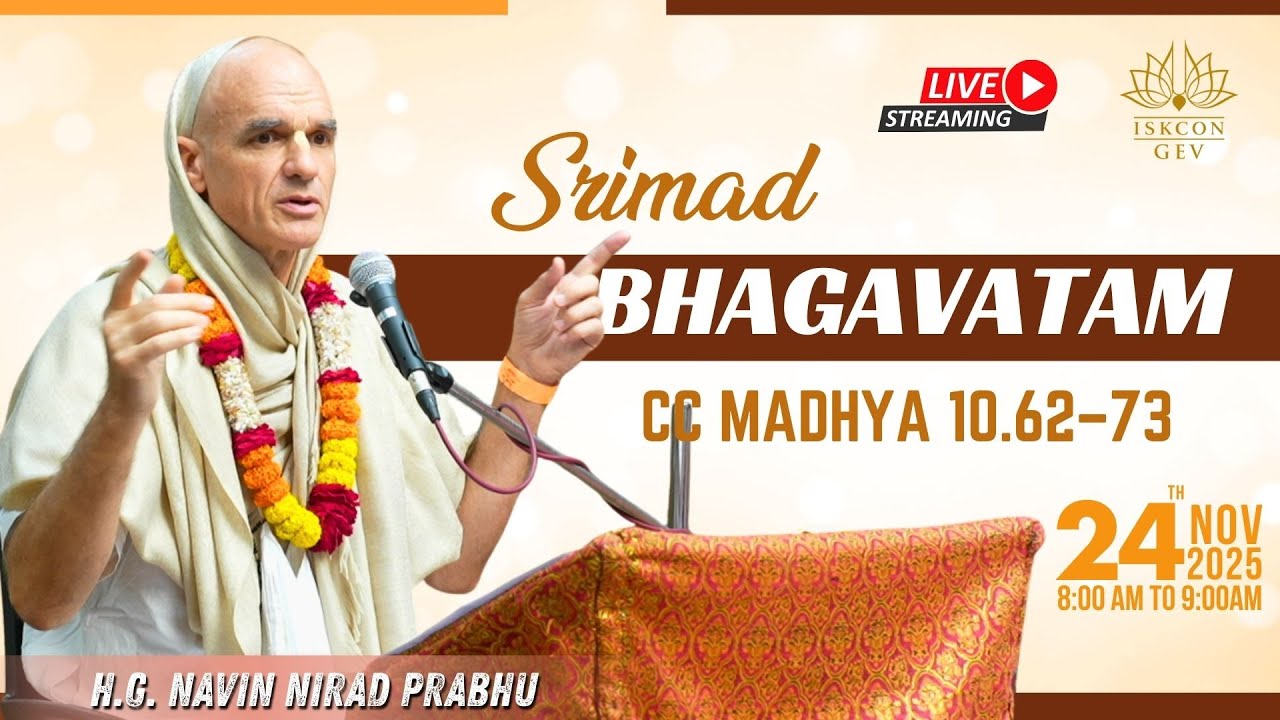
This academic yet accessible class at ISKCON Govardhan Eco Village examined Sri Caitanya-caritāmṛta, Madhya-līlā 10.62–73, drawing out enduring principles of humility, service, and attentive devotion. H.G. Navin Nirad Prabhu connected scriptural insights to daily routines, emphasizing nāma-saṅkīrtana, compassionate conduct, and steady sādhana. The session highlighted how Lord Chaitanya Mahaprabhu’s teachings translate into ethical action and…
-
Open the Tap of the Heart: Theater, Bhakti, and Mindful Practice for Inner Transformation

A philosophical pantomime, “Long Dream,” revealed how attention, breath, and bhava can open the tap of the heart and elevate performance into sadhana. Drawing on Yoga and Bhakti Tradition, the work demonstrates that anahata (Heart Chakra) awareness deepens presence and communicative power without words. Three actionable insightssankalpa (clear intention), karuna (compassionate attention), and vairagya (disciplined…
-
You Are Already That: Effortless Realization of Infinite Pure ConsciousnessA Dharmic Perspective

This article clarifies a core Vedantic insight: infinite pure consciousness is not something to attain but to recognize. It explains how Hindu philosophy, especially Advaita Vedanta and the Upanishads, frames self-realization as effortless recognition rather than forced achievement. It highlights convergences with Buddhism, Jainism, and Sikhism, reinforcing unity in spiritual diversity. Practical guidance shows how…
-
Sita’s Ashokavana Ordeal: Unwavering Dharma, Karma, and Timeless Strength to Endure

Sita’s ordeal in Ashokavana exemplifies how dharma and karma inform spiritual resilience under extreme duress. Confined by Ravana and pressured to capitulate, she remained unwavering through ethical clarity, disciplined remembrance, and self-restraint. Her acceptance of karma’s ripening never became fatalism; instead, it sustained equanimity and moral agency. The Sundara Kanda encounter with Hanuman affirmed her…
-
Echoes of Devotion: Hazoori Ragi Sarabjeet Singh ‘Laad on Shabad Kirtan, Seva, and Unity

This interview with Hazoori Ragi Bhai Sahib Sarabjeet Singh ‘Laad, conducted by Bhupinder (Bo) Singh, explores the discipline and devotion at the heart of shabad kirtan. The discussion highlights how Gurmat Sangeet unites musical rigor with scriptural fidelity to guide the sangat toward contemplation. It emphasizes seva as a lived ethic that strengthens Sikh community…
-
Immersive Devotional Dramas at ISKCON Vrindavan: Srila Prabhupada’s Living Legacy

Srila Prabhupada’s ISKCON Vrindavan Cultural Theatre (IVCT) transforms devotional drama into a contemplative practice centered on Krishna’s leelas. The performances create an immersive environment that deepens remembrance and supports mindful attention. As a living repository of cultural heritage, IVCT translates scriptural narratives into accessible, intergenerational learning. The theatre’s inclusive ethos resonates with shared values across…
-
November 25, 2025 Panchang: Panchami till 7:11 PM, then SashtiMuhurat & Nakshatra

On Tuesday, November 25, 2025, Shukla Paksha Panchami prevails until 7:11 PM (local time), after which Shukla Paksha Sashti begins. The day’s first part favors learning, clarity, and constructive beginnings, while the evening supports resolve, protection, and vow-keeping. Readers gain precise tithi timing, a clear understanding of the Panchami-to-Sashti transition, and practical guidance for planning…
-
Lagna and the 1st House Explained: A Transformative Guide to the Ascendant in Vedic Astrology

Lagna (Ascendant) is the Vedic astrology anchor of the 1st House, linking the soul’s entry into life with identity, vitality, and direction. Classical guidance, including Sarvartha Chintamani (II.5), affirms that a house gains strength when occupied by its own lordan insight crucial for interpreting Lagna. Assessing dignity, aspects, Shadbala, and vargas (notably Navamsa) clarifies health…
-
Srimad Bhagavatam 10.90.18: Mortal Wounds, Spiritual Resilience, and Dharma’s Healing Power
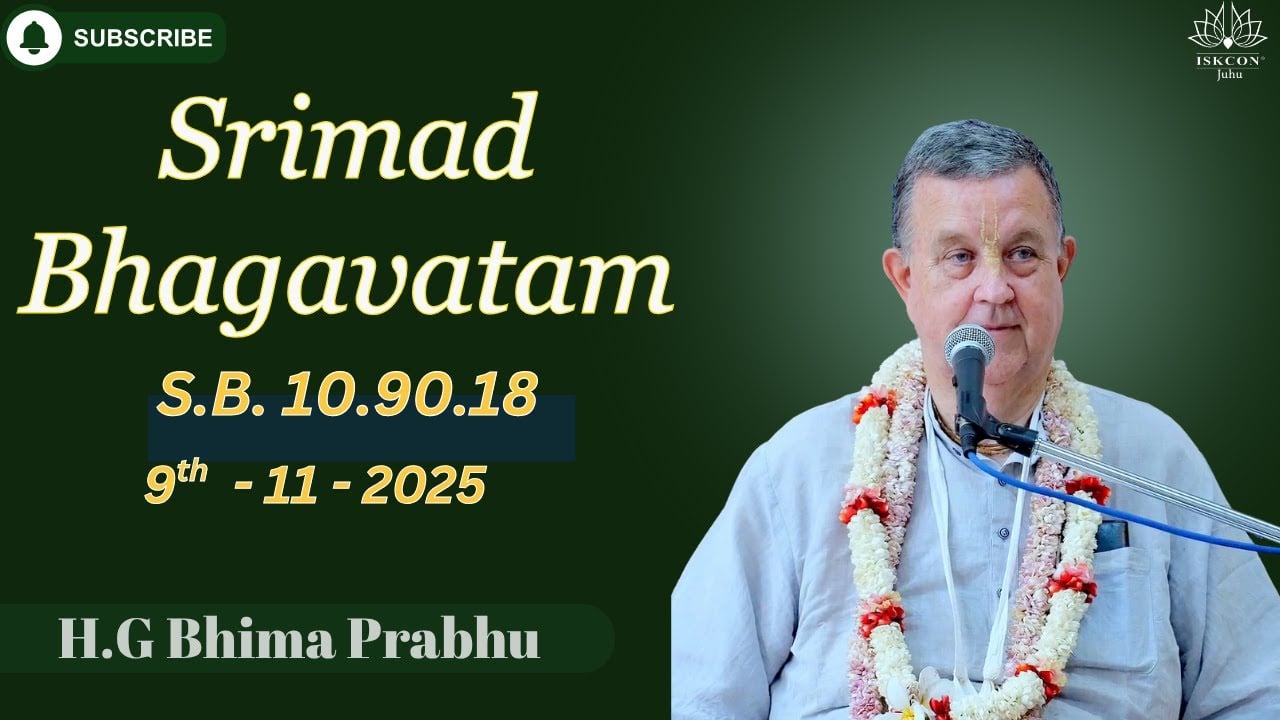
This reflection on Srimad Bhagavatam 10.90.18 clarifies the metaphor of a “mortal wound” and applies it to spiritual ethics and daily practice. It distinguishes minor setbacks from integrity-compromising harms that demand urgent repair. The analysis offers practical toolsatonement, meditation, seva, satsangto prevent moral injury from becoming entrenched. It highlights parallels across Hinduism, Buddhism, Jainism, and…
-
The Transformative Power of Divine Names: Vedas, Epics, and Dharmic Unity
Divine names, celebrated in the Vedas, Upanishads, Ramayana, and Mahabharata, provide a practical discipline to steady attention, calm the breath, and strengthen ethical living. By anchoring the mind in nāma-smaraṇa or japa, practitioners experience reduced stress and clearer moral judgment. The same principle appears across Buddhism (Om Mani Padme Hum), Jainism (Namokar Mantra), and Sikhism…
-
Unlock the Auspicious Power of Margashirsha Maas: Bhagavad Gita Insights and Dharmic Unity

Margashirsha maas (Margashira masam) is celebrated as the ninth and highly auspicious month in the Hindu calendar, affirmed by Sri Krishna’s declaration in the Bhagavad Gita (10.35). This overview explains why the month is revered, what core practicesjapa, vrata, dāna, and Gita parayanaare commonly observed, and how these enhance clarity and devotion. Readers gain practical,…
-
Vrishabha Lagna (Taurus Ascendant): Timeless Traits, Mindset, and Life Path Insights
Vrishabha Lagna (Taurus Ascendant) is the second rising sign in Hindu Astrology, shaping physical features, temperament, and behavior. Typical traits include a sturdy build, bright eyes, and a resonant voice, paired with patience, loyalty, and practical judgment. The influence of Shukra (Venus) enhances aesthetics, stability, and creative appreciation. Health focus areas include the neck and…
-
Seeing the One in All: Krishna’s Universal Form and the Transformative Ethics of Equality

This article explores how Sri Krishna’s revelation of the Universal Form in the Bhagavad Gita grounds a rigorous ethic of equality. It clarifies key verses such as 9.4, 6.29, and 5.18 to show how oneness translates into samadarshanaequal regard for all beings. It connects Hindu insights with shared dharmic values across Buddhism, Jainism, and Sikhism,…
-
Kartik’s Playful Grace: Krishna’s Disguise in Gokula and the Transformative Power of Bhakti
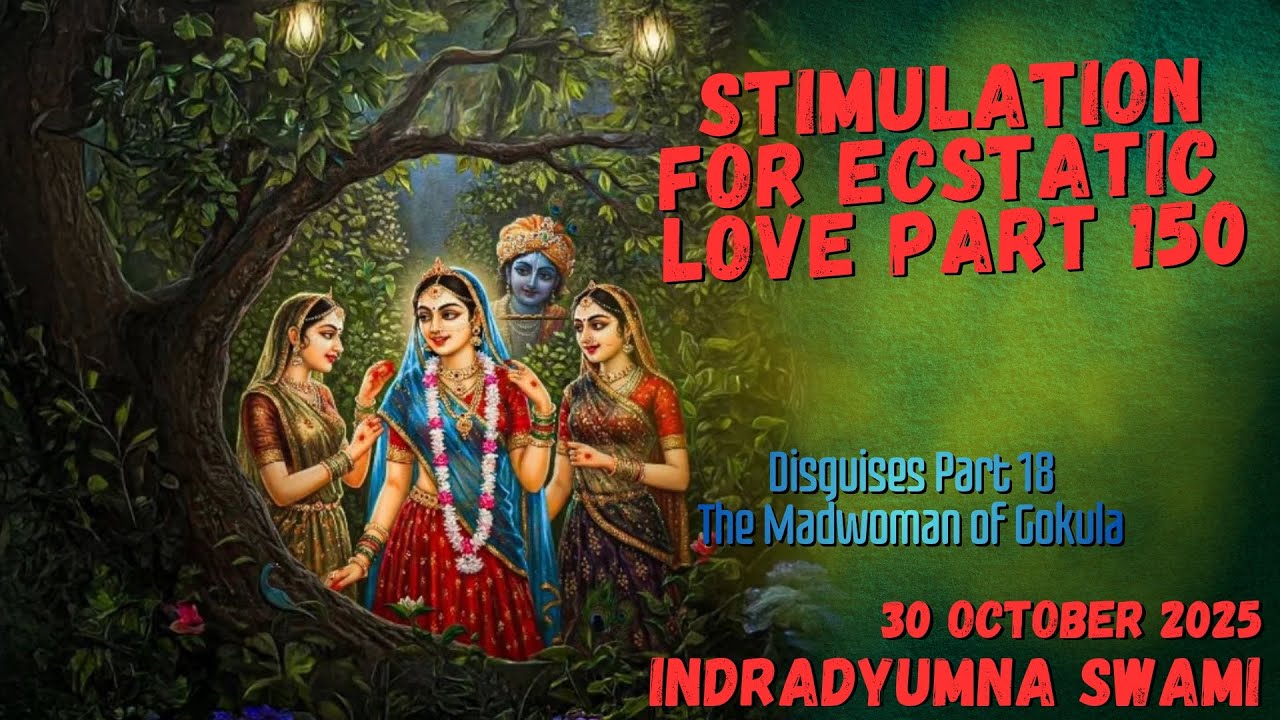
Set in Gokula during the sacred month of Kartik, this lecture explores a playful lila where Krishna disguises himself as the son of the elder gopi Pavati to evade punishment for stealing butter. The episode’s gentle humor reveals deep theological insights in the Bhakti Tradition, especially vatsalya-bhavaparental love that transforms judgment into tenderness. Butter becomes…
-
The Essential Breakthrough on Projection: Discover Proven Shadow Work to Master Boundaries

This article examines projection psychology through a precise, compassionate lens. It traces how a person labeled “too much” learned, through therapy and shadow work, that intense reactions often reflect another’s unprocessed fear or history. The shift from self-blame to reflective inquiry enabled stronger boundaries, reduced over-explaining, and greater self-trust. Practices such as pausing, asking clarifying…
-
Essential Guide to Śrīmad Bhāgavatam 3.21.25: Discover Manu’s Rule and Sacred Geography

Śrīmad Bhāgavatam 3.21.25 presents Svāyambhuva Manu as an exemplar of righteous leadership grounded in dharma. The verse’s reference to Brahmāvarta and its association with Kurukṣetra illuminate how sacred geography encodes ethical memory in Hindu scriptures. Read in context, the imagery of ruling over the earth “with its seven oceans” signals cosmic completeness and responsible stewardship.…