
-
Cultivating Contentment: Dharmic Pathways to Enduring Happiness and Inner Peace

This essay examines why contentment generates enduring happiness through a unified lens from Hinduism, Buddhism, Jainism, and Sikhism. It distinguishes short-lived pleasure (sukha) from abiding wellbeing (ananda) and situates santosha within Yoga philosophy and the Bhagavad Gita’s portrait of steady wisdom. It integrates Vedanta’s Pancha Kosha model, Buddhist mindfulness and equanimity, Jain ahimsa and aparigraha…
-
Beyond Possession: Timeless Dharmic Wisdom on Desire, Consumerism, and Inner Freedom

Consumer culture promises joy through acquisition, yet the thrill fades quickly. Dharmic traditions anticipated this pattern and offer rigorous, practical tools to transform desire into discernment. Drawing from the Bhagavad Gita, the Upanishads, the Yoga Sutra, Buddhist insight on craving, Jain vows of aparigraha, and Sikh practices of remembrance and sharing, this article explains why…
-
Timeless Dharmic Debate: From Vada to AnekantavadaA Fearless Path to Truth and Unity

Constructive, unbiased debate sits at the heart of Hindu philosophy as a disciplined path to knowledge and self-realization. Grounded in pramana theory and refined by Nyaya’s robust logic, classical shastrartha privileges clarity over conquest. The Upanishads, the Bhagavad-Gita’s samvada, and traditions across Buddhism, Jainism, and Sikhism model dialogue that is rigorous, ethical, and inclusive. Practices…
-
Satguru in Sri Guru Granth Sahib: Timeless Wisdom for Inner Freedom and Dharmic Unity

This article clarifies the meaning of Satguru in the Sri Guru Granth Sahib as the eternal, word-centered True Guru known as the Shabad Guru. It outlines how devotion to Naam, alignment with Hukam, and receptivity to Gur Prasad dissolve ego and cultivate ethical virtues. Readers gain practical stepsdaily shabad study, simran, kirtan, seva, and participation…
-
Chardi Kala and Bhana: Sikh Ideals for Unshakable Joy, Resilience, and Surrender to Hukam

“Chardi Kala and Bhana” distills a Sikh way of life into two powerful ideals: resilient optimism and loving acceptance of hukam. Chardi Kala sustains an ever-rising spirit through simran, seva, and sangat, transforming adversity into purposeful compassion. Bhana aligns the heart with Divine Will, encouraging ethical action without attachment to outcomes. Together, they balance courage…
-
Bhai Vir Singh: The Sixth River of Punjab and a Bridge Uniting India’s Dharmic Traditions

Bhai Vir Singh stands as the “sixth river” of Punjaba poet and thinker whose work renews Punjabi literature and deepens ethical life. His celebrated writings, including Rana Surat Singh, Sundari, and Satwant Kaur, weave devotion with courage and civic responsibility. Grounded in Sikh spirituality, his vision resonates with shared dharmic values across Hinduism, Buddhism, and…
-
Kiratpur Sahib: Sacred Seat of Sikh Gurus before Anandpur Sahib and a Living Dharmic Legacy

Kiratpur Sahib served as the principal seat of Sikh Gurus before the rise of Sri Anandpur Sahib, shaping a decisive era in Sikh history. Located along the Sutlej at the Shivalik foothills, it fostered spiritual authority and community resilience under Guru Hargobind and Guru Har Rai. The town’s association with Guru Harkrishan underscores its role…
-
Karya Karana Bhava: Unveiling Causality’s Power Across Dharmic Wisdom Traditions

Karya Karana Bhavathe principle of cause and effectoffers a clear lens for understanding reality, ethics, and spiritual growth in Hinduism. Grounded in the Vedas and Upanishads and refined by Samkhya, Nyaya, and Vedanta, it clarifies how choices shape outcomes through karma and disciplined practice. Everyday examples show how patience, consistency, and seva produce meaningful effects,…
-
Sant Maskeen Ji: From Partition Survivor to Panth Rattan, a Beacon of Sikh Wisdom and Unity

This profile traces Sant Maskeen Ji’s journey from Partition-era displacement to recognition as Panth Rattan, highlighting how Gurbani-centered practice nurtures resilience, ethical clarity, and community cohesion. Readers will gain a concise understanding of his teaching methodrooted in Naam Simran, humility, and sevaand how it translates into practical guidance for daily life. The narrative emphasizes religious…
-
Jassa Singh Ahluwalia’s Rise: Forging Kapurthala State and Sikh Unity in 18th-Century Punjab
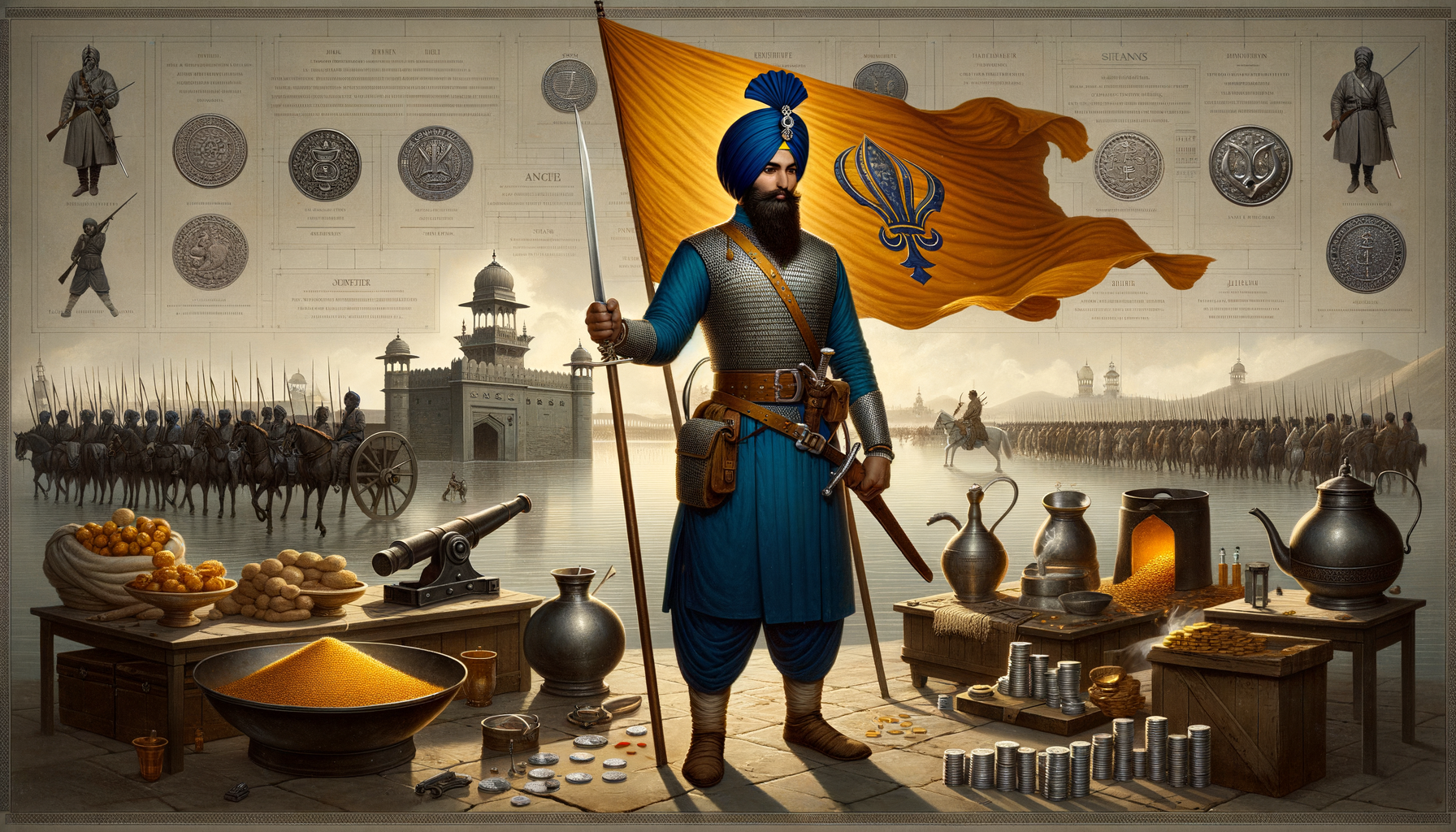
In an age of upheaval following the Mughal decline and Afghan incursions, Jassa Singh Ahluwalia unified Sikh forces and laid the institutional foundations for the Kapurthala State. His leadership in the Ahluwalia misl and Dal Khalsa fused defense with public welfare, echoing the Khalsa principle “Deg Tegh Fateh.” The result was safer routes, protected communities,…
-
A Path to Truthful Living: A Transformative Review on Satya, Dharma, and Dharmic Unity
A Path to Truthful Living offers a rigorous yet accessible guide to satya as a daily practice, linking truthful speech to ahimsa and disciplined self-mastery. Readers gain a comparative understanding of Hindu, Buddhist, Jain, and Sikh perspectives, with an emphasis on unity in spiritual diversity and religious pluralism. Practical methodsmindfulness, meditation, samayik, simran, and reflective…
-
Karya in Hindu Thought: How Actions Shape Destiny, Ethics, and Liberation

Karya, derived from the Sanskrit root “kr” (to act), encapsulates “that which is done” and unites Hindu philosophy, ethics, and daily practice. It connects intention with outcome across traditionsfrom Sāṅkhya’s satkāryavāda and Nyāya’s causal clarity to Mīmāṁsā’s duty and Vedanta’s purifying karma yoga. The Bhagavad Gita’s “kāryam karma” frames action as an obligation performed without…
-
Chali Mukte: The Transformative Saga of Forty Liberated Souls and Guru Gobind Singh

Chali Mukte“the forty liberated”captures a pivotal moment in Sikh history linked to Guru Gobind Singh, where regret turned into responsibility and courage. Set between Anandpur Sahib and Muktsar Sahib, the episode showcases Mai Bhago’s galvanizing leadership and the Sikhs’ return to dharma. Readers gain a concise historical overview, ethical insights into accountability, and a practical…
-
Impermanence and Human Bonds: Hindu Wisdom on Loving, Letting Go, and Lasting Peace

Hinduism teachesmost explicitly in the Yoga Vasishtathat all human associations are impermanent, a truth that clarifies how to love without clinging. Recognizing anitya (impermanence) reframes loss, softens attachment, and supports ethical, compassionate action in relationships. This perspective aligns with the dharmic insights of Buddhism (anicca), Jainism (anitya), and Sikh wisdom on hukam and seva, highlighting…
-
Before the Particle Accelerator: Soviet Science, atma, and a Profound Dharmic Convergence

A quiet moment before a Soviet-era particle accelerator crystallizes a core insight: the most decisive forces in life are often unseen. This reflection connects modern physics with dharmic inquiry into atma, showing how both rely on disciplined methods to infer what cannot be directly observed. Hindu philosophy and Vedanta, Buddhism’s process-oriented view, Jainism’s jiva and…
-
Jnana as Eternal Light: How Sacred Knowledge Unites Hindu, Buddhist, Jain, Sikh Paths

This essay presents jnana as the eternal light central to Hindu wisdom while connecting it with prajna in Buddhism, kevala-jnana in Jainism, and gyaan in Sikhism. It clarifies how knowledge in the Upanishads and Bhagavad Gita is transformative rather than merely intellectual, aligning atman with Brahman. Readers gain practical guidancesvadhyaya, dhyana, seva, satsangafor integrating insight…
-
Escape and Evasion: Riveting Lessons in Resilience, Dharma, and Inner Strength Under Fire

This analysis presents a survival narrative as a disciplined study in Resilience, dharma, and ethical clarity. It demonstrates how Mindfulness stabilizes decision-making under threat and how restraint aligned with Ahimsa reduces harm. Readers gain practical toolscalm-start breathing, multi-route planning, discreet coordination, and de-escalationthat improve outcomes without compromising integrity. The account highlights social trust and community…
-
Moha and the Veil of Tamas: Understanding Delusion Across Dharmic Traditions

Moha, in Hindu philosophy, is a state of delusion tied to tamas, the guna of inertia and darkness, that obscures discernment and fosters ignorance or false knowledge. It narrows perception, encourages attachment to assumptions, and turns reactivity into a substitute for reflection. Within the framework of the gunas, rajas can intensify confusion, while sattva restores…
-
Sukhmani Sahib: A Timeless Pathway to Inner Peace, Compassion, and Dharmic Unity

Sukhmani Sahib, a revered composition in the Guru Granth Sahib, offers a structured path to inner peace through Naam, Simran, humility, and Seva. Organized in 24 ashtapadis, it marries clear doctrine with musical cadence to aid contemplation and practice. The scripture translates spiritual insight into actionable ethicstruthfulness, compassion, and community servicethat improve emotional balance and…
-
Dukh Bhanjani Beri at Harmandir Sahib: A Sacred Tree of Healing, Faith, and Unity

Dukh Bhanjani Beri at Harmandir Sahib (Golden Temple) in Amritsar is revered as a living symbol of faith, healing, and devotion. Rooted beside the Amrit Sarovar, the sacred jujube tree is associated in Sikh tradition with the transformative grace exemplified in the account of Bibi Rajni. The site’s practiceskirtan, ardas, parikrama, and quiet contemplationcultivate resilience…