
-
Sardar Baghel Singh: The Visionary Who Etched Sikh Heritage on Delhi’s Sacred Map (1783)

Sardar Baghel Singh (c. 1730–1802) transformed Delhi’s sacred geography in March 1783 through a negotiated accord with the Mughal court that authorized, secured, and funded the construction of Sikh shrines at historic sites. Rather than a mere military episode, his intervention institutionalized Sikh memory—most notably at Sees Ganj Sahib and Rakab Ganj Sahib—through a sustainable…
-
Sardar Baghel Singh: The Visionary Who Etched Sikh Heritage on Delhi’s Sacred Map (1783)

Sardar Baghel Singh (c. 1730–1802) transformed Delhi’s sacred geography in March 1783 through a negotiated accord with the Mughal court that authorized, secured, and funded the construction of Sikh shrines at historic sites. Rather than a mere military episode, his intervention institutionalized Sikh memory—most notably at Sees Ganj Sahib and Rakab Ganj Sahib—through a sustainable…
-
Historic Honour: Param Singh MBE Receives Freedom of the City of London, Inspiring Dharmic Unity

Param Singh MBE, founder of City Sikhs, has been awarded the Freedom of the City of London, a historic civic honour that recognizes sustained leadership in community cohesion, interfaith dialogue, and public service. The recognition highlights how Sikh values of seva and sarbat da bhala translate into inclusive civic action within London’s ancient institutions. It…
-
Relativity, Interconnectedness, and Impermanence in Sikh Philosophy: Clarity for Dharmic Unity

This long-form exploration clarifies how Sikh philosophy integrates relativity, interconnectedness, and impermanence under Ik Oankar and hukam. It explains why perspective-awareness enhances, rather than weakens, commitment to Truth, and how interconnectedness turns metaphysics into concrete seva for sarbat da bhala. It shows how impermanence frees the heart from clinging without collapsing into nihilism, orienting life…
-
Shabad Beyond the Palki & Rumaalay: The Living Guru, Inner Listening, and Dharmic Unity

This essay clarifies why “Shabad is the Essence of my Existence” by centering the living reality of Shabad Guru in Sikhi and explaining what truly lies “Beyond the Palki & Rumaalay.” It distinguishes reverential aesthetics from spiritual essence, showing how Palki, Rumaalay, and maryada honor the Guru while serving the primary aim of listening and…
-
Honoring Sikh Women: Trailblazing Courage, Seva, and Scholarship for International Women’s Week

International Women’s Week highlights the enduring leadership of Sikh women in seva, scholarship, and public life. Grounded in Gurbani’s affirmation of equality—“ਸੋ ਕਿਉ ਮੰਦਾ ਆਖੀਐ ਜਿਤੁ ਜੰਮੇ ਰਾਜਾਨ॥”—their contributions span the langar tradition of Mata Khivi, the martial resolve of Mai Bhago, and the statecraft of Rani Sada Kaur. From heritage stewardship to humanitarian response,…
-
Satsang, Sangat, and Kalyāṇa-Mitra: Supercharge Spiritual Growth with True Friendship

Friendship is a structural requirement of spiritual growth across Hinduism, Buddhism, Jainism, and Sikhism. This essay defines spiritual friendship through the lenses of satsanga, kalyāṇa-mitra, satsaṅga, and Sadh Sangat, and explains mechanisms—behavioral, cognitive, affective, and ethical—by which good company reshapes inner life. It offers practical criteria for discerning true friends, highlights red flags that undermine…
-
San Jose State Assault Exposes Rising Hinduphobia: CYAN Demands Accountability, Safety

CYAN condemns the February 7 assault near MacQuarrie Hall at San Jose State University, in which a Sikh student was attacked and the slur “Hindu” was used, indicating targeted religious bias. The analysis situates the incident within California’s broader trends, including multiple temple vandalizations and state data showing rising anti-Hindu incidents. It outlines institutional obligations…
-
396th Birth Anniversary Tribute: Shivaji’s Compassion, Ecology, and Moral Courage for Dharmic Unity
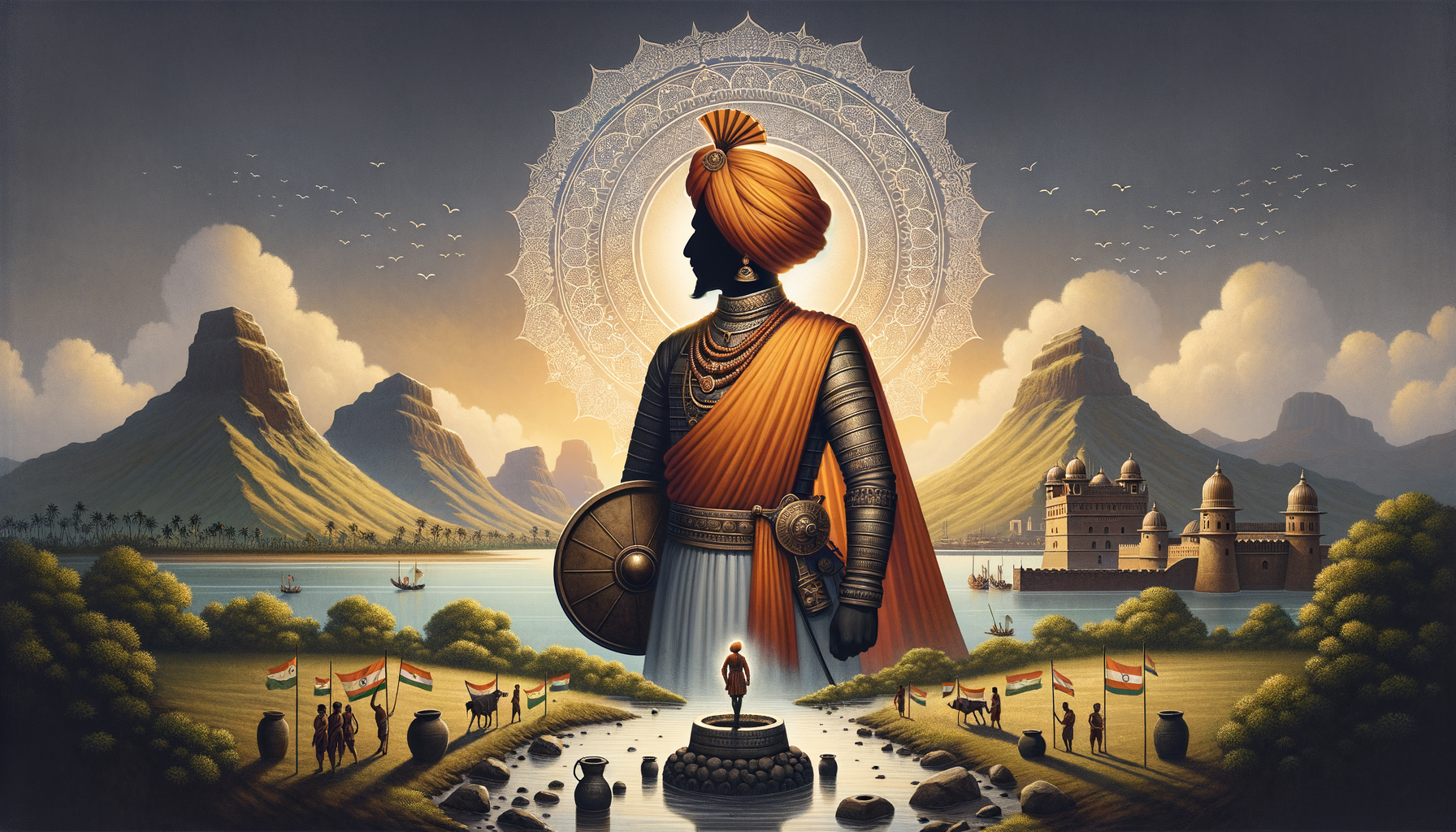
Commemorating the 396th birth anniversary of Chhatrapati Shivaji, this essay examines compassion, ecology, and moral courage as a coherent dharmic framework for governance and social harmony. It shows how ethical restraint toward non-combatants, plural endowments to sacred institutions, and climate-resilient fort design together model a humane and sustainable public ethic. Cross-dharmic resonances in ahimsa, karuṇā,…
-
When Young Sikhs Drift Away: Rebuilding Trust Through Gurmat and Dharmic Unity

Many communities observe young Sikhs drifting from institutional life, often due to a trust gap shaped by rapid social change and perceived value-practice mismatches. This piece outlines how Gurmat offers a rigorous, practical framework—rooted in sat, seva, nimrata, and sarbat da bhala—to restore confidence and participation. Readers gain actionable steps: youth-led arth vichaar, participatory budgeting,…
-
Chardi Kala and Bhana: Sikh Ideals for Unshakable Joy, Resilience, and Surrender to Hukam

“Chardi Kala and Bhana” distills a Sikh way of life into two powerful ideals: resilient optimism and loving acceptance of hukam. Chardi Kala sustains an ever-rising spirit through simran, seva, and sangat, transforming adversity into purposeful compassion. Bhana aligns the heart with Divine Will, encouraging ethical action without attachment to outcomes. Together, they balance courage…
-
GAAVANI Historic India Tour: Navpreet Kaur’s Reflections on Dharmic Unity and Living Heritage
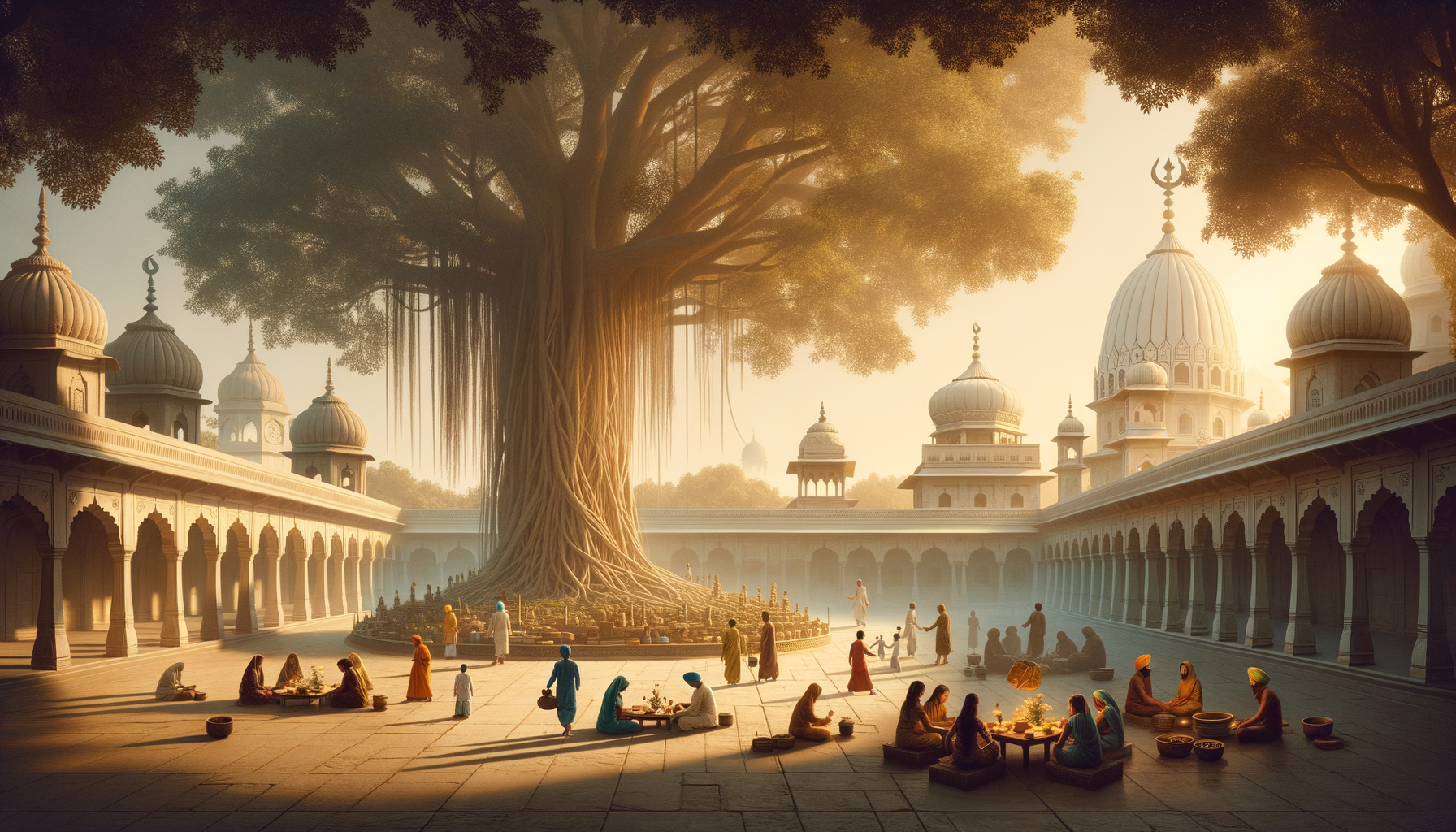
The GAAVANI Historic India Tour, shared by Navpreet Kaur with SikhNet, offers a clear, reflective view of India’s sacred geography and living heritage. It highlights convergences across Hinduism, Buddhism, Jainism, and Sikhism through shared ethics like seva, ahimsa, and karuṇā. Readers gain practical insights into ethical pilgrimage, heritage stewardship, and interfaith dialogue. The narrative shows…
-
Be Brave, Live to Give: Global ISKCON 2025 Celebration Powering the Prabhupada Marathon
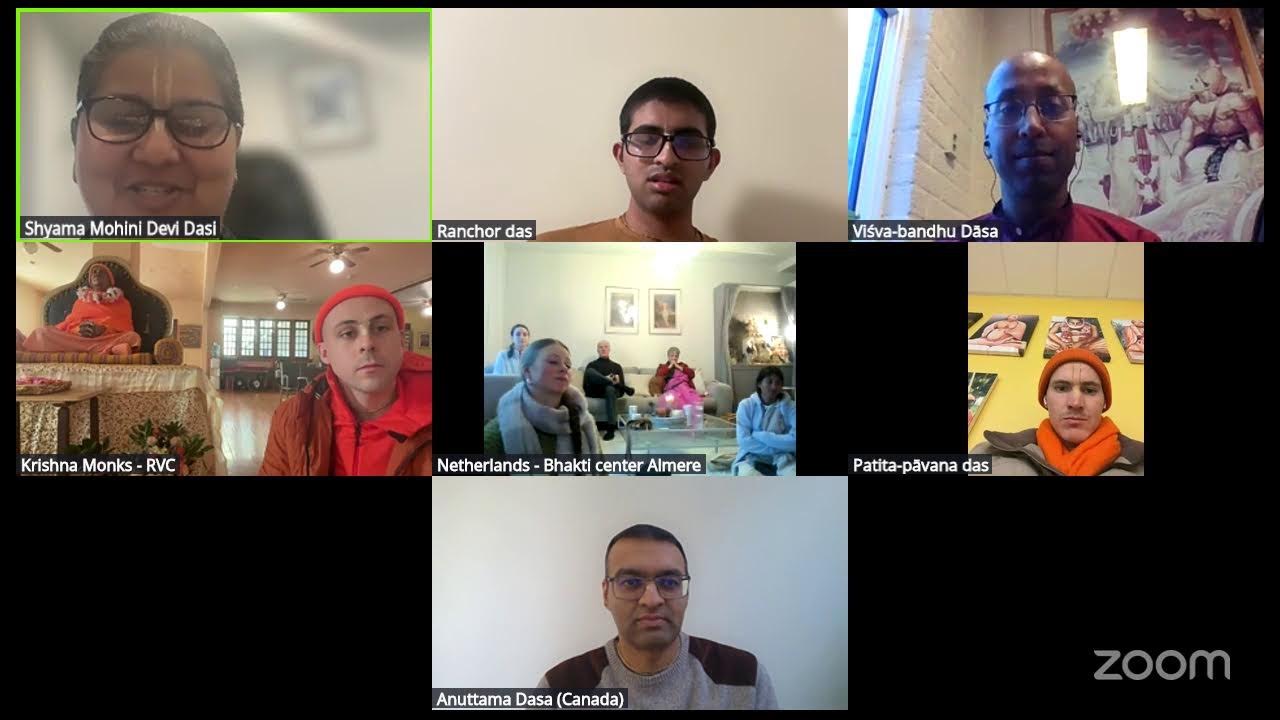
The Be Brave! Live to Give 2025 Celebration brought ISKCON leaders and devotees together online to share outcomes from the 2025–2026 “Live to Give” campaign centered on distributing Bhagavad Gita As It Is. Presentations combined metrics with field insights, including a notable report from Africa: 10 countries distributing 15,189 Bhagavad Gitas. The program emphasized disciplined…
-
Bridging Borders: A Transnational Voice in Punjabi Literature, Scholarship, and Creative Praxis

This piece explores how Punjabi literature has emerged as a transnational force, uniting scholarship and creative praxis across Punjab and the Indian diaspora. It highlights the plural, dharmic foundations of the tradition—from Bhakti to Sufi literature—and shows how these lineages nourish interfaith harmony without erasing difference. Readers gain actionable insights into translation strategies across Gurmukhi,…
-
Nishan Sahib Etiquette: How Gurudwaras Maintain, Honor, and Protect the Sacred Sikh Flag
The Nishan Sahib stands as a global emblem of Sikh identity, seva, and equality, maintained with care in Gurudwaras worldwide. This guide explains its symbolism, daily respect, and the ceremonial renewal often performed during Vaisakhi or Gurpurabs. Readers learn practical maintenance protocols, from fabric selection and chola wrapping to lightning protection and responsible lighting. It…
-
Sikhs in Clinical Research: Insights, Ethics, and Community-Centered Innovation with Ekta Grewal

This analysis explores Sikh participation in clinical research through insights from an interview with Ekta Grewal, emphasizing ethics, cultural competence, and community engagement. It shows how seva and sarbat da bhala align with Good Clinical Practice to improve recruitment, retention, and trust. The piece outlines practical steps—mentorship pipelines, community advisory boards, and partnerships with gurudwaras—to…
-
Guru Ravidas Jayanti 2026 on Magh Purnima: Date, Rituals, and a Bhakti Legacy of Unity

Guru Ravidas Jayanti 2026 falls on 1 February, aligning with Magh Purnima, the Full Moon of the Magh month. The day honors Sant Ravidas, a seminal Bhakti poet-saint, through Akhand Paath, Aarti, and Nagar kirtan, reflecting inclusive devotion and service. Observances at Ravidas temples and many gurdwaras underscore unity across Hinduism, Sikhism, Buddhism, and Jainism.…
-
Shaheedi Asthan of Baba Banda Singh Bahadur: A Moving Tribute to Courage and Dharma
The Shaheedi Asthan of Baba Banda Singh Bahadur offers a powerful encounter with Indian history and Sikh heritage. It commemorates a principled leader whose life exemplified dharma, courage, and service. The memorial contextualizes Mughal–Sikh interactions while honoring Indian martyrs. Visitors experience a contemplative environment shaped by shabad kirtan, ardas, and living heritage. The site models…
-
Empowering Sikh Applicants: A Blueprint for Mentorship, Equity, and Dharmic Unity
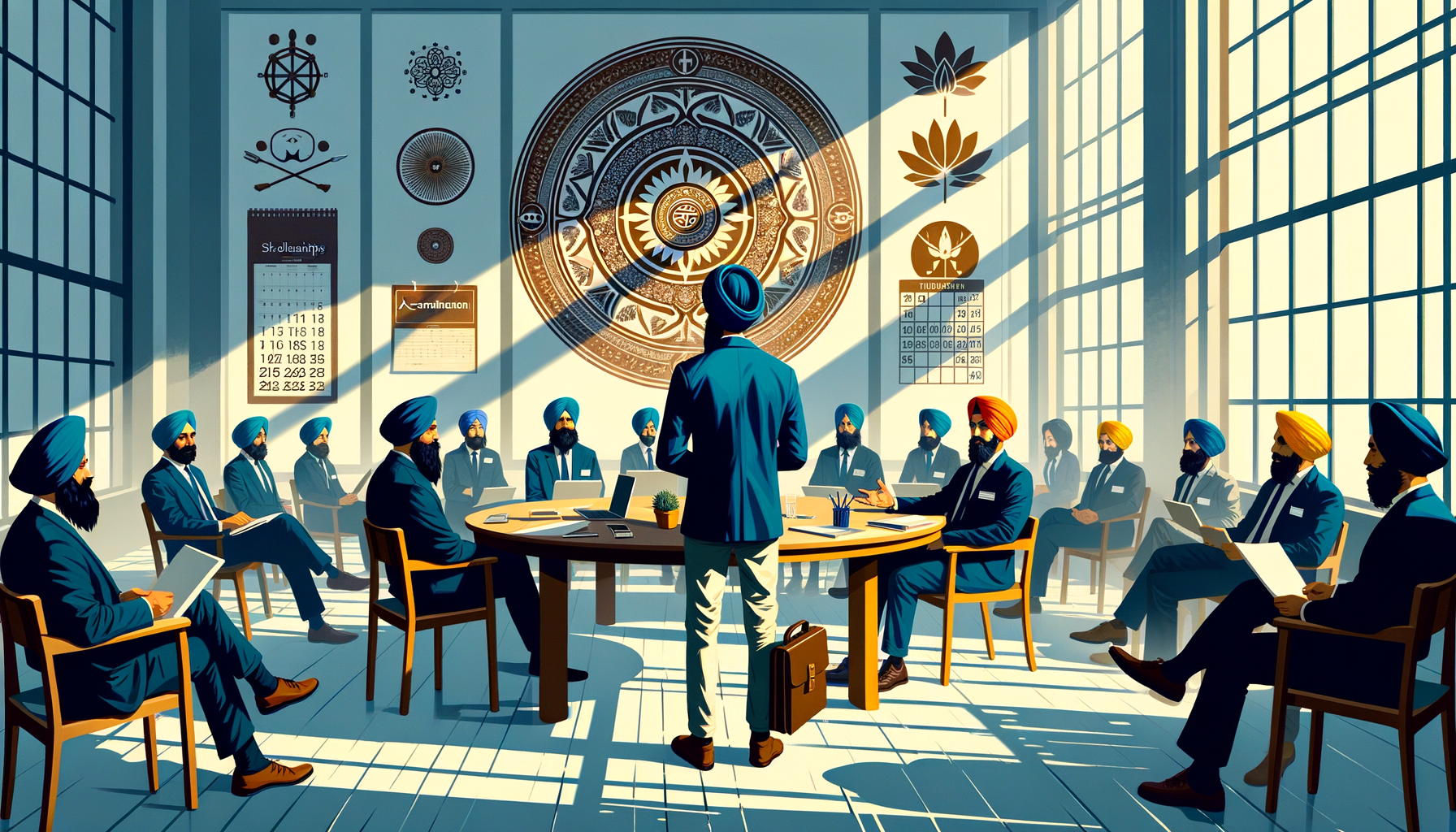
Many Sikh applicants face avoidable barriers in admissions and early careers—from limited mentorship to uncertainty about articles of faith in institutional contexts. This blueprint proposes a practical program featuring mentorship networks, cultural and legal accommodation toolkits, application labs, scholarship directories, and well-being cohorts. It translates seva, leadership, and cultural contributions into strong portfolios while equipping…
-
Blood-Stained Chapters in Sikh History: Remembering Martyrdom, Resilience, and Dharmic Unity
Sikh history contains blood-stained chapters that demand both scholarly accuracy and compassionate remembrance. This analysis examines the martyrdoms of Guru Arjan and Guru Tegh Bahadur, the formation of the Khalsa under Guru Gobind Singh, the trials of the eighteenth century, the tragedies of Partition, and the wounds of 1984. Emphasizing Religious Pluralism and Interfaith Dialogue,…