
-
Guardian of Sikh Heritage, Trailblazer in Conservation Science: A Life of Seva and Stewardship

This profile presents a rigorous yet compassionate model that unites conservation science with Sikh heritage stewardship. Readers gain a clear framework for protecting sarovars, Gurdwaras, manuscripts, and intangible practices such as kirtan, langar, and seva. The approach pairs ecological surveys and preventive conservation with oral histories and community training, making care both evidence-based and accessible.…
-
From Near Annihilation to Empire: The Sikh Rise through Khalsa, Misls, and Ranjit Singh

This article traces how the Sikh Community rebuilt power after near-annihilation in the eighteenth century, culminating in a pluralist, stable state in Punjab. It explains how Khalsa discipline, Misls, and the Dal Khalsa translated spiritual ideals into practical governance. Readers gain clarity on pivotal moments from Anandpur Sahib and Banda Singh Bahadur to the Vadda…
-
Saka Chamkaur: Guru Gobind Singh’s valor, Sahibzadas’ sacrifice, and timeless dharmic unity

ਸਾਕਾ ਚਮਕੌਰ (Battle of Chamkaur) is presented with historical precision and a dharmic lens, highlighting Guru Gobind Singh’s leadership and the Sahibzadas’ sacrifice. Readers gain a clear timeline from the siege of Anandpur Sahib to the stand at Chamkaur. The narrative emphasizes dharma-yuddha—moral courage, restraint, and protection of the vulnerable—rather than glorifying conflict. Emotional resonance…
-
Unbreakable Loyalty in Chains: Sikh Brothers’ Principled Leadership during Captivity
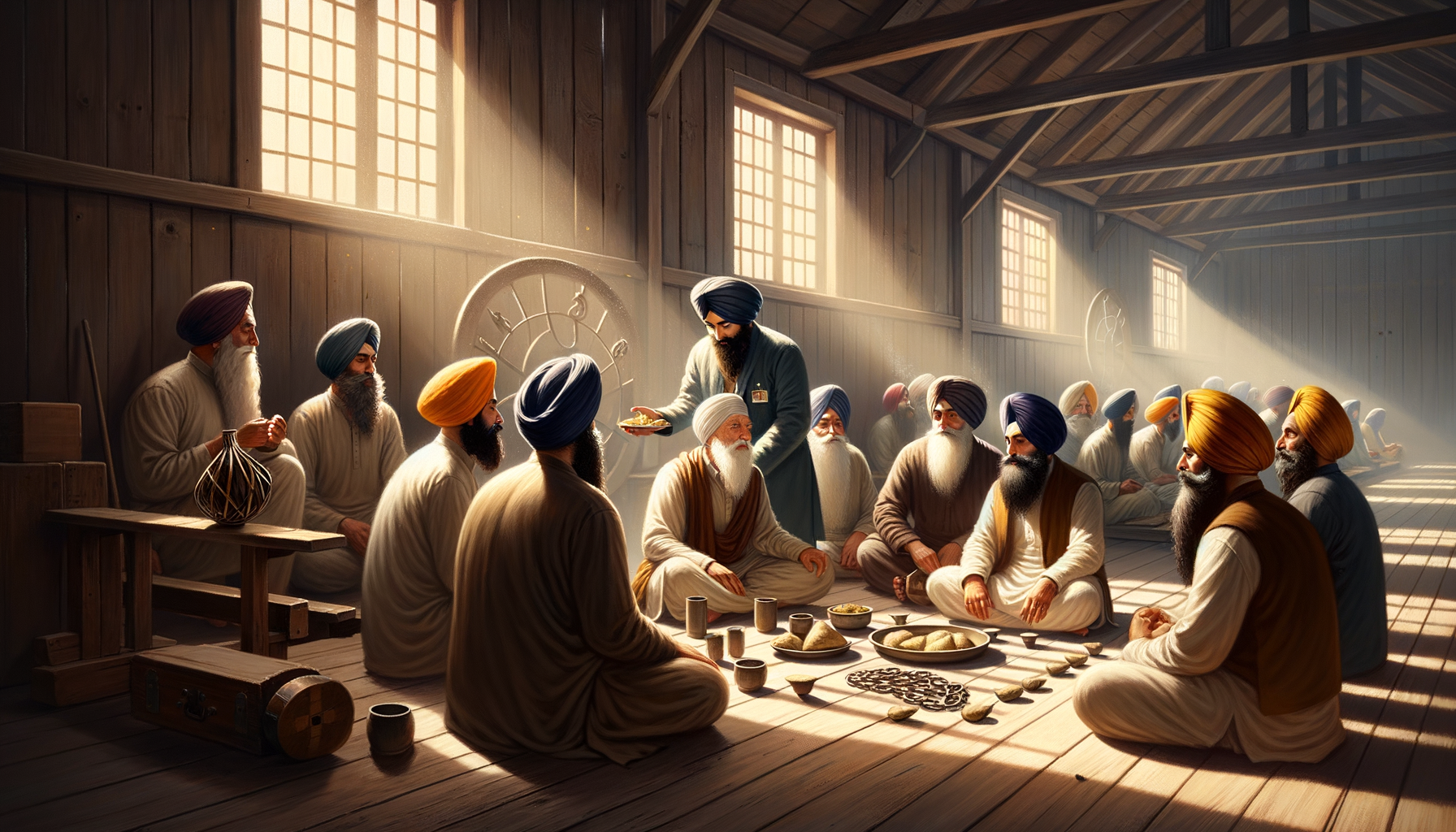
This piece explores how Sikh brothers embodied principled leadership during wartime captivity, demonstrating the sant-sipahi (saint-soldier) ethos where courage is guided by compassion. It shows how steady routines, shared rations, simran, and fair mediation preserved dignity and morale in harsh conditions. The narrative emphasizes that loyalty, rooted in dharma and Sarbat da Bhala, is fidelity…
-
Lohri 2026 (13 January): North India’s Fiery Harvest, Community Bonds, and Dharmic Unity

Lohri 2026 falls on 13 January, a day before Makara Sankranti, and brings communities together across Punjab, Haryana, Himachal Pradesh, Jammu, and Delhi. As a harvest festival aligned with the winter solstice cycle, it symbolizes warmth, renewal, and gratitude. Families gather around bonfires, offer til and gur, and enjoy Bhangra, Giddha, and folk songs like…
-
Online Gurbani Kirtan Mastery: A Step-by-Step Learning Manual for Ragas, Taal, and Simran

This step-by-step online manual equips learners with a clear path to Gurbani Kirtan, combining sur sadhana, raag–taal foundations, and careful Gurmukhi diction with devotional focus. It outlines a four-phase pedagogy—from simran and technique to shabad learning, rhythmic integration, and digital presentation—suited to beginners and intermediates. Practical guidance covers harmonium basics, tabla or app-based theka, metronome…
-
Saka Chamkaur: Honoring the Vadde Sahibzaade’s Courage, Sacrifice, and Dharmic Unity
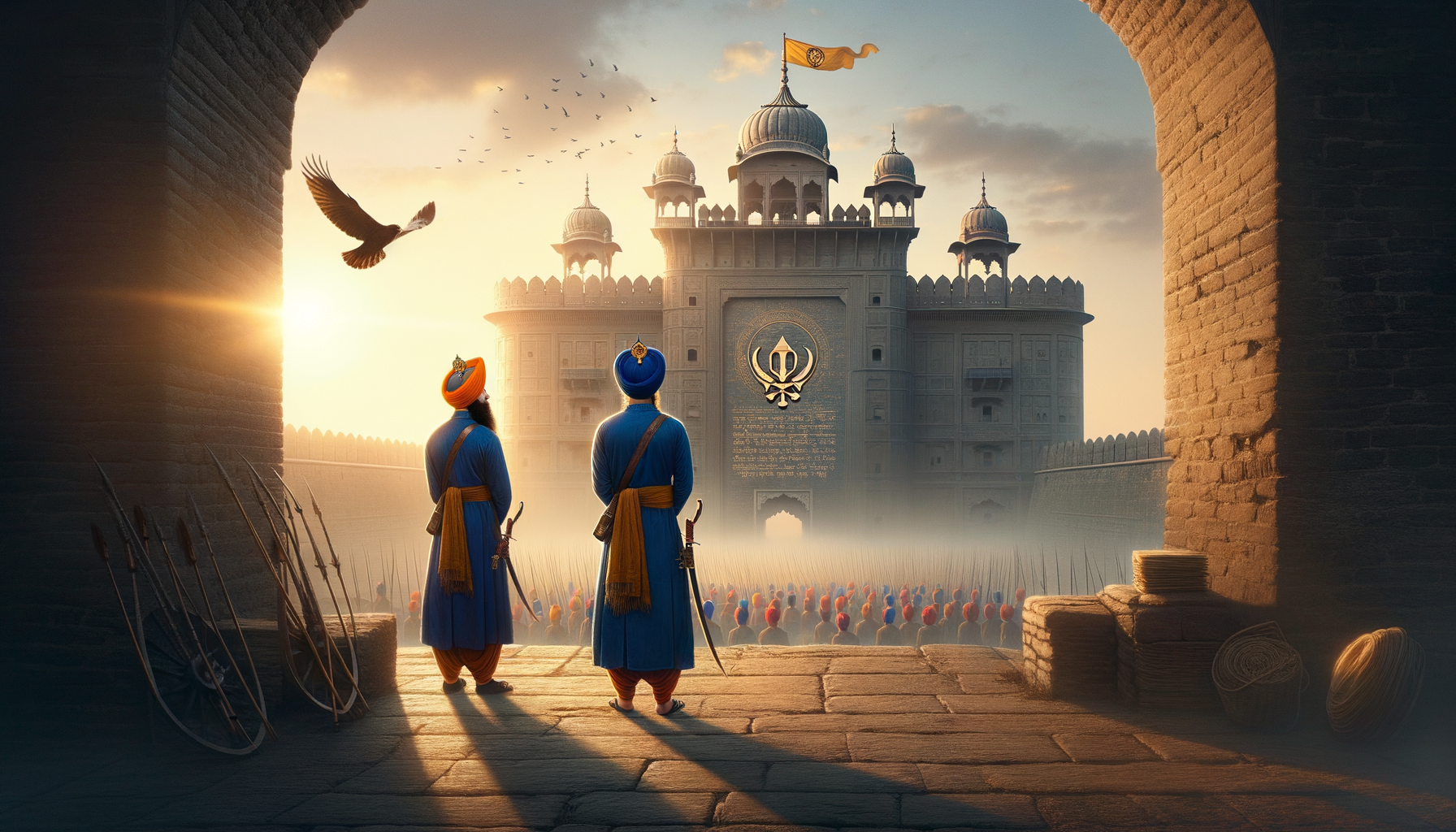
Saka Chamkaur illuminates the exemplary courage and martyrdom of the Vadde Sahibzaade—Baba Ajit Singh and Baba Jujhar Singh—within the living heritage of Sikh history. Set against the evacuation from Anandpur Sahib, the episode reveals disciplined leadership, ethical clarity, and spiritual conviction under overwhelming odds. The narrative resonates across dharmic traditions by highlighting shared values of…
-
Honoring Guru Tegh Bahadur’s 350th Shaheedi: Courage, Gurbani in Action, and Religious Freedom

The 350th Shaheedi of Guru Tegh Bahadur Sahib Ji invites communities to honor a historic stand for freedom of conscience by living Gurbani through collective reflection and compassionate action. This piece outlines how remembrance can move beyond ceremony into seva—through sangat-led dialogues, interfaith collaboration, and ethical education. It highlights shared dharmic values across Sikhism, Hinduism,…
-
Baba Atal Rai, Son of Guru Hargobind: A Radiant Legacy of Wisdom, Devotion, Compassion

Baba Atal Rai, the young son of Guru Hargobind, is celebrated for embodying wisdom, devotion, humility, and compassion in Sikh history. His legacy—memorialized by Gurdwara Baba Atal Sahib in Amritsar—offers a lasting ethical framework where compassion is guided by humility and aligned with Divine Will (hukam). Readers gain a clear, fact-based understanding of his narrative…
-
The Sikh Spectrum Unveiled at Khalsa College, Amritsar: A Landmark for Dharmic Unity

“The Sikh Spectrum” was released at Khalsa College, Amritsar, in a setting renowned for scholarship and community leadership. The book presents Sikh history and philosophy through rigorous, accessible analysis and situates Sikhism in dialogue with Hindu, Buddhist, and Jain traditions. Attendees noted both intellectual depth and an atmosphere of calm reflection, emphasizing relevance to ethical…
-
Walking the Sikh Path: How Faith and Reason Forge Inner Calm, Service, and Dharmic Unity

This reflection presents how the Sikh path unites faith and reason into a disciplined, compassionate way of life. Grounded in Ik Onkar, it shows how practices like Naam Simran, Seva, and Sangat build inner calm and social responsibility. The approach welcomes questions, aligning devotion with critical discernment and ethical conduct. It resonates with Hindu darshanas…
-
The Legendary Blue-Turbaned Lion: Sardar Sant Singh Tegh’s Timeless Legacy of Unity

The epithet “Blue-Turbaned Lion of the Mountains” captures the moral courage and protective spirit associated with Sardar Sant Singh Tegh. Remembered through the sant-sipahi ideal, his legacy blends spiritual depth with disciplined service to community. The blue turban, resonant with Sikh history, symbolizes readiness anchored in compassion rather than conquest. This narrative situates his reputation…
-
Canada’s Landmark Decision: Honoring the Sacred Swastika, Rejecting the Nazi Hakenkreuz
Canada has formally clarified the difference between the sacred Swastika and the Nazi Hakenkreuz, protecting religious freedom while reinforcing opposition to hate symbols. The step affirms the Swastika’s millennia-old meaning in Hinduism, Buddhism, and Jainism, and its broader cultural presence across South Asia, without diluting the ban on Nazi imagery. Educators, museums, and law enforcement…
-
How the Sahibzaade’s Martyrdom Ignited Two Teens’ Inner Mission and Lifelong Courage

Two teenagers discovered a practical path to courage and clarity after studying the Sahibzaade’s martyrdom in a youth workshop. The narrative of Guru Gobind Singh’s sons—set around Anandpur Sahib, Chamkaur, and Sirhind—became a framework for daily discipline. By linking seva, simran, and small vows (anuvrat) to study habits, the teens improved focus and reduced anxiety.…
-
NGAI unveils nationwide initiative to empower Gatka officials, elevate safety and fair play
The National Gatka Association of India has launched a nationwide initiative to strengthen Gatka officiating through standardized training, tiered certifications, and harmonized rulebooks. The program prioritizes athlete safety, fair play, and transparent decision-making to build trust among participants and spectators. Inclusive pathways will encourage women, youth, and regional practitioners to join, supported by multilingual resources…
-
Unseen in the Valley: Powerful Insights into Reclaiming Sikh Identity in Kashmir

Unseen in the Valley offers a nuanced, evidence-aware reading of Sikh identity in Kashmir that foregrounds memory, community practice, and cultural resilience. The book positions Sikhs as integral to the Valley’s plural history while advocating interfaith relations rooted in reciprocity. It emphasizes heritage preservation through language, ritual, seva, and education. The analysis resists polarizing frames…
-
Why Sikhs Keep Unshorn Hair: The Discipline, Honor, and Spiritual Power of Kesh in Daily Life

Kesh (unshorn hair) in Sikhism is more than appearance; it is a disciplined, ethical vow that sustains identity, humility, and spiritual remembrance in daily life. The triad—ਕੇਸ ਅਨੁਸ਼ਾਸਨ, ਆਦਰ, ਆਤਮਿਕਤਾ—captures Kesh as disciplined practice, honor for the divine design, and a practical aid to inward awareness. Rooted in the Sikh Rehat Maryada and the Five…
-
Living Sikhi with Grace: How Gurbani Shapes Daily Lifestyle, Service, and Unity

Gurbani offers a clear, practical orientation for living Sikhi with integrity and compassion. Through simran, remembrance of Naam, and alignment with hukam, daily life gains steadiness and clarity. Principles such as kirat karo, vand chhako, and seva translate spiritual insight into ethical work, sharing, and service. This approach nurtures inner peace through meditation and breath…
-
Bhai Kirpa Singh of Mattan: Courage, Devotion, and Guru Tegh Bahadur’s Legacy of Freedom

Bhai Kirpa Singh of Mattan, Kashmir, is remembered as a devoted Sikh of Guru Tegh Bahadur whose life bridged Kashmiri heritage and Sikh courage. His association with the Kashmiri Pandits’ appeal at Anandpur Sahib in 1675 highlights a landmark moment for religious freedom under Mughal rule. Guru Tegh Bahadur’s martyrdom, undertaken for universal liberty of…
-
Honouring Prof. Puran Singh: An Inspiring UC Davis Symposium and Webinar of Dharmic Unity

The Sikh Student Association of UC Davis hosted a symposium and webinar honouring Prof. Puran Singh, integrating scholarly rigor with community reflection. Sessions explored how his fusion of science and spirituality supports ethical inquiry and lived seva. Participants shared formative experiences of reading Puran Singh, noting how his insights shaped academic purpose and personal growth.…