
-
Varanasi’s Shri Ram Navami Procession Pledges Ram Rajya, Seva, and Dharmic Unity
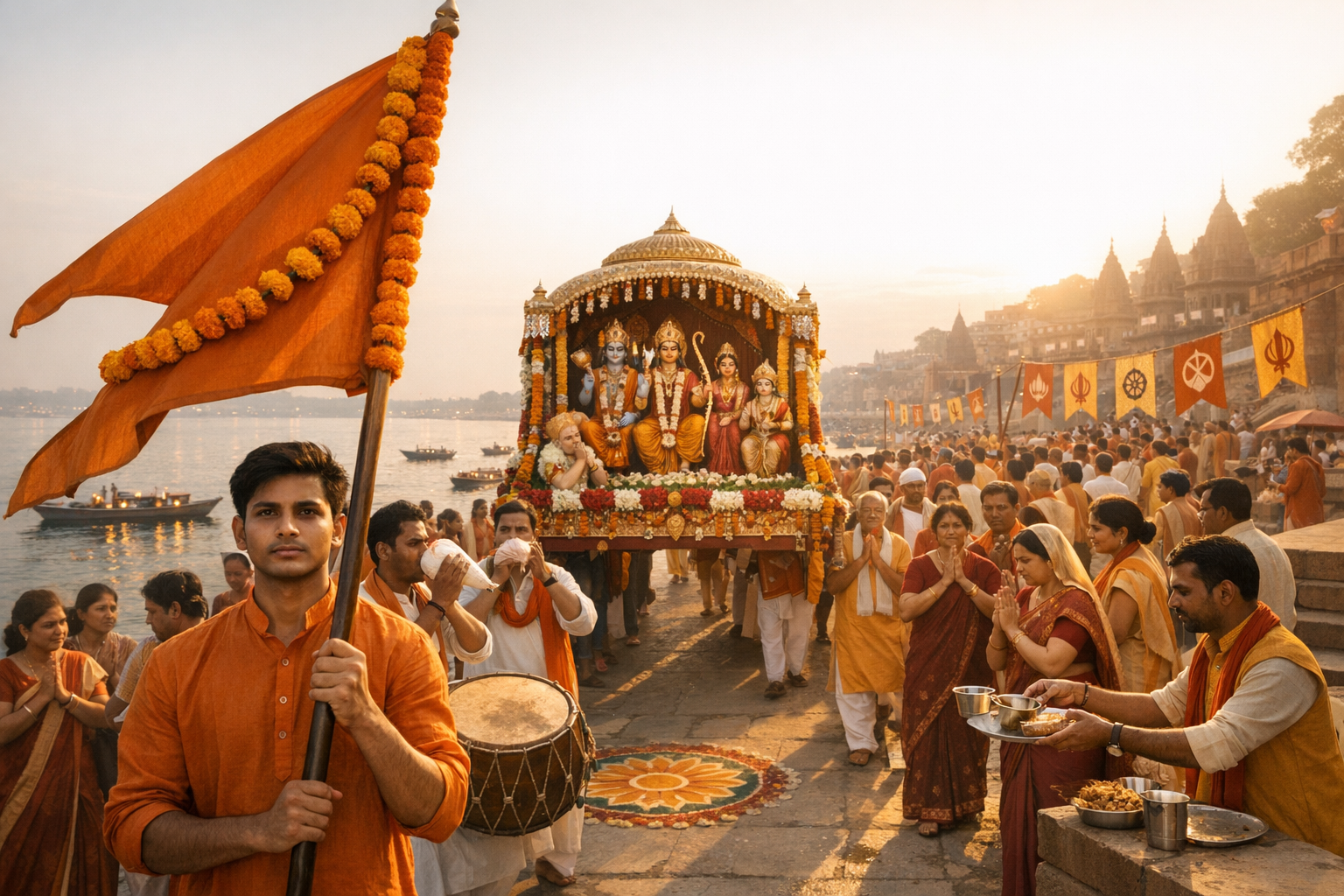
In Varanasi, hundreds of devotees marked Shri Ram Navami with a serene, well-organized procession and a collective pledge to work for Ramrajya and broad-based dharmic unity. The event framed Hindu unity as a bridge to wider solidarity with Buddhism, Jainism, and Sikhism, emphasizing shared values such as seva, nyaya, ahimsa, and sarbat da bhala. Rather…
-
From Faith to Fellowship: A Family’s Peaceful Embrace of Sanatan Dharma at Bageshwar Dham
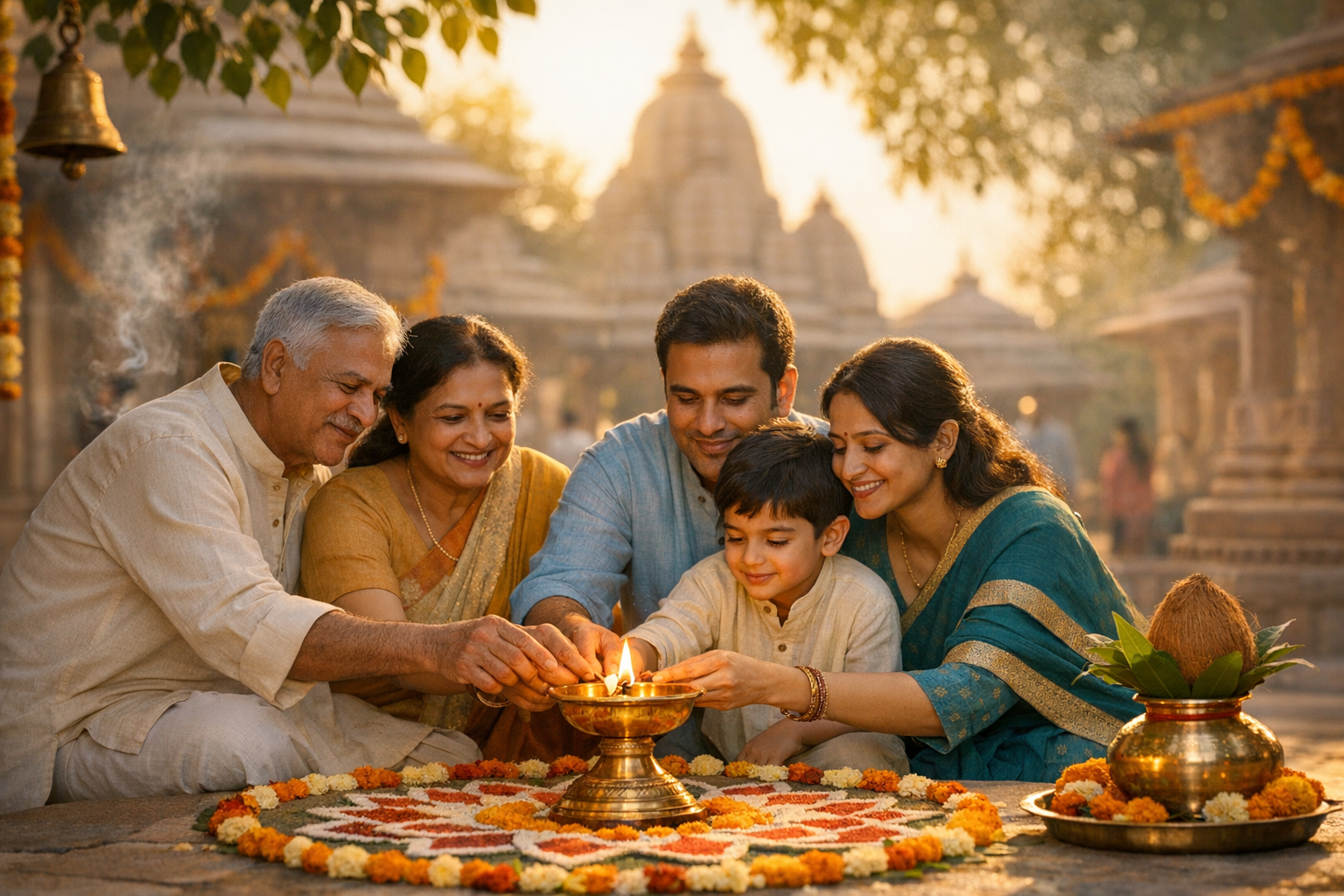
A family publicly embraced Sanatan Dharma at Bageshwar Dham in Chhatarpur, Madhya Pradesh, on April 1, 2026, with reported name changes to Arjun Singh and Priya Singh. This analysis situates the event within India’s constitutional protections for freedom of conscience while emphasizing state-level compliance requirements that guard against force, fraud, or inducement. It explains the…
-
Bhopal Turns Saffron: Bhagwa Shaurya Padyatra Unites Thousands on Hindu New Year

Bhopal’s Bhagwa Shaurya Padyatra gathered thousands of Dharmarakshaks on Chaitra Shukla Pratipada, aligning the city’s celebrations with Hindu New Year and the opening of Chaitra Navratri. Organized by the Dharmarakshak Sanghatana, the procession emphasized Sanatan valuesseva, discipline, and harmonythrough dignified conduct and well-planned civic management. The prominent Bhagwa Dhwaj and saffron aesthetics were interpreted through…
-
Chaitra Navratri 2026 in Kashmir: Sacred Navreh Traditions, Dates, and Time‑Honored Rituals
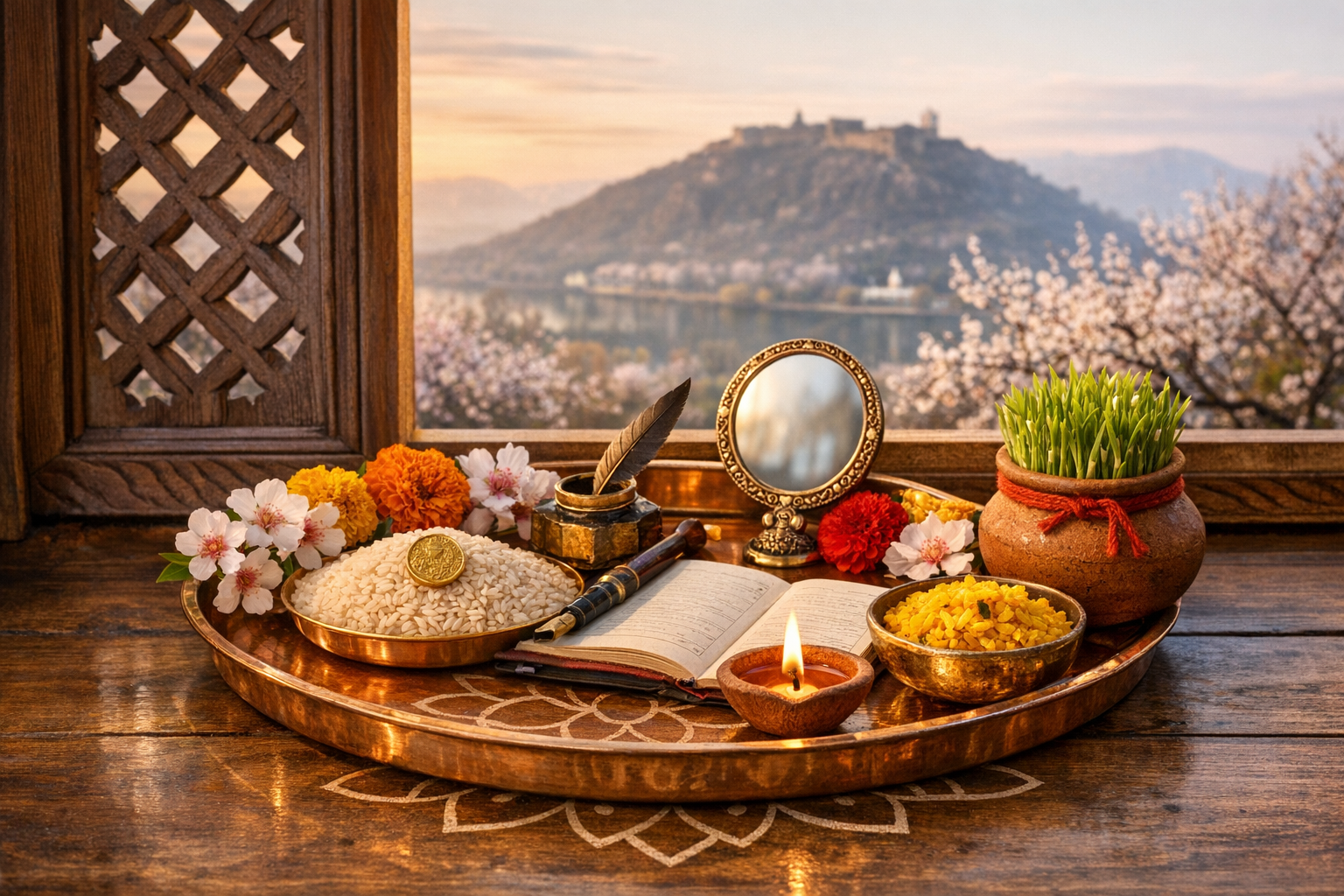
Chaitra Navratri 2026 in Kashmir runs from March 19 to March 27 and opens with Navreh, the Kashmiri Pandit New Year on Chaitra Shukla Pratipada. The festival blends precise Hindu calendar observances with living cultural traditions such as the Navreh thaal and darshan at Sharika Bhagwati on Hari Parbat. Daily worship honors the Navadurga in…
-
10,000 Unite in Solapur: A Peaceful Dharma Pledge for Dharmic Unity and Civic Renewal
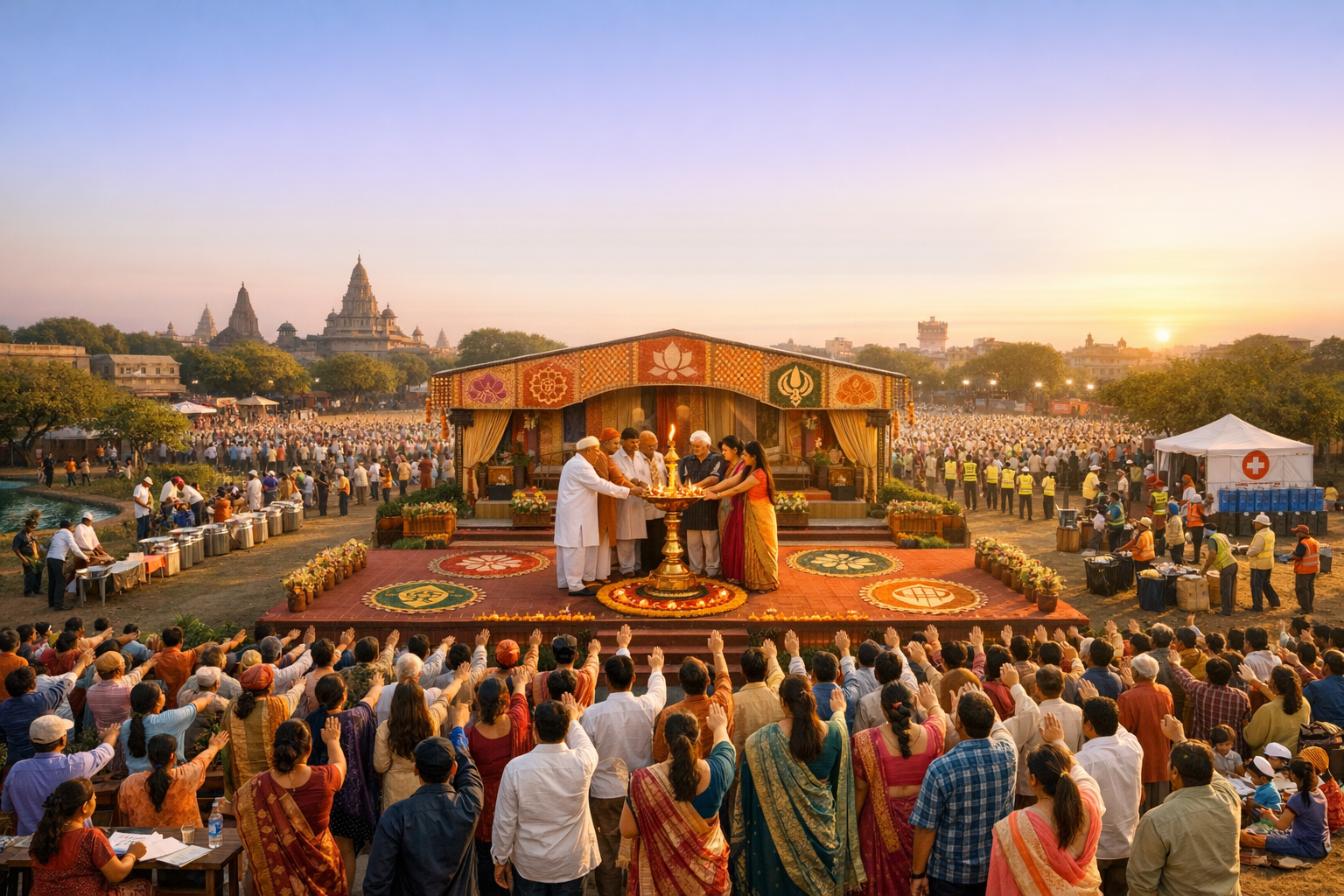
Over 10,000 participants convened in Solapur for the Hindu Rashtra-Jagruti Sabha to pledge protection of Dharma through peaceful, lawful, and service-led action. The gathering’s core message aligns with constitutional freedoms of expression and religion while emphasizing non-violence and civic responsibility. Its ethical vocabulary resonates across dharmic traditionsHinduism, Buddhism, Jainism, and Sikhismcreating common ground without erasing…
-
Not So Salient: Exposing Caste Stereotypes and Defending Hindu American Civil Rights
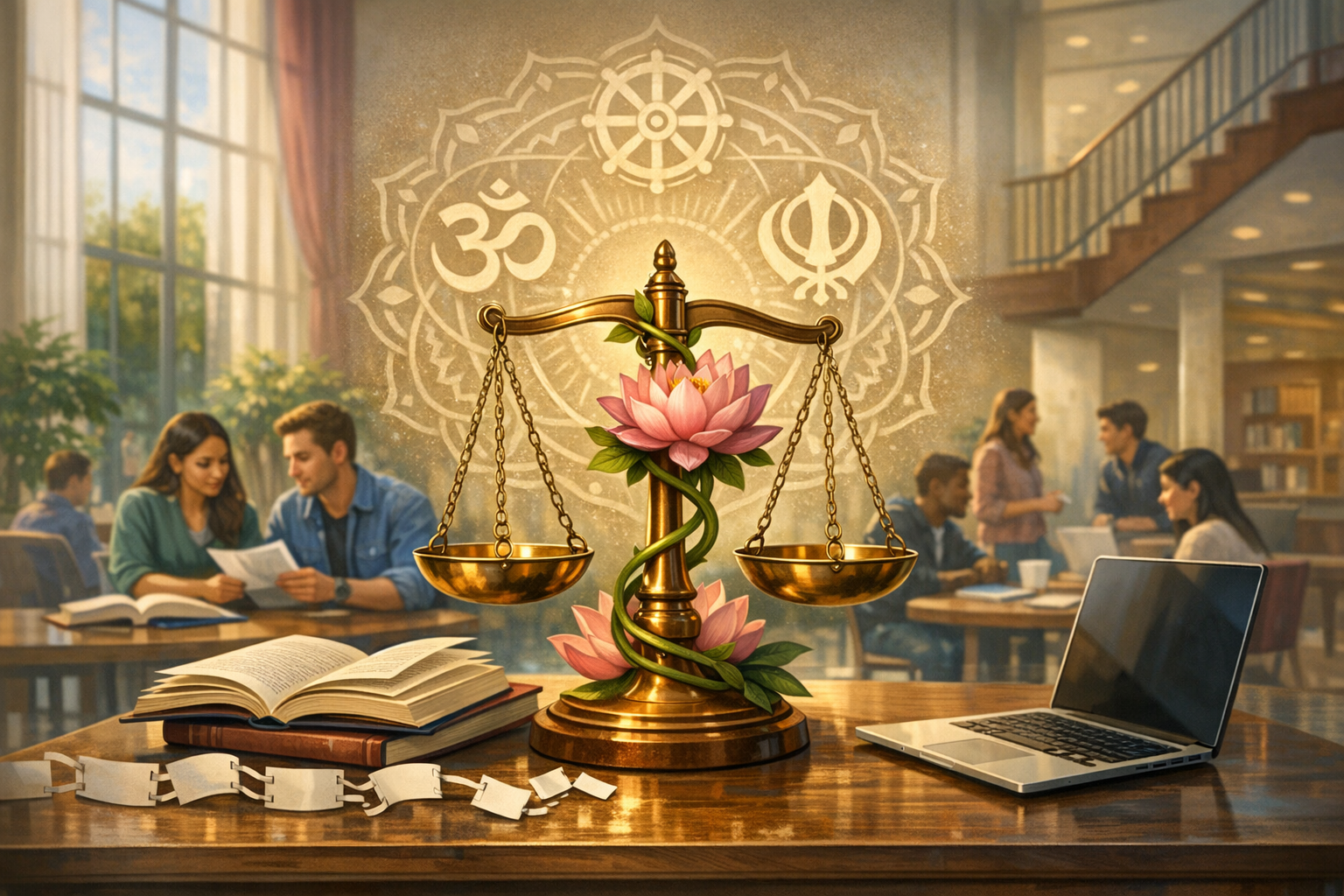
Harvard’s “The Brahminist Veto” casts Hindu Americans as a theocratic fringe, but the evidence points elsewhere: routine civic advocacy, due process in high-profile investigations, and a consistent demand for equal respect in academic settings. The record shows that caricatures of Hindu theologythrough misreadings of texts like Manusmriti and the Purusha Suktaignore scholarly consensus and historical…
-
Global Dharma Catalyst: Dharma Endowment Fund’s 2026 Grants for Hindu Unity and Education
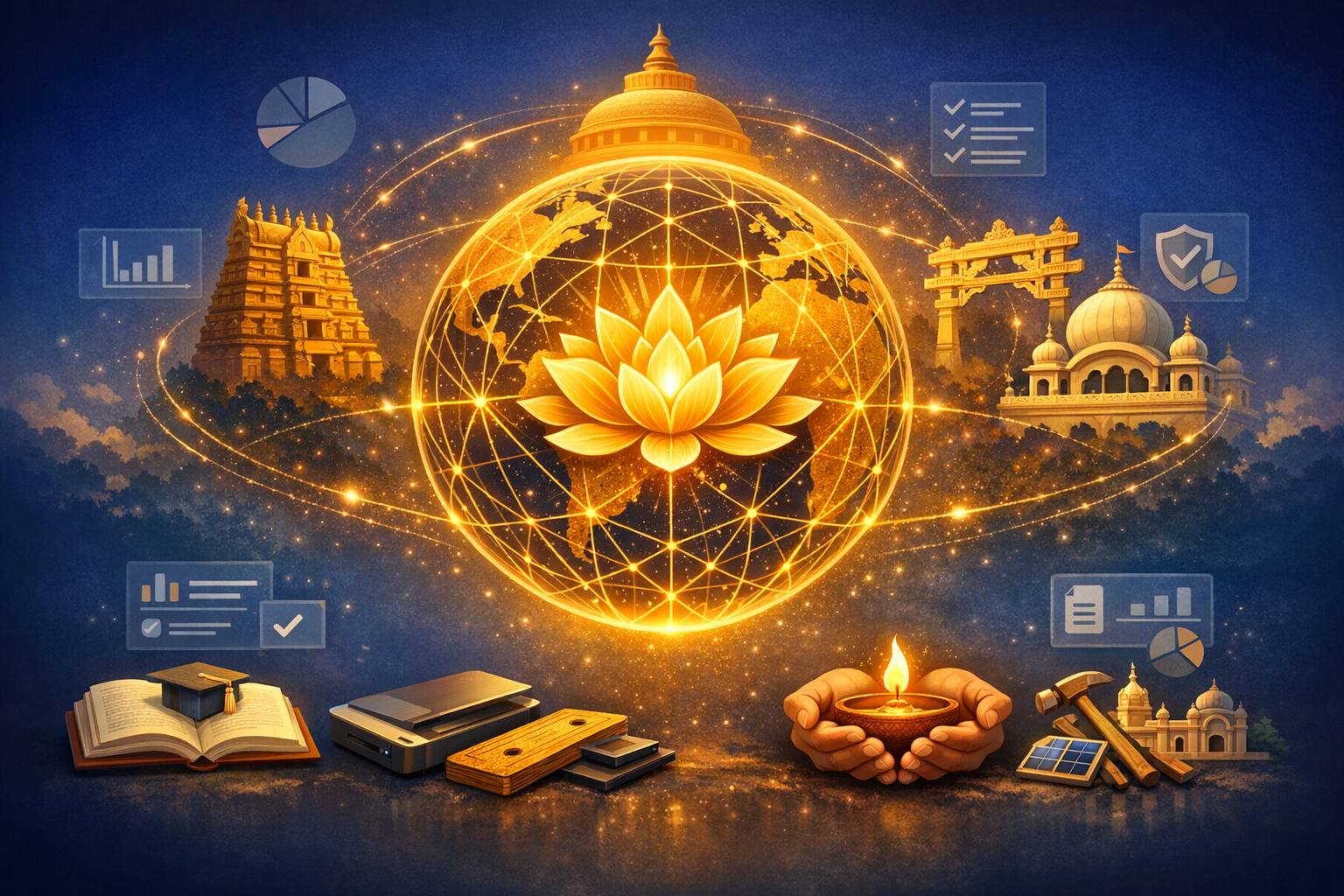
HENB reported from New Delhi on March 12, 2026, that the Dharma Endowment Fund launched a 2026 Grants Programme to support Hindu initiatives worldwide. The programme addresses persistent funding gaps while promoting Hindu unity, education, and heritage within the broader Sanatan Dharma ethos. In line with dharmic pluralism, it encourages inter-dharmic collaboration with Buddhism, Jainism,…
-
Jagath Samhara Moorthy: How Shiva’s Cosmic Dissolution Fuels Renewal and Liberation

Jagath Samhara MoorthyShiva as the cosmic dissolverexpresses a lawlike rhythm in Hindu cosmology where endings prepare the ground for renewal. Drawing on the Puranas, Upanishads, and Shaiva philosophy, the article clarifies how samhara operates within the five divine acts: creation, maintenance, dissolution, concealment, and grace. It explains the four types of pralaya and situates them…
-
Chaitra Masam Unveiled: Sacred New Year Significance, Comprehensive Puja Guide, and Spring Festivals

Chaitra Masam marks the Hindu New Year in many regions and is revered as the day of cosmic creation, aligning households with an auspicious cycle of renewal. This long-form guide explains the calendrical science behind Chaitra, including tithi-based computation, amanta and purnimanta month systems, and the Indian National Calendar’s Śaka Samvat. It maps the rich…
-
Virat Hindu Sammelan in Saharanpur: HJS joins a powerful unifying call to safeguard Sanatan Dharma
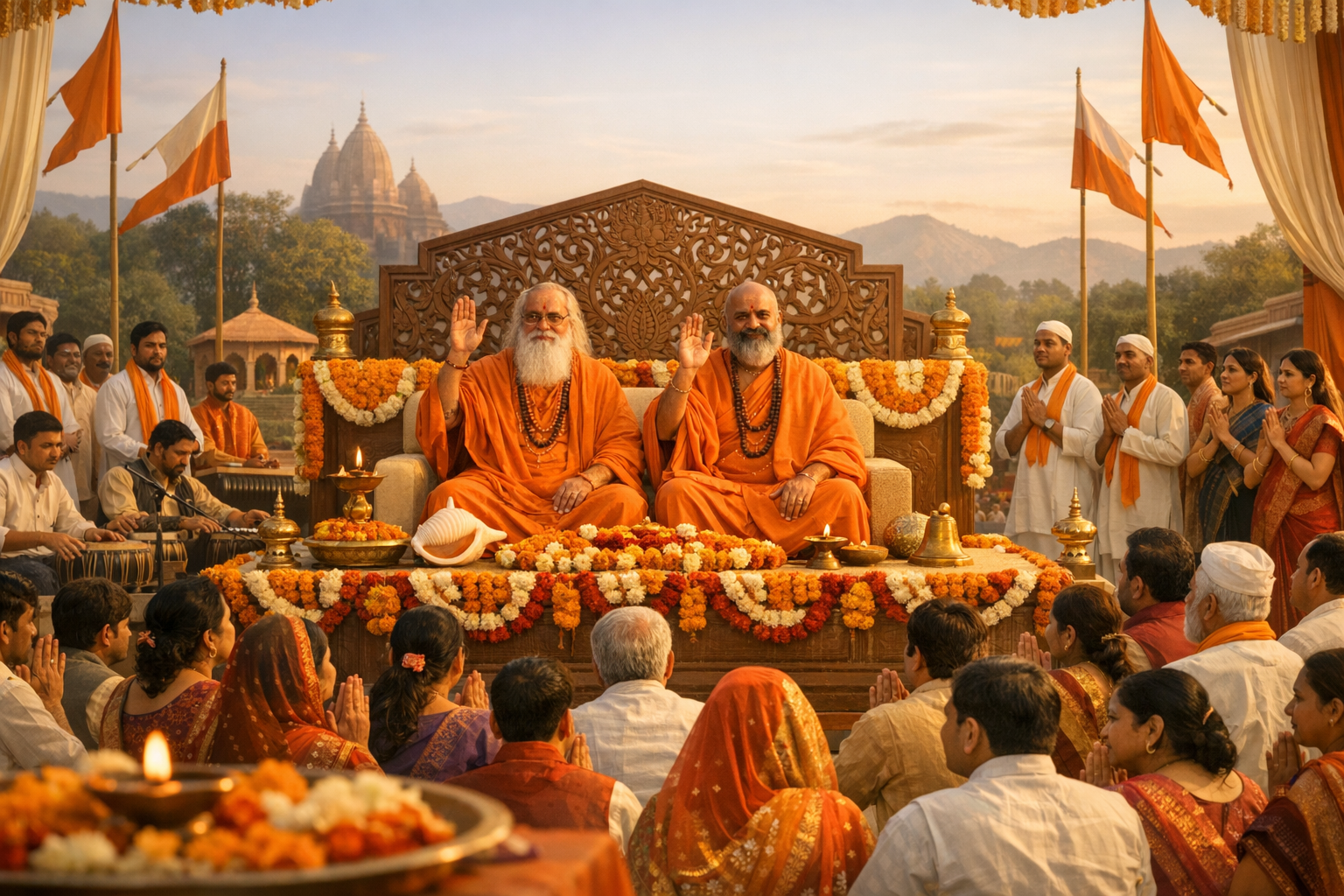
The Virat Hindu Sammelan in Saharanpur convened a diverse gathering to pledge the protection and promotion of Sanatan culture, with the presence of Pujya Swami Raghavendra and Sadguru Dr. Charudatta Pingale and the participation of Hindu Janajagruti Samiti (HJS). Framed as a civilizational forum, the event highlighted Hindu unity while articulating valuesahimsa, satya, sevathat resonate…
-
Wrath to Wisdom: Parashurama and Rama’s Timeless Ethics for Power, Justice, and Dharma

This long-form analysis interprets Parashurama and Rama as complementary modalities of Dharma: emergency correction and constitutional restraint. Drawing on the Ramayana, Puranas, and classical ideas of Dharma-Yuddha, it shows how the “axe” symbolizes decisive action against entrenched injustice while the “arrow” symbolizes calibrated governance under maryada. Readers gain a practical framework for leadershipwhen to act…
-
Shankhnad Mahotsav grant: constitutional tests, political critique, and dharmic unity

A ₹63 lakh Union grant to the Sanatan Rashtra Shankhnad Mahotsav sparked charges of unconstitutionality and hate speech risks. This analysis clarifies the constitutional position under Articles 14, 25–27, and 282, explains Indian hate speech jurisprudence, and sets out administrative safeguards under the General Financial Rules. Readers gain a standards-based checklist to assess whether cultural…
-
Baishakhi Sankranti at Kshirgram: The Sacred Awakening of Maa Jogadya and New Beginnings

Baishakhi Sankranti at Kshirgram Maa Jogadya Temple marks the Sun’s entry into Mesha (Aries) and the start of Baishakh, aligning with the Bengali New Year. The festival’s centerpiece is a solemn yet celebratory divine awakening of Maa Jogadya that symbolizes renewal, ethical intention, and harmony with seasonal cycles. Visitors encounter an immersive atmosphere of conch…
-
Pastor’s Claim Sparks Interfaith Dialogue: Was ‘Jesus’ Taken from Sanatan Dharma by the British Raj?

A viral video of a pastor claiming that “Jesus belongs to Sanatana Dharma” has sparked debate on colonial history, religious identity, and cultural memory. This analysis situates the claim as rhetorical critique rather than literal history, acknowledging documented British colonial extraction while cautioning against conflating it with theological ownership. It highlights dharmic pluralism and India’s…
-
Mandir Mahasangh Backs Temple Entry Guidelines, Urges Unity Across Dharmic Paths
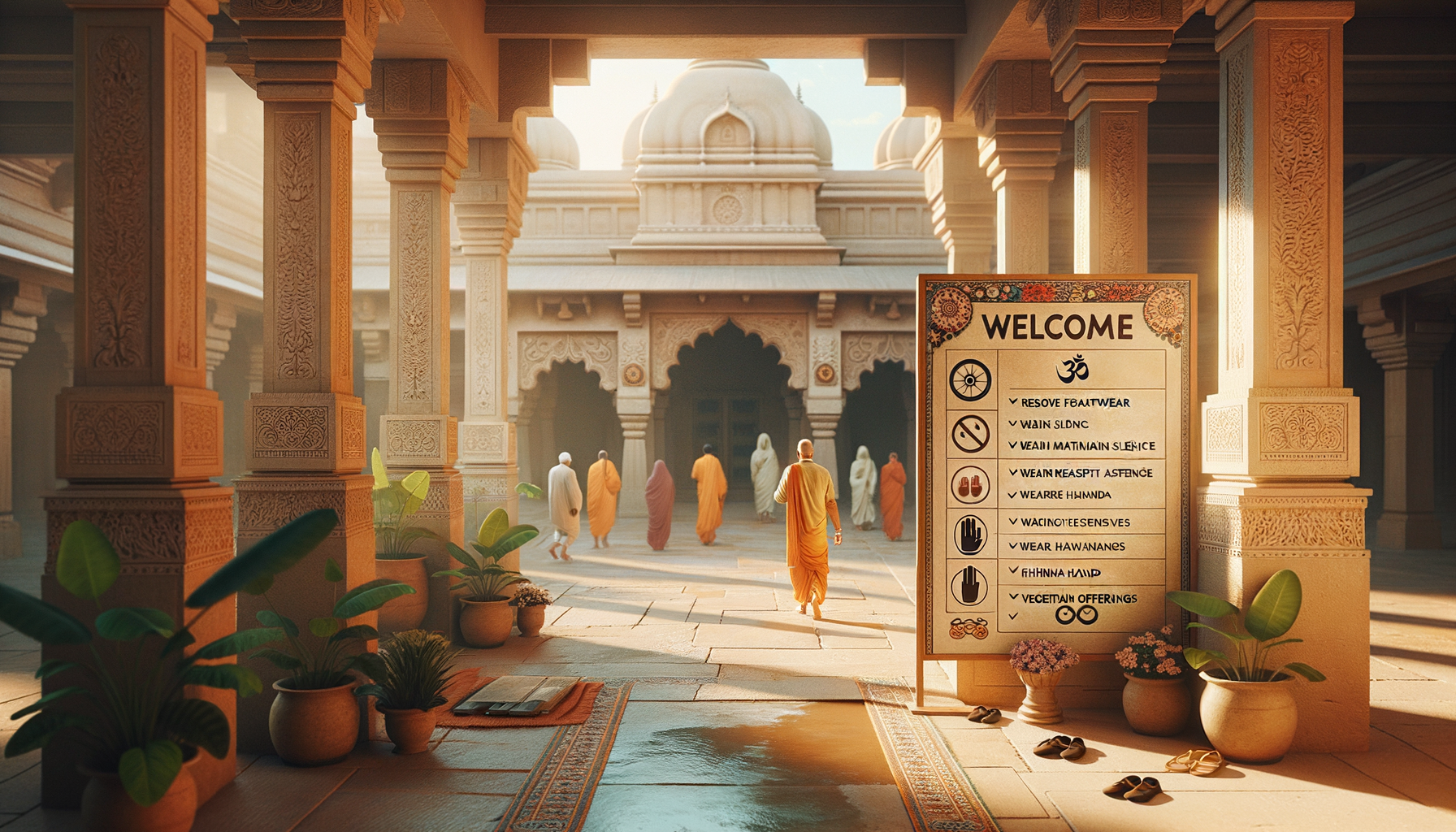
Mandir Mahasangh endorsed the stance of Ujjain’s saints and Hindu organisations on temple entry norms through a unanimous resolution at a national workshop in Ponda, Goa. The focus is on safeguarding sanctity while welcoming diverse devotees through clear, compassionate guidelines. The approach emphasizes education, respectful adherence to temple-specific customs, and dialogue over division. By aligning…
-
HJS Catalyzes Citywide Dharmashikshan in Ajmer: Inspiring Unity and Spiritual Learning

Ajmer hosted a citywide network of Dharmashikshan programmes after the Sanatan Rashtra Shankhnad Mahotsav, with HJS participating alongside local communities. The initiatives combined meetings of intellectuals, structured spiritual guidance sessions, and accessible study circles to connect traditional teachings with contemporary civic needs. Emphasis on shared dharmic valuescompassion, non-violence, and self-disciplinesupported inclusive engagement across Hinduism, Buddhism,…
-
Ratha Saptami and Arka Patra: Timeless Symbolism, Vedic Health Wisdom, and Surya’s Grace

Ratha Saptami Vrata honors Surya Bhagavan as Arogya Devatha, aligning devotees with the sun’s healing and clarifying power. The offering of Arka Patra (Calotropis leaves) symbolizes resilience, purification, and the transformative heat of tapas, linking ritual meaning with Vedic and Ayurvedic insight. Sunrise practicessuch as sapta Arka patra snana, arghya, Aditya Hridayam, and Surya Namaskarareinforce…
-
Historic Unity: Four Shankaracharyas to Grace Delhi’s ‘Gau Mata Rashtra Mata’ Summit After 19 Years
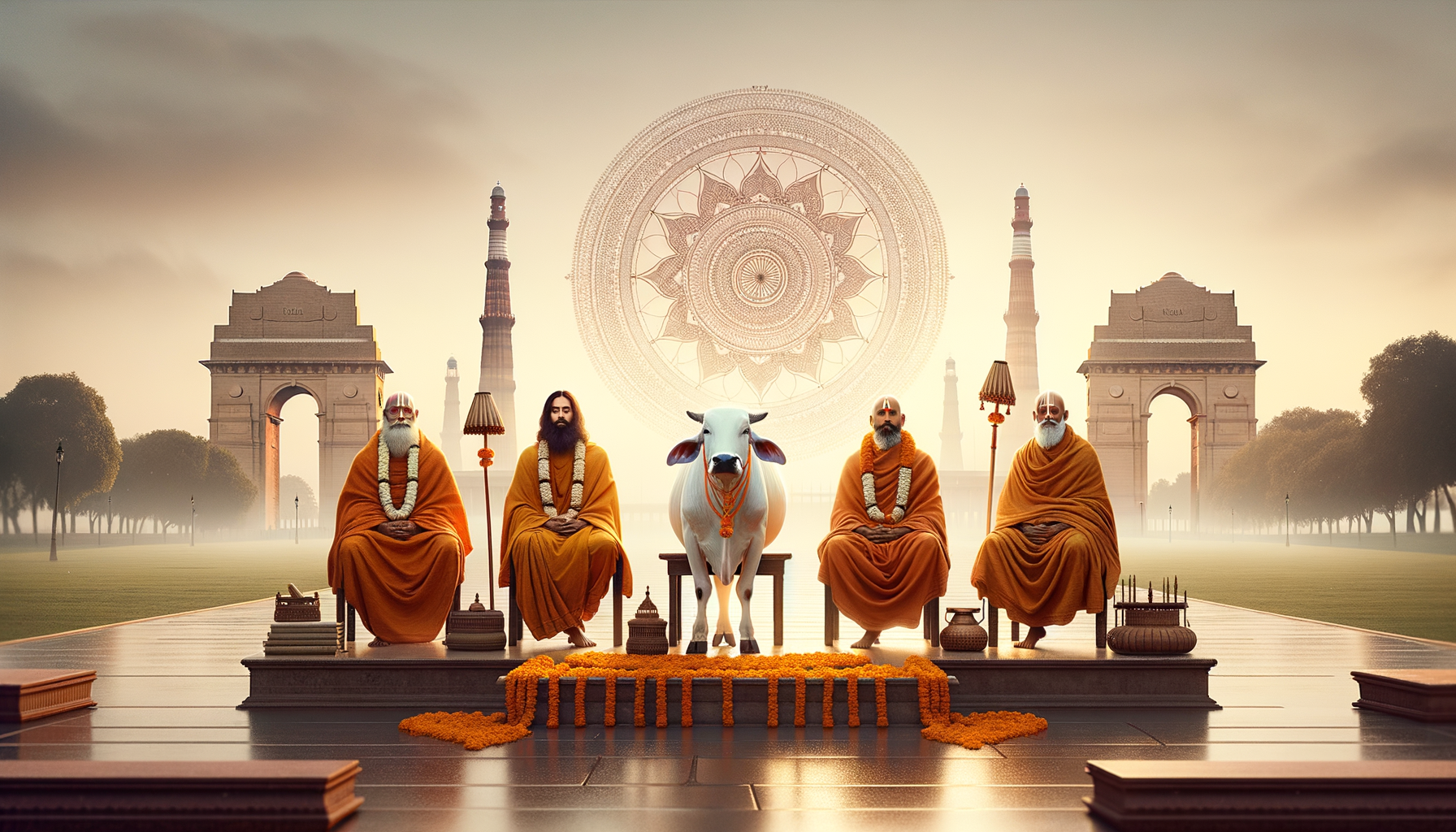
A landmark Delhi Gau Raksha event under the theme “Gau Mata Rashtra Mata” is set to bring four Shankaracharyas to a single platform after 19 years, signaling rare unity and guidance within Sanatan Dharma. The conference emphasizes ethical cow protection, ecological balance, and community welfare, framing Gau Raksha through compassion (karuna), non-violence (ahimsa), and seva.…
-
Wealth of the Heart: Hinduism’s Abundance Through Simplicity, Devotion, and Dharma

Hinduism redefines wealth as an inner abundance nurtured by love, devotion, and dharma rather than by material accumulation. Across dharmic traditions, simplicity and servicebhakti, dana, aparigraha, and sevacreate shared dignity and social cohesion. The Bhagavad Gita and the Upanishads frame purposeful action and mindful restraint as pathways to enduring fulfillment. Everyday experiences like bhajan, langar,…
-
Santan Gopal Stotra (संतान गोपाल स्तोत्र): Hope, Santan Prapti, and Prosperity Through Japa Vidhi

Santan Gopal Stotra (संतान गोपाल स्तोत्र) is revered for its association with santan prapti and holistic well-being through Santan Gopal Stotra Japa Vidhi. The practice centers on devotion to Shri Krishna as Gopāla, guided by faith, discipline, and a clear sankalpa. Many devotees report renewed hope, calm, and strengthened family harmony through sustained chanting. Traditions…