
-
Bharuch conversion case: Gujarat High Court’s decisive ruling on discharge, rights, and harmony

In April 2026, the Gujarat High Court declined discharge pleas in the Bharuch conversion case, allowing prosecution to proceed while expressly not determining guilt. The ruling reflects settled criminal procedure: at discharge, courts look for a prima facie case or strong suspicion, not proof beyond reasonable doubt. The case sits at the intersection of anti-conversion…
-
Hyderabad Cancels Naseef Akhtar Show After Dharma Complaints: Law, Ethics, and the Way Forward

Authorities in Hyderabad cancelled comedian Naseef Akhtar’s show following complaints that certain remarks were disrespectful to Dharma and culture. This analysis explains how India’s constitutional framework (Article 19) and penal provisions (including Section 295A IPC) shape such decisions while courts insist on a proximate threat standard. It outlines practical steps artists, organizers, and authorities in…
-
Ram Navami Clashes, Nitesh Rane’s ‘Equal Rules’ Call, and a Blueprint for Harmony
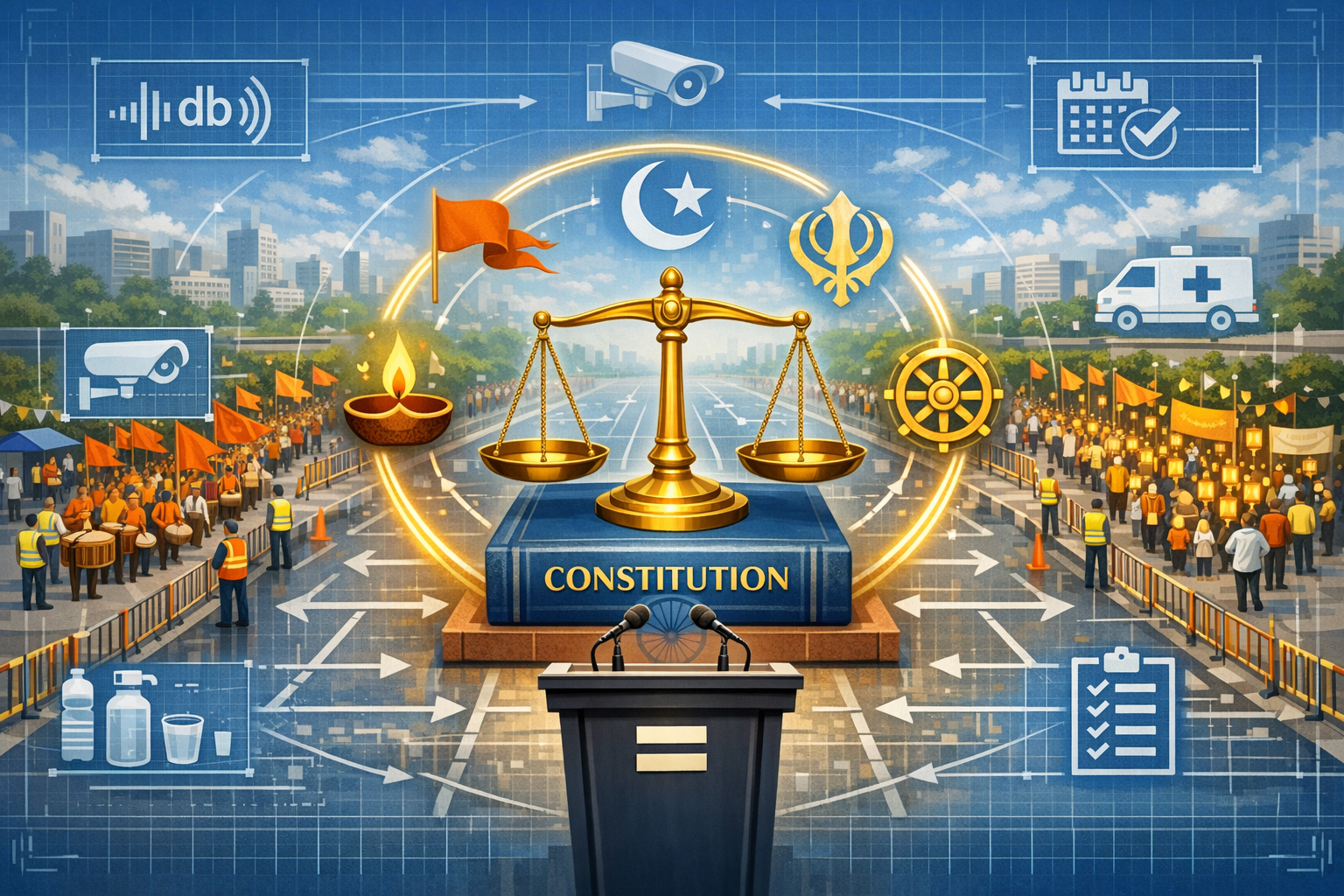
A heated exchange around Ram Navami 2026 and Nitesh Rane’s call for “equal rules” across festivals highlights a core civic challenge: protecting religious freedom while ensuring public order. This analysis maps the constitutional framework (Articles 14 and 25–28), explains content-neutral, time–place–manner regulation, and outlines how parity looks in real operations. It details actionable stepssingle-window permissions,…
-
Controversial Claims on Shri Ram and Shri Krishna: Evidence-Based Review and Dharmic Unity

A viral controversy over alleged disparaging remarks about Shri Ram and Shri Krishna has spotlighted the need for evidence-based reading of Hindu scriptures. This analysis explains how to verify claims using critical editions, Sanskrit philology, and respected commentaries. It clarifies commonly misread episodes from the Ramayana, Bhagavad Gita, and Bhagavata Purana without inflaming tensions. Readers…
-
Agra on Alert: Suspected Bovine Remains Spark Protests as Police Fortify Security, Appeals for Calm
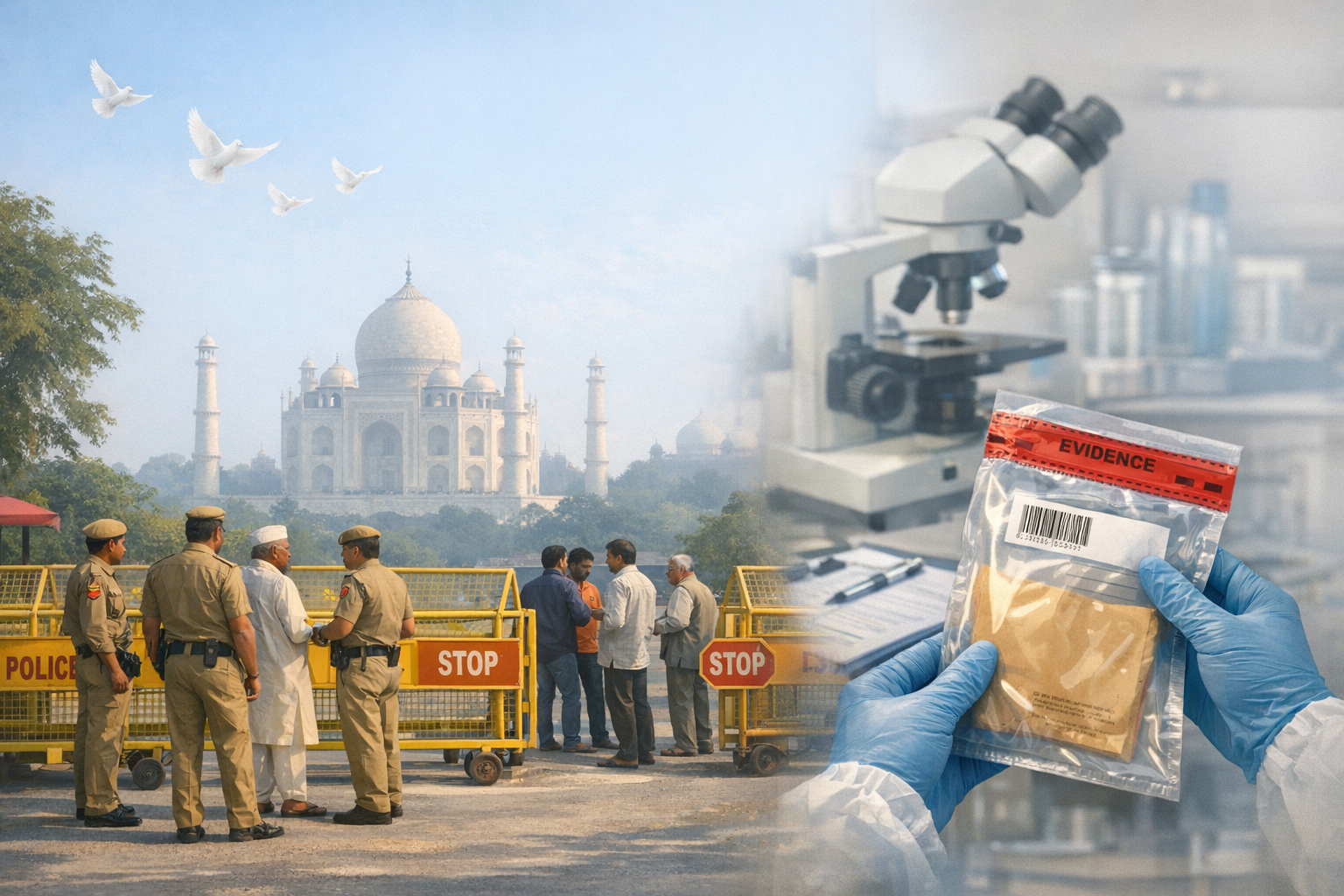
Agra entered a period of heightened alert in March 2026 after suspected bovine remains were discovered, prompting protests and increased police deployment. This analysis explains what is known, what requires forensic confirmation, and why waiting for laboratory results is crucial. It outlines how species identification workshistology, DNA barcoding, and immunoassaysand why chain of custody and…
-
From Viral Backlash to Bridge‑Building: Holi at a US Preschool, Facts, Law, and Unity

A preschool Holi celebration in the United States sparked a viral debate framed as “Hindutva replacement,” obscuring what was fundamentally a neutral, child‑centered cultural lesson. This analysis separates culture from ideology, explains how US constitutional law permits teaching about religion while barring religious exercise, and maps practical steps schools can take to remain inclusive and…
-
Safeguarding Sacred Symbols: HJS Spurs Withdrawal of Offensive Shiva–Ganesh Ad, Full Apology

An offensive Mahashivratri advertisement involving Lord Shiva and Shri Ganesh was swiftly withdrawn from leading Chhattisgarh newspapers after Hindu Janajagruti Samiti (HJS) intervened, prompting an unconditional written apology from Shri Ganesha Global Gulal Pvt Ltd. This outcome illustrates how timely civil society engagement and clear corporate accountability can protect sacred symbols and restore public trust.…
-
Mahanubhav Sampradaya: 13th-Century Origins, Key Differences, and Transformative Teachings

This introduction to the Mahanubhav Sampradaya situates the tradition in 13th-century Maharashtra and the wider Bhakti movement, highlighting Shri Chakradhar Swami’s role and the veneration of five gurus. Readers gain a clear overview of its important teachingsBhakti, ethical discipline, simplicity, and inclusivityand how these shape daily practice. The article clarifies key differences from other Bhakti…
-
No Newspapers in Hell? A Sheffield Parable on Context, Culture, and Compassionate Dialogue

A classic Sheffield anecdote often retold by Srila Prabhupada demonstrates how spiritual messages resonate only when they meet people where they are. The coal miners were unmoved by descriptions of hell as dark and damp, because that mirrored their daily work; the threat of “no newspapers,” however, struck home. The story models context-aware, culturally sensitive…
-
Andhra Pradesh Orders Probe into Alleged Forced Circumcision, Pledges Consent and Harmony

The Andhra Pradesh government has ordered an investigation into allegations of non-consensual circumcision of non-Muslims, following a representation reportedly made by former CBI Director M Nageswar Rao. The case engages core principles of bodily autonomy, informed consent, and medical ethics, requiring a transparent, evidence-based, and time-bound probe. By relying on constitutional protections and due process,…
-
Allahabad HC declares ‘Sar Tan Se Juda’ an offence against the State, reinforcing unity and rule of law

The Allahabad High Court ruled that the slogan ‘Sar Tan Se Juda’ is an offence against the State because it challenges India’s sovereignty and incites armed rebellion. The decision clarifies the constitutional limits of free speech by distinguishing lawful dissent from explicit advocacy of violence. It offers actionable guidance for police, prosecutors, and lower courts…
-
Kerala Police Book Trio Over Ayyappa Parody: Balancing Free Expression, Faith, and Harmony

Kerala Police opened a case in Thiruvananthapuram on December 18, 2025, over a digitally shared Ayyappa parody song alleged to hurt religious sentiments. The action, coinciding with the Sabarimala pilgrimage season, underscores the sensitivity of sacred symbols and practices. The case highlights the legal balance between freedom of expression and the protection of faith under…
-
From Disposable Bonds to Enduring Freedom: Dharmic Wisdom for Modern Relationships
Modern society’s disposable culture often extends to human bonds, eroding trust and meaning. Drawing on dharmic wisdom, this reflection explores how Hindu principlesdharma, viveka, vairagya, ahimsa, and aparigrahacan restore depth to relationships without endorsing indifference. It highlights convergences across Buddhism (anicca, karuṇā), Jainism (aparigraha, ahimsa), and Sikhism (seva, sarbat da bhala) to model unity in…
-
Break Free from Social and Religious Guilt: Dharmic Wisdom for Calm, Authentic Living

This article examines how Dharmic wisdom helps individuals release social and religious guilt without rejecting tradition. It explains how context-sensitive dharma and intention (bhava) guide ethical choices more reliably than fear-driven conformity. Drawing on Hinduism, Buddhism, Jainism, and Sikhism, it highlights inclusive practices such as karma yoga, mindfulness, pratikraman, ahimsa, ardas, and seva. Readers learn…
-
Beyond Blame: Reframing the Rushdie Debate, Hinduphobia Narratives, and Dharmic Unity

This analysis situates the Salman Rushdie controversy within a broader debate on Hinduphobia, political polarization, and ethical discourse. It contextualizes Rushdie’s history of persecution while assessing claims that his recent remarks target Hindus and Prime Minister Narendra Modi. The piece cautions against collective blame and essentializing communities, urging evidence-based critique over vilification. It clarifies Dharma-Yuddha…
-
From Discord to Dialogue: Hindu Wisdom to Prevent Animosity and Heal Modern Divides

Modern public debate often slips from critique into personal animosity. Dharmic teachings offer a corrective: examine ideas rigorously while honoring the dignity of persons. Hindu philosophy’s commitment to Ahimsa and the Bhagavad Gita’s portrait of equanimity encourage clarity without cruelty. Jainism’s Anekantavada reframes disagreement as a many-sided search for truth. Buddhist Right Speech and Sikh…
-
Ancient Hinduism on Conversion: Inclusive Paths, Organic Belonging, and Dharmic Unity

Ancient Hindu society did not rely on a single, formal rite of conversion. Instead, belonging developed organically through practice, ethics, and community participation. Outsiders who resonated with Hindu thought were welcomed via temples, festivals, and guilds, reflecting a civilizational commitment to religious pluralism. Textual references such as Vratya-stoma and Mlēccita-śuddhih emphasize social restoration rather than…
-
You Are Already That: Effortless Realization of Infinite Pure ConsciousnessA Dharmic Perspective

This article clarifies a core Vedantic insight: infinite pure consciousness is not something to attain but to recognize. It explains how Hindu philosophy, especially Advaita Vedanta and the Upanishads, frames self-realization as effortless recognition rather than forced achievement. It highlights convergences with Buddhism, Jainism, and Sikhism, reinforcing unity in spiritual diversity. Practical guidance shows how…
-
Hawaii ISKCON Raid: How Calm Devotion Transformed a Police Standoff into Mutual Respect
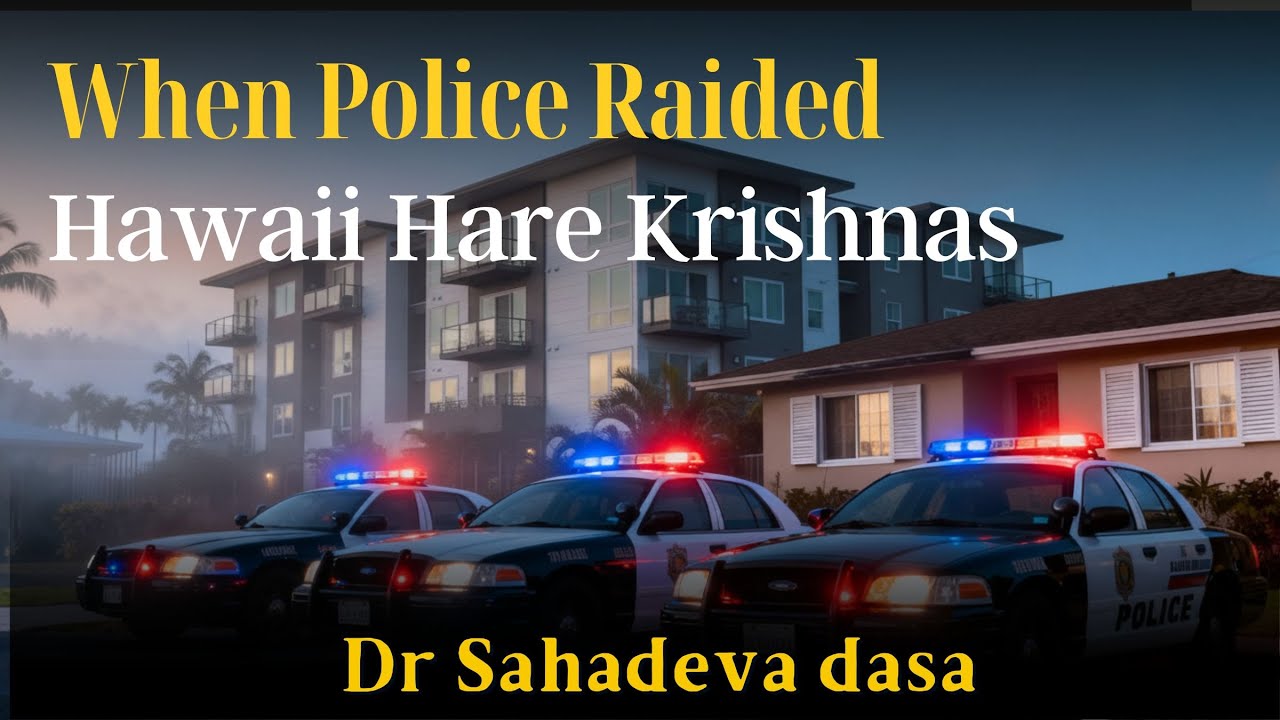
A true incident from Hawaii recounts a police raid on a Hare Krishna center that unfolded with unexpected calm. Devotees responded with composure, respectful communication, and steady spiritual practice, enabling a shift from tension to dialogue. The episode, narrated by Dr. Sahadeva Dasa, illustrates how bhakti principlesahimsa, satya, and sevaserve as practical tools for de-escalation.…
-
Tirumala Hill Case: Non-Hindu Symbol Triggers Probe and Renewed Focus on Pilgrim Harmony

Local authorities at Tirumala registered a case after a vehicle displayed a non-Hindu symbol in the protected pilgrimage zone, underscoring standard enforcement of TTD’s site-specific code of conduct. The response illustrates how sacred-site regulations work alongside India’s constitutional commitment to religious freedom and pluralism. A due-process approach emphasizes fact-finding over assumption, encouraging calm, verified discourse.…