
-
Exposing a Pattern of Hate: Pieter Friedrich’s Rhetoric Against Hindus and Dharmic Pluralism
Public records reveal a consistent pattern in Pieter Friedrich’s rhetoric: delegitimizing Hindu American civic participation, invoking dual-loyalty tropes, and normalizing bigotry against multiple minorities. This analysis consolidates documented episodesfrom chants targeting US Congressman Raja Krishnamoorthi to archived antisemitic and anti-LGBTQ writingsso civic leaders and the public can evaluate his claims with care. It examines his…
-
Punjab’s Changing Faith Landscape: Dialogue, Due Process, and Unity over Division
A recent call by the Punjab Bachao Andolan to address alleged conversion activities has reignited debate in Punjab about religious freedom, ethical outreach, and community cohesion. This analysis outlines a balanced, law-based path that protects voluntary faith choice while addressing concerns over coercion or inducement. It recommends evidence-driven inquiry, transparent safeguards, and ethical engagement standards…
-
Daksha–Shiva and the Dharma Dilemma: Powerful Lessons on Order, Freedom, and Unity

The Daksha–Shiva narrative illuminates a universal dilemma: how to balance social order with individual freedom without sacrificing either. This analysis interprets Daksha as the guardian of institutional harmony and Shiva as the emblem of spiritual sovereignty, arguing that dharma requires both. Drawing parallels with Buddhism’s Middle Way, Jainism’s Anekāntavāda, and Sikh ethics, it highlights a…
-
Who Really Acts? Bhagavad-gita on Nature’s Forces, Karma, and Dharmic Freedom

Bhagavad-gita’s teaching that all beings act under the modes of material nature (Bg. 3.5; 18.40) reframes agency as skillful alignment with dharma rather than absolute autonomy. This perspective resonates with broader dharmic insights: Buddhist dependent origination, Jain karma theory, and Sikh understanding of Hukam all address conditioning and the path to freedom. Readers gain a…
-
Confronting Violent Extremism: Why Ideology, Not Poverty, Demands a Dharmic Response

Recent security investigations underscore a decisive insight: violent extremism stems from ideology more than poverty. Recognising this shifts the focus from generic economic claims to targeted, evidence-based counterterrorism. A Dharmic frameworkgrounded in ahimsa, karuṇa, anekāntavāda, and sarbat da bhalaoffers practical tools to disarm absolutist narratives without stigmatising communities. The approach prioritises critical thinking education, interfaith…
-
If Something Changes Your Life, Let It: Dharmic Wisdom to Cultivate Resilience and Grace

The reflection “If something changes your life, let it” expresses a core dharmic insight shared by Hinduism, Buddhism, Jainism, and Sikhism: change, met with discernment and non-attachment, catalyzes spiritual growth. Drawing from the Bhagavad Gita, Patanjali’s Yoga Sutra, anicca, Anekantavada, Hukam, and Chardi Kala, the post outlines a practical pathpause, breathe, discern, act ethically, reflectto…
-
When Scriptures Go Viral: How to Protect Sacred Wisdom from Digital-Age Distortions

In the digital age, sacred texts from Hinduism, Buddhism, Jainism, and Sikhism are often decontextualized and repackaged into viral slogans. This academic reflection explains how algorithmic amplification and selective translation fuel misinterpretations of the Bhagavad Gita, Upanishads, Dhammapada, Jain Agamas, and Guru Granth Sahib. Drawing on Hindu hermeneutics, Jain Anekantavada, Buddhist Right Speech, and Sikh…
-
Padma’s Sacred Power: How the Divine Lotus Unites Hindu, Buddhist, Sikh, and Jain Paths

Padma, the divine lotus, is a shared sacred symbol across Hinduism, Buddhism, Sikhism, and Jainism that embodies purity, resilience, and spiritual awakening. In Hindu practice, it serves as the seat of Mata Lakshmi Devi and is offered in puja to Lord Vishnu and Ma Lakshmi, signifying prosperity and auspiciousness. Buddhist teachings present the lotus as…
-
Vishnu Purana Stories: Timeless Tales of Devotion, Dharma, and Unity in Diversity
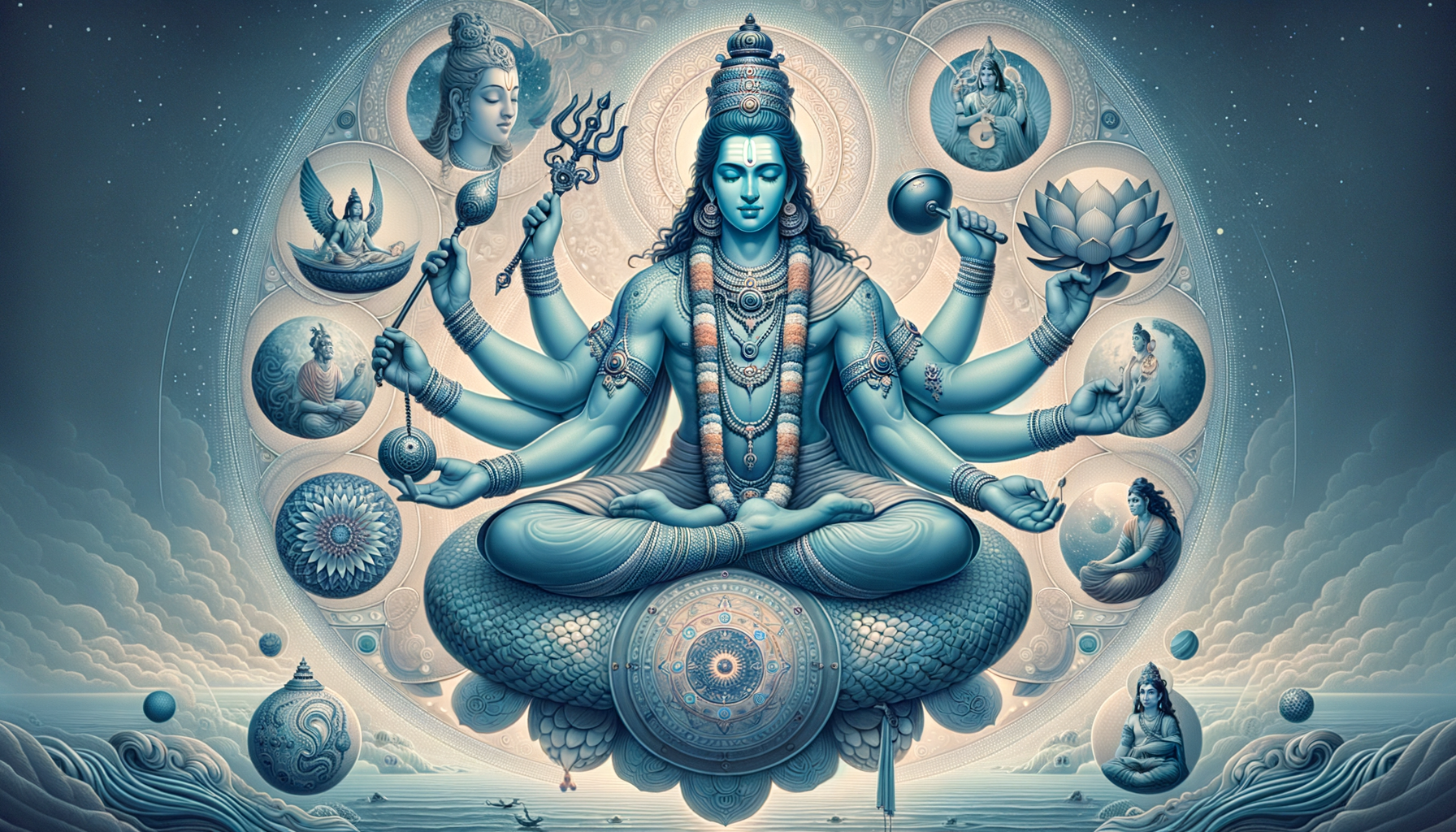
The Vishnu Puranaone of the Eighteen Mahapuranaspresents timeless stories of Lord Vishnu, his avatāras, and exemplary devotees such as Nārada, Prahlāda, Tumburu, and Dhruva. These narratives model steadfast devotion, courage, and disciplined practice while offering practical ethical guidance for daily life. Read within the broader Hindu ethos, the text honors multiple valid paths to the…
-
Why Calling One Faith Eternal Is Misguided: Dharmic Wisdom on Plurality and Peace

This essay explains why claiming one religion as exclusively eternal contradicts the dharmic commitment to humility, openness, and pluralism. It shows how Hinduism’s Ishta, Jainism’s Anekantavada, Buddhism’s upaya, and Sikhism’s Ik Onkar converge on a shared ethic of acceptance. Readers gain a clear understanding of Sanatana Dharma as timeless principles rather than a singular creed.…
-
Why Hinduism Has No Satan: A Powerful Dharmic Lens on Evil, Responsibility, and Liberation

Many ask why Hinduism has no Satan. The answer reveals a deliberate dharmic framework: evil is understood as ignorance, imbalance in the guṇas, and misalignment with dharmanot the work of an eternal adversary. Karma and the possibility of purification make an all-evil figure unnecessary, while epics like the Mahābhārata and the Bhagavad Gita emphasize inner…
-
Gurbani Exegesis and Japji Commentaries: Illuminating Tradition, Unity, and Future Pathways
A webinar hosted by Naad Pargaas Australia explored “Exegesis of Gurbani and the Commentaries on Japji,” emphasizing rigorous yet devotional approaches to Sikh scripture. The discussion balanced linguistic precision, historical context, and lived practice to clarify Japji Sahib’s enduring relevance. Speakers situated Sikh hermeneutics within a wider dharmic landscape, strengthening unity across Hinduism, Buddhism, Jainism,…
-
Bound or Beyond? Hinduism’s View of Belief, Free Will, and Compassionate Spiritual Unity

Do beliefs bind or set one free? Through Hindu philosophy and its Dharmic cousinsBuddhism, Jainism, and Sikhismthis piece explains how belief can guide without imprisoning. It shows how dharma and sadhana (practice) transform conviction into compassionate action. Readers gain a clear framework from the Upanishads and Bhagavad Gita on agency, karma, and svadharma. The article…
-
Seeing the One in All: Krishna’s Universal Form and the Transformative Ethics of Equality

This article explores how Sri Krishna’s revelation of the Universal Form in the Bhagavad Gita grounds a rigorous ethic of equality. It clarifies key verses such as 9.4, 6.29, and 5.18 to show how oneness translates into samadarshanaequal regard for all beings. It connects Hindu insights with shared dharmic values across Buddhism, Jainism, and Sikhism,…
-
Mudgala Purana Unveiled: Ganesha’s Eight Incarnations, Timeless Wisdom, and Ritual Guidance
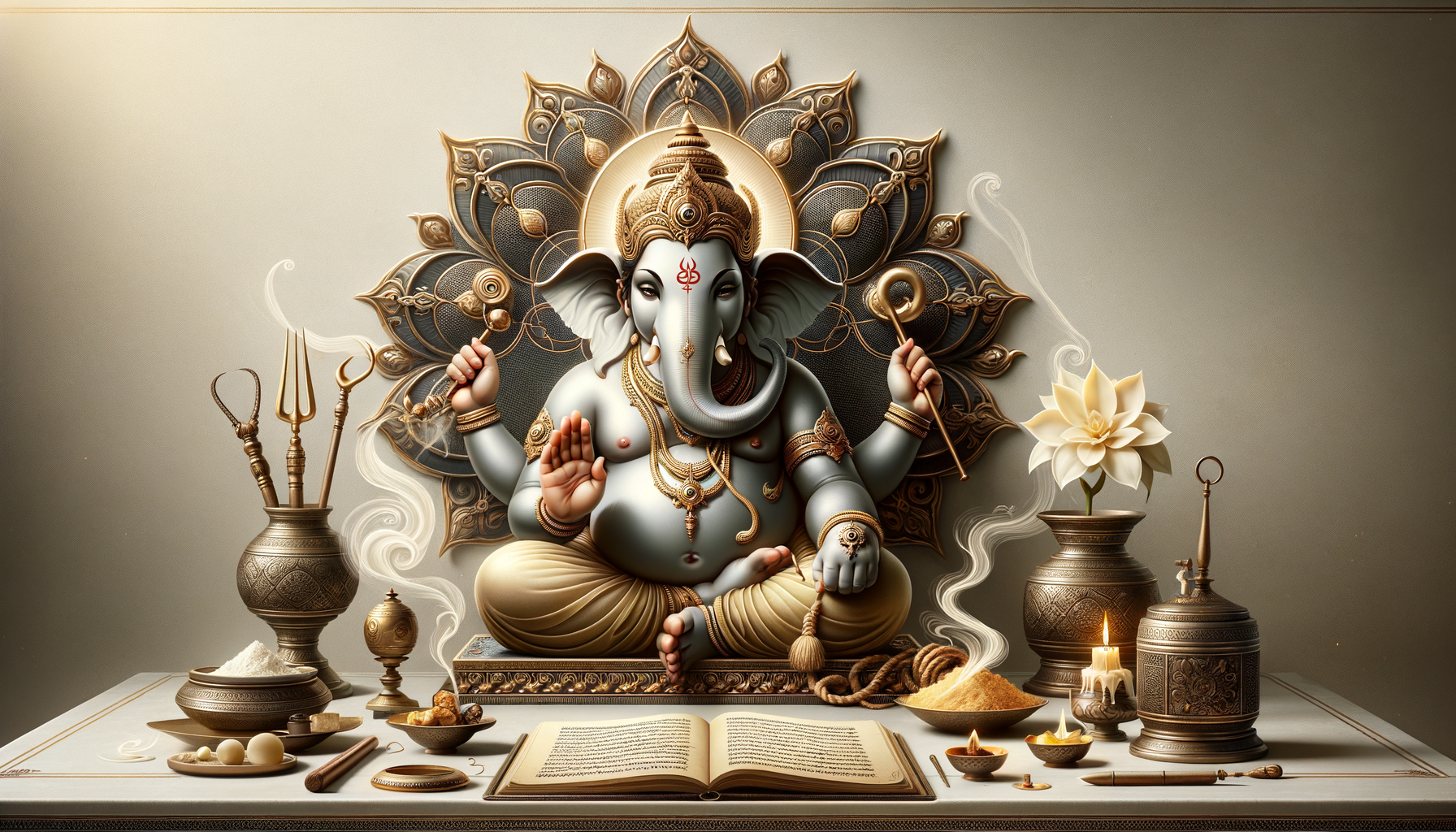
The Mudgala Purana is a core Ganesha Upapurana that presents a clear theology, practical rituals, and the famous eight incarnations of Ganapati. It guides readers to identify and overcome inner vices through ethically charged narratives and accessible worship practices. Distinct from the Skanda Purana yet harmonious with the Purana tradition, it balances devotion with philosophical…
-
Essential Guide to Goddess Shyama: Discover the Proven Paradox of Love and Terror in Hindu Tradition
Goddess Shyama, widely identified with Kali in Shakta traditions, embodies the Divine Mother as fierce compassionlove powerful enough to dissolve fear and ignorance. Her blue-black radiance symbolizes the infinite, guiding seekers from bondage to freedom. The paradox of terror and tenderness resolves as an ethical call to inner transformation and protective care for all beings.…
-
Master the Dharmic Path: Essential Insights to Overcome Obstacles to Virtue

The ancient Hindu teaching, “The path of the good is fraught with innumerable obstacles,” explains why ethical living demands perseverance and clarity. It shows that resistance is a natural part of spiritual development rather than evidence of failure. Drawing on Hindu Dharma and the Bhagavad Gita, it highlights abhyasa, tapas, viveka, and shraddha as proven…
-
Discover the Complete, Untold Case of K V S Manian and a Post‑Independence Due‑Process Breakdown

This post explores the untold case of stenographer K V S Manian, whose livelihood was jeopardized in the immediate post-independence period amid the ban on the Rashtriya Swayamsevak Sangh (RSS). It situates the episode within the Jawaharlal Nehru–led government’s early security priorities and examines how administrative zeal can undermine due process. Readers gain a clear…
-
Diwali Diplomacy in Pakistan: Proven Ways to Transform Greetings into Minority Safeguards

Shehbaz Sharif’s Diwali message sparked a broader debate about symbolism versus safeguards for Pakistan’s Hindu community and other minorities. This analysis places the greeting in context, emphasizing transparent data, equal citizenship, and rule-of-law reforms as the foundation for trust. It outlines proven, practical stepsfrom fast-tracking hate-crime prosecutions to protecting temples and strengthening an independent minorities…
-
Ancient Roots of Ghar-Wapsi: The Complete, Evidence-Based Guide to Dharmic Homecoming

This analysis uncovers the ancient, textually grounded origins of Ghar-Wapsi as a dharmic homecoming rooted in Dharmashastras, Vedic ritual, and temple-centered practice. It clarifies how prāyaścitta, śuddhi, and the Vratya-stoma offered compassionate, evidence-based pathways for ethical restoration in Ancient India. By mapping parallels in Buddhism, Jainism, and Sikhism, it shows a shared, inclusive ethic that…