
-
Shattering the Myth: Why Valmiki’s Ramayana Has No Maya SitaEvidence and Dharma
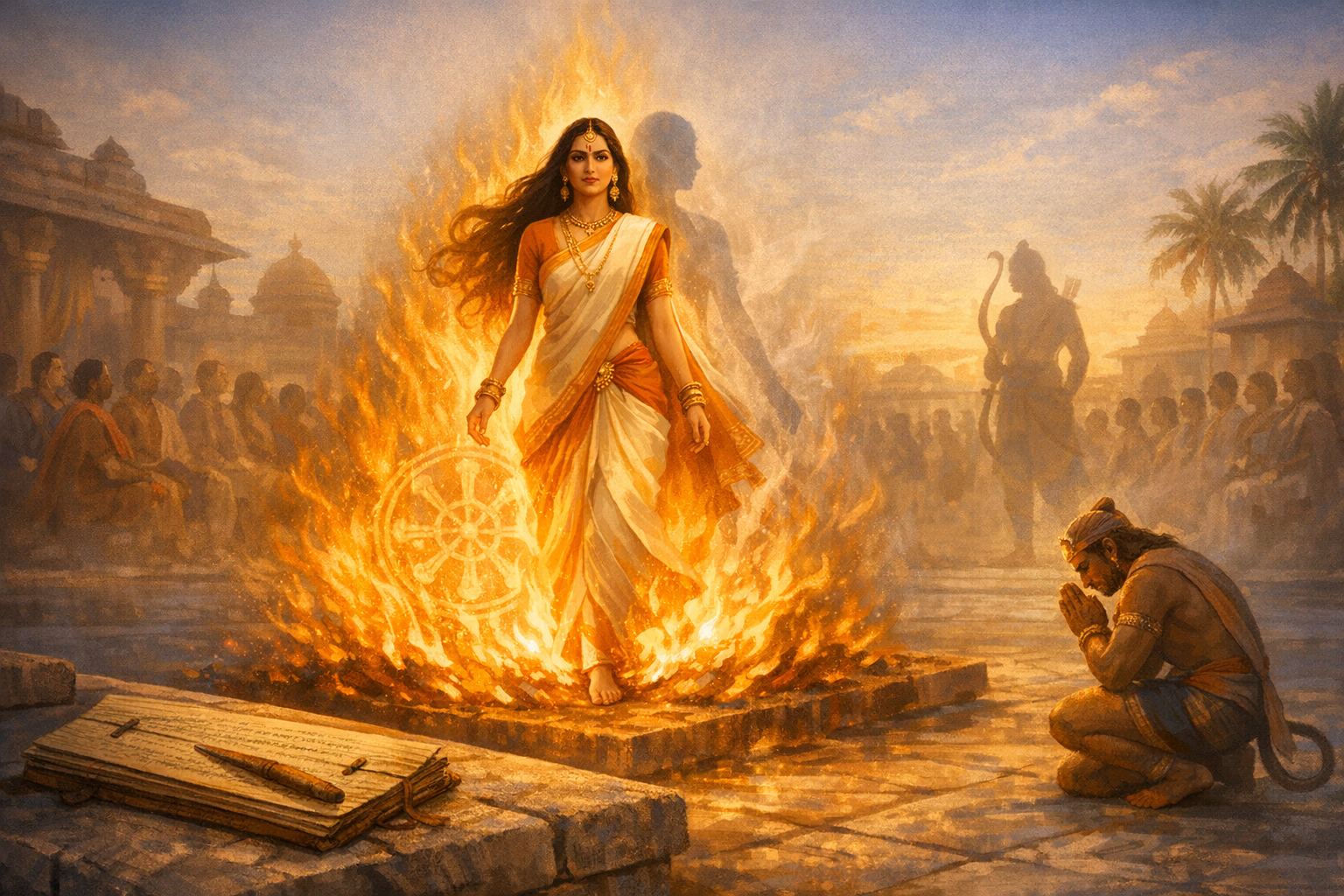
The Maya Sita motifan illusory duplicate of Sitadoes not appear in Valmiki’s Ramayana. Textual criticism across northern and southern manuscript families confirms its absence, especially in the Yuddha Kanda where Sita’s Agni-praveśa serves as public vindication. Later Puranic and bhakti-era tellings, such as the Adhyātma Rāmāyaṇa, introduce Maya Sita to offer a theologically protective reading…
-
Ravana’s Abduction of Sita Revisited: Dharma, Curses, and a Deliberate Path to Moksha

Did Ravana kidnap Sita to be slain by Sri Rama and attain moksha? A careful, text-sensitive study shows that while Valmiki’s Ramayana emphasizes Ravana’s pride and desire, later Puranic and bhakti traditions interpret his fall within a cosmic design of grace. The Jaya–Vijaya doctrine, vaira-bhakti (absorption through enmity), karmic curses, and the Maya Sita motif…
-
Vṛtrāsura, Indra, and Ṛta: Timeless Dharmic Lessons on Leadership, Anarchy, and Renewal

This rigorous reading of the Vṛtrāsura cyclespanning the Ṛg Veda, the Mahabharata and Ramayana, and the Purāṇasunpacks how the myth encodes a timeless governance and ethics playbook. It clarifies Indra’s moral complexity (Brahmahatyā-dōṣa and Tapas), the leadership caution of Nahusha’s ascent and fall, and the systemic anatomy of anarchy when Ṛta is disturbed. Readers gain…
-
Chilling Symbolism of Asipatra: The Sword-Leaf Forest and Dharma’s Call to Compassion

The Asipatra or sword-leaf forest is a powerful Purāṇic symbol that dramatizes the consequences of harmful actions and the neglect of dharma. Rather than a literal geography of the afterlife, it functions as a moral pedagogy illustrating ethical cause and effect. Readers gain a clear understanding of how the image aligns with ahimsa, satya, and…
-
Dasharatha and Shani in the Padma Purana: A Timeless Legend of Karma, Courage, and Grace

Padma Purana’s Uttara Khanda presents Narada’s inquiry to Mahadeva on Shani’s feared reputation and reveals Shani as a stern upholder of karmic justice rather than a capricious force. The legend of King Dasharatha complements this insight, illustrating leadership grounded in devotion, responsibility, and service. Readers gain a clear, balanced understanding of Shani’s symbolism within Hindu…
-
Vaikuntha Ekadashi Upavasam: The Purana Legend, Profound Fasting Benefits, and Dharmic Unity

Vaikuntha Ekadashi Upavasam is revered in the Puranas for its power to purify the heart and deepen devotion to Lord Vishnu. The classic legend of Murasura explains why this Ekadashi fast is considered uniquely transformative. Many devotees report lightness, clarity, and steadier meditation when observing the vrata with a sattvic approach. Temple practices such as…
-
Padma’s Sacred Power: How the Divine Lotus Unites Hindu, Buddhist, Sikh, and Jain Paths

Padma, the divine lotus, is a shared sacred symbol across Hinduism, Buddhism, Sikhism, and Jainism that embodies purity, resilience, and spiritual awakening. In Hindu practice, it serves as the seat of Mata Lakshmi Devi and is offered in puja to Lord Vishnu and Ma Lakshmi, signifying prosperity and auspiciousness. Buddhist teachings present the lotus as…
-
Goddess Lakshmi’s Ocean-Birth: Padma Purana’s Timeless Lakshmi Janma Vrittantha

The Padma Purana’s Lakshmi Janma Vrittantha narrates how Goddess Lakshmi emerged during the churning of the Ocean of Milk (Samudra Manthan), after the devas sought Vishnu’s counsel following defeat by the asuras. With Mandara as the churning rod and Vasuki as the rope, and supported by Vishnu’s Kurma avatara, the cosmic endeavor first produced poison,…
-
Utpanna Ekadashi 2025 Date, Meaning, and Fasting Guide: Embrace Renewal and Inner Strength

Utpanna Ekadashi 2025 falls on 15 November during Krishna Paksha in Margashirsha, and is observed by both Smarta and Vaishnava traditions. The vrata commemorates the symbolic victory of disciplined awareness, inspiring reflection, compassion, and self-restraint. Devotees typically fast, engage in japa or quiet study, and conclude the fast with parana on Dwadashi according to local…
-
Discover Why Padma Purana Names Bhagavan Vitthal ‘Bindu Madhava’A Complete Insight
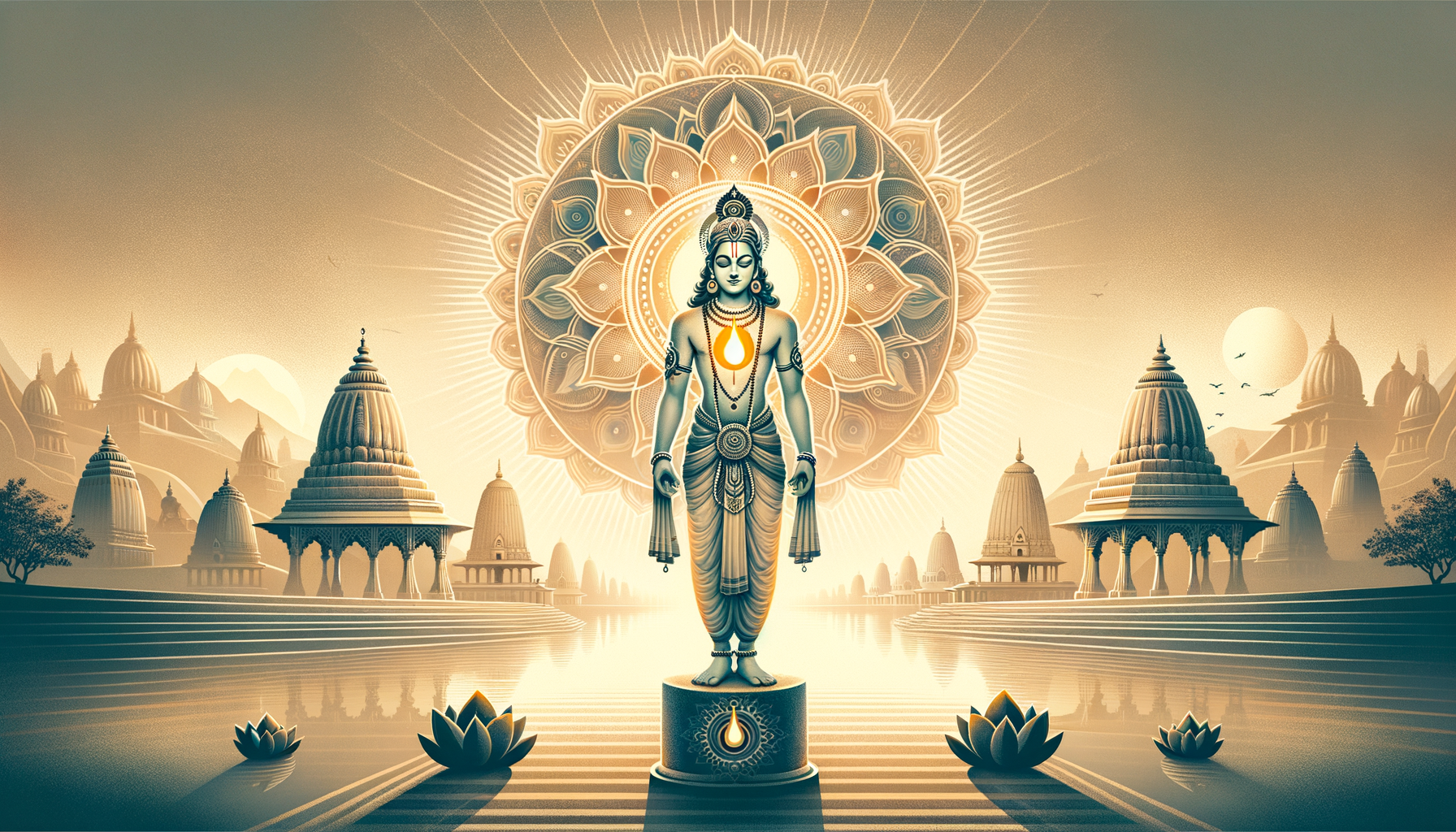
This article clarifies why the Padma Purana refers to Bhagavan Vitthal as Bindu Madhava, grounding the explanation in Puranic usage, etymology, and sacred geography. Readers discover how “Bindu” signifies a concentrated locus of grace while “Madhava” designates Vishnu-Krishna, making the epithet theologically apt for Vitthal. The discussion connects Pandharpur and Kashi, showing how names travel…
-
Jalandhara Katha: The Complete Saga of Shiva’s Battle and Vishnu’s Secret Boon

The Jalandhara Katha recounts the ascent of the asura Jalandhara, the cosmic battle with Lord Shiva, and Lord Vishnu’s subtle yet decisive intervention. Drawn from Puranic sources such as the Padma Purana, the tale situates power, devotion, and strategy within a broader conversation on Dharma and Adharma. Jalandhara’s strength, bound to Vrinda’s unwavering fidelity, created…
-
Ultimate Tulsi Vivah Vrat Katha: Discover the Legend and Master Tulsi–Shaligram Puja Dates
Tulsi Vivah commemorates the sacred marriage of Tulsi with Bhagavan Vishnu as Shaligram, observed on Kartik Ekadashi, Ksheerabdi Dwadashi, or Kartik Purnima. The Vrat Katha narrates Vrinda’s unwavering virtue, Jalandhar’s invincibility, and Vishnu’s intervention to restore dharma, culminating in the sanctification of Tulsi and the Shaligram tradition. The post explains how to perform the puja…
-
Discover Ksheerabdhi Dwadashi 2025 (Tulsi Damodara): Complete Guide to Date, Meaning, and Rituals

Ksheerabdhi Dwadashi 2025, also known as Tulsi Damodara Dwadasi, falls on November 2 and is observed on Shukla paksha Dwadashi in Karthik Month. Rooted in the Puranas, the day follows Utthana Ekadashi when Lord Vishnu awakens and blesses devotees alongside Goddess Lakshmi. The observance features Tulsi worship, Vishnu puja, lighting lamps, and compassionate acts that…
-
Discover Damodara Month: The Complete Guide to Kartika’s Meaning, Rituals, and Transformative Bhakti

Karttika is called Damodara Month because the Padma Purana highlights this period for worshipping Krishna in His Damodara form, rooted in the tender childhood pastime of being bound with a cord. Devotees emphasize daily offerings of a ghee lamp, recitation of Damodarāṣṭakam, tulasi worship, and mindful vows that deepen bhakti. Vrindavana’s established practice of praying…
-
Complete Guide to Manu in Hinduism: Discover the Timeless Law-Giver Beyond Gender and Time

This article examines Manu as both archetype and title within Hindu cosmology, clarifying how fourteen Manus guide each kalpa and why the role is best understood as beyond gender and bound to time cycles. It situates Manusmriti within the broader Dharmashastra tradition, highlighting contextual interpretation and ongoing ethical refinement. The narrative of Vaivasvata Manu and…
-
Complete Guide to Kartika’s Transformative Month: Discover Proven Glories in Skanda & Padma Purana

Kartika Month (Kartik Masam) is celebrated in Hindu scriptures as a peak period for spiritual practice. Skanda Purana affirms it as the foremost month, while Padma Purana details how vrata, charity, lamp offerings, sacred bathing, and devotion gain special merit at this time. Across regions, Kartika includes Diwali on Amavasya, the Gujarati New Year on…
-
Master the Mahatmyam of Tulasi Puja: Complete Puranic Insights for Kartik and Shravan

Tulasi Puja is a year-round home practice that peaks in Kartik month and Shravan month, celebrated for its Mahatmyam across the Padma Purana, Skanda Purana, Garuda Purana, Narada Purana, and Brahma Vaivarta Purana. These texts present Tulasi as Vishnu-priya and affirm the spiritual merit of planting, nurturing, and worshipping the sacred plant. Daily observancesdeepa, japa,…
-
Kartik Maas Mahatmya Chapter 1: Essential, Proven Insights to Transform Your Devotion

This academically oriented overview of Kartik Maas Mahatmya, Chapter 1, introduces Suta’s discourse at Naimisharanya and highlights the month’s proven purificatory merit. The passage emphasizes the power of sacred listening (shravan), dissolution of sins, and aspiration for Vaikuntha. Readers gain context for Karthika Masam observances while receiving clear, practical suggestions for modern devotional practice. The…
-
Proven Insights on Kartik Maas Mahatmya Chapter 2: Discover the Katha’s Transformative Power

Kartik Maas Mahatmya Chapter 2, voiced through Sri Krishna, portrays grief as a pivotal point for ethical and devotional renewal. The lament of Gunavati is presented not as despair’s endpoint but as a call to reorient life through dharma and bhakti. This chapter situates personal sorrow within Kartik observances such as lamp offerings, remembrance, and…
-
Proven Insights on Kartik Maas Mahatmya Chapter 2: Discover the Katha’s Transformative Power

Kartik Maas Mahatmya Chapter 2, voiced through Sri Krishna, portrays grief as a pivotal point for ethical and devotional renewal. The lament of Gunavati is presented not as despair’s endpoint but as a call to reorient life through dharma and bhakti. This chapter situates personal sorrow within Kartik observances such as lamp offerings, remembrance, and…