
-
Omnipotence and Sacred Sound: Why Krishna’s Words Remain a Living Presence Across Traditions

Omnipotence in Vedic philosophy explains how Krishna remains in unbroken companionship with living beings through sacred sound. Vaishnava theology teaches nāma–nāmi abheda, the non-difference between the Divine Name and the Divine Person, grounding the transformative power of the Hare Krishna Mahāmantra. The principle of śabda-brahman shows that divine words are not merely symbolic; they are…
-
Quieting an Overwhelmed Mind: Science of Sound Baths and Dharmic Wisdom for Resilience

A recent Sound as Medicine session demonstrates how contemplative sound can ease overwhelm, calm the nervous system, and restore clarity. The experience paired soothing overtones with mindful breathing and journaling, yielding a post-session state described by release, peace, spaciousness, ease, clarity, calmness, and gratitude. Emerging research suggests plausible mechanisms: HPA-axis downregulation, increased heart rate variability,…
-
Decoding Nrisimha Tapaniya Upanishad: The Transformative Power of the Second Khanda Mantra
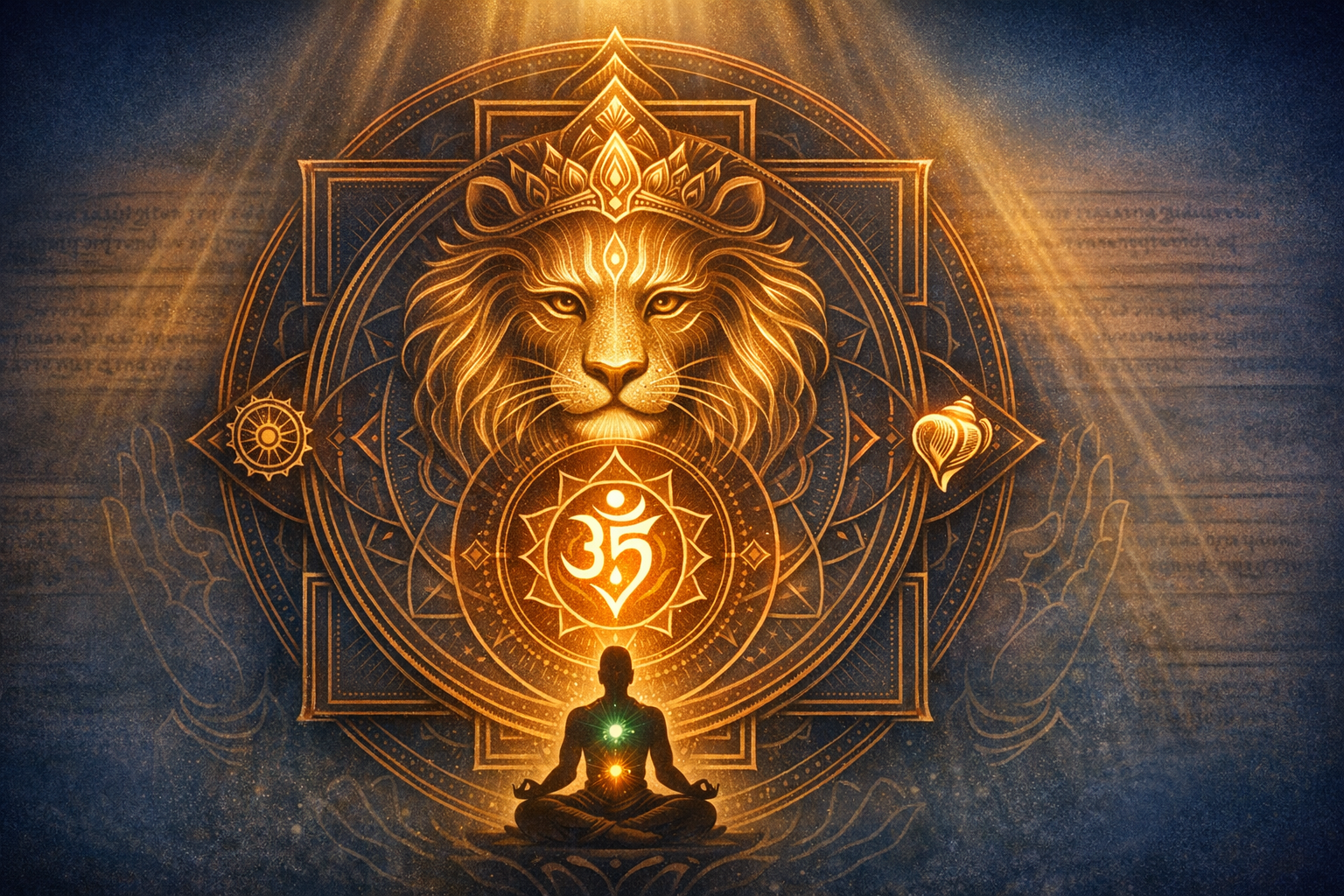
The second khanda of the Nrisimha Tapaniya Upanishad offers a rigorous account of mantra potency in the Tantric Vaishnava tradition. It presents the Nrisimha bija kṣrauṁ as the energetic heart of protective wisdom and details how dhyana, nyasa, and japa integrate to transform attention and behavior. Readers gain historical and philological context for the Upanishad’s…
-
Krishna’s Omnipotence Explained: Why Name, Mantra, and Scripture Offer Direct, Daily Companionship

This article explains, in clear Vedic and Bhakti terms, why Krishna’s omnipotence means His words, names, and teachings are non-different from Him, offering direct companionship at any moment. It shows how the concept of shabda as an efficacious, self-revealing medium makes scriptural hearing and mantra recitation a living encounter rather than mere symbolism. Drawing on…
-
Narada Jayanti 2026: Date, Tithi, Puja Vidhi and Devarshi Narada’s Timeless Legacy

Narada Jayanti 2026, the birth anniversary of Devarshi Narada, falls on May 2 and is observed on Vaishakha bahula Pratipada/Jyeshta Krishna Paksha Pratipada. Grounded in the tithi system of Hindu astronomy, the date can vary by time zone, making a local Panchang essential. The day honors Narada’s multidimensional legacyas Brahma Manasa Putra, master of sacred…
-
Decoding ‘Om krato smara kritam smara’: karma, memory, and the art of conscious dying

“Om krato smara kritam smara” from the Īśāvāsya Upaniṣad condenses the Upanishadic path into one imperative: let the sovereign will remember what has been done. The mantra sits at a pivotal moment in the text (Vājasaneyi Saṁhitā 40.17), pairing ethical clarity with the acknowledgement of impermanence. A brief philological reading clarifies ‘krato’ (will/intellect), ‘smara’ (remember),…
-
18 Research-Backed Facts about Ganesha: Iconography, Mantras, Festivals, and Global Legacy

This comprehensive, research-grounded guide presents 18 essential facts about Ganeshahis Puranic origins, rich iconography, mantras, and threshold role as Prathama Pujya. Readers will learn how symbols such as the goad, noose, modaka, and the mouse vahana communicate psychological discipline and ethical intent. The overview explains the eight incarnations (Mudgala Purana), monthly observances like Sankatahara Chaturthi,…
-
Unlocking Moksha with Mantra: The Transformative Science of Sound Across Dharmic Paths

This essay examines mantra within Hindu wisdom as a disciplined contemplative technology aimed at moksha, clarifying the classical sense of mananat trayate mantrah“that which liberates through contemplation.” It situates mantra in the metaphysics of sound (vak, shabda-brahman), explains Vedic precision in phonetics and meter, and contrasts Vedic, Tantric, and devotional forms, including bija, nama-japa, and…
-
Ananya Sharan Bhaava: Mastering Unshakeable Devotion and Inner Surrender in Dharmic Life

Ananya Sharan Bhaava, or single-minded devotion, is best understood as something uncovered rather than acquired. Dharmic traditionsHinduism, Buddhism, Jainism, and Sikhismconverge on a shared architecture: ethical grounding, attentional training, and devotion that matures into surrender. Practical methods include clarifying a chosen refuge (Ishta or central ideal), adopting regular sadhana (japa, Naam Simran, dhyana), and aligning…
-
Sacred Shields of Dharma: 7 Hindu Protection Symbols to Conquer Bhaya and Adversity
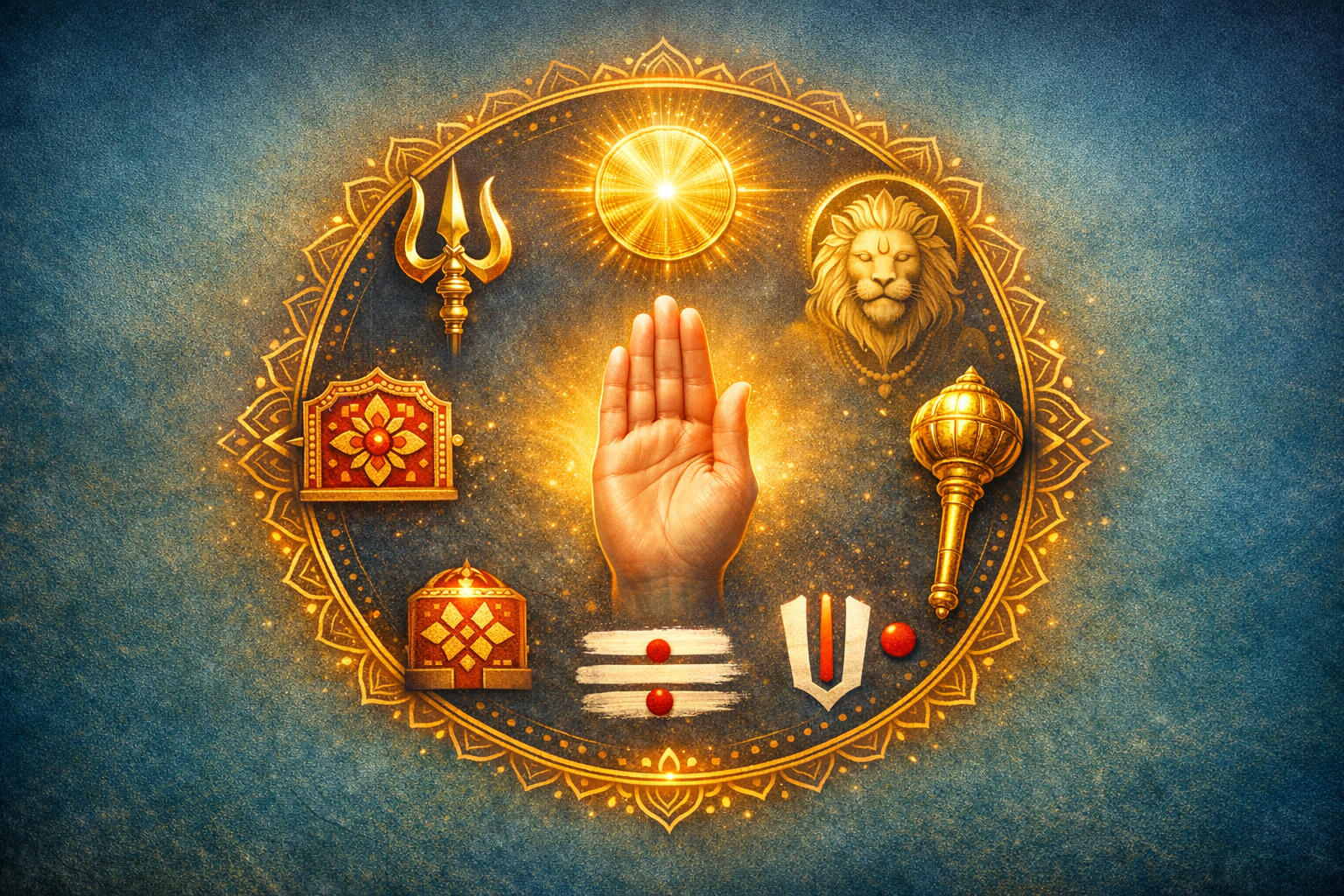
Anxiety, understood in Hindu thought as bhaya, can be transformed through symbols that encode ethics, cosmology, and contemplative method. This long-form guide examines seven Hindu protection symbolsAbhaya Mudra, Trishula, Sudarshana Chakra, Narasimha, Hanuman’s Gada, the Svastika, and Tilaka/Tripundra/Urdhvapundratracing their scriptural grounding, iconographic form, and practical application. Each symbol functions as a performative technology of calm,…
-
April 2026 Amavasya Tharpanam: Precise Sankalpam Mantras and Sacred Guide for Chithirai–Chaitra–Vaishakh

This comprehensive guide clarifies why Amavasya Tharpanam in April 2026 appears on both 16 and 17 April across Indian almanacs and explains how regional calendar systems map the observance to Chithirai Amavasya, Mesha Maasa Amavasya, Chaitra Amavasya, or Vaishakh Amavasya. It outlines best practices for selecting the proper date using the local Panchang and family…
-
Singing Between the Lines: Ekendra Das on Spiritual Messaging in Krsna Conscious Music and Theater
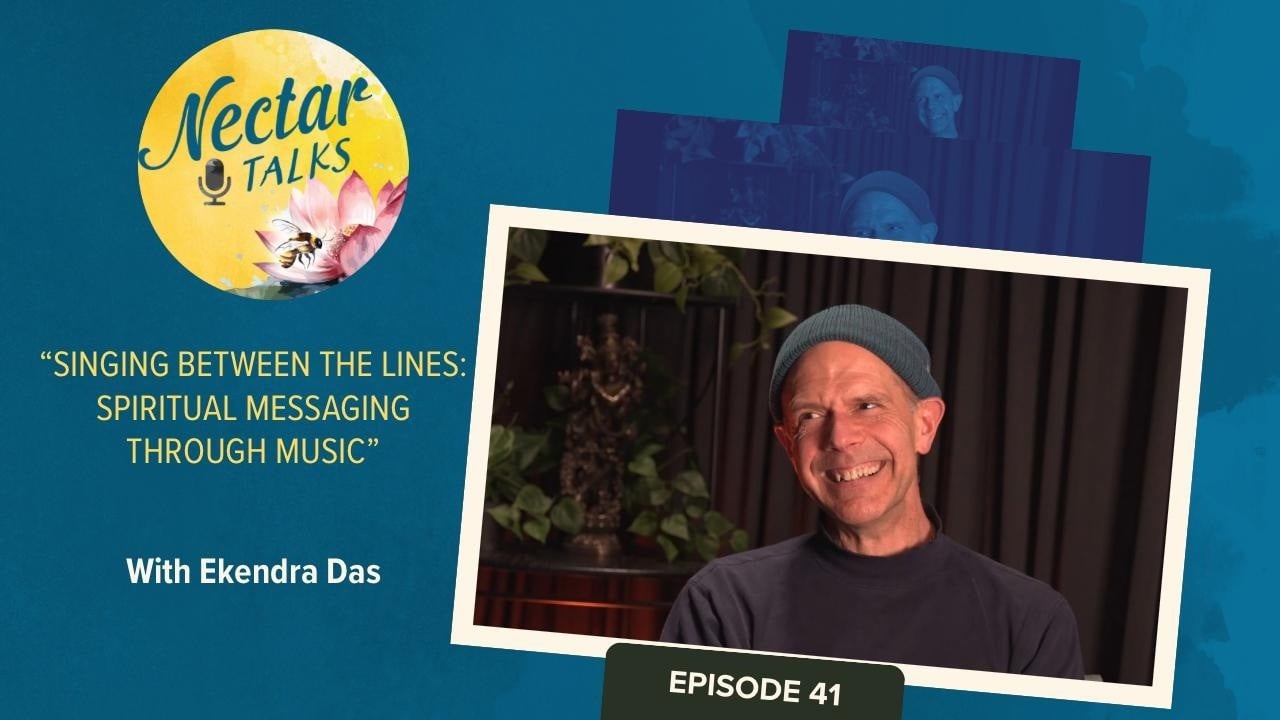
This long-form profile examines how Ekendra Das (Ekendra Prabhu) unites professional musicianship with disciplined seva to communicate dharmic wisdom through Krsna Conscious bands, theater, and responsible humor. It explains how Straight Edge ethics parallel Hindu vrata and align with Buddhist, Jain, and Sikh disciplines, framing music as a practice of clarity rather than escape. Drawing…
-
Beejabhidhana in Tantrism: Decoding Sacred Seed Syllables for Transformative Mantra Yoga
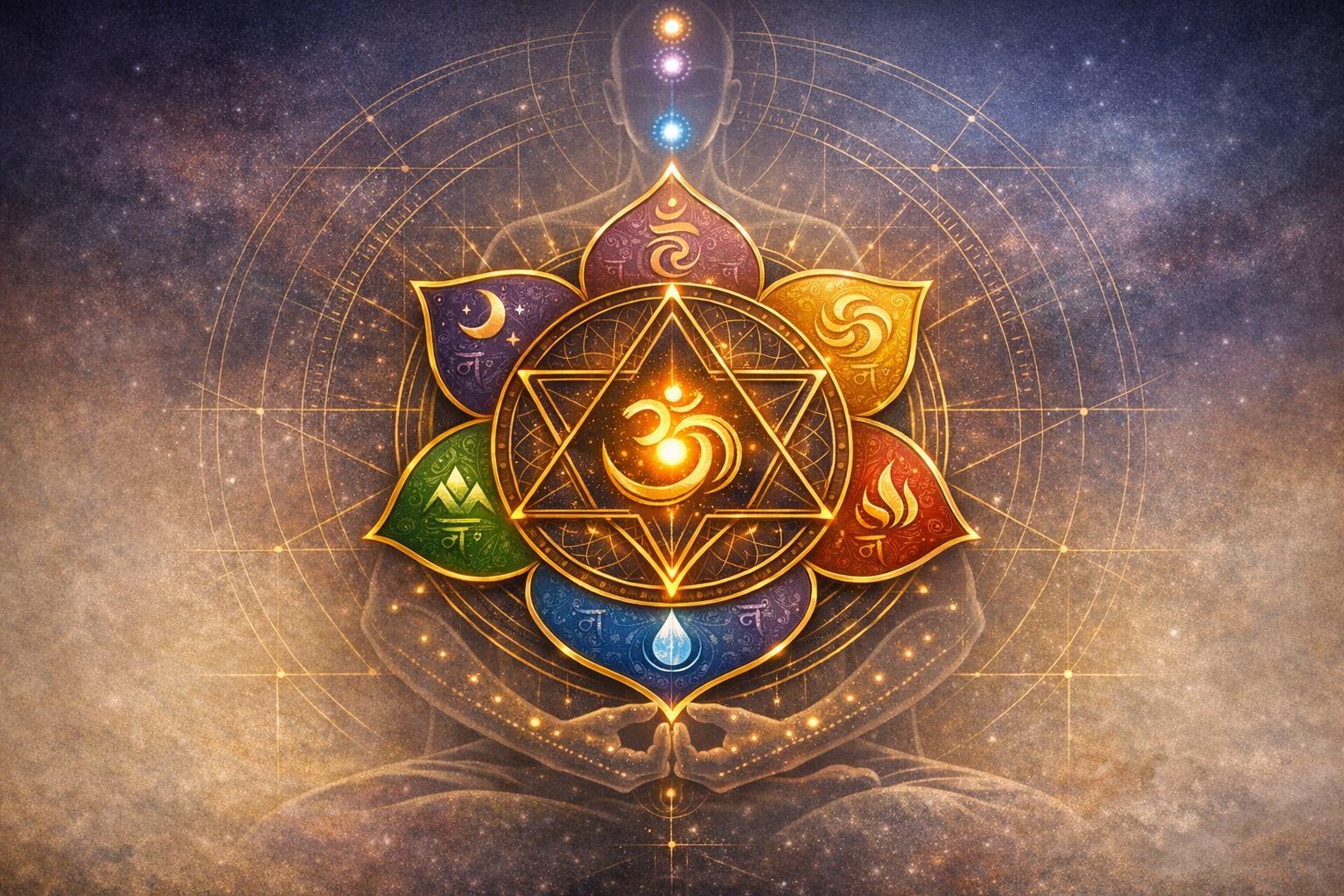
Beejabhidhana in Tantrism offers a rigorous map of sacred sound, explaining how seed syllables (bījākṣaras) encode cosmology, deity-function, and method in a single phonemic unit. It clarifies the technical relation between letters, elements, chakras, nyāsa, and japa, enabling precise, lineage-aligned practice. The framework is academically rich yet experientially grounded, integrating phonetics, grammar, and ritual design…
-
Ekadasha Parayana of Vishnu Sahasranama: Transformative Benefits, How-To, and Daily Discipline

Ekadasha Parayana is an eleven-day observance in which the Vishnu Sahasranama is recited eleven times daily, uniting devotion, attention training, and ethical living. Rooted in the Mahabharata and the Vaishnava bhakti tradition, the practice is accessible to householders and monastics and adaptable to individual contexts. Practitioners commonly report cognitive clarity, emotional balance, and a deepening…
-
Unquenchable Spiritual Thirst: A Dharmic Path of Bhakti, Japa, Seva, and Inner Realization
Spiritual thirst is a disciplined, one-pointed aspiration for ultimate truth, cultivated through listening, singing, remembrance, mantra-japa, and ethical living. Across Hinduism, Buddhism, Jainism, and Sikhism, it matures when aspiration is yoked to steady practice, community support, and responsible conduct. The Varkari tradition exemplifies how sustained kirtan, abhangas, and pilgrimage transform longing into culture. Vedānta names…
-
Sacred Amavasya Tharpanam, April 2026: Powerful Sankalpam Mantras, Dates, and Ritual Guidance
Amavasya Tharpanam in April 2026 spans 16–17 April across India, aligning with Chithirai (Tamil Nadu), Mesha Māsa (Kerala), Chaitra (Telugu/Kannada/Marathi/Gujarati), and Vaishakh (North India). Because the amavasya tithi crosses two civil dates, the rite is generally performed on the day it prevails during local midday. This guide situates the observance in Parabhava Nāma Samvatsaram (Śaka…
-
Akshaya Tritiya Mantras, Prayers & Stotras: An Auspicious, Timeless Puja Guide

Akshaya Tritiya (Akha Teej) is celebrated as a day of imperishable merit, ideal for Lakshmi Puja, Gauri Puja, Parashurama Jayanti Puja, and Chandan Puja to Lord Krishna. This long-form, practitioner-friendly guide presents accurate mantras and stotrasŚrī Sūkta, Om Śrīṁ Mahālakṣmyai Namaḥ, Sarva Maṅgala Māṅgalye, Om Namo Bhagavate Vāsudevāya, and the Parashurama Gāyatrītogether with practical ritual…
-
Akshaya Tritiya Unveiled: Definitive Mantras, Stotras, Puja Vidhi & Sacred Dāna for Prosperity

Akshaya Tritiya, observed on Vaishakh Shukla Tritiya, is extolled in the Skanda Purana and Padma Purana as a uniquely auspicious day when the fruits of worship, charity, and discipline become imperishable. This comprehensive guide details accurate, tradition-rooted mantras and stotras for Lakshmi Puja, Gauri Puja, Parashurama Jayanti, and Chandan Puja to Lord Krishna. It includes…
-
HRĪṂ, the Māyā Bīja: Definitive Guide to Shakta Power, Heart Awakening, and Mantra Science
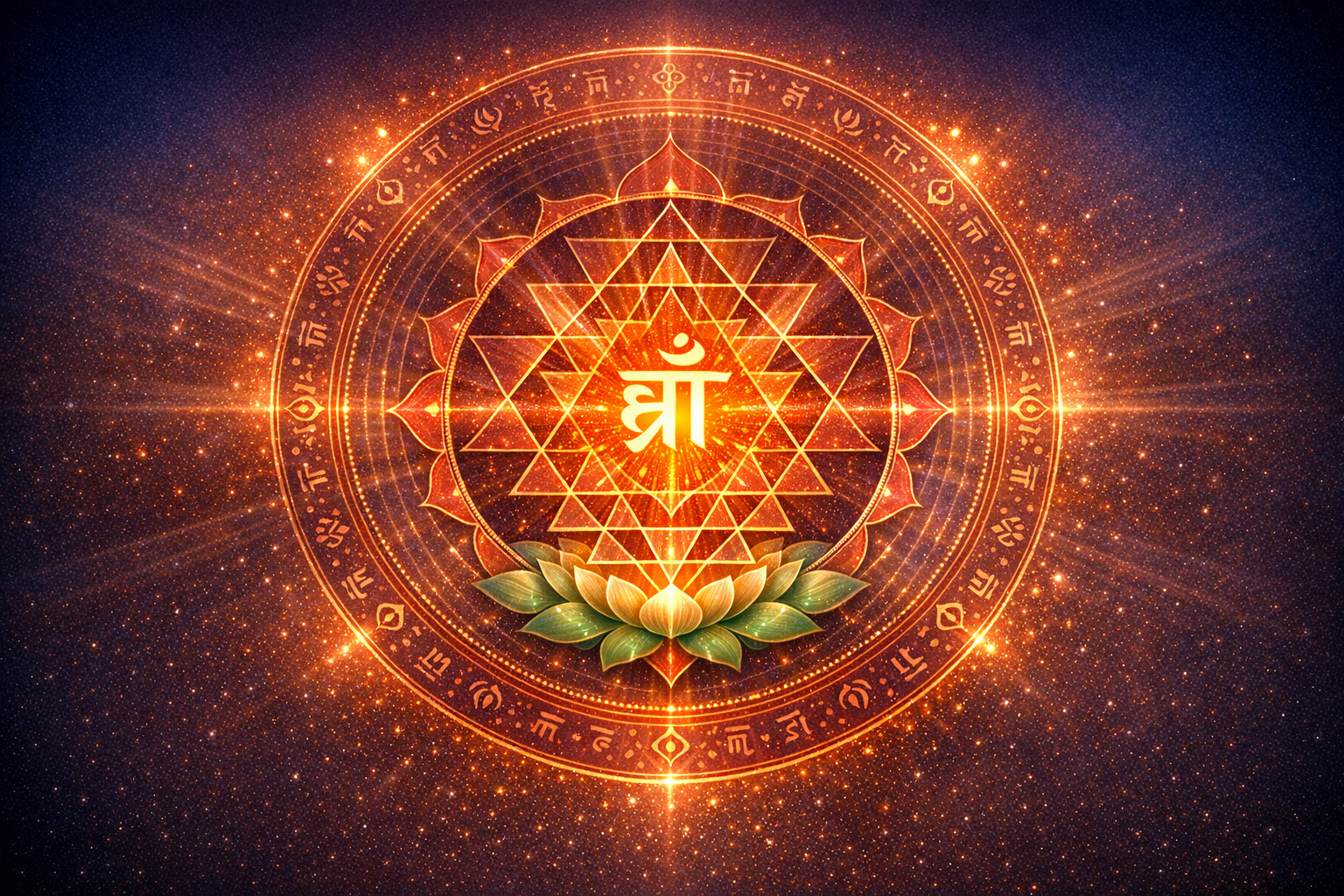
This long-form guide unpacks HRĪṂ (Hrim/Hreem), revered in Shākta traditions as the Māyā bījathe primordial seed syllable of Mahāśakti. It explains the bīja’s phonetic anatomy (ha–ra–ī–ṁ), why it is called the ‘Māyā’ seed, and how its psychoacoustic arc mirrors manifestation and dissolution. Readers learn where HRĪṂ appears in practice (Navārṇa, Śrī Vidyā Pañcadaśī), how it…
-
Prayer Is the Voice of the Soul: Timeless Dharmic Science for Healing, Clarity, and Grace

This article unpacks the Hindu teaching “Prayer is the voice of the soul” as a precise, reproducible inner science shared across Hinduism, Buddhism, Jainism, and Sikhism. It explains technical frameworks such as vāk (levels of speech), Pancha-kosha viveka (five sheaths), and the discipline of japa, dhyana, and pranayama. Readers gain a clear practice framework that…