Tag: Khilafat Movement

  • Congress, Khilafat, and the Crucial Question of Defending India Under British Rule

    Congress, Khilafat, and the Crucial Question of Defending India Under British Rule

    This study examines how Congress, the Khilafat leadership, the Muslim League, and British authorities approached national defence during the crises of 1921 and the Second World War. It explains why opposition to colonial rule did not remove India’s need to resist foreign conquest. Statements attributed to Maulana Abul Kalam Azad and Lala Lajpat Rai are…

  • Gandhi, Ahimsa, and National Defence: A Powerful Historical Reassessment

    Gandhi, Ahimsa, and National Defence: A Powerful Historical Reassessment

    This article reassesses the historical controversy around Gandhi’s doctrine of non-violence, the Khilafat movement, Congress politics, and the demand for national defence in late colonial India. It explains why critics feared that absolute pacifism could weaken sovereignty, especially during a period of communal mobilisation and imperial uncertainty. The analysis distinguishes between legitimate scrutiny of political…

  • Gandhi, Khilafat, and the Forgotten 1941 Controversy That Still Demands Study

    Gandhi, Khilafat, and the Forgotten 1941 Controversy That Still Demands Study

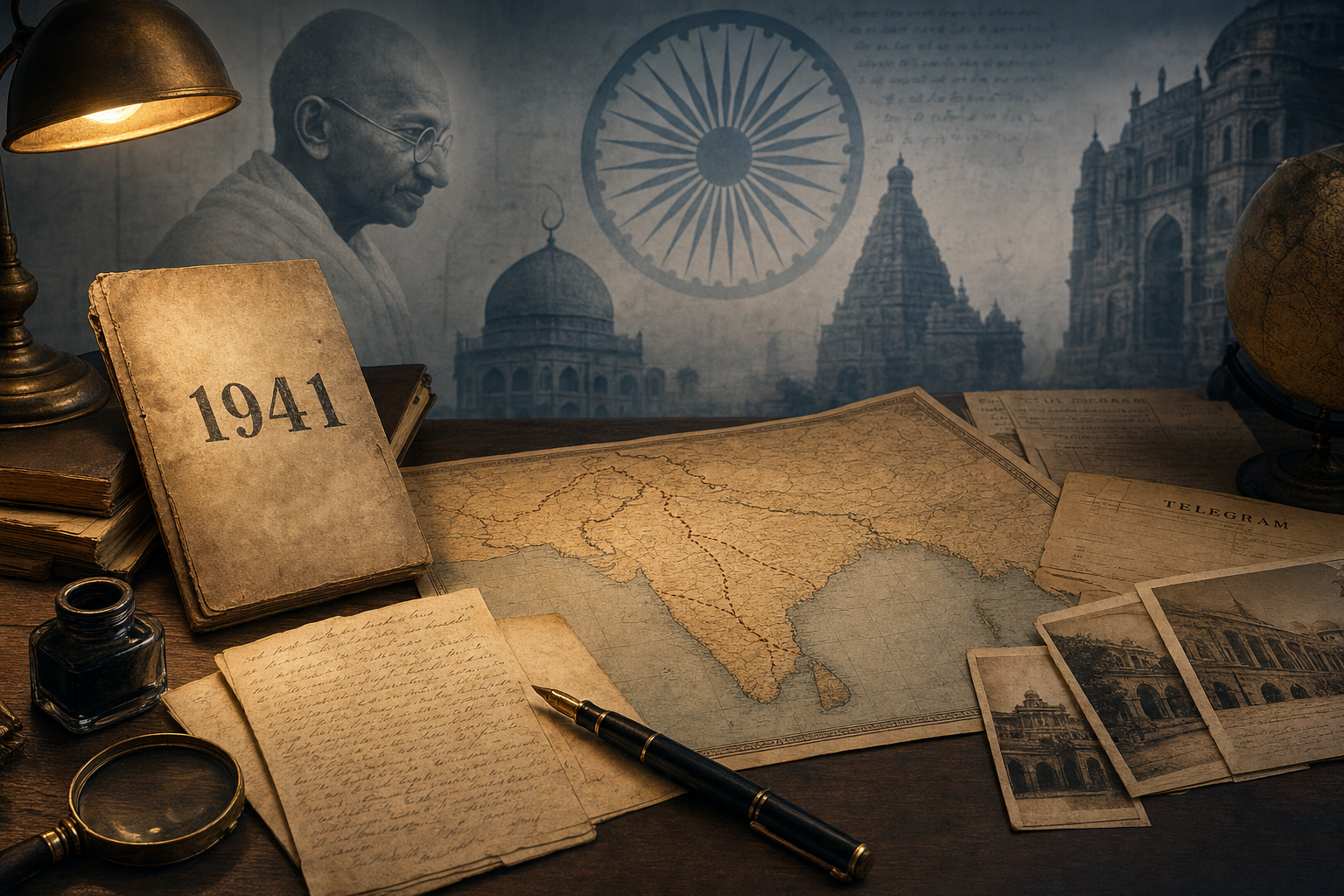
    This article revisits the 1941 tract Gandhi-Muslim Conspiracy and places its allegations within the wider history of the Khilafat Movement, Non-cooperation, Afghanistan, and the politics of Partition-era India. It explains why Gandhi’s support for Khilafat became one of the most disputed decisions of his public life. The discussion treats the book as a historical document…

  • Gandhi, Khilafat, and the Explosive 1941 Warning That Still Shakes History

    Gandhi, Khilafat, and the Explosive 1941 Warning That Still Shakes History

    This long-form analysis revisits the 1941 book Gandhi-Muslim Conspiracy and the Dharma Dispatch essay that brought it back into discussion. It examines Gandhi’s Khilafat policy, the Ali Brothers, Afghan invasion allegations, Non-cooperation, Chauri Chaura, and the rise of the Muslim League within the wider history of Bharat’s freedom struggle. The piece treats controversial claims with…

  • Khilafat Crossroads: Gandhi, the Ali Brothers, and the High-Stakes Quest for Unity (1919–24)

    Khilafat Crossroads: Gandhi, the Ali Brothers, and the High-Stakes Quest for Unity (1919–24)

    Gandhi’s collaboration with Muhammad Ali Jauhar and Shaukat Ali during the Khilafat Movement (1919–1924) fused pan-Islamic advocacy with the Indian National Congress’s Non-cooperation strategy under the British Raj. The analysis traces the movement’s global origins after the Treaty of Sèvres, details how Khilafat Committees and Congress synchronized boycotts and swadeshi initiatives, and explains why structural…

  • Malegaon 1921: Untold Lessons from the Khilafat Unrest, Gandhi’s Strategy, and Communal Healing

    Malegaon 1921: Untold Lessons from the Khilafat Unrest, Gandhi’s Strategy, and Communal Healing

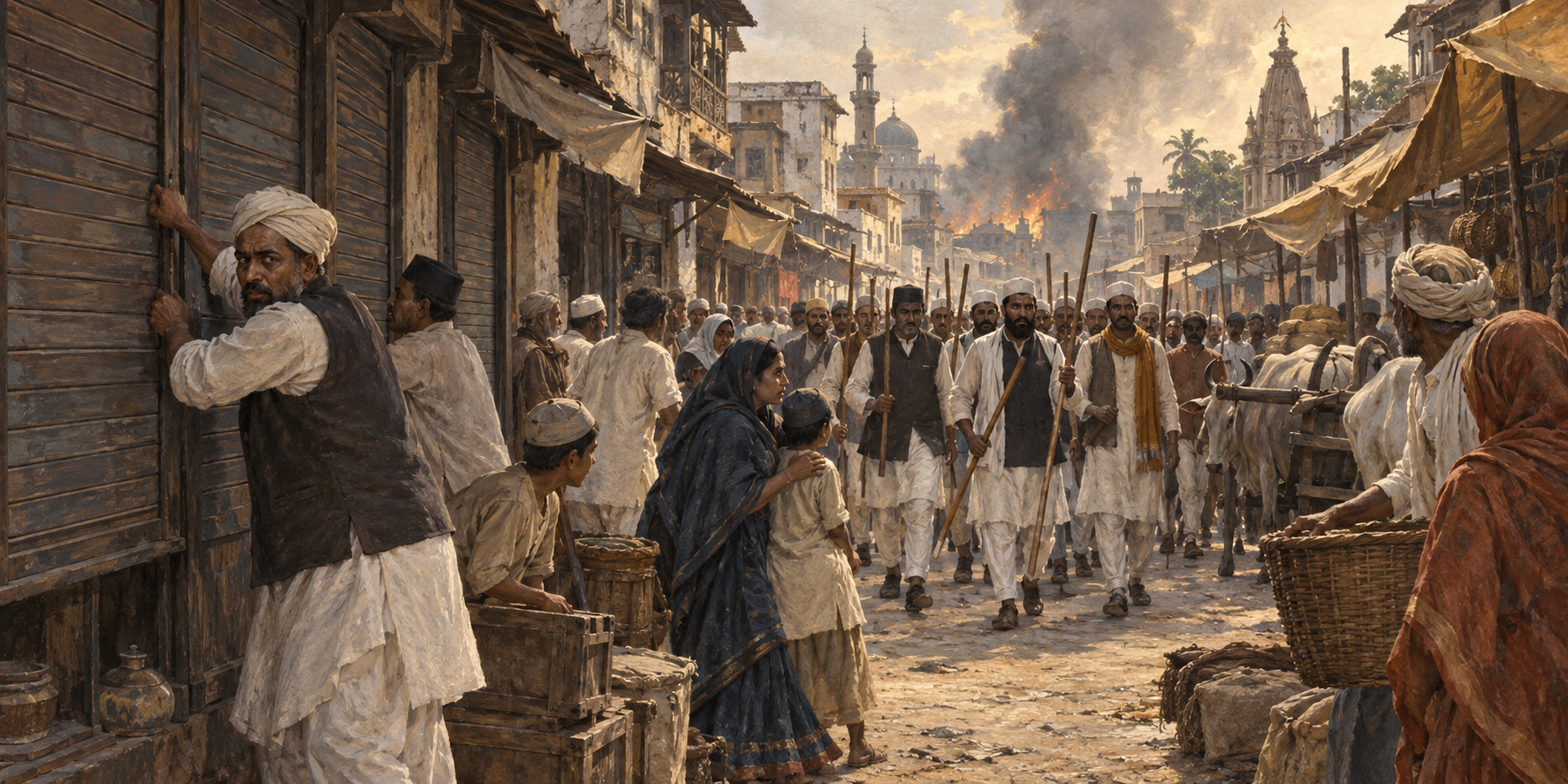
    This historically grounded analysis re-examines the Malegaon riots of April 1921 in the context of the Khilafat Movement and British colonial rule. It explores Gandhi’s strategic alignment with Khilafat leaders, the public stature of the Ali Brothers, and claims about a fatwa attributed to Mohammad Ali and several hundred ulema. Readers gain a nuanced perspective…

  • How Gandhi became a Congress Leader in Four Years

    How Gandhi became a Congress Leader in Four Years

    In January 1915, a 46-year-old Mohandas Gandhi returned to India after two decades in South Africa. Despite his unconventional social activism there, he faced skepticism from Indians who saw him as a foreigner. This blog explores how Gandhi, within four years, transformed from an outsider into a national leader of the Congress. It delves into…