
-
Buddhi Yoga Explained: Master Inner Calm and Outer Action through Discernment and Equanimity

Buddhi Yoga refines the discriminative intellect (viveka) to harmonize inner awareness and outer action. Rooted in the Bhagavad Gita, it cultivates equanimity“samatvam yoga ucyate”and translates insight into capable, compassionate deeds“yogaḥ karmasu kauśalam.” Through meditation, breathwork, pratyāhāra, and svādhyāya, practitioners build clarity, emotional resilience, and ethical grounding. Common experiences include responding to conflict with calm poise…
-
Knowing Truth, Living Dharma: Why Insight Fails Without Practice in Hindu Philosophy

Hindu philosophy names a timeless challenge: many recognize truth yet struggle to live it. Drawing on the Bhagavad Gita and Yoga philosophy, this piece explains how abhyāsa and vairāgya bridge the gap between knowledge and action. It highlights practical stepsdaily routine, Karma Yoga, svādhyāya, and ethical commitments (yama–niyama)that turn insight into steady conduct. Parallels from…
-
Mahabahu in Hinduism: Unveiling the Mighty-Armed Ideal of Strength, Dharma, and Service
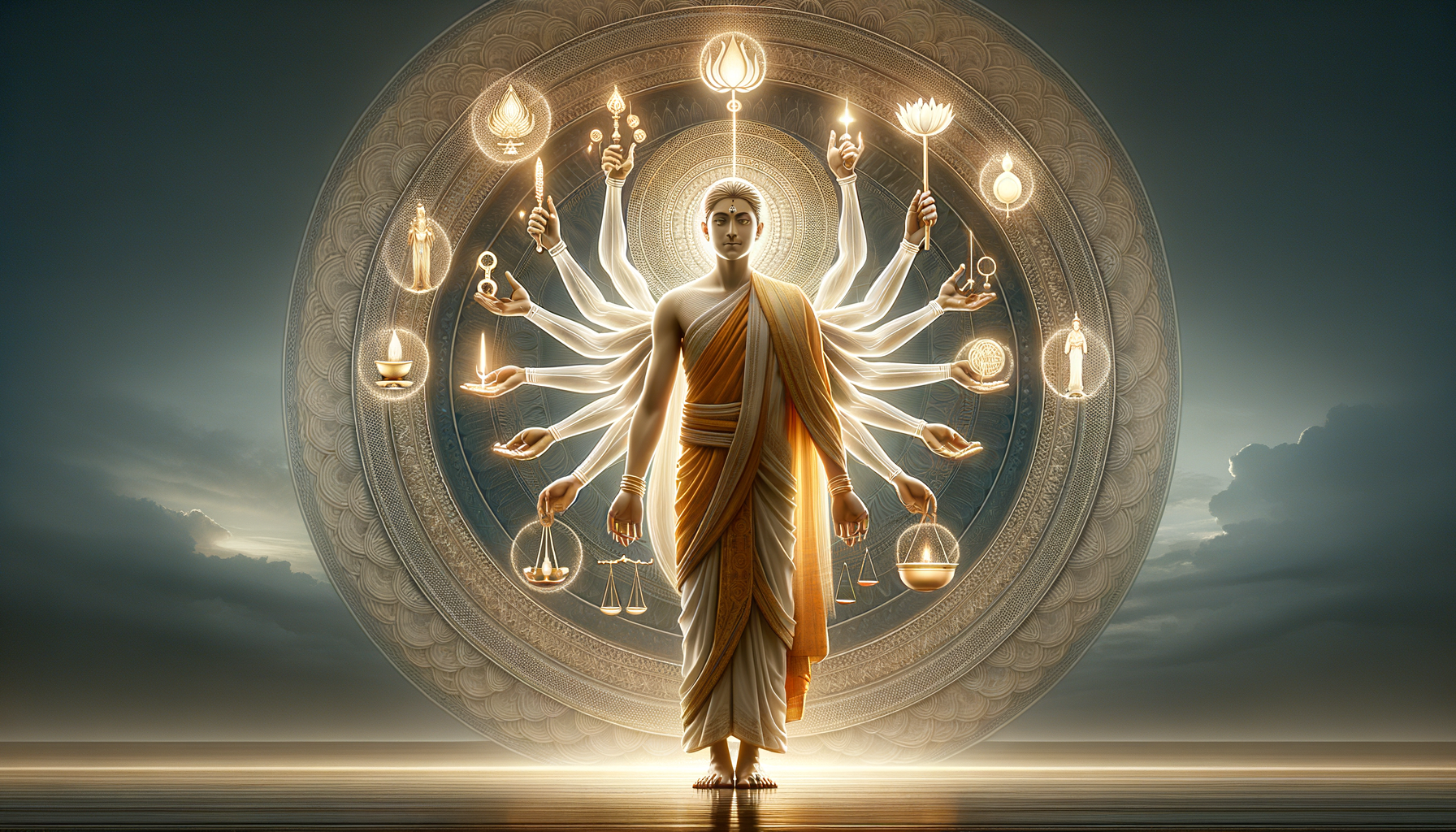
Mahabahu, from the Sanskrit roots “maha” (great) and “bahu” (arms), is a profound ideal in Hindu scriptures that unites power with ethical responsibility. Found in the Ramayana, Mahabharata, and Bhagavad Gita, it signifies strength guided by self-mastery and compassion. The term illuminates how epic narrative encodes philosophical principles: arms symbolize disciplined action in the service…
-
Krishna’s Bold Reframing of Dharma: An Enlightened Householder Blueprint for Kali Yuga

This article clarifies the long-standing tension between renunciation (sannyasa) and worldly engagement (grihastha) and explains Krishna’s synthesis in the Bhagavad Gita. It shows how Karma Yoga transforms daily duties into spiritual practice, especially suited to the demands of Kali Yuga. Readers gain practical stepsnishkama karma, mindful remembrance, ethical livelihood, generosity, and sevato integrate dharma into…
-
Karmendriyas and Tanmatras Explained: How Action Organs Align with the Five Elements
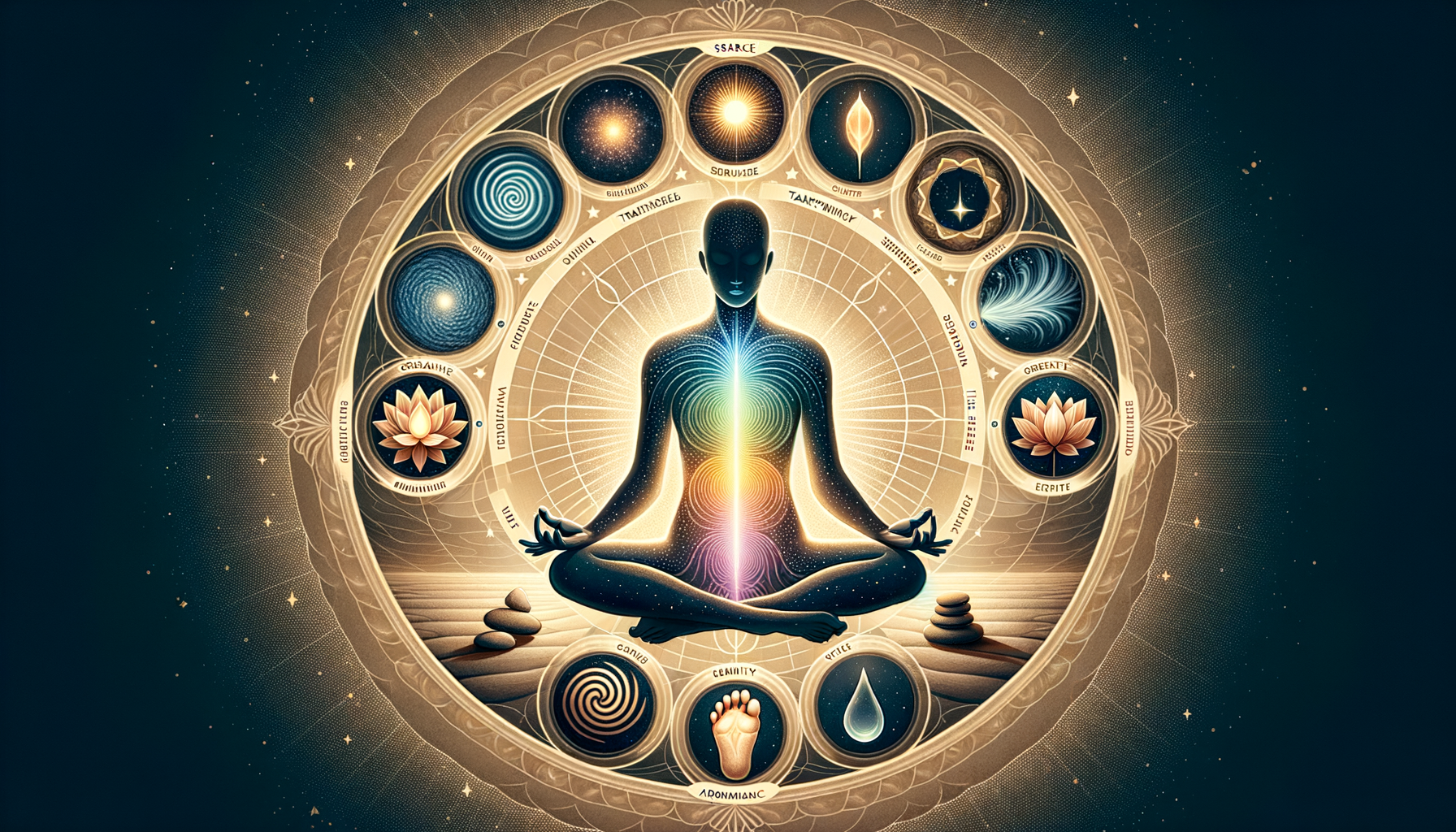
This article clarifies how the five karmendriyasspeech, hands, feet, procreation, and eliminationrelate to the tanmatras and the five elements in Hindu philosophy. It outlines the classical evolution from subtle tanmatras to pancha mahabhutas and shows how action organs are energized by rajas and prana. Readers gain a clear, text-sensitive view of commonly taught correspondencessuch as…
-
Karma Yoga Made Practical: Serve with Compassion, Protect Your Sanity and Resources

Karma Yoga offers a practical path to inner purification through selfless service performed with discernment. Acting without attachment to outcomes builds equanimity while ensuring help remains effective and sustainable. Clear boundaries, realistic budgets, and due diligence protect mental calm and financial stability, preventing burnout and enabling long-term impact. Across dharmic traditions, wise compassion is a…
-
Beyond Money: Dharmic Wisdom for Inner Riches, Community Bonds, and Lasting Fulfillment

This essay explores how Hinduism, in harmony with Buddhism, Jainism, and Sikhism, reframes wealth as inner stability, ethical character, and community bonds. It explains artha’s role within the puruṣārthas, showing how money serves dharma and mokṣa rather than replacing them. Readers gain practical stepsseva, mindful consumption, dāna, right livelihood, and Karma Yogato cultivate spiritual wealth…
-
End Disappointment Now: Dharmic Wisdom on Letting Go of Expectations with Compassion

Modern life often equates success with high expectations, yet this habit can intensify anxiety and disappointment. Dharmic wisdomgrounded in Hindu philosophy and echoed in Buddhist, Jain, and Sikh teachingsoffers a practical alternative: act with integrity while letting go of rigid outcomes. Karma Yoga emphasizes effort over results, Patañjali highlights steady practice and vairāgya, Jain aparigraha…
-
Expectations, Ego, and Liberation: Dharmic Wisdom for Healing Relationships and Joy

Dharmic traditions agree that unmet expectations and ego-driven desires fuel relational suffering. Hinduism’s Karma Yoga reframes action through detachment from outcomes, while Buddhism’s mindfulness softens craving and reactivity. Jain principles of ahimsa and aparigraha reduce harm and possessiveness, and Sikh seva dissolves ego into compassionate service. Together, these teachings cultivate empathy, patience, and a lived…
-
Destiny vs. Free Will: How Karma and Choices Shape Our Future Across Dharmic Traditions

Is the future predetermined, or do choices genuinely shape outcomes? Drawing on Hinduism, Buddhism, Jainism, and Sikhism, this piece clarifies how karma names conditions from the past while puruṣārtha preserves present agency. The Bhagavad Gita’s Karma Yoga, Buddhism’s emphasis on intention, Jainism’s ethical discipline, and Sikhism’s balance of Hukam and effort converge on responsible freedom.…
-
Master Your Inner World: Hindu Spirituality for Resilience, Clarity, and Courage

Hindu spirituality offers a practical, life-affirming framework for mastering the inner world to meet daily challenges with clarity and courage. Grounded in Dharma and Karma Yoga, it strengthens focus, emotional balance, and ethical action without retreating from responsibility. Across dharmic traditionsHinduism, Buddhism, Jainism, and Sikhismshared practices like mindfulness, ahimsa, and seva build resilience and compassion.…
-
Eternal Gains vs. Fleeting Wins: Sunday Feast Bhagavad Gita with Prabhupada Priya Devi Dasi

This Sunday Feast lecture (January 11, 2026) by Prabhupada Priya Devi Dasi presents a clear contrast between spiritual activities and material pursuits through the lens of the Bhagavad Gita. It highlights that material achievements are inherently temporary, while spiritual advancement carries enduring benefits. Referencing Karma Yoga (Bhagavad Gita 2.40), the talk notes that even small…
-
Happiness Beyond Problems: Hindu Wisdom for Unshakable Inner Peace and Resilient Living

Hindu philosophy reframes happiness as inner steadiness rather than problem-free living. Drawing on the Bhagavad Gita, Karma Yoga, and meditative practices, it shows how equanimity reduces reactivity and supports ethical clarity. Practical toolsmindfulness, pranayama, Yoga, and reflective self-inquiryhelp cultivate resilience and emotional balance. Everyday challenges then become opportunities for insight instead of triggers for turmoil.…
-
When Ego and Competition Derail Purpose: Dharmic Wisdom to Reclaim Focus and Peace

Ego and competition can energize achievement but also obscure higher purpose. Drawing on the Bhagavad Gita and convergent insights from Buddhism, Jainism, and Sikhism, this piece explains how detachment, seva, and mindfulness restore clarity. Readers gain practical tools to align work with dharma, reduce stress from outcome-obsession, and cultivate steady focus. It reframes competition as…
-
Becoming an Empty Vessel: Surrendering Doership for Peace and Clarity in Dharmic Paths

This reflection explores the Dharmic insight that ego-driven doership is an illusion and that becoming an “empty vessel” restores clarity, peace, and ethical strength. It explains how the Bhagavad Gita’s Karma Yoga reframes action as service, releasing attachment to outcome without weakening responsibility. The discussion highlights convergences across Hinduism, Buddhism, Jainism, and Sikhismanatta, aparigraha, samayik,…
-
Bhagavad Gita Leadership Lessons: Timeless Strategies for Ethical, Resilient Decision-Making
The Bhagavad Gita articulates a clear, practical framework for ethical leadership and resilient decision-making. Grounded in Dharma and Karma Yoga, it strengthens self-leadership, reduces anxiety through non-attachment, and aligns choices with long-term social good. The dialogue between Sri Krishna and Arjuna models calm, courageous action under uncertainty. Compassion, dialogue, and Lokasangraha reposition leadership as stewardship…
-
Why People‑Pleasing Fails: Dharma‑Aligned Priorities Prevent Chronic Disappointment

Trying to please everyone guarantees disappointment because competing priorities cannot all be met at once. An academic, dharmic perspective reframes the issue: action should follow values and context, not approval‑seeking. Principles shared across Hinduism, Buddhism, Jainism, and Sikhismdharma, Karma Yoga, ahimsa, aparigraha, Right Action, and sevaoffer a coherent framework. The result is clearer boundaries, compassionate…
-
Jnana vs. Karma in Hinduism: How Knowledge and Selfless Action Unite on the Path to Moksha

Hindu philosophy does not set Jnana Yoga and Karma Yoga in opposition; it unites them. Knowledge clarifies purpose, while selfless action purifies the mindtogether advancing dharma and moksha. The Bhagavad Gita models this synthesis, showing how insight and responsibility reinforce each other. Household duties, honest work, and seva become extensions of spiritual practice when guided…
-
Leave Work at Work: Dharma, Vairagya, and Peaceful, Sustainable Work‑Life Balance in Hindu Thought

Leaving work at work reflects the Hindu synthesis of dharma and vairagya: act with full integrity, then release attachment to results. Grounded in Bhagavad Gita 2.47 and Karma Yoga, it cultivates mental clarity, prevents burnout, and improves ethical decision-making. Simple ritualsend-of-day summaries, mindful commutes, brief pranayama, and digital sunsetsreduce rumination and restore balance. The insight…
-
Bhagavad Gita for Business and Startups: Dharma-Driven Strategies for Ethical, Resilient Growth

The Bhagavad Gita offers a rigorous, purpose-first framework for business development that integrates dharma, Karma Yoga, and Buddhi Yoga into daily leadership. It reframes performance as excellence in process rather than fixation on outcomes, strengthening clarity, resilience, and ethics. Decision-making improves through disciplined discernment, supported by mindfulness and reflective practice. Ethical businessrooted in ahimsabuilds trust,…