-
From Many Forms to One Reality: Unifying Dharmic Paths to Universal Divinity

This reflection reframes “from many gods to one” as a unifying dharmic philosophy rather than a call for uniformity. It explains how Hindu Ishta, Buddhist Dharmakaya, Jain Anekantavada, and Sikh Ik Onkar converge on one universal reality through diverse practices. Readers gain a clear, academic framework for understanding religious pluralism and unity in spiritual diversity.…
-
Sammohana Shasta Unveiled: Symbolism, Sacred Aesthetics, and the Pull of Divine Grace

Sammohana Shasta, within the Ashta Sastha tradition of Lord Shasta (Ayyappa), is presented as the sacred force that attracts the mind toward truth and compassion. Rather than worldly allure, this form symbolizes the ethical and contemplative pull that unifies devotion, knowledge, and practice. The post clarifies how Sammohana“the enchanter”is best understood as the irresistibility of…
-
Unlock Ishtadevta through Lagna: पंचमेश सूत्र, सरल उपासना, आंतरिक शांति और धर्मिक एकता

A concise, Lagna-based guideline from Jyotisha offers a practical way to contemplate one’s Ishtadevta by focusing on the fifth-house lord (Panchamesh). The maxim“आपकी लग्न कुंडली मैं पंचम भाव का स्वामी गृह (पंचमेश ) आपके इष्ट देव है !”frames a simple, accessible starting point that aligns devotion with the chart’s bhakti-oriented house. Even when doshas create…
-
From Flow to Stagnation: Hindu Wisdom on Renewal, Dharma, and Spiritual Pluralism

Hindu and broader dharmic teachings warn that movements stagnate when they harden into inflexible forms; vitality depends on flow. This piece explains how Dharma functions as a living, adaptive guide rather than a fixed code. It highlights pluralism in Hindu philosophythrough multiple mārgas and the Ishta conceptas a safeguard against decay. Parallels from Buddhism, Jainism,…
-
From Stone to Spirit: Temple Worship that Deepens Realization of the All-Pervading Divine

Temple worship and divine omnipresence are not rivals in Hinduism; they are complementary stages on one path of God-realization. By training attention through darshan, aarti, and japa, the temple prepares the mind for stable, formless meditation. The Ishta concept personalizes devotion without limiting the Divine, guiding the heart from the particular to the universal. This…
-
Healing Through Oneness: How a Single Divine Relationship Unites Dharmic Paths
A single, intimate relationship with the Divineor with ultimate truthcan organize inner life and reduce fragmentation across emotions, decisions, and relationships. Drawing on Ishta in Hinduism and Anekantavada in Jainism, the approach balances one-pointed focus with humility toward many-sided truth. Comparable practices in Buddhism and Sikhism (meditation, simran, and seva) confirm the same benefits: calmer…
-
Beyond Religion: How Sanatana Dharma Champions Spiritual Freedom and Unity in Diversity

Sanatana Dharma is presented as a living wisdom tradition rather than a narrow, exclusive religion. Its core emphasizes dharma, experiential understanding, and plural pathways such as Karma Yoga, Bhakti, Jnana, and meditation. The principle of Ishta validates diverse forms of worship and aligns with Buddhist upaya, Jain Anekantavada, and Sikh Nam-simran, strengthening interfaith harmony. Rather…
-
Reclaim Consciousness with Timeless Hindu Wisdom: Upanishadic Insights for a Unified Dharma

Hindu philosophy presents consciousness as the essence of existence, summarized by the Mandukya Upanishad’s “Ayam atma brahma.” This post clarifies how witnessing awareness (sakshi) and the four states culminating in turiya offer a practical framework for modern life. It outlines accessible methodspranayama, mantra japa, and meditationto improve focus, emotional balance, and resilience. Ethical foundations (yama…
-
Discover Your Ishtadevata by Lagna: Pancham Bhava Guidance to Deepen Sadhana and Peace
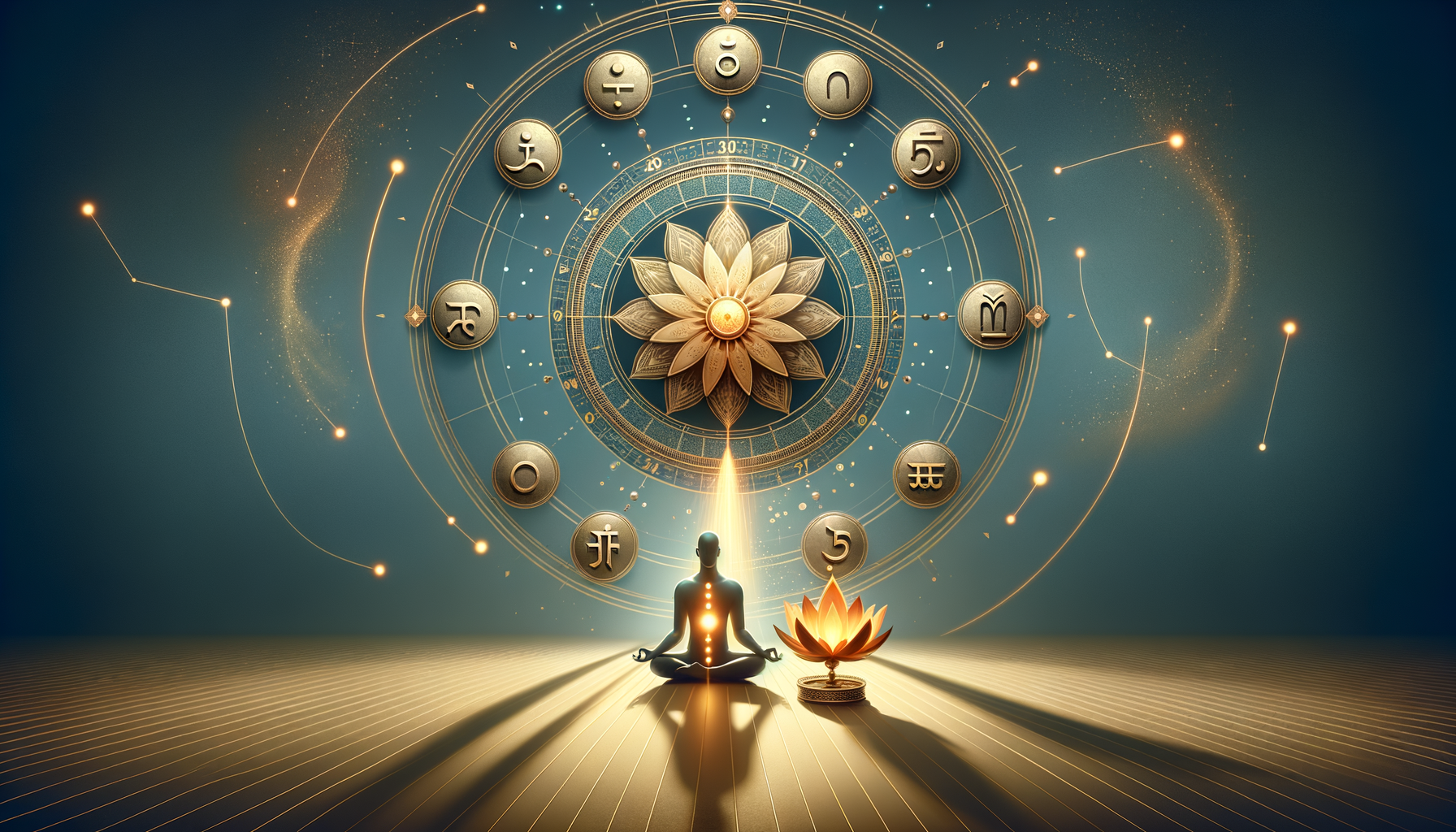
A respected Jyotish perspective holds that the lord of the 5th house (Panchamesh) indicates one’s Ishtadevata. Because the 5th rules purva-punya, mantra, and bhakti, aligning upasana with the Pancham Bhava strengthens sadhana and steadies the mind during doshas. This approach complements other classical methods while honoring the Dharmic ideal of many valid paths. Read as…