
-
Inside Viscount Valentia’s 1803 India Voyage: Opulence, Company Power, and Puri’s ‘Black Pagoda’
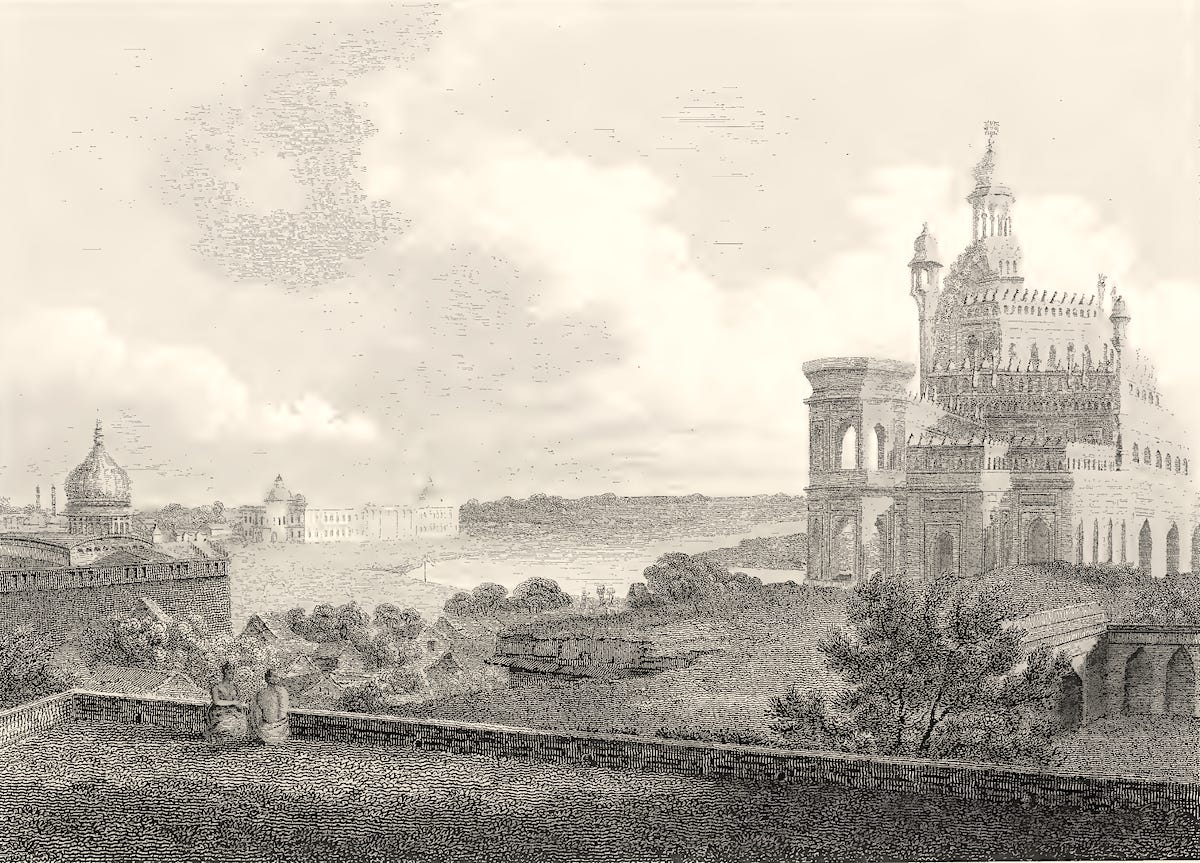
Viscount Valentia’s 1803 voyage moves from the Nicobar Islands to the Hooghly River, revealing how the East India Company fused spectacle and ceremony to project power. The narrative captures a barge’s opulence, courtly hospitality in Calcutta and Lucknow, and the subtle etiquette of inducement that shaped colonial politics. A telling phrase from Awadh“Lord Saheb ka…
-
How the Sahibzaade’s Martyrdom Ignited Two Teens’ Inner Mission and Lifelong Courage
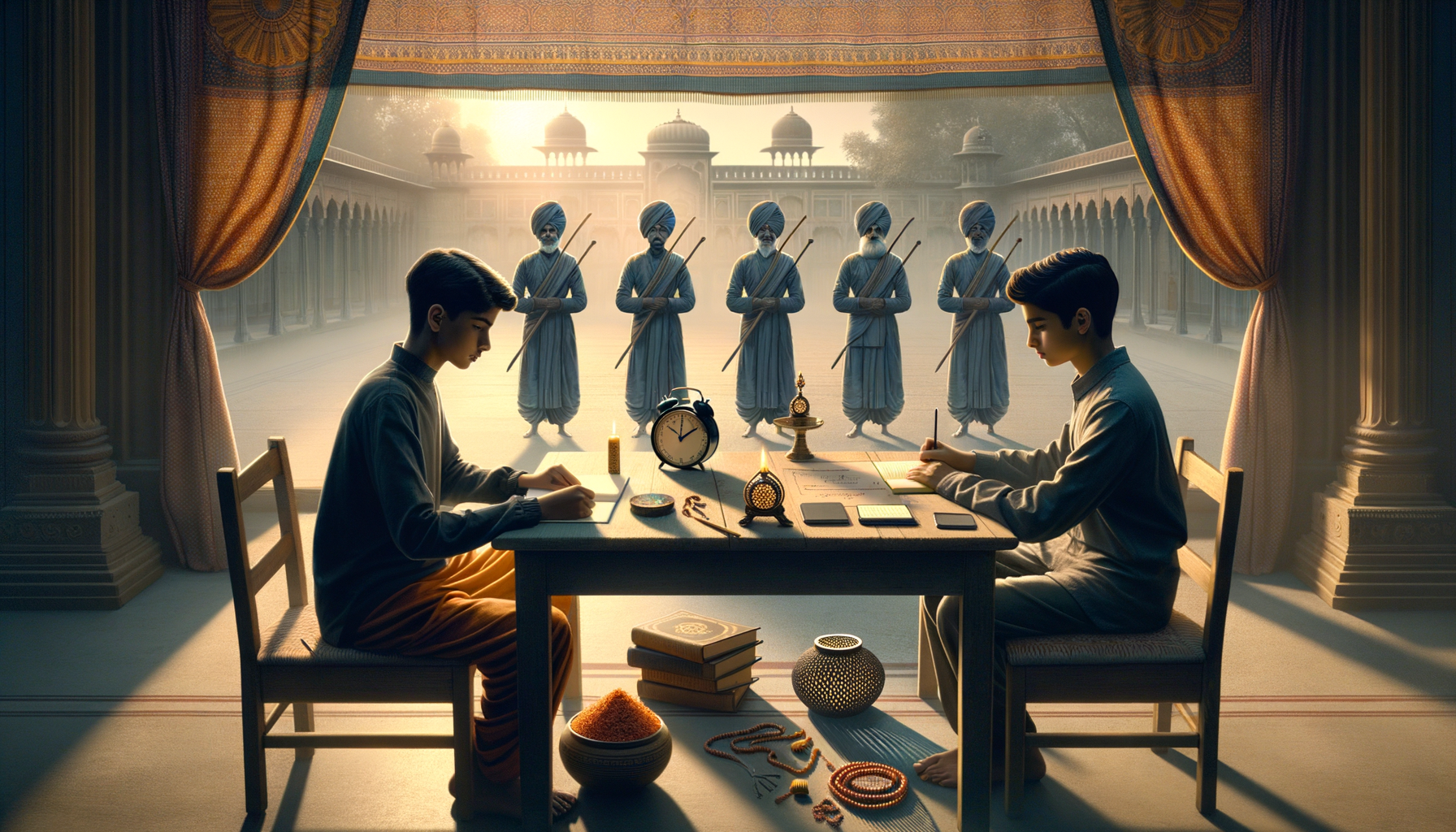
Two teenagers discovered a practical path to courage and clarity after studying the Sahibzaade’s martyrdom in a youth workshop. The narrative of Guru Gobind Singh’s sonsset around Anandpur Sahib, Chamkaur, and Sirhindbecame a framework for daily discipline. By linking seva, simran, and small vows (anuvrat) to study habits, the teens improved focus and reduced anxiety.…
-
Viscount Valentia’s Candid Defense of Slavery and Empire: A Stark Mirror to Colonial Mindsets
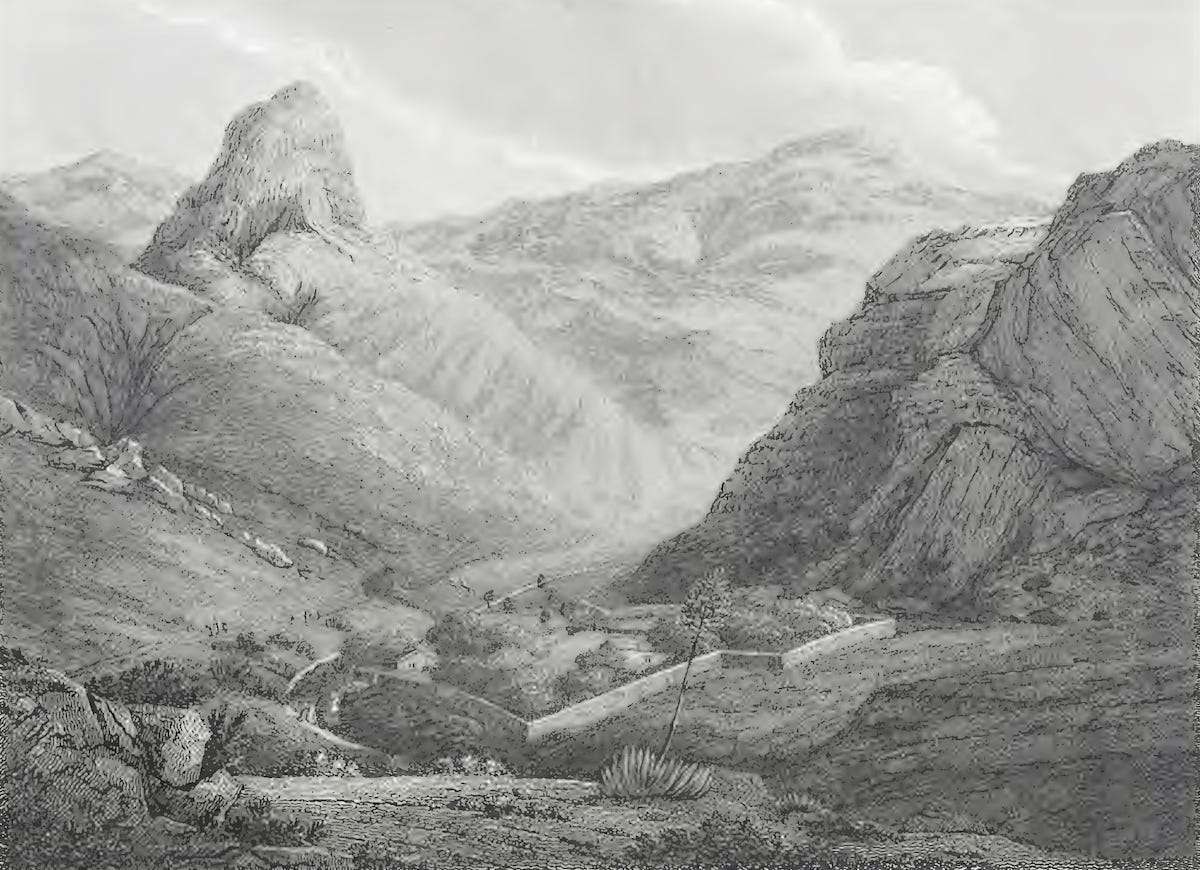
This analysis examines Viscount Valentia’s unapologetic support for colonial slavery and empire, using his own words to illuminate the inner logic of British Colonialism. Readers gain a clear view of how strategic paranoia, economic extraction, and religious rationalization underpinned imperial policy from St. Helena to Bengal. The discussion situates Valentia’s defense of slave-laws within the…
-
Viscount Valentia’s India Voyage: A Candid Colonial Chronicle and Dharmic Unity Lessons

This analytical retelling situates Viscount Valentia’s 1802–1806 voyage within the accelerating arc of British East India Company power and the late-Mughal political landscape. It highlights the work’s value as a meticulously dated primary source that blends geography, society, and statecraft across India, Ceylon, the Red Sea, Abyssinia, and Egypt. Readers gain a clear view of…
-
Bihar Verdict Decoded: Deep Dive into NDA’s Win, Voter Mood, and History’s Echoes

This in-depth analysis decodes the Bihar Assembly Elections, explaining how the NDA converted development messaging and organizational strength into a decisive majority while the INDI alliance struggled with coherence and seat conversion. It situates the result within Bihar’s longer historical arc, from Magadha’s statecraft to late 20th-century governance shifts, to clarify enduring patterns in voter…
-
Inside Sita Ram Goel’s Unanswered Challenge: Rethinking Marxist History for Dharmic Unity
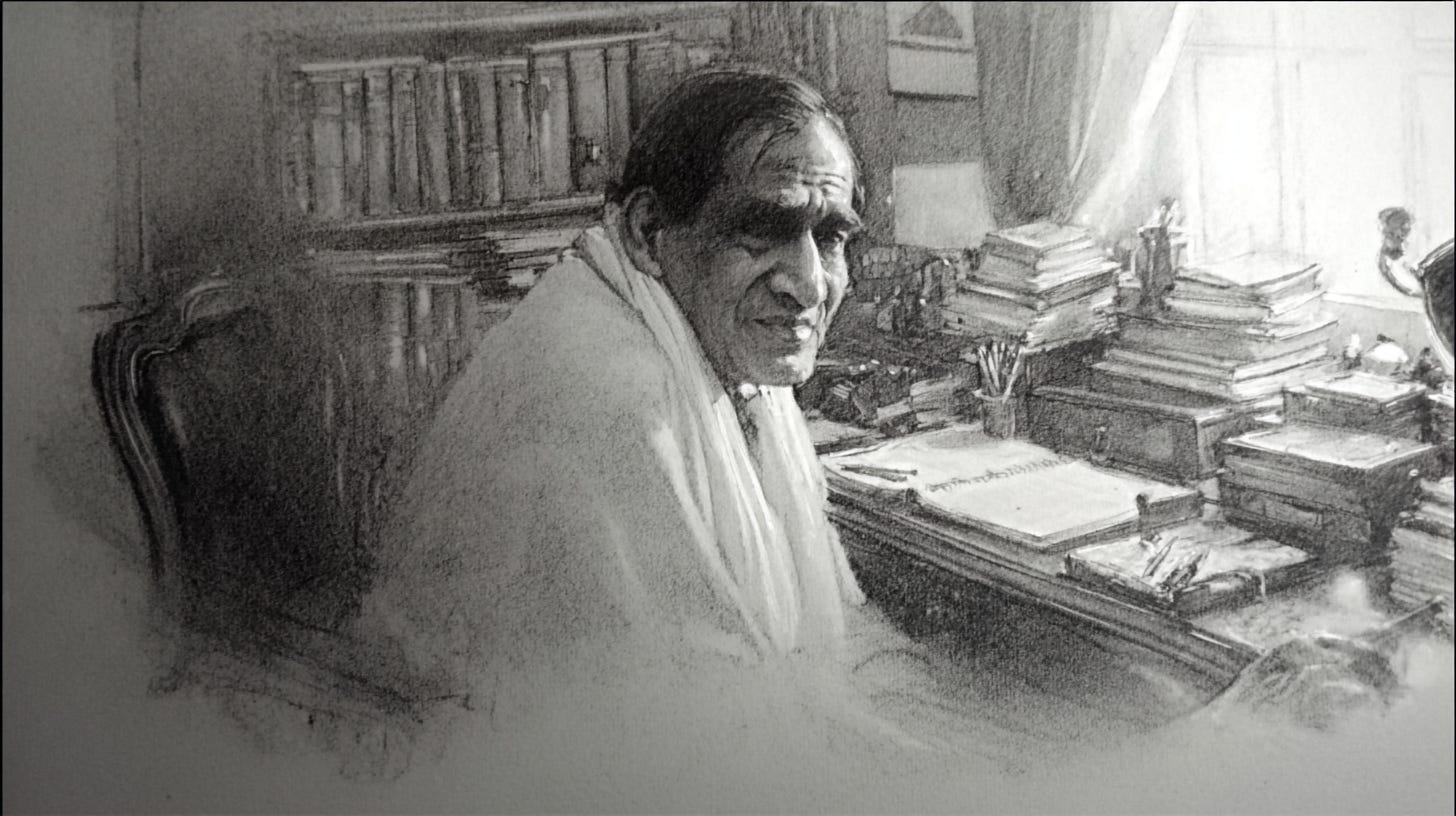
In 1986, a public exchange over reports on Qutub Minar and Mathura exposed how labels can pre-empt historical inquiry. The debate intensified when Sita Ram Goel, in 1991, issued a precise, evidence-based questionnaire asking for proof of a supposed Hindu “tradition” of destroying Buddhist and Jain monuments. No comprehensive response addressed his eight empirical requests…
-
Mata Sahib Devan’s Sacred Journey: From Rohtas to Anandpur Sahib and the Khalsa’s Spiritual Motherhood

Mata Sahib Devan’s journey from Rohtas to Anandpur Sahib is a cornerstone of Sikh history and a bridge to shared Dharmic values. Set within the cultural landscape of Punjab, the narrative reveals how personal devotion matures into public service. Her sanctification of Amrit with patashe symbolizes a lasting ethicstrength framed by compassion. Read in an…
-
Swadeshi on Wheels: Remembering Bepin Behari Das and India’s First Indigenous Car

Set in the ferment of early twentieth-century India, this analysis revisits Bepin Behari Dasoften remembered as a “forgotten Vishwakarma”and the claim associated with India’s first indigenous motor car. It situates the project within the Swadeshi Movement, framing the car as a symbol of industrial independence and cultural confidence. The discussion underscores limited archival evidence and…
-
Spiritually Rich, Politically Vulnerable: Why India Fell to British Ruleand Rose United

This analysis examines why a spiritually rich India became vulnerable to British Colonial Rule while preserving civilizational continuity. Drawing on Sri Sri Ravi Shankar’s cyclical metaphor of the seasons, it situates conquest within broader structural forcesEast India Company strategy, technological-military advantage, and administrative codification. It highlights how dharmic traditionsHinduism, Buddhism, Jainism, and Sikhismsustained social cohesion…
-
Bhakta Ramadasu of Bhadrachalam: Unwavering Bhakti, Trials, and the Triumph of Grace
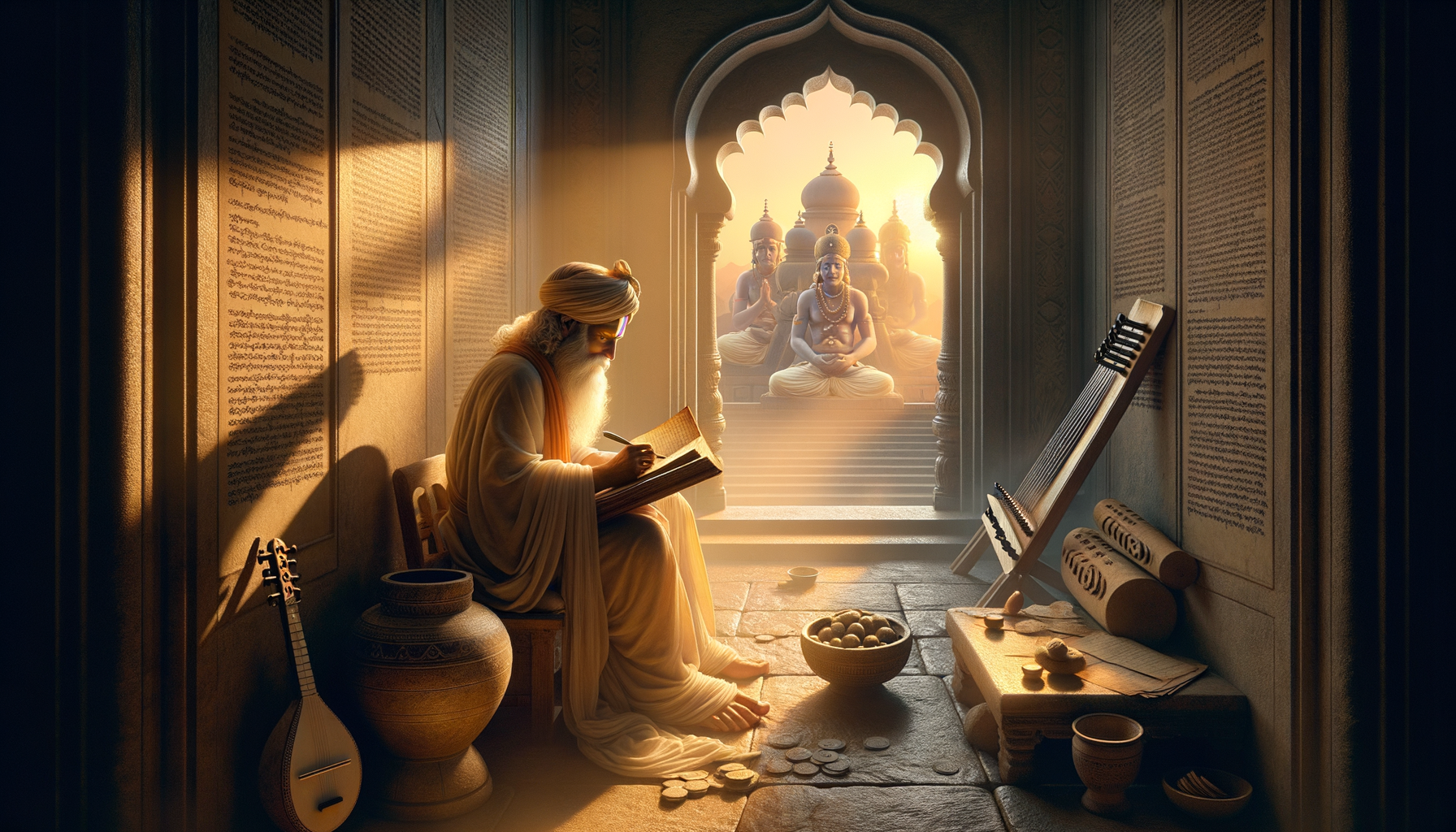
Bhakta Ramadasu (Kancherla Gopanna) exemplifies how unwavering bhakti turns hardship into spiritual strength. Serving under the Qutb Shahi Sultanate, his resolve to restore the Bhadrachalam Temple led to imprisonment, during which he composed enduring works like Ramadasu Keertanalu and Dasarathi Satakam. Hagiographies recount a moving legend of divine intervention, followed by the ruler’s respect for…
-
Kangra to Baku: The Sacred Fire Connection and India’s Maritime Legacy Reignited
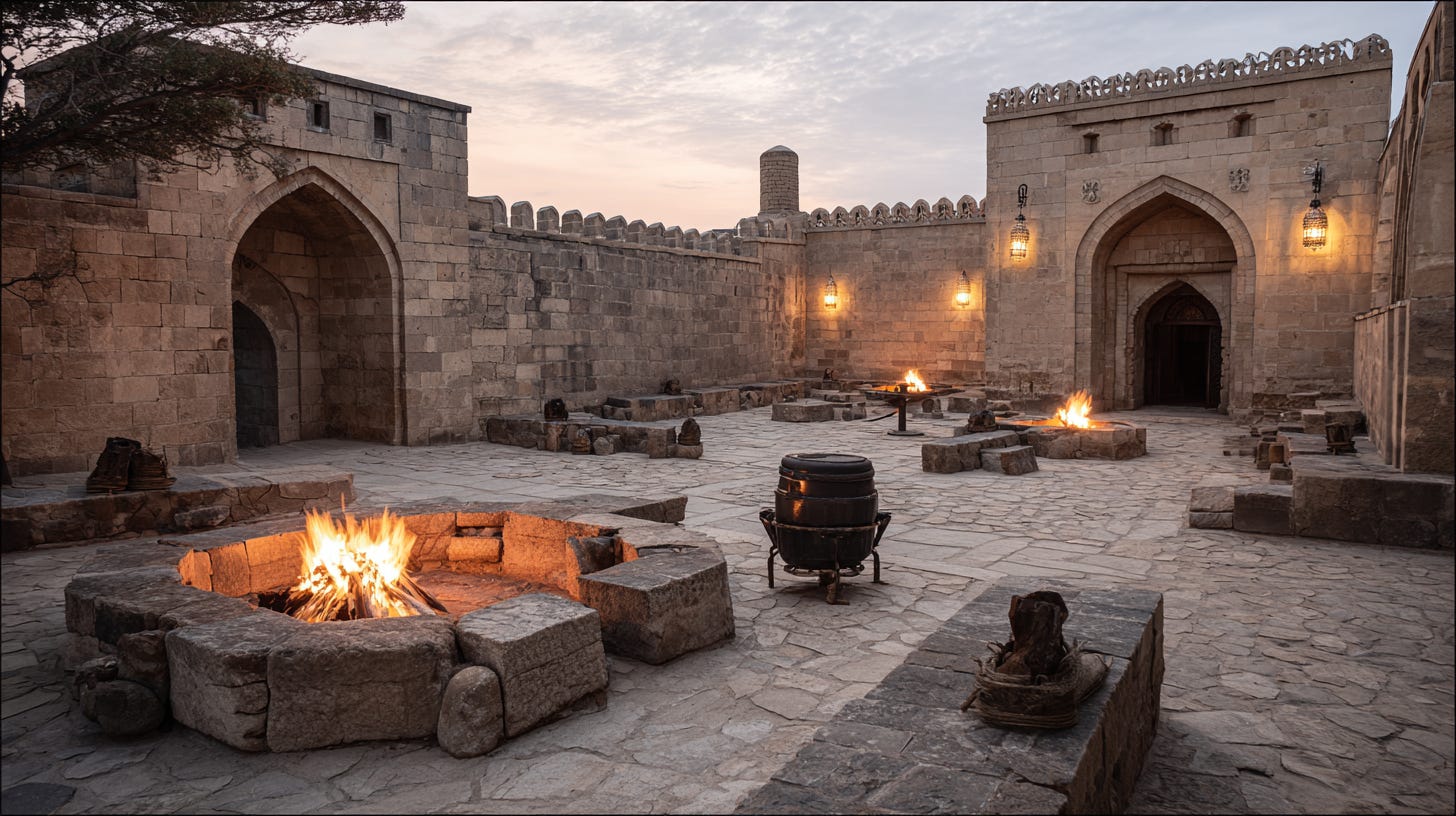
This essay revisits six millennia of Indian maritime and cultural exchange to illuminate a remarkable sacred link between the Jwalamukhi temple in Kangra and the eighteenth-century Jvalajitoday’s Ateshgahin Baku. Drawing on classic works by R. C. Majumdar and Moti Chandra, it situates the Baku shrine within wider trade routes connecting India to Central Asia. Inscriptions…
-
Discover the Complete, Untold Case of K V S Manian and a Post‑Independence Due‑Process Breakdown

This post explores the untold case of stenographer K V S Manian, whose livelihood was jeopardized in the immediate post-independence period amid the ban on the Rashtriya Swayamsevak Sangh (RSS). It situates the episode within the Jawaharlal Nehru–led government’s early security priorities and examines how administrative zeal can undermine due process. Readers gain a clear…
-
Baladeva Vidyabhushana: Essential Insights into a Gaudiya Vedanta Sage’s Legacy
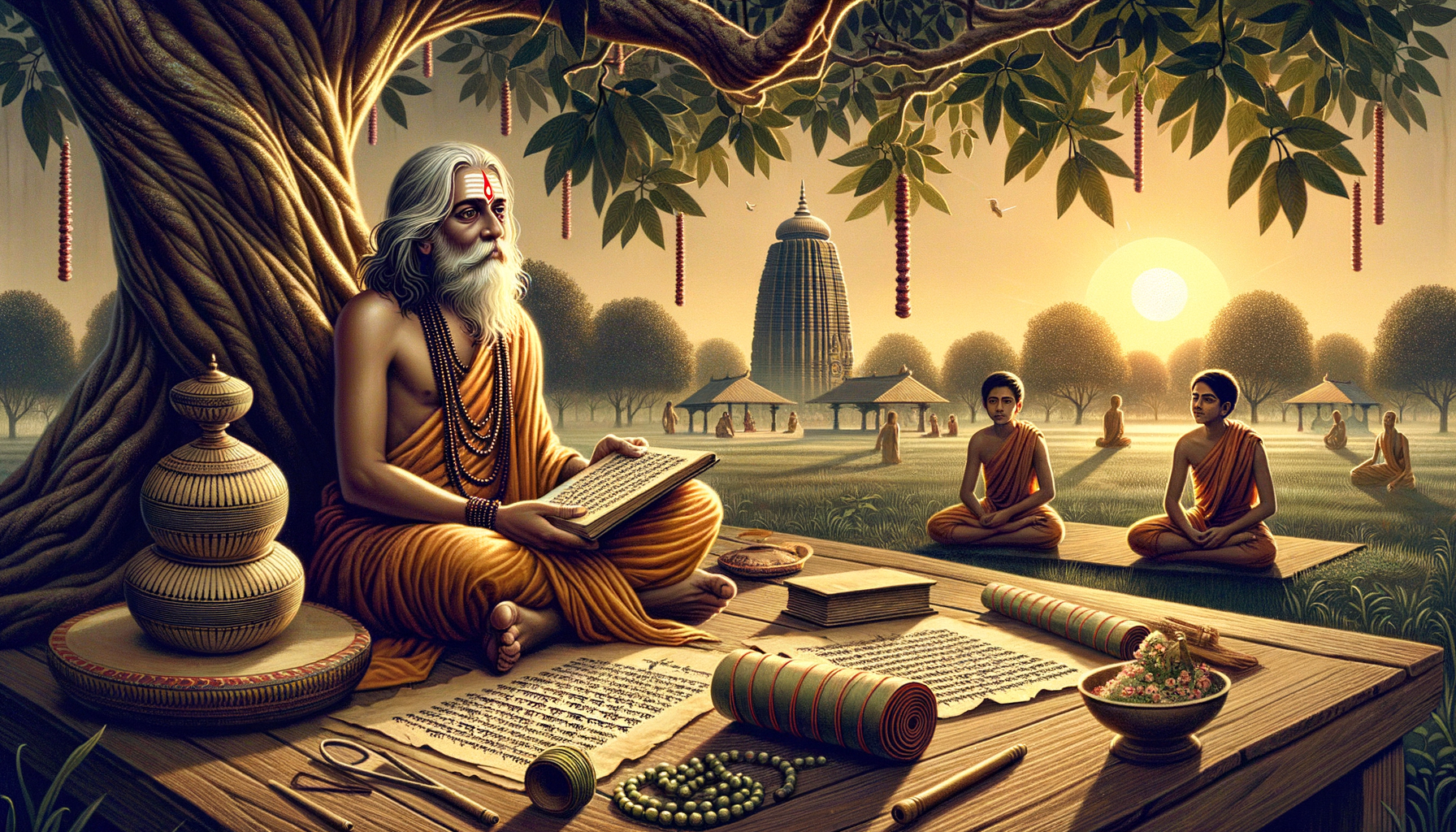
Baladeva Vidyabhushana emerges as a late eighteenth-century Gaudiya Vaishnava luminary whose life joins disciplined scholarship with living devotion. Trained under Vairagi Pitambara Dasa and Radhadamodara Dasa, author of Vedanta Syamantaka, he stands in a stream that unites Vedanta reasoning with Bhakti Tradition. His writing displays a measured Sanskrit clarity, demonstrating how scripture, ethics, and practice…
-
Discover the 1946 Mysore Palace Flag Demand: A Complete, Proven Lens on Partition Turmoil
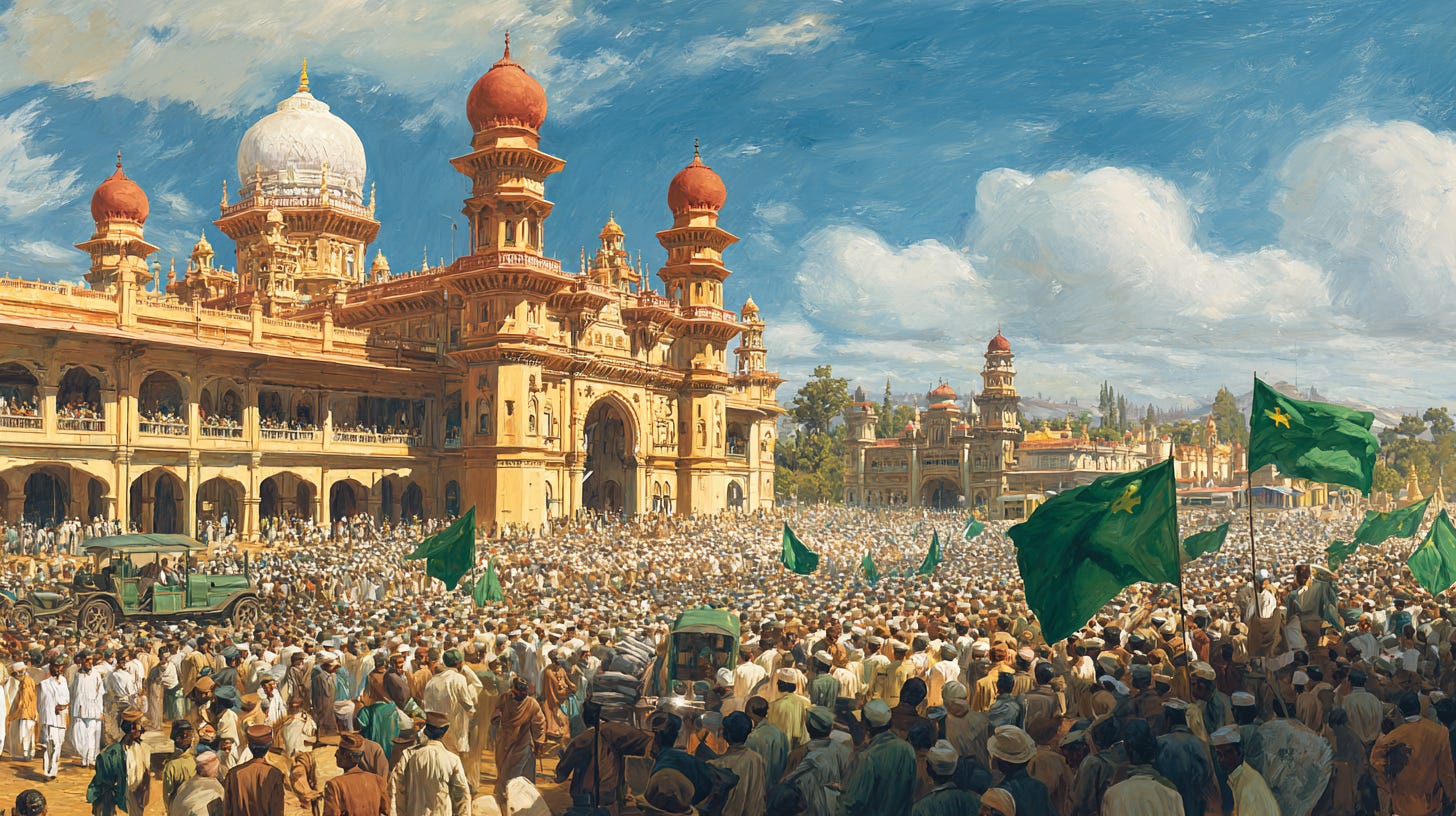
Circa 1946, undivided Bharatavarsha witnessed intensifying tensions surrounding the Pakistan movement, where symbols like flags often became flashpoints. Accounts recall a reported demand to hoist the Pakistan flag on the Mysore Palace, a moment that illustrates how political symbolism, princely authority, and public order intersected in the run-up to Partition. Situating the episode within outbreaks…
-
Discover R.C. Majumdar’s Unsparing, Evidence-Based Assessment of Gandhi’s Legacy
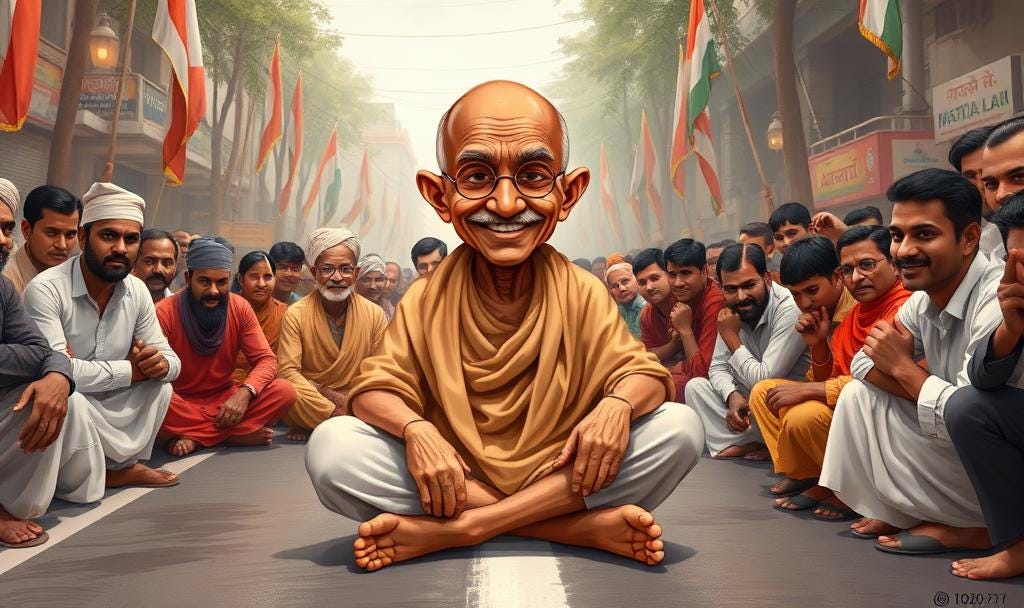
R.C. Majumdar’s authoritative study offers an unsparing, evidence-based assessment of Mohandas Gandhi’s legacy within the broader Indian freedom movement. Read alongside D.V. Gundappa’s Vruttapatrike, it illuminates how Gandhi’s rise reshaped public discourse and mass mobilization. The discussion balances admiration for moral leadership with a careful appraisal of practical outcomes and unintended effects. Readers gain a…
-
The Complete Inside Story: Ibādat Khāna, Secularism, and Academic Power Struggles

This analysis reconstructs K. K. Muhammed’s account of identifying the Ibādat Khāna at Fatehpur Sikri and the ensuing disputes with Prof. Irfan Habib at AMU, situating the episode within Indian historiography and academic power dynamics. It highlights how labels such as “secular” and “communal” have been deployed in institutional contexts, affecting careers, discourse, and public…
-
Complete Analysis of D.N. Jha’s Claims: Discover Facts, Context, and Dharmic Harmony

This academically balanced analysis explores the debates surrounding D.N. Jha, assessing his Marxist historiographical approach, its reception, and its impact on understanding Indian history. Readers discover how The Myth of the Holy Cow is interpreted both as source-critical scholarship and as insensitive to the cow’s sacred status in dharmic life. The discussion addresses concerns about…
-
From Troy to Kampilya: Discover the Proven, Unbroken Continuity of India’s Civilization

Why do some archaeological finds electrify the world while others feel quietly familiar to local communities? This essay explains how India’s living continuity of land, people, and story makes many “discoveries” corroborations of persistent memory rather than revelations. From Troy and Kampilya to Vedic Saraswati, Abhijit (Vega), and Dwaraka, it presents evidence for an accumulative…
-
Master the Politics of ‘Official’ History: A Complete Indic Guide to Transform Collective Memory

This essay examines how centralized, “official” historywhether colonial, Marxist, or nationalistcan erode India’s decentralized, living memory. It contrasts Western, top‑down historiography with Indic ethos, where society, not institutions, traditionally safeguarded memory across Hindu, Buddhist, Jain, and Sikh traditions. Citing the 1857 War of Independence and the Azamgarh Proclamation, it shows how living memory enabled coordinated…
-
Complete Case Study: How Campus Radicalization Shaped Saketh Rajanand Lessons for Unity

This academic case study analyzes the life and death of Saketh Rajan to explain how campus radicalization can take hold and how public narratives form in the wake of violence. It contextualizes Maoism within Indian history while emphasizing that radicalization can arise across ideologies. The piece outlines practical, constitutional safeguards for campusesmedia literacy, structured debate,…