
-
Powerful Truth: Why Erasing the Gītā and Yoga Sūtra Wounds Dharmic Unity

This article examines how denying the Hindu belonging of the Bhagavad Gītā and Patañjali’s Yoga Sūtra reflects a deeper problem in modern religious studies. It explains why the colonial history of the word “Hinduism” does not erase the older civilizational continuity of Hindu texts, practices, and lineages. The discussion places the issue within debates on…
-
How Dharma Survives: Powerful Oral Traditions That Preserve Living Wisdom
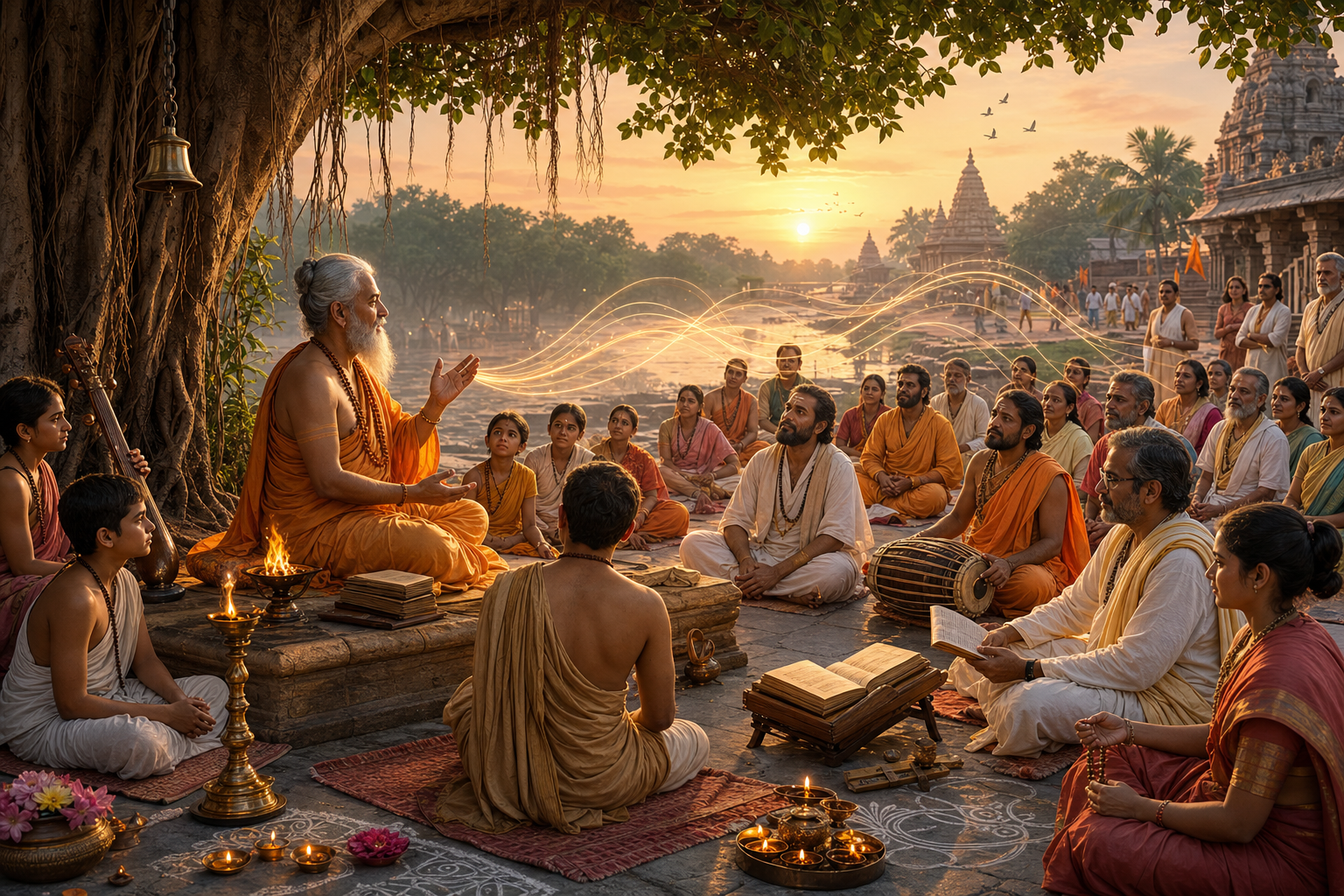
Dharma survives through living transmission, not through texts alone. This article explains how oral tradition, Guru-Shishya learning, ritual, Yoga, Katha, pilgrimage, festivals, music, and community practices preserve Sanatana Dharma across generations. It highlights the role of Sampradaya as a disciplined lineage of knowledge, interpretation, and practice. The discussion also shows how Hinduism, Buddhism, Jainism, and…
-
How Suspicion Distorts Hindu Studies and Why Dharmic Scholarship Needs Balance

This essay examines how the hermeneutics of suspicion can distort the study of Hinduism when it becomes an exclusive academic lens. It explains how Marxist readings may reduce Varna, Jati, Sanskrit texts, and Hindu philosophy to questions of power alone. It also analyzes the controversy around psychoanalytic interpretations of Sri Ramakrishna Paramahamsa and Swami Vivekananda,…
-
The Dangerous Power of Suspicion in Religious Studies and Dharma Traditions

This article examines the hermeneutics of suspicion and its influence on the academic study of religion, especially Hindu Dharma and broader dharmic traditions. It explains how Marx, Nietzsche, and Freud shaped a modern habit of reading religion as disguise, ideology, repression, or power. The discussion acknowledges the value of critical inquiry while warning against methods…
-
Constitutional Confusion: The Urgent Case for Fair Religious Studies in India
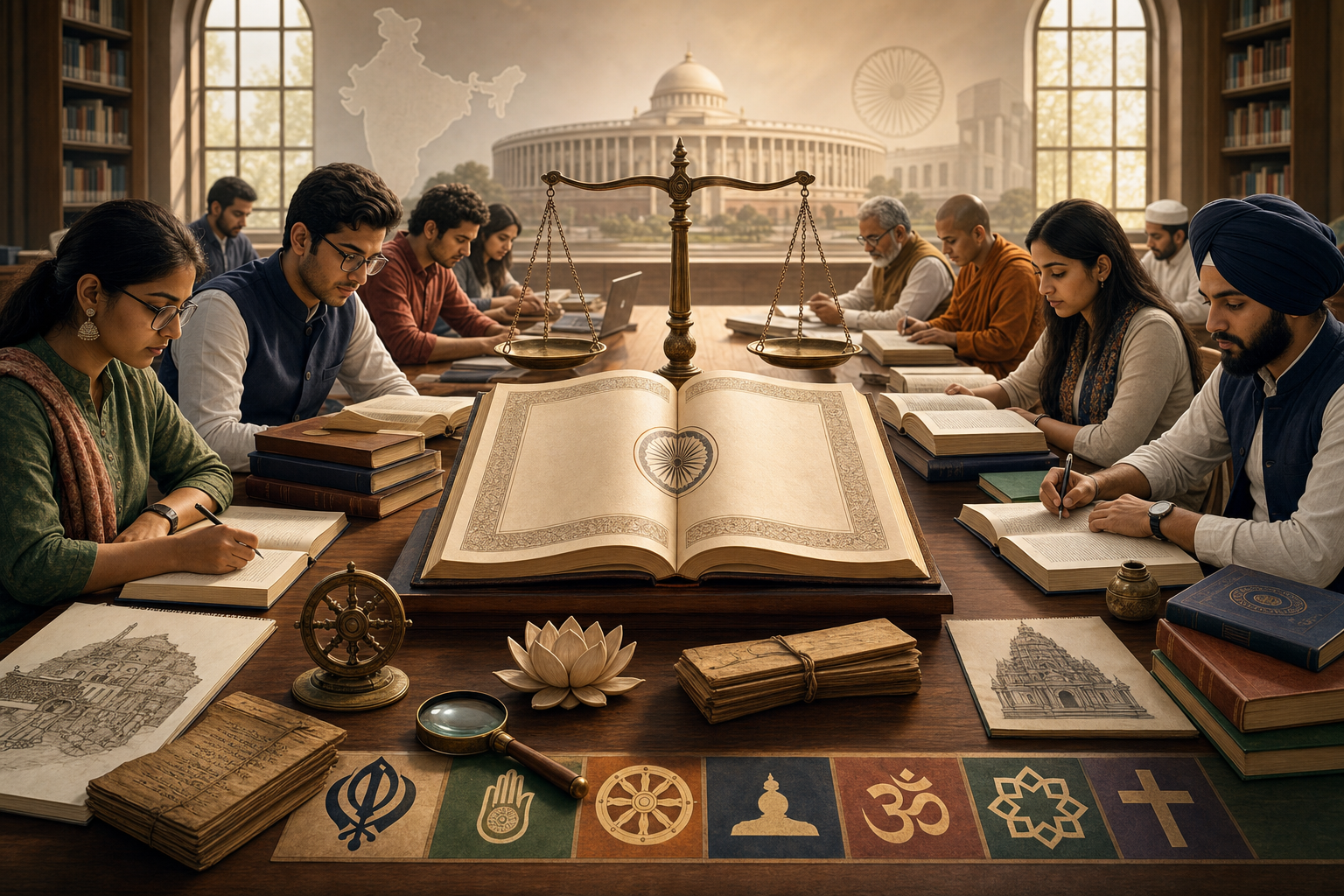
Article 28 of the Indian Constitution is often read as a strict barrier between religion and State-funded education, but the deeper issue is the difference between religious instruction and academic religious studies. This article explains why a secular republic can prohibit coercive religious teaching while still supporting rigorous scholarship on religion, philosophy, and civilization. It…
-
Why Dharma Studies Matter: Reclaiming India’s Civilizational Wisdom for the Future
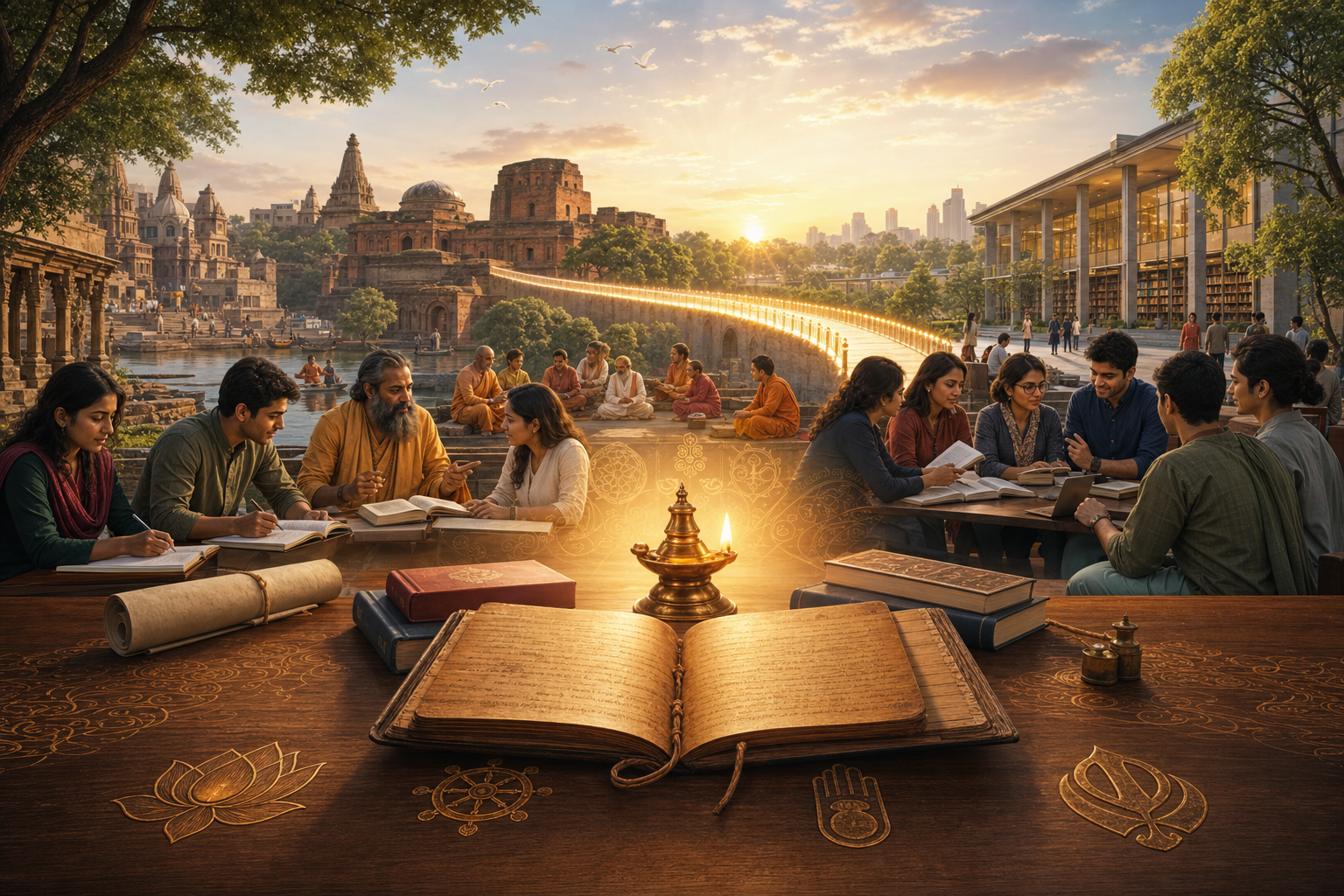
This essay explains why Dharma must remain central to any serious study of Indian civilization and the broader Dharmic traditions of Hinduism, Buddhism, Jainism, and Sikhism. It shows how India’s spiritual and intellectual heritage placed human transformation, ethical order, and transcendental realization at the heart of education and culture. The article examines how colonial frameworks…
-
Why Dharma Studies Matter: Three Powerful Ways Scholarship Can Shape the Future
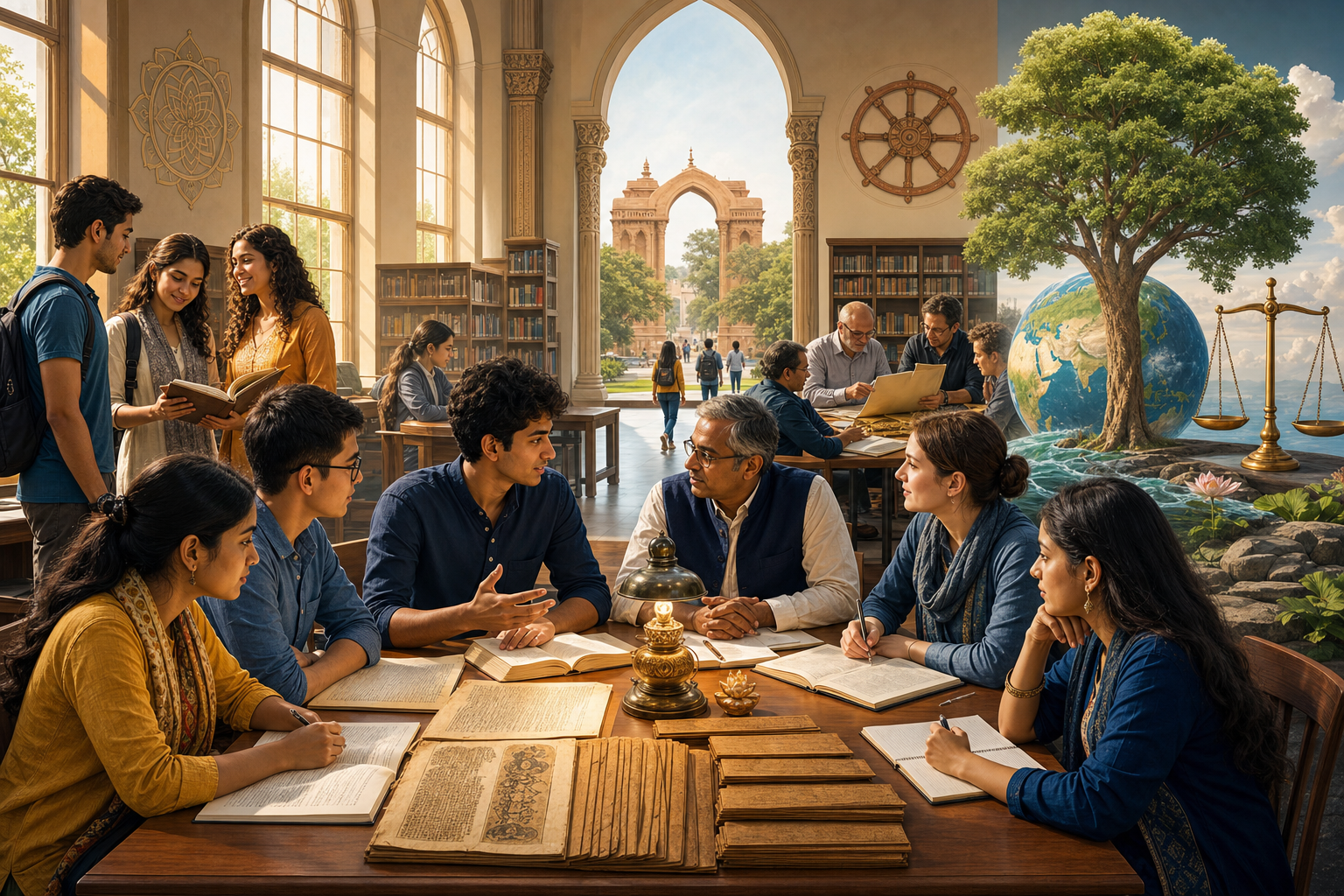
Dharma studies in mainstream universities matter because they help students of the Indian diaspora understand their inherited traditions with clarity and confidence. Academic courses on Hindu Dharma, the Bhagavad Gita, the Upanishads, and Dharmic traditions can turn cultural familiarity into informed knowledge. The creation of scholar-practitioners is equally important because public conversations about Hinduism need…