
-
Yogic Vision of Narayana: A Transformative Guide to Dhyana, Unity, and Srimad Bhagvatam 3.15.45
The exposition on Srimad Bhagvatam 3.15.45 at ISKCON Indore presents the divine form of Narayana as a real and transformative focus for meditation. It frames true yoga as disciplined mental absorptiondharana and dhyanaupon the Supreme dwelling in the heart. The narrative of Vaikuntha and Narayana’s four-armed iconography provides a precise meditative support, aligning with classical…
-
Who Was Madhava Dasar? A Profound Bhakti Legacy Across Vedas, Vedanta, and Vaiseshika

Madhava Dasar is remembered as a Brahmin exemplar who harmonized Vedic learning, Vedanta, and Vaiseshika with an accessible Bhakti ethos. Hagiographic accounts compare his householder ideal to Janaka, signaling ethical engagement in the world without attachment. His devotional legacyevoked in searches for “who is Madhava Dasar,” “Madhava Dasar Katha,” and “Madhava Dasar bhakti songs”illustrates how…
-
Gambhira’s Sacred Depths: Sri Chaitanya Mahaprabhu in PuriHistory, Bhakti, and Unity
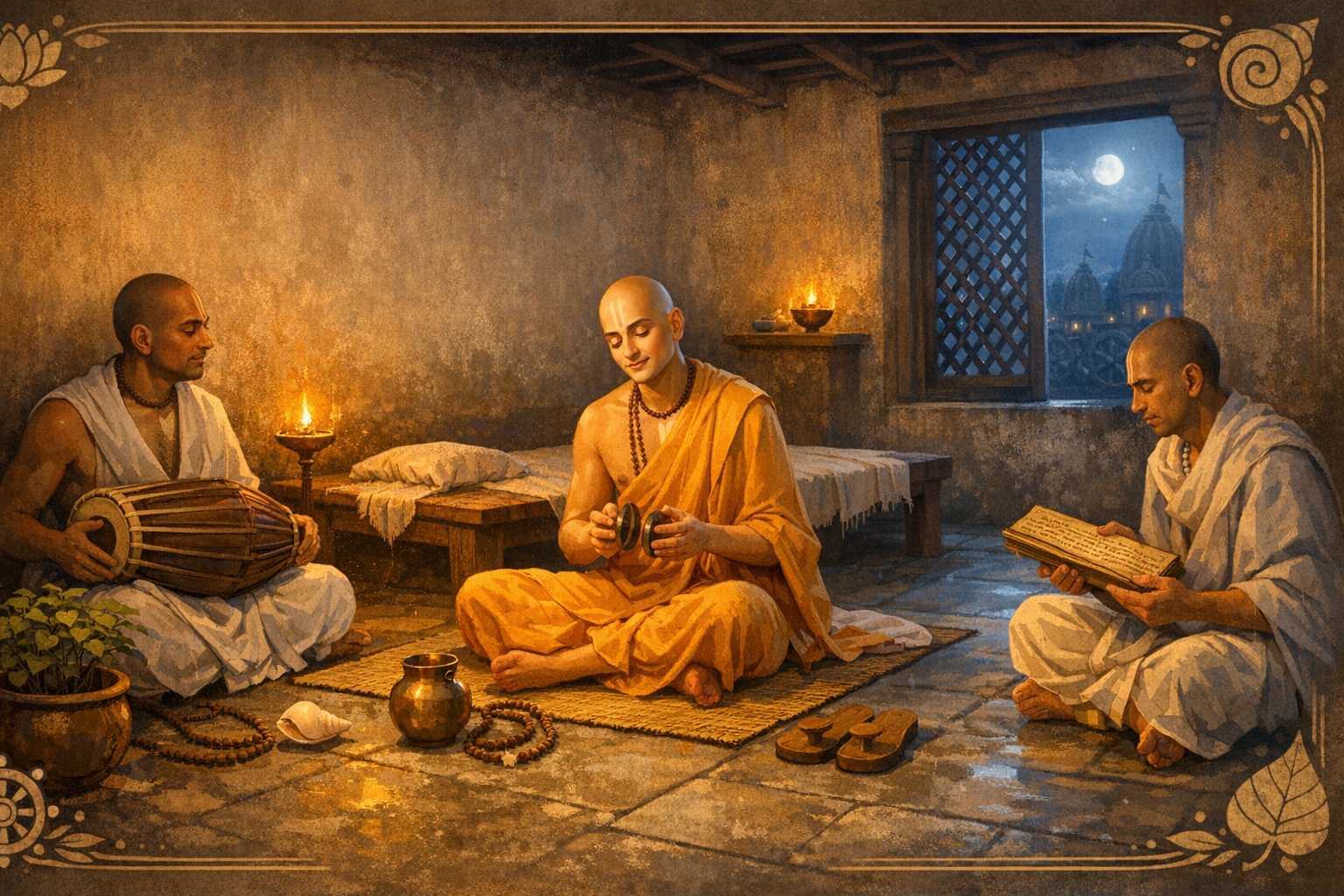
This in-depth study presents the Gambhira of Jagannath Puri as a pivotal site in the devotional history of Sri Chaitanya Mahaprabhu, connecting place, practice, and theology. It synthesizes insights from the rare Bengali work Gambhiraya Sri Gauranga with core Gaudiya texts to explain how nocturnal kirtan, scriptural recitation, and aesthetic theology shaped Mahaprabhu’s later years.…
-
Sacred Sound at Life’s Threshold: The Transformative Power of Om for Conscious Departure

This essay explores why chanting Om at the end of life is revered in Hinduism and how it supports a conscious, peaceful departure. Drawing on the Bhagavad Gita and the Upanishads, it explains Om as a symbol of total consciousness and a practical aid for liberation (moksha). It highlights how regular mantra-japa, meditation, and pranayama…
-
Purandaradasa’s Radical Renunciation: A Moving Lesson in Devotion, Detachment, and Seva

This reflection highlights Purandaradasa’s renunciation as a powerful illustration of wealth rededicated to the Divine and society. It emphasizes the difficulty of detachment while showing how devotion and seva can reorder priorities. The narrative connects shared Dharmic idealsaparigraha, dana, tyaga, and sevaacross Hinduism, Buddhism, Jainism, and Sikhism. Readers gain practical guidance: dedicate money, time, and…
-
Sri Parasara Bhattar: Grace-Filled Lineage and Bhakti Legacy in Vaishnavism
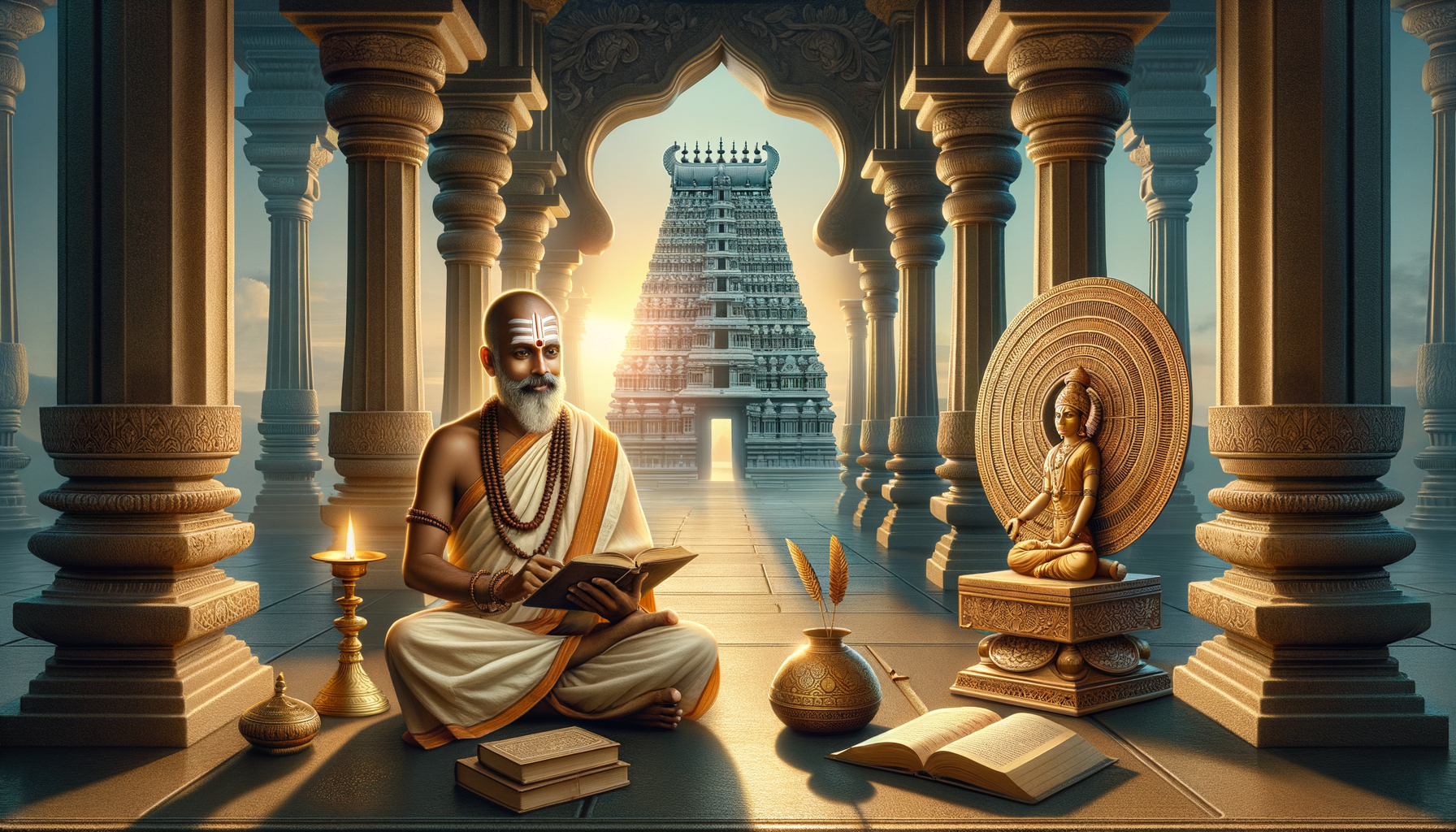
Sri Parasara Bhattar is honored in Vaishnavism as a luminary of the bhakti tradition, remembered for devotion, humility, and clarity of thought. Born through the grace of Sri Ranganatha and named with affection by Sri Ramanuja, his life exemplifies the strength of lineage and the guru-disciple tradition in Hindu spiritual practice. The account of his…
-
Sri Umapathi Sivam: A Luminous Shaivite Sage from Chidambaram’s Sacred Tradition

Sri Umapathi Sivam, a 13th-century Shaivite sage of the Dikshithar lineage, embodied the living fusion of Vedic learning and devotional practice in Chidambaram’s sacred ecosystem. His mastery of the Vedic scriptures and contributions to Shaiva literature exemplify how scholarship and bhakti can mutually reinforce spiritual clarity. Rooted near the Thillai Natarajar Temple, his life highlights…
-
Mystic Power of the Divine Name: How Chanting Awakens the Heart across Dharmic Traditions

This reflection addresses a classic paradox in devotional life: if the Name of God is truly transcendental, what is achieved through congregational chanting? Drawing on Bhaktivinode Thakur’s insight that the Name descends and acts upon the heart, it explains how chanting functions as cooperation with grace rather than a human conquest. The analysis clarifies why…
-
Mahanubhav Sampradaya: 13th-Century Origins, Key Differences, and Transformative Teachings

This introduction to the Mahanubhav Sampradaya situates the tradition in 13th-century Maharashtra and the wider Bhakti movement, highlighting Shri Chakradhar Swami’s role and the veneration of five gurus. Readers gain a clear overview of its important teachingsBhakti, ethical discipline, simplicity, and inclusivityand how these shape daily practice. The article clarifies key differences from other Bhakti…
-
Kundika Upanishad: Powerful Lessons on Sannyasa, Inner Freedom, and Dharmic Unity

The Kundika Upanishad, a Sannyasa Upanishad linked with the Sama Veda, presents renunciation as the culmination of a dharmic life aimed at moksha. Across 34 verses, it unites ethical restraint, contemplative practice, and radical simplicity into a coherent path for inner freedom. Its symbolismcentered on the kundika (water pot)speaks to purity, service, and sustainability. The…
-
Kurukesha, Disciple of Ramanujacharya: A Revered Beacon of Sri Vaishnava Wisdom

Kurukesha is honored in Sri Vaishnava tradition as a devotee-disciple of Ramanujacharya who exemplified humility, disciplined practice, and compassionate service. While historical details are limited, devotional memory preserves his role in transmitting Visishtadvaita Vedanta and strengthening the Bhakti Tradition through study, worship, and community service. This portrait highlights practical lessons for today: inclusive institutions, shared…
-
Jagadadhipati Siddhas in Hinduism: Cosmic Masters, Compassionate Guides, and Dharmic Unity

Jagadadhipati Siddhas are portrayed in Hinduism as perfected beings whose inner mastery reflects the cosmic sovereignty of the Divine. The term “Jagad Adhipati” denotes the Supreme as lord of the universe, and siddhas embody that rulership through humility, wisdom, and compassionate service. Scriptural motifsfrom Purāṇas to Yoga-śāstra and Upanishadic insightstress that genuine attainment prioritizes inner…
-
Manthanabhairavatantra: Unveiling Kubjika’s Shakti and the Western Kaula’s Living Wisdom

The Manthanabhairavatantra is a monumental Shakta scripture centered on Goddess Kubjika and Bhairava, anchoring the Western Kaula tradition. It presents a unified vision of energy and awareness, integrating mantra, ritual, and meditation with a nuanced map of consciousness and kundalini awakening. The churning metaphor makes complex metaphysics vivid and emotionally resonant, offering readers an accessible…
-
Chant Shiva’s Eight Sacred Names for Inner Peace, Focused Mind, and Spiritual Awakening

Chanting the eight sacred names of Shiva (Ashtanama Shiva) offers a concise, effective practice for inner peace, focused attention, and spiritual clarity. Each nameBhava, Sharva, Rudra, Pashupati, Ugra, Mahadeva, Bhima, and Ishanaembodies a distinct contemplative quality that strengthens resilience and compassion. Practiced as mindful nama-japa with calm breathing and clear pronunciation, it enhances attentional stability…
-
Panchmukhi Hanuman Unveiled: Powerful Symbolism of Five Divine Directions and Protection
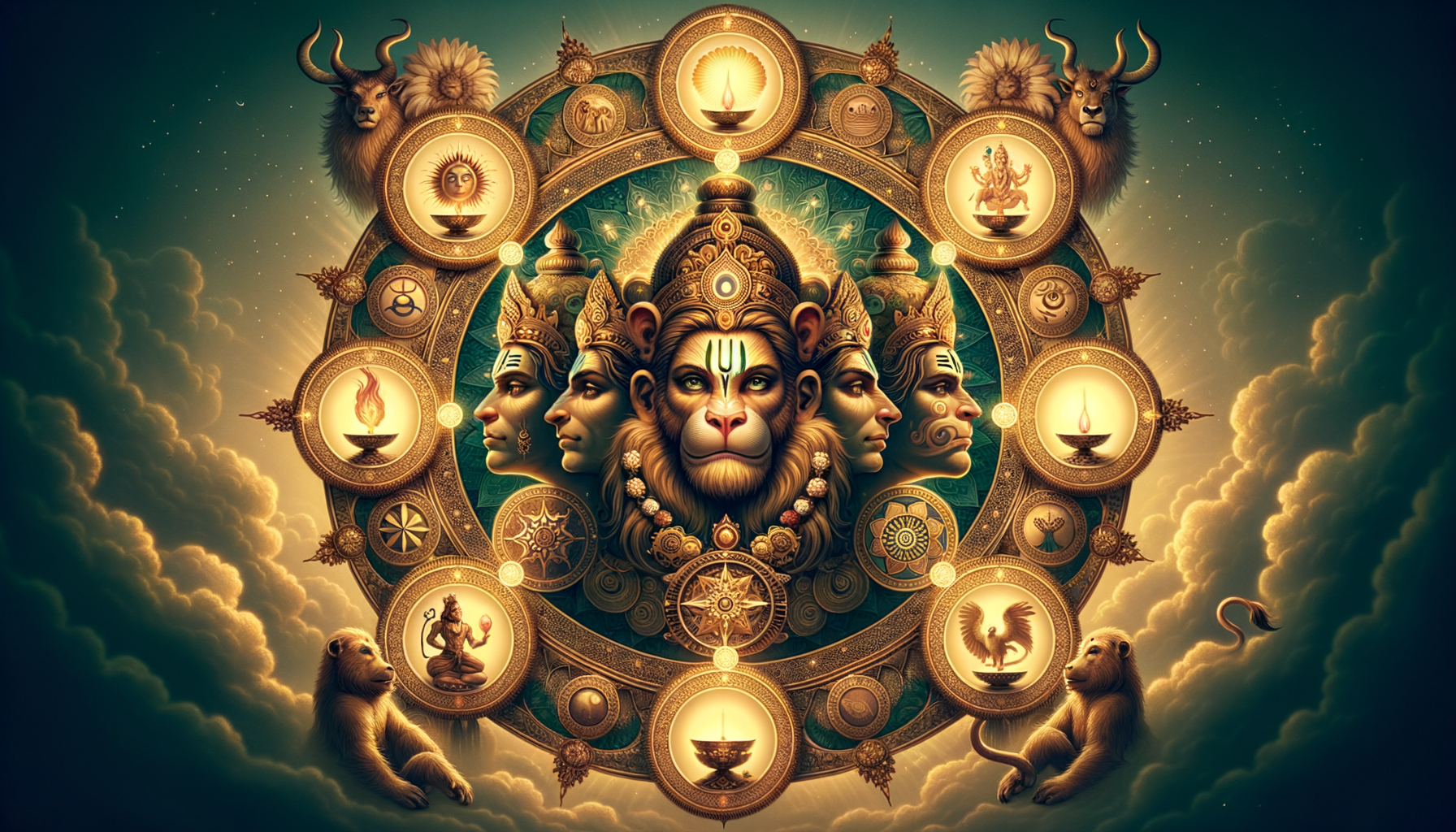
Panchmukhi Hanuman, the five-faced form of Hanuman, symbolizes protection and guidance across the five directions while uniting devotion, courage, vigilance, stability, and knowledge. Each faceHanuman, Narasimha, Garuda, Varaha, and Hayagrivaembodies a distinct spiritual energy that supports daily practice and contemplative focus. The form resonates with core Indic ideas such as the five elements, five vital…
-
Decoding Dakshinakali: The Powerful Tantric Meaning of Jackals in Cremation-Ground Iconography

Tantric depictions of Dakshinakali with jackals in the cremation ground form a precise symbolic language that teaches fearlessness, compassion, and inner integration. The jackals signify liminality, time’s change, and the recycling of what is discardednothing lies outside the Goddess’s compassionate gaze. This iconography affirms ecological and ethical interdependence by revering even life’s overlooked processes. Parallels…
-
Honoring His Grace Gokulendra Das: Lessons in Devotion from Rhodes University to ISKCON

This tribute reflects on His Grace Gokulendra Das (Greg), a Rhodes University student in early 1970s South Africa whose disciplined devotion and study converged meaningfully. Recollections note that he met Ksudhi Prabhu in 1972 or 1973 and often hitchhiked after Friday lectures, a choice that signaled uncommon commitment. His example shows how scholarship and spirituality…
-
Srila Prabhupada’s Stinson Beach Recovery: Healing, Resolve, and Lessons in Spiritual Leadership
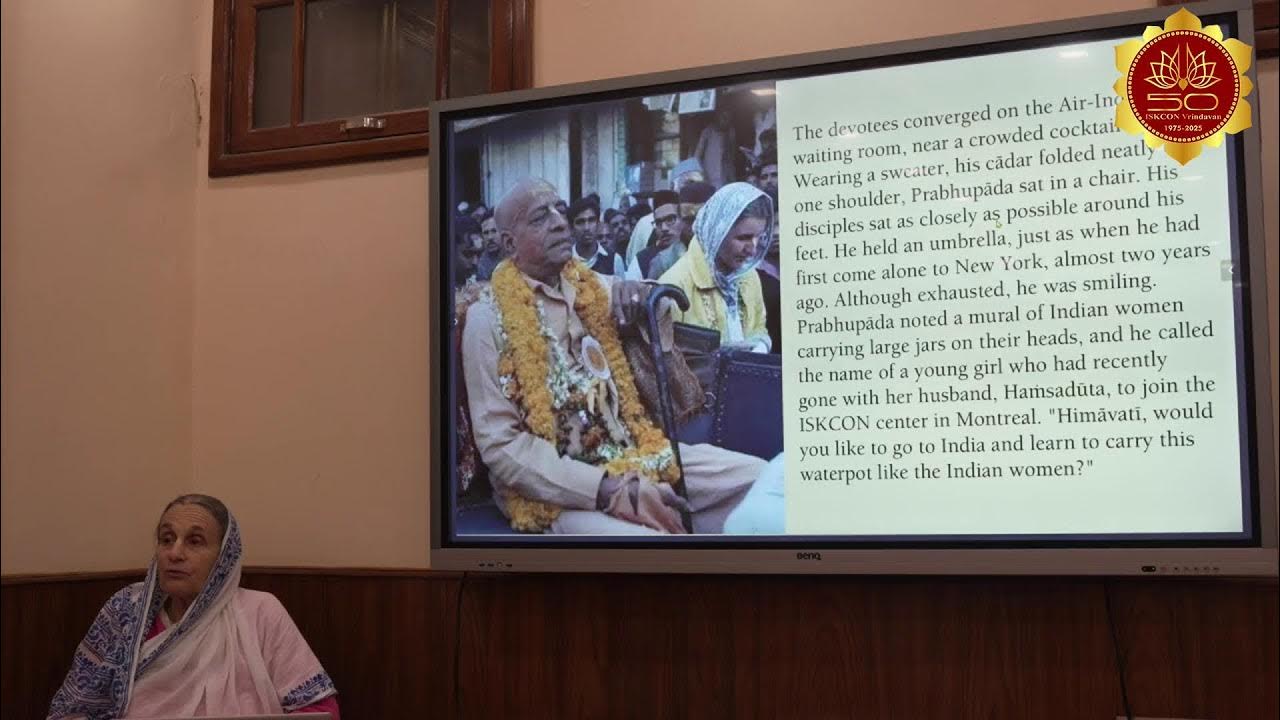
During recovery from a stroke at Stinson Beach, Srila Prabhupada recognized that insufficient sunlight hindered healing and chose to return to India via San Francisco → New York → London → Moscow → Delhi. Unable to travel to the temple, he still conducted initiations at the beach, demonstrating steadfast guidance within the Guru-Shishya Tradition. The…
-
The Potter’s Gift and the Wasted Vessel: Hinduism’s Powerful Life Symbol and a Call to Purpose

The parable of the potter and the pot in Hinduism teaches that human life is a carefully crafted vessel meant to hold wisdom, compassion, and purposeful action. Read in the light of the Bhagavad Gita and the Upanishads, the vessel represents the body-mind where dharma is lived and moksha is pursued. The image resonates across…
-
Broken Pot in Hindu Death Rituals: Powerful Symbolism of Impermanence, Grief, and Liberation

In Hindu death rituals, the breaking of a clay pot during Antyeṣṭi powerfully symbolizes impermanence, the release of attachments, and the soul’s onward journey. The water’s steady drip reflects the fading of prāṇa, while the final shatter marks the clear separation of body and atman. This rite provides emotional structure for mourners, transforming raw grief…