
-
Bliss in Cosmic Harmony: Align Individual Life with the Universal Rhythm in Hindu Thought

Hindu philosophy teaches that genuine bliss arises when individual life resonates with the universal rhythm, a harmony expressed in the Upanishadic vision of atman and Brahman. This essay grounds the idea in scriptural sources, including tat tvam asi, sarvam khalvidam brahma, and the Gita’s view of the yogin who perceives unity in diversity. It clarifies…
-
Unlocking Truth: Six Pramāṇas in Hindu Philosophy and How They Strengthen Modern Thinking

This long-form guide explains the six pramāṇas of Hindu philosophypratyakṣa, anumāna, upamāna, arthāpatti, anupalabdhi, and śabdaand shows how they collaborate to produce reliable knowledge. It clarifies acceptance across Nyāya, Mīmāṃsā, Vedānta, Sāṃkhya-Yoga, Carvāka, and connects these insights with Buddhist, Jain, and Sikh approaches. Readers learn concrete criteria for perceptual reliability, how to build and test…
-
Healthy Jiva Seminar Insights: Harnessing Vedic Wisdom for Body–Mind–Atma Harmony and Resilience

The “Healthy Jiva” seminar by HH Bhanu Swami (Fri 06 Mar 2026) distilled a Vedic, evidence-aligned model of health that integrates the gross body, the subtle body, and the atma. It explained how imbalances propagate across layers, clarifying why mind-body practices such as asana, pranayama, meditation, and bhakti stabilize well-being. Drawing on tri-sharira, pancha-kosha, and…
-
Seeing the Banyan in a Seed: Profound Hindu Wisdom on Infinite Potential and Dharmic Unity
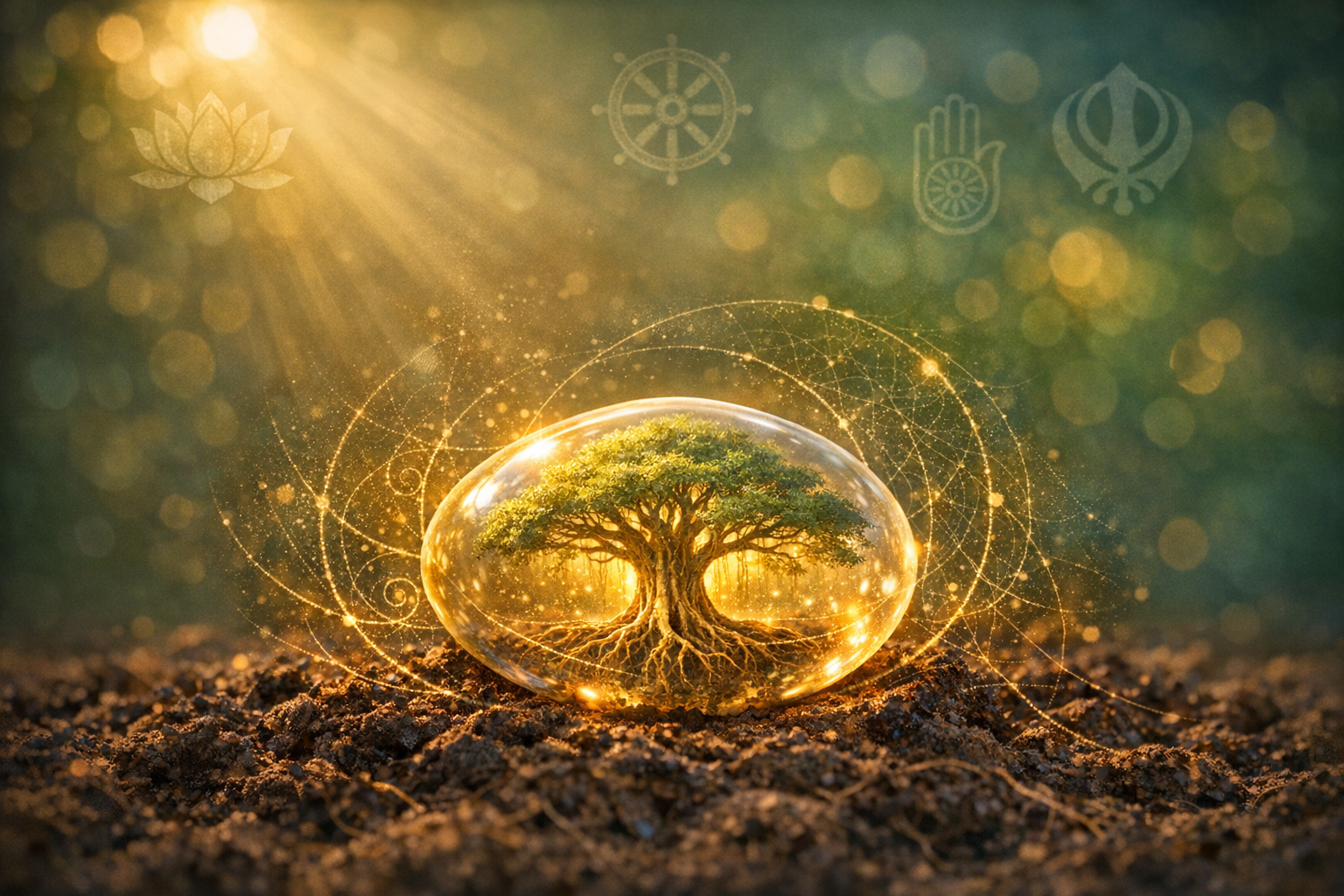
Hindu wisdom describes spiritual vision as the ability to perceive wholeness within the smallest fragment of reality, symbolized by seeing a vast banyan in a tiny seed. Drawing on the Chandogya and Mundaka Upanishads, the discussion clarifies how potentiality unfolds lawfully into form and how this insight aligns with Vedanta, Sankhya-Yoga, and systems science. Convergences…
-
Two Yet One: Advaita Vedanta’s Science of Oneness and a Dharmic Bridge across Traditions

The teaching ‘you and I are two persons; yet we are one’ expresses Advaita Vedanta’s core insight: empirical plurality and ultimate unity coexist without contradiction. This long-form exploration clarifies Brahman, Atman, and the roles of maya and avidya, situating ethics and devotion within a rigorous non-dual framework. Drawing on the Upanishads and the Bhagavad Gita,…
-
Break Free from Fragmentation: Seeking the Whole in Vedanta and Dharmic Paths for Inner Peace

This article unpacks the insight that suffering arises from fragmentation and shows how Vedanta and the broader dharmic traditions offer a precise remedy by seeking the whole. It explains avidya through the Upanishads and the Bhagavad Gita, connects Yoga’s kleshas and eightfold discipline to integration, and brings in Buddhist, Jain, and Sikh perspectives that converge…
-
Beyond Ego: Unmasking Supreme Truth in Dharmic Wisdom for Inner Freedom and Clarity

This article explores a core paradox in Hindu philosophy: the Supreme Truth exists prior to the ego, and practices driven by self-importance obscure rather than reveal it. Drawing on the Upanishads, Bhagavad Gita, and Advaita Vedanta, it shows how sadhana matures from acquisition to attunement. It connects Hindu insights with Buddhism’s anatma, Jainism’s Anekantavada, and…
-
From One to Many, Back to One: Profound Hindu Wisdom on Unity, Diversity, and Moksha

This article explores a core Hindu teaching: the one reality (Brahman) appears as the many and is ultimately realized as one again. Drawing on the Upanishads, Vedanta, and the Bhagavad-Gita, it explains how Atman and Brahman are identical and why this insight supports compassion, ahimsa, and respect for diverse paths. It highlights Hinduism’s inclusiveness through…
-
Beyond the Fleeting: Sanatan Dharma’s Timeless Path to Inner Freedom and Untold Riches

Modern life amplifies distraction, yet Sanatan Dharma teaches how to see beyond the fleeting and rediscover what truly endures. By cultivating viveka and vairāgya, seekers learn to distinguish the permanent from the impermanent. The Bhagavad Gītā and Upanishads frame this insight with clarity, while Yoga practices translate it into daily stability. The puruṣārthas align ethical…
-
United in Sankirtana: Why Cooperation Powers Krsna Consciousness and Dharmic Harmony

This reflection presents Srila Prabhupada’s teaching that cooperation is the essence of spiritual progress. Rooted in the example of Caitanya Mahaprabhu, it clarifies how Sankirtanamany voices joined in kirtanaunites diverse communities without erasing their uniqueness. The piece explains why shared practice fosters trust, dissolves ego, and translates individual intent into collective strength. It highlights the…
-
Why the Mind Never Feels Enough: Ancient Dharmic Wisdom to End the Endless Pursuit

External success often brings brief joy before restlessness returns; ancient Hinduism teachings explain this as the mind’s habit of seeking satisfaction in impermanent objects. Dharmic traditions agree on the diagnosis and the remedy: reduce craving, cultivate clarity, and align action with values. Practices such as aparigraha, santosha, pratyahara, dhyana, and seva transform the pursuit of…
-
Upanishadic Wisdom and the Profound Oneness of Life: A Call to Spiritual Solidarity

The Upanishads present a clear and compelling teaching: all life is fundamentally one. By illuminating the non-dual relationship between ātman and Brahman, these scriptures ground ethics in spiritual unity and inspire compassion in action. Their inclusive approach honors multiple pathsjñāna, bhakti, karma, and dhyanasupporting religious pluralism and interfaith harmony. Resonating with Buddhism, Jainism, and Sikhism,…
-
Indra’s Crown vs. a Beggar’s Freedom: The Astonishing Dharma Paradox of Real Happiness

Hindu philosophy contrasts Indra’s celestial power with a beggar’s unburdened freedom to reveal how non-attachment, not possession, anchors lasting happiness. Upanishadic insight, Bhagavad Gita ethics, and the shared perspectives of Buddhism, Jainism, and Sikhism converge on a single truth: clinging creates suffering, while Aparigraha and Vairagya cultivate inner sovereignty. Psychologically, the paradox aligns with the…
-
Shiva Needs Shakti: Devi Upanishad’s Powerful Lesson on Consciousness and Energy
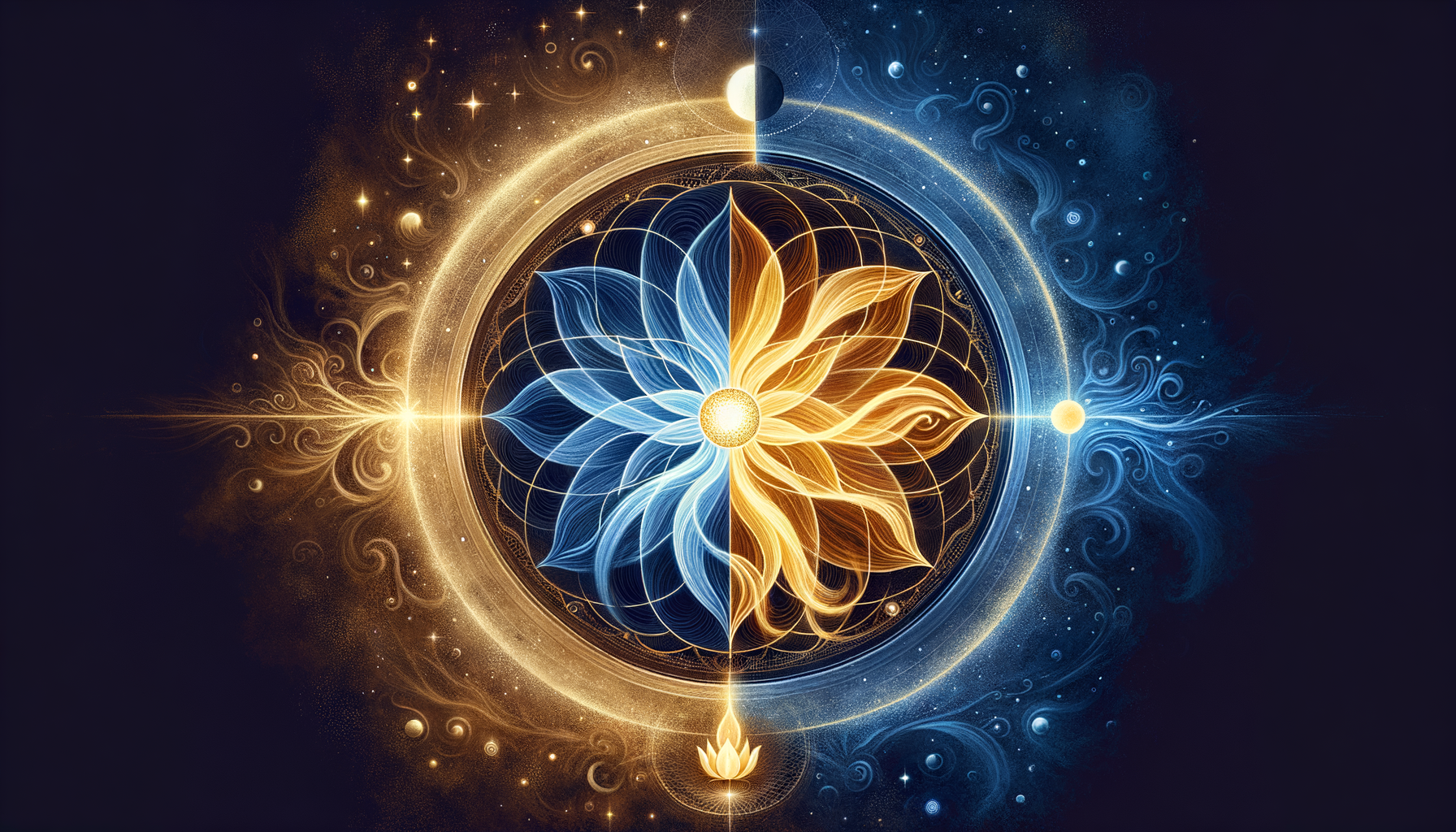
The Devi Upanishad teaches that Shiva (pure consciousness) and Shakti (dynamic energy) are inseparable, revealing that true power arises from their sacred union. This insight reframes metaphysical power as integrative, not hierarchical: awareness without energy remains inert, and energy without awareness lacks direction. Everyday experience reflects this balance, where clarity must meet purposeful action to…
-
Harihara’s Sacred Synthesis: Uniting Vishnu and Shiva as a Living Symbol of Oneness
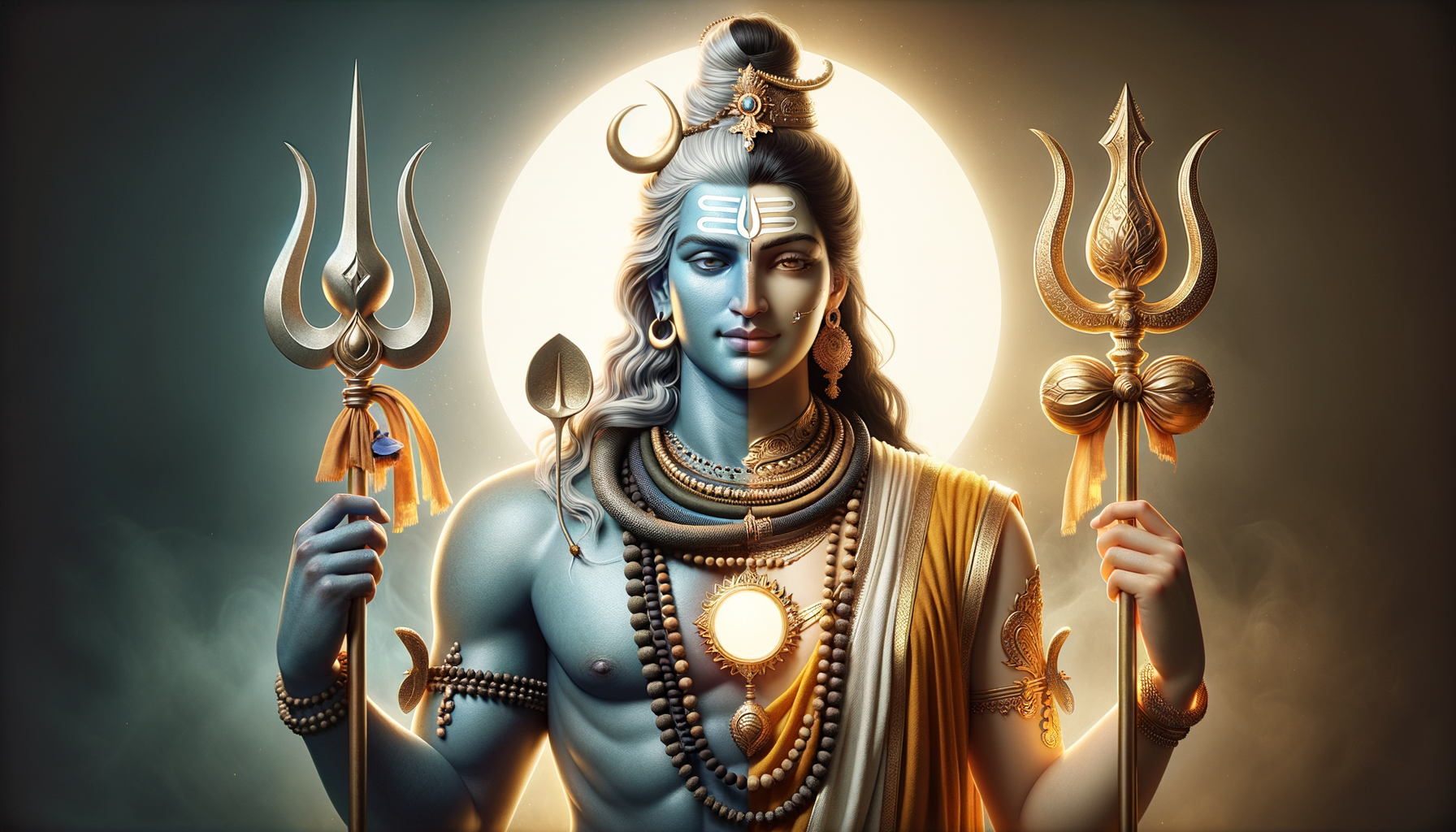
Harihara, the composite form of Vishnu (Hari) and Shiva (Hara), embodies Hinduism’s profound principle of unity in diversity. Its iconography fuses preservation and transformation, offering a clear ethical model: protect what is essential while courageously renewing what has run its course. The image resonates with non-dual insights, Bhakti devotion, and plural worship centered on Ishta,…
-
Reclaim Consciousness with Timeless Hindu Wisdom: Upanishadic Insights for a Unified Dharma

Hindu philosophy presents consciousness as the essence of existence, summarized by the Mandukya Upanishad’s “Ayam atma brahma.” This post clarifies how witnessing awareness (sakshi) and the four states culminating in turiya offer a practical framework for modern life. It outlines accessible methodspranayama, mantra japa, and meditationto improve focus, emotional balance, and resilience. Ethical foundations (yama…
-
Ishvara in Advaita Vedanta: Unveiling the Compassionate Face of Non-Dual Reality
Advaita Vedanta explains Ishvara as Brahman perceived through Maya, reconciling devotion to a personal deity with the non-dual insight of Nirguna Brahman. This two-level approachultimate and empiricalanchors ethical life, ritual, and meditation without sacrificing philosophical rigor. Many practitioners find that devotion to Ishvara offers emotional solace and moral orientation, while inquiry reveals the one Reality.…
-
Avadhuta’s Radical Stillness: Transformative, Goal‑Free Awareness across Dharmic Traditions

This reflection examines the Avadhuta ideal in Hinduism as a disciplined, goalless awareness that reveals freedom without withdrawal from life. It clarifies that “sitting and watching” is rigorous witness-consciousness (sakshi-bhava), not apathy or inertia. The discussion situates this insight within Advaita Vedanta and aligns it with parallel practices across Buddhism, Jainism, and Sikhism, highlighting unity…
-
Unshaken Cosmos, Quiet Mind: Aligning with Dharma for Lasting Peace and Inner Resilience

This reflection explores how the universe remains steady despite mental turbulence and how dharmic disciplines cultivate alignment with that steadiness. It highlights convergent insights from Hinduism, Buddhism, Jainism, and Sikhism that guide equanimity, ethical living, and social harmony. Readers gain practical methodsbreathwork, mantra japa, mindfulness, scripture contemplation, and nature-based rhythmsto calm anxiety and increase resilience.…
-
Hamsa Ksheera Nyaya Explained: Cultivating Wise Discernment Across Dharmic Traditions

Hamsa Ksheera Nyayathe swan’s ability to separate milk from wateroffers a powerful model of discernment in Hindu philosophy and allied Dharmic traditions. It refines judgment (viveka), aligning truth-seeking with ethical clarity and practical wisdom. Drawing on the Upanishads, Vedanta, and Nyaya, this maxim translates into daily skills for navigating information overload, relationships, and moral complexity.…