-
Hatha Yoga Explained: Powerful Discipline, Breath, and the Deeper Meaning of Yoga

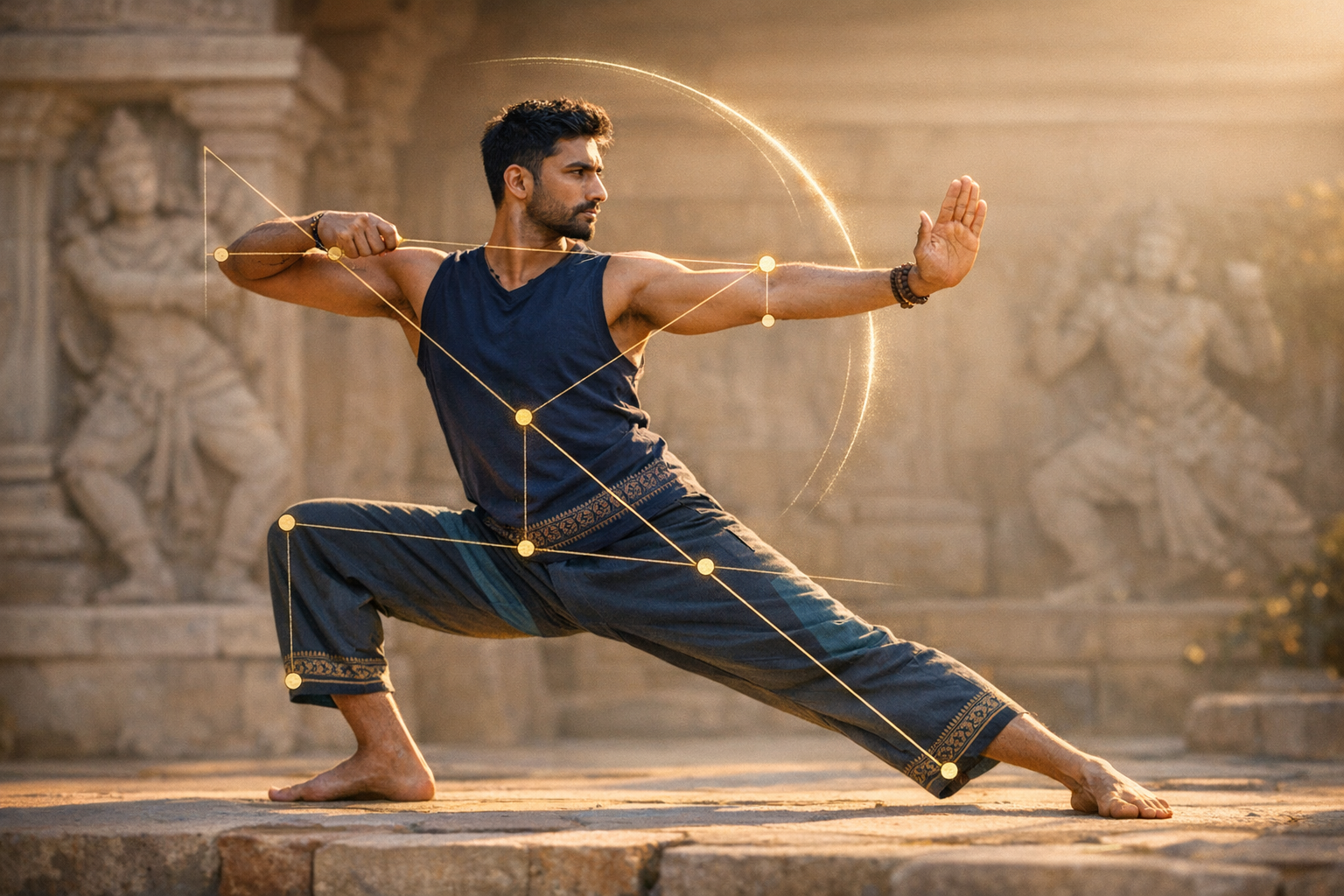
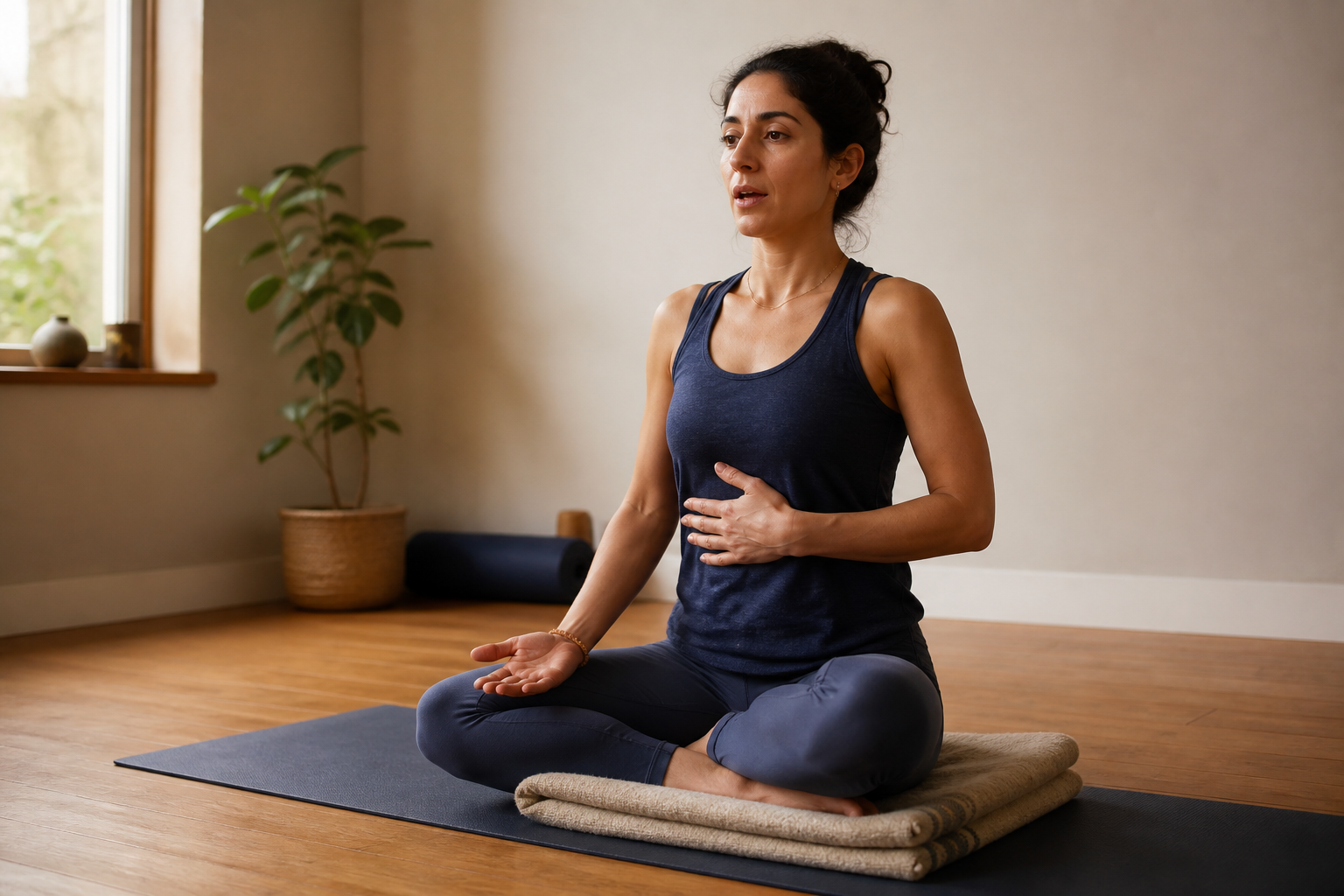
Hatha Yoga is not separate from yoga, but a disciplined branch within the larger yogic tradition. It uses asana, pranayama, mudra, bandha, cleansing practices, and focused awareness to prepare the body and mind for meditation. The term Hatha can indicate force or effort, while later interpretations also associate it with the balancing of solar and…
-
Yogi Dileep’s Quiet Power: From Kerala Roots to the Global Rise of Yoga Day

This long-form reflection examines the life of Dileep Kumar Thangappan, known as Yogi Dileep or Guruji, and his quiet role in the global recognition of International Yoga Day. It traces his Kerala childhood, interfaith family background, formative trauma, early yogic influences, and association with teachers such as Swami Bua. The article explains how yoga moved…
-
Kerala’s Quiet Yoga Pioneer: Powerful Journey from Fire to the United Nations

Yogi Dileep Kumar’s journey reveals how yoga moved from intimate household practice in Kerala to a recognized global observance at the United Nations. His life was shaped by interfaith family roots, community care, a near-fatal childhood fire, and the guidance of several spiritual masters. The article explains his association with Swami Bua, his early struggles…
-
Shiva, Adiyogi, and the 84,000 Mudras: Sacred Movement as Inner Awakening

Shiva as Adiyogi represents the sacred union of stillness, movement, consciousness, and disciplined practice. The tradition of 84,000 mudras should be understood as a symbol of vast spiritual possibility rather than a simple numerical catalogue. Mudras function as embodied philosophy, linking posture, breath, attention, prana, mantra, ritual, and inner transformation. This expanded treatment explains their…
-
Layayoga in Hinduism: A Powerful Path to Dissolve Mind into Brahman via Nada and Kundalini

Layayoga, the yoga of dissolution, offers a rigorous pathway in Hinduism to absorb sensory, mental, and energetic activity into subtler awareness until the nondual identity of atman and Brahman is self-evident. Rooted in the Yoga Upanishads, Hatha Yoga, and Raja Yoga, it employs pratyahara, refined pranayama, mantra, and inner sound (nada) to stabilize attention in…
-
Decoding the Nathpanthis: Distinctive Marks, Sacred Symbolism, and Their Modern Relevance

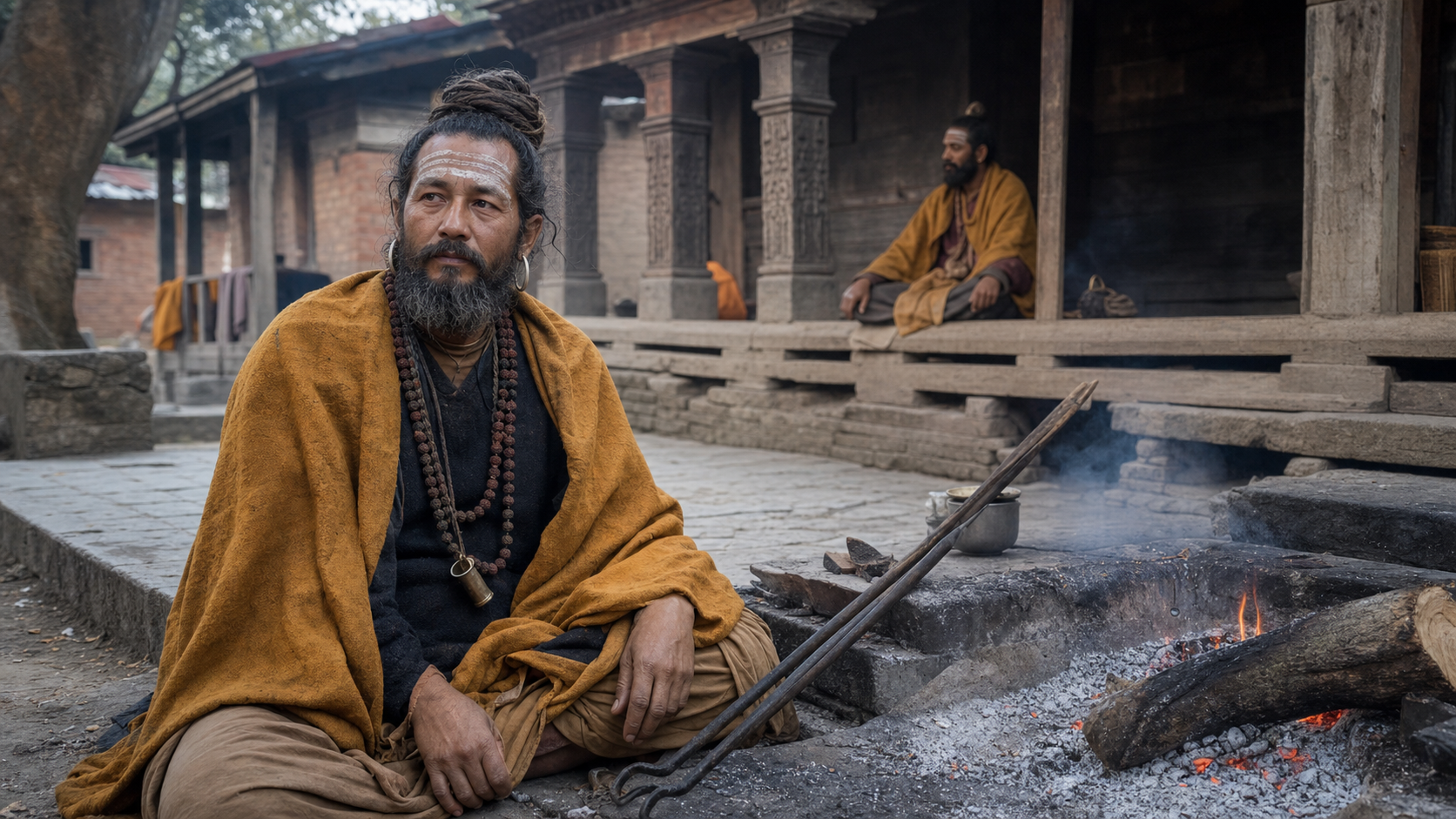
The Nathpanthis (Kanphata Yogis) can be respectfully identified by a constellation of signssplit-ear kundalas, tripundra ash, rudraksha malas, jata, austere robes, and mantric salutations such as “Alakh Niranjan” and “Adesh.” This long-form guide explains what each marker means, how it functions within Shaivite practice, and how Nath monastic settings (mathas, akharas, dhunis) provide context. It…
-
International Yoga Day 2026: Science‑Backed Benefits, Surya Namaskar, and Dharmic Unity

International Yoga Day 2026, observed on 21 June by UN resolution 69/131, highlights yoga’s universal appeal and its shared roots across Hindu, Buddhist, Jain, and Sikh traditions. The solstice timing underscores the symbolism of Surya, often honored through Surya Namaskara and Arghya to the Sun (Surya Arghya). Research summarized by the US National Institutes of…
-
Unlocking Laghava in Yoga: The Science of Lightness via Pranayama, Asana, and Ethics

Laghavalightness of body and mindis a reliable sign of yogic progress that arises from steady pranayama, intelligent asana, and ethical foundations. It correlates with smoother pranic flow, improved autonomic balance, and a practical reduction in perceived effort during movement and meditation. Practitioners often notice calmer alertness, better posture with less strain, and brighter digestion as…
-
International Yoga Day 2026: Science-Backed Ways to Heal, Focus, and Unite Dharmic Traditions

International Yoga Day on 21 June 2026 marks a global invitation to well-being and unity, formally recognized by the United Nations in Resolution 69/131. The observance highlights science-backed benefits of yoga, including improved flexibility, posture, stress regulation, and heart rate variability, with promising evidence for chronic back pain, anxiety, and balance. An eight-limbed framework integrates…
-
Inside Danda Dhauti: The Rare Hatha Yoga ShatkarmaSources, Physiology, Safety, and Relevance

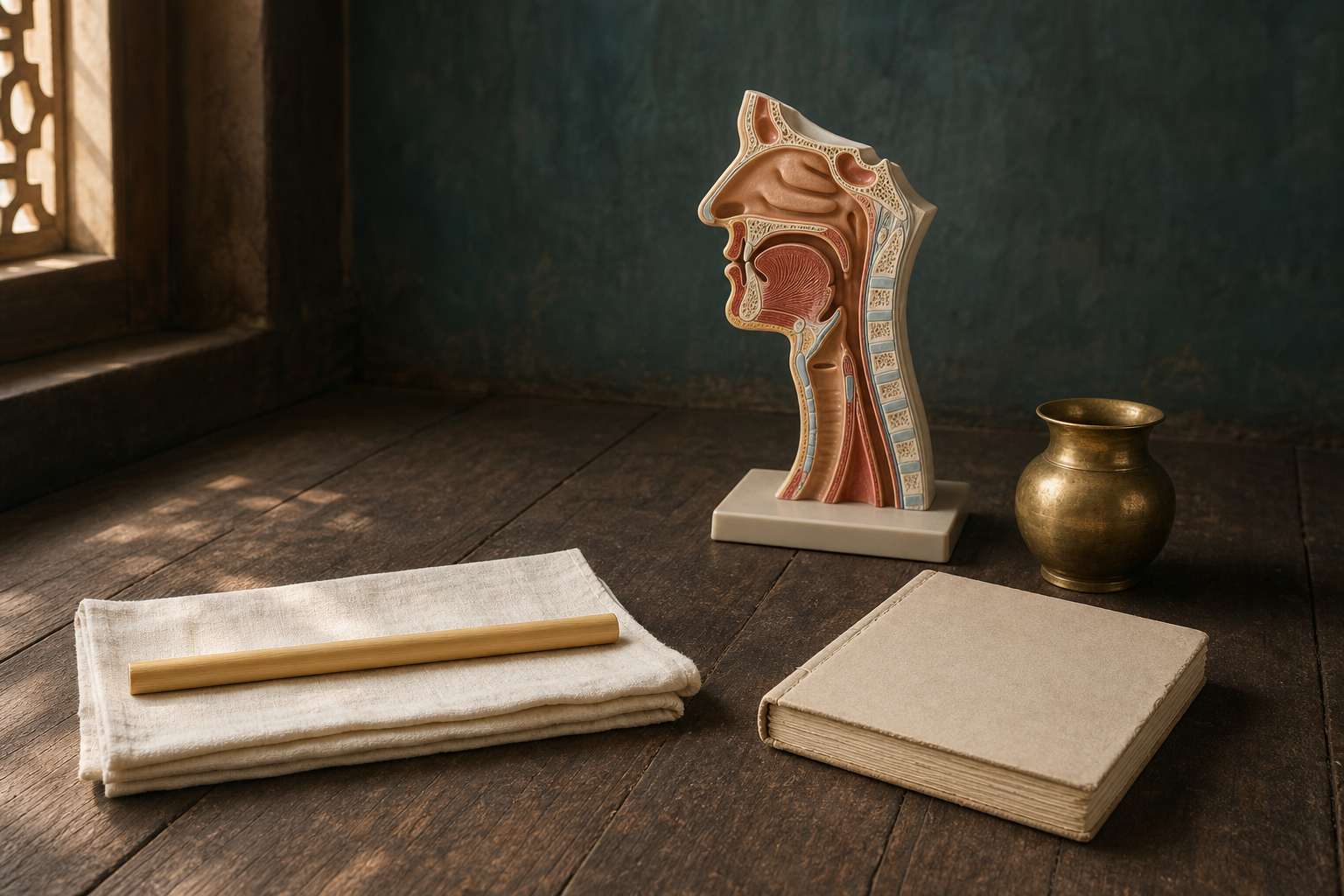
Danda Dhauti is a rarely taught shatkarma in Hatha Yoga that aims to decongest the upper digestive tract, lighten the chest–throat region, and prepare practitioners for steadier pranayama and Raja Yoga. Classical sources like the Gheranda Samhita describe it under hrid-dhauti, alongside vamana and vastra variants. While its rationale aligns with yogic and Ayurvedic ideas…
-
Unlock the Paths of Yoga: A Comprehensive Guide to Hatha, Kundalini, Ashtanga, Kriya, Jivamukti

This comprehensive guide clarifies five major pathsHatha, Kundalini, Ashtanga, Kriya, and Jivamuktishowing how each unites body, breath, and mind while honoring shared dharmic ethics across Hinduism, Buddhism, Jainism, and Sikhism. Readers discover the philosophical foundations, core methods (asana, pranayama, bandhas, mudras, meditation), and practical safety cues that make practice sustainable. The article demystifies yogic anatomy…