
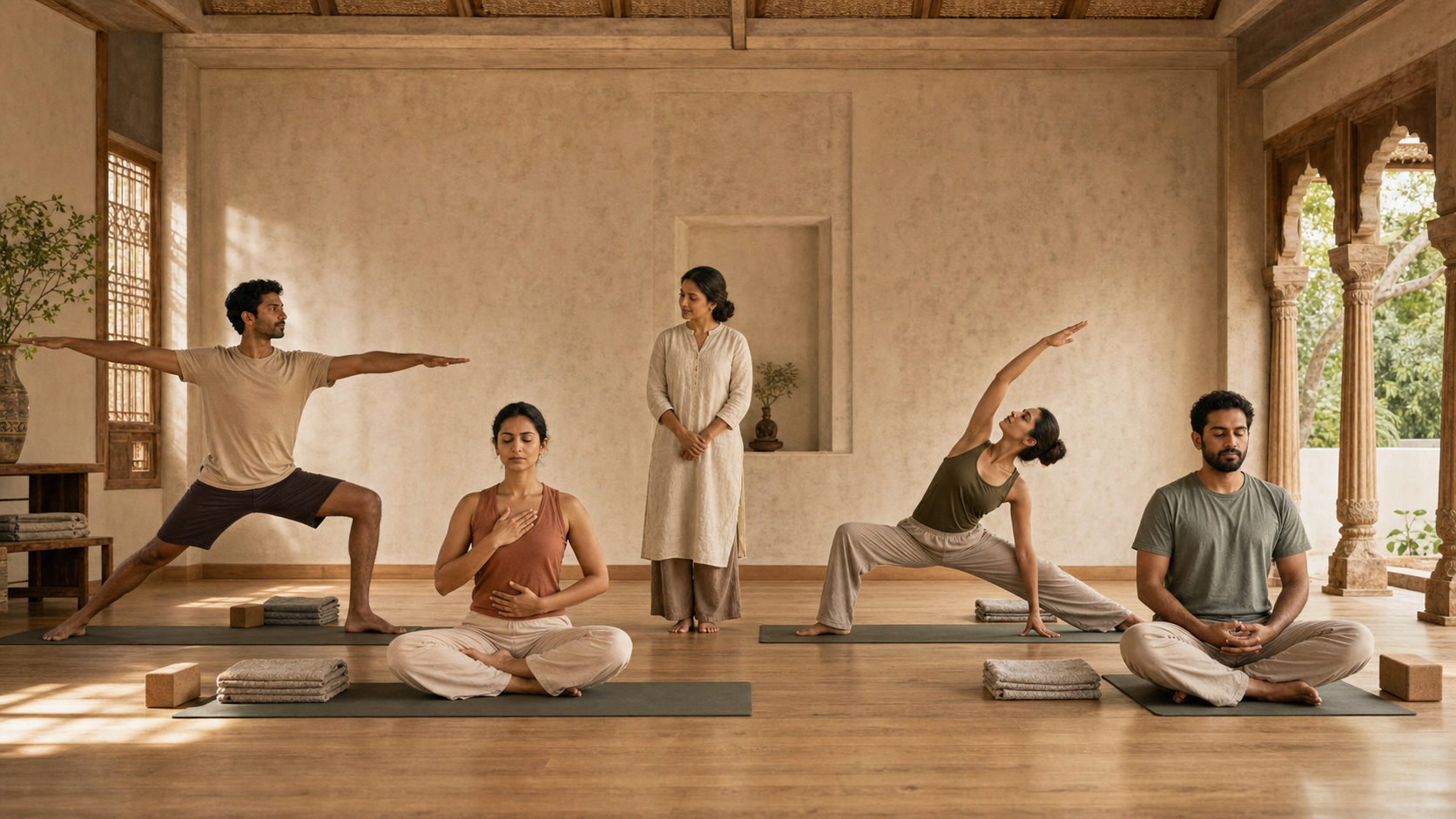
You are looking at class names that seem to promise different destinations: flexibility, awakening, discipline, meditation or compassionate action. The useful question is not which school is highest. It is which kind of work matches your aim, your present capacity and the life you can actually sustain.
In the dharmic understanding, yoga coordinates conduct, body, breath, attention and awareness. A sound choice should therefore do more than give you an interesting workout. It should help you become steadier in practice, clearer in attention and more responsible in daily life.
Choose by the discipline you need, not the most dramatic promise
Each major approach has a different centre of gravity. Use the table to identify your most natural starting point. You are choosing a primary method, not declaring a permanent spiritual identity.
| Approach | It may fit you when | Core work | Main caution |
|---|---|---|---|
| Hatha Yoga | You need postural literacy, calmer breathing and a stable base for meditation. | Asana, pranayama, relaxation, mudra, bandha and, where appropriate, cleansing practices. | Advanced breath control, bandhas and inversions should not be treated as beginner exercises. |
| Kundalini Yoga | You are drawn to mantra, devotion, subtle-energy practice and concentrated inner transformation. | Structured kriyas combining mantra, pranayama, mudra, bandha and meditation. | Forceful breathing, long retention and relentless intensity can produce overstimulation rather than balance. |
| Ashtanga in Patanjali’s sense | You want an ethical and contemplative framework for your whole life, not merely a class format. | Yama, niyama, asana, pranayama, pratyahara, dharana, dhyana and samadhi. | Do not reduce the eight limbs to posture or assume ethics are preliminaries you can leave behind. |
| Ashtanga Vinyasa | You value repetition, physical discipline, rhythmic concentration and a defined sequence. | Linked postures coordinated with ujjayi breath, drishti, bandha and precise transitions. | Knees, lower back, shoulders and wrists may need individual modification. |
| Kriya Yoga | You are prepared for regular seated discipline, self-study, devotion and precise breath-attention work. | Either Patanjali’s threefold discipline or lineage-specific pranayama, mantra and mudra. | The modern technical meaning is lineage-dependent and is best learned from a qualified teacher. |
| Jivamukti Yoga | You want vigorous vinyasa joined to chanting, music, scripture, meditation and ethical action. | Ahimsa, bhakti, nada, dhyana and shastra integrated into modern classes. | The physical pace can be demanding, so confirm the level and available modifications. |
Start with your largest present constraint. If an unsettled body or irregular breath keeps you from sitting, begin with Hatha. If you already value repetition and want a demanding movement discipline, examine Ashtanga Vinyasa. If your main need is a framework for conduct and contemplation, begin with Patanjali’s eight limbs. If mantra, devotion and subtle-energy language genuinely sustain your attention, investigate Kundalini or a legitimate Kriya lineage. If music, scripture and compassionate action help you connect the mat with the world, Jivamukti may be the better doorway.
Do not choose by the possibility of an extraordinary experience. Choose by the ordinary work you are willing to repeat. A method that depends on constant novelty or escalating intensity is unlikely to teach abhyasa, the steadiness that makes deeper practice possible.
Know what each path actually asks you to practise
Hatha makes the body-breath system available to meditation
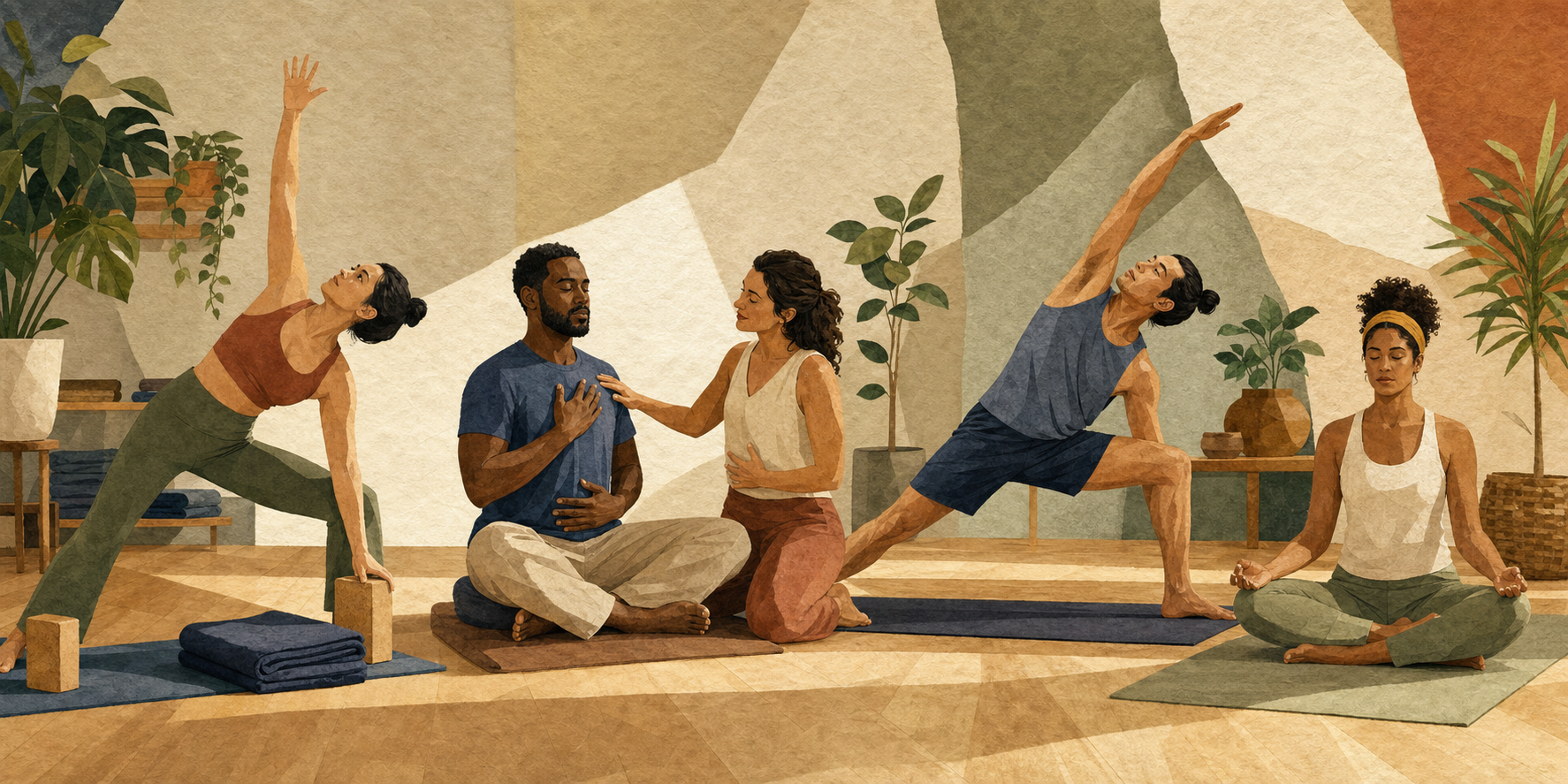
Hatha is often advertised as a gentle posture class, but its classical scope is much wider. Curricula associated with the Hatha Yoga Pradipika, Gheranda Samhita and Shiva Samhita use the body and breath to prepare for sensory restraint, concentration and meditation. Asana establishes stability and usable range. Pranayama refines breathing and attention. Mudra and bandha support concentration within the traditional energetic model. Relaxation allows the system to absorb the work.
A balanced Hatha practice does not measure progress by how far you can stretch. It explores standing poses, forward and backward extensions, lateral movement, twists, suitable inversions and restorative positions without sacrificing breath or joint integrity. Techniques such as nadi shodhana and ujjayi can train measured attention, while bhastrika and kapalabhati are more forceful and require greater care.
Hatha is the sensible starting point when physical restlessness prevents meditation or when you need to learn how effort and ease coexist. In a prospective class, notice whether the teacher allows stable transitions, natural recovery and adaptations. If everyone is pushed toward the same external shape, the class is neglecting the principle of steadiness with ease.
Kundalini requires grounding as much as aspiration
Kundalini Yoga organizes practice around kundalini shakti, traditionally described as latent potential rising through sushumna and the chakra system. Ida, pingala, sushumna, chakras and prana form a yogic map of lived experience. They may be approached symbolically, contemplatively or phenomenologically; they should not be turned into unsupported biomedical claims.
A Kundalini kriya is normally a coherent combination of breath, mantra, posture, mudra, bandha and meditative focus. Its parts are not interchangeable tricks. Removing recovery, stacking several forceful exercises or chasing powerful sensations can destroy the balance the sequence is meant to cultivate.
If this path attracts you, assess the teacher before assessing the intensity. A responsible teacher explains the purpose and limits of a practice, stages progression, includes rest and treats ahimsa and satya as practical safeguards. Be wary when discomfort, sleeplessness, panic or emotional disturbance is automatically praised as spiritual purification.
Ashtanga has two meanings that must not be confused
In Patanjali’s system, Ashtanga means the eight-limbed path: yama, niyama, asana, pranayama, pratyahara, dharana, dhyana and samadhi. The order matters, but it is not simply a ladder on which you discard one limb after reaching the next. Non-violence, truthfulness, restraint, discipline, study and devotion continue to shape the use of posture, breath and meditation.
Ashtanga Vinyasa, codified by K. Pattabhi Jois, is a dynamic posture method built around defined series, ujjayi breathing, drishti, bandha and counted transitions. The Primary, Intermediate and Advanced series provide increasing technical demands. Repetition can sharpen attention because you stop needing novelty to remain engaged, but repetition does not justify forcing every body into an identical pose.
Before attending an Ashtanga offering, ask whether the name refers to Patanjali’s philosophical system, the vinyasa method or a class that integrates both. If it is vinyasa, ask how the teacher modifies loading for knees, lumbar spine, shoulders and wrists. This one question tells you more than a promotional claim about authenticity.
Kriya can mean a universal discipline or a lineage technique
Yoga Sutra II.1 presents Kriya Yoga as tapas, svadhyaya and Ishvara-pranidhana: disciplined effort, self-study or recitation, and surrender to the highest ideal. You can apply this triad without possessing a secret technique. Keep a commitment, examine the mind through study, and release the conceit that effort alone controls every result.
Modern lineages associated with Lahiri Mahasaya and Paramahansa Yogananda use Kriya Yoga in a more technical sense. Here it refers to structured procedures involving pranayama, directed attention, mudra and mantra. Those procedures should be learned within the relevant lineage, with attention to preparation and pacing. The distinction gives you a clear rule: begin the ethical and devotional triad now, but do not reconstruct advanced breath methods from disconnected instructions.
Jivamukti joins modern pedagogy to classical concerns
Established by Sharon Gannon and David Life in 1984, Jivamukti organizes practice around ahimsa, bhakti, nada, dhyana and shastra. A class may therefore include vigorous vinyasa, Sanskrit chanting, music, meditation, scriptural reflection and attention to compassionate living.
This can suit you if a purely technical posture class feels morally incomplete. Its modern origin should also be understood clearly: Jivamukti is a contemporary synthesis, not an ancient school under an unchanged name. Evaluate both halves of the synthesis. The philosophy should influence conduct, while the physical teaching should still respect your actual capacity.
Build one coherent practice week instead of collecting techniques
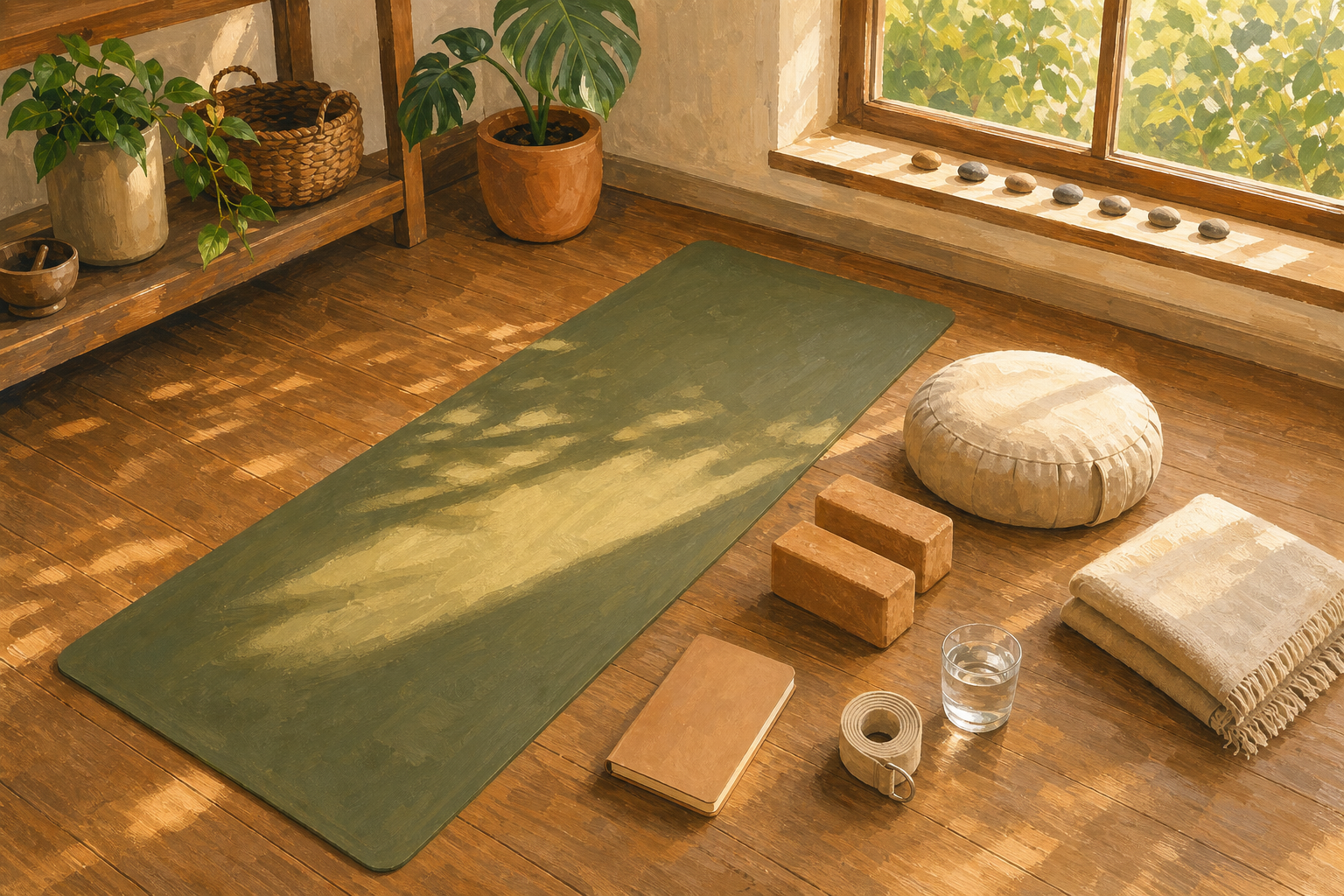
You do not need five competing systems in one week. Use one primary movement or kriya method, then support it with meditation, ethical discipline, study and recovery. That preserves direction while allowing the paths to complement one another.
- Choose an anchor. Use two or three days for a steady Hatha sequence if you are building foundations, or attend the regular sessions of your chosen primary method. Familiarity is part of the training.
- Place dynamic work deliberately. On another practice day, use a moderated Ashtanga Vinyasa or Jivamukti flow if it suits your body and aim. While learning, avoid alternating several demanding styles simply to keep the week exciting.
- Sit after movement or at a separate quiet time. Begin with natural breathing or gently taught nadi shodhana without retention, then practise dharana by keeping attention on one chosen object before allowing the sitting to deepen toward dhyana. If the breath becomes strained, return to unregulated breathing.
- Schedule integration. Include restorative postures, yoga nidra, quiet walking or rest. Recovery is not a lapse in tapas; it prevents accumulated strain from masquerading as discipline.
- Connect practice with dharma. Make room for svadhyaya, reflective journaling, silence or shastra. Carry ahimsa into speech and action, and let devotion or seva prevent the practice from becoming self-absorption.
If Kundalini or a modern Kriya lineage is your anchor, use the sequence assigned by your teacher in place of improvised breathwork. Do not add forceful pranayama to a demanding vinyasa day merely because each technique seems beneficial on its own. Their combined load may be very different from their separate effects.
After a session, record four observations rather than judging the practice by flexibility or unusual sensation:
- Did your breathing become quieter and easier, or more agitated?
- Do your joints and spine feel supported, or is pain appearing during transitions and later recovery?
- Can you place attention more steadily during seated practice?
- Does the method leave you more capable of patience, truthful speech and non-harm in ordinary situations?
These observations expose an important difference. Productive effort may be challenging, but it remains intelligible and recoverable. Compulsive intensity creates a debt in sleep, mood, breath or joint comfort and then calls that debt progress.
The ethical foundation also keeps inter-Dharmic resonances in view without pretending the traditions are identical. Patanjali’s yama and niyama, the Jain centrality of ahimsa, Buddhist ethical and mindfulness disciplines, and Sikh simran and seva differ in doctrine and expression. They nevertheless remind you that inward practice cannot be separated from how you treat living beings.
Respect the point where intensity becomes a safety issue
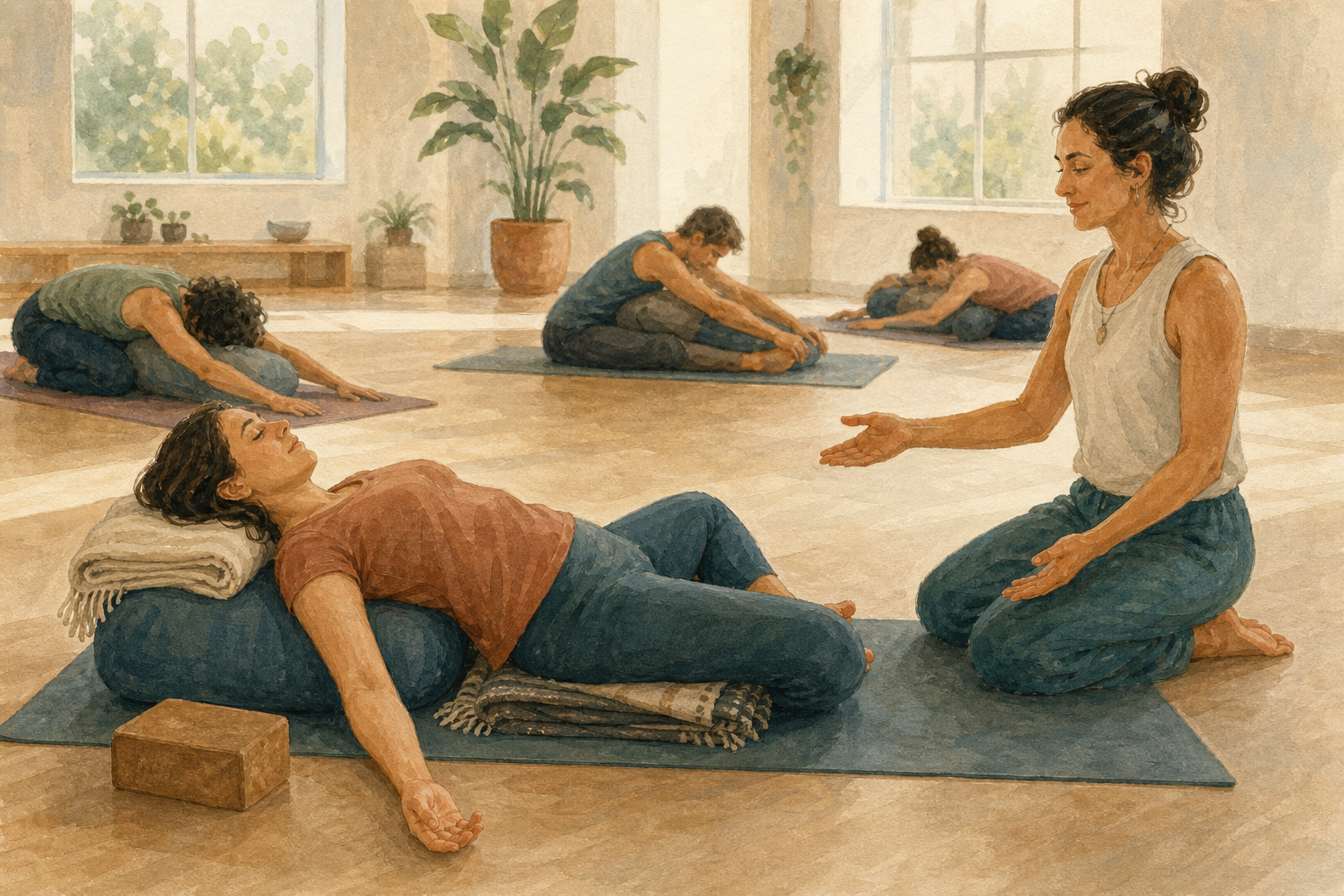
Intensity is not evidence of awakening. Forceful breathing, breath retention, strong bandhas and inversions create real physical and psychological demands. They deserve the same judgment you would bring to any consequential training method.
- If you are pregnant, or have a cardiovascular condition, an eye condition or a hernia, vigorous pranayama, bandhas and inversions may need to be modified or deferred. Discuss the relevant practices with a qualified clinician and an experienced yoga teacher who can work within that advice.
- If you have uncontrolled hypertension or glaucoma, avoid forceful breathwork, long retentions and prolonged hyperventilatory patterns unless an appropriate medical professional has cleared the practice and a competent teacher is supervising it.
- If you live with complex trauma or active psychiatric symptoms, intense breath and energy practices may be destabilizing. Yoga is not a substitute for psychological or psychiatric care; use a trauma-informed teacher and coordinate with the professional responsible for your care.
- If your knees, lumbar spine, shoulders or wrists are vulnerable, modify Ashtanga Vinyasa and other weight-bearing flows before pain appears. A prescribed sequence is a teaching structure, not a demand to override anatomy.
Stop forceful breathing or retention if you become dizzy, panicked, disoriented or unable to restore a comfortable breath. Do not let anyone reinterpret an acute warning sign as proof that blocked energy is being released. Persistent or severe symptoms warrant medical attention.
A qualified teacher is not simply someone who can demonstrate an advanced pose. Look for transparency about training or lineage, a clear scope of practice, gradual progression, permission to rest, and the ability to adapt instruction without shaming you. In Kundalini and Kriya settings, the teacher should be as attentive to grounding and integration as to the central technique.
Traditional energetic language can guide contemplation without being used to diagnose disease. Claims about chakras, nadis or prana should never be used to discourage medical evaluation, psychiatric care or other necessary treatment.
Key takeaways
- Choose Hatha when you need a body-breath foundation for meditation rather than a performance goal.
- Choose Kundalini only with respect for pacing, recovery and the psychological force of concentrated breath-and-mantra practice.
- Ask what Ashtanga means: Patanjali’s eight-limbed path and Ashtanga Vinyasa are related but not interchangeable.
- Begin Kriya as disciplined effort, self-study and devotional surrender, while learning lineage-specific techniques from that lineage.
- Choose Jivamukti when vigorous movement, scripture, devotion, music and compassionate action form a combination you can genuinely sustain.
- Judge every path by steadiness, ethical effect and recoverability, not by intensity, novelty or extraordinary sensation.
Before booking your next class, write one sentence beginning, “I need yoga to help me cultivate…” Then choose the path whose daily work answers that need, tell the teacher about any relevant constraints, and keep the practice simple enough to observe honestly. If a method leaves no room for ethics, meditation, adaptation or recovery, keep looking.
References
