
-
Idle Mind, Restless Life: Dharmic, Yogic, and Mindfulness Practices to Build Purposeful Focus

The age-old saying that an idle mind becomes a workshop for unwholesome impulses is reframed here through the shared wisdom of Hinduism, Buddhism, Jainism, and Sikhism. Instead of moralizing idleness, the analysis distinguishes healing rest from tamasic drift and presents a technical, evidence-aligned path to train attention and action. Readers gain a clear map of…
-
Paramātmā’s Soul-Satisfying Beauty: Bhakti Dhyāna and the Science of Sense Purification
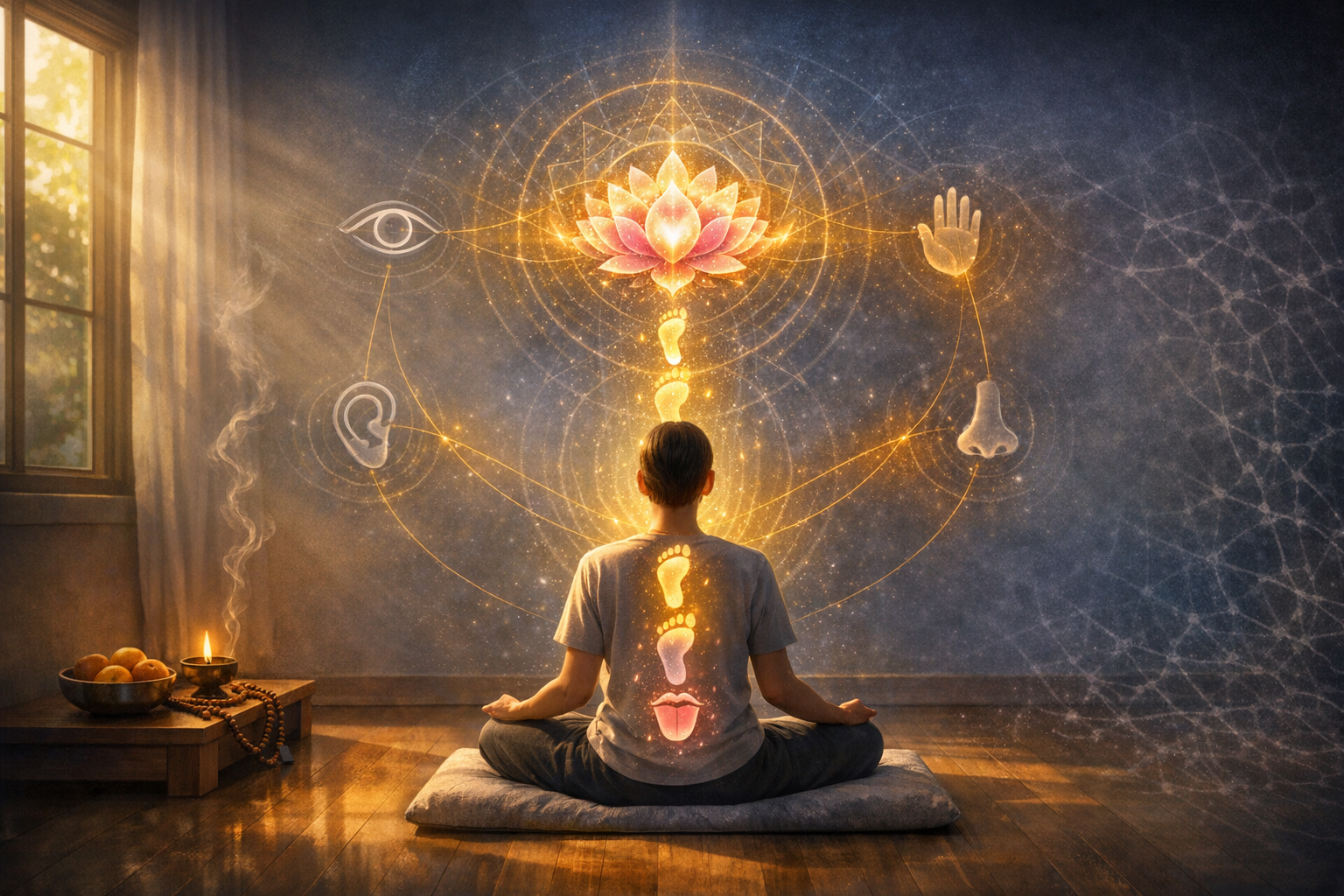
Śrīmad Bhāgavatam 3.28.16 frames bhakti-yoga meditation as an exacting discipline in which contemplation of the Paramātmā’s form reorders desire and purifies the senses. The account distinguishes sense restraint from sense purification, showing how devotion repurposes perception through darśana, kīrtana, japa, and prasāda. Drawing parallels with Buddhist samatha-vipassanā, Jain dharma/shukla dhyana, and Sikh Naam Simran, it…
-
Mind Dissolved in Śiva: Technical Pathways to Recognition, Inner Freedom, and Immortality
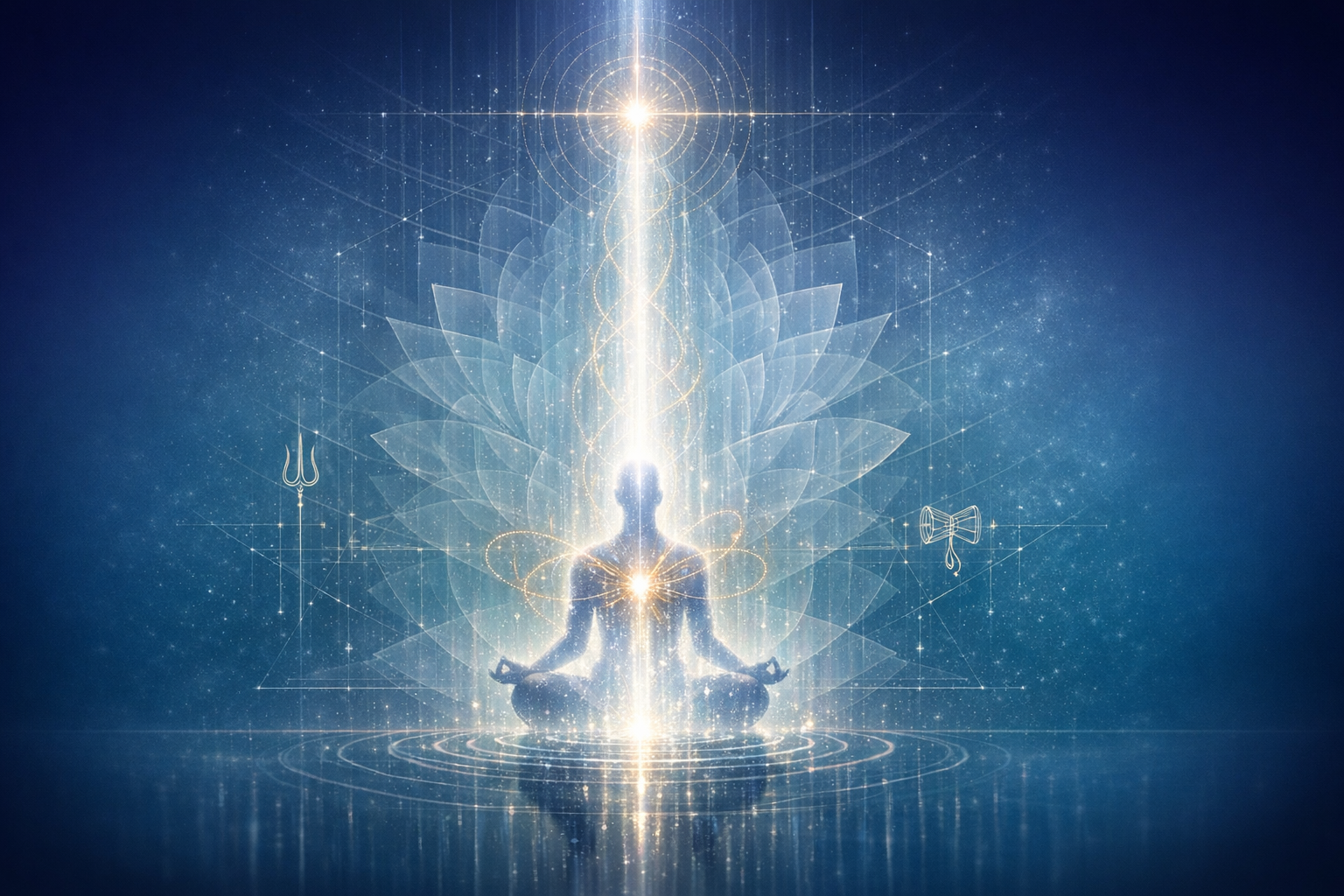
This long-form exploration clarifies what “dissolution of mind in Śiva” means in classical Śaivism: not nihilistic blankness, but the quieting of compulsive mentation and recognition of universal Consciousness. Grounded in the Nadabindu Upaniṣad, it outlines Śaiva ontology (tattvas and malas), the epistemology of pratyabhijñā (recognition), and the practical upāyas that mature into samādhi. It surveys…
-
At the Guru’s Last Breath: A Mango, Mindfulness, and the Taste of Immortality

A classical Hindu teaching story recounts a Guru who, at the threshold of death, uses a simple mango to demonstrate how breath awareness, mindful attention, and remembrance reveal the peace of the Atman. The narrative is analyzed through the Bhagavad Gita and the Upanishads, showing how last-thought psychology aligns with daily practice in dhyana, japa,…
-
The Eloquence of Silence: Sant Kabir’s Science of Inner Stillness and Dharmic Unity
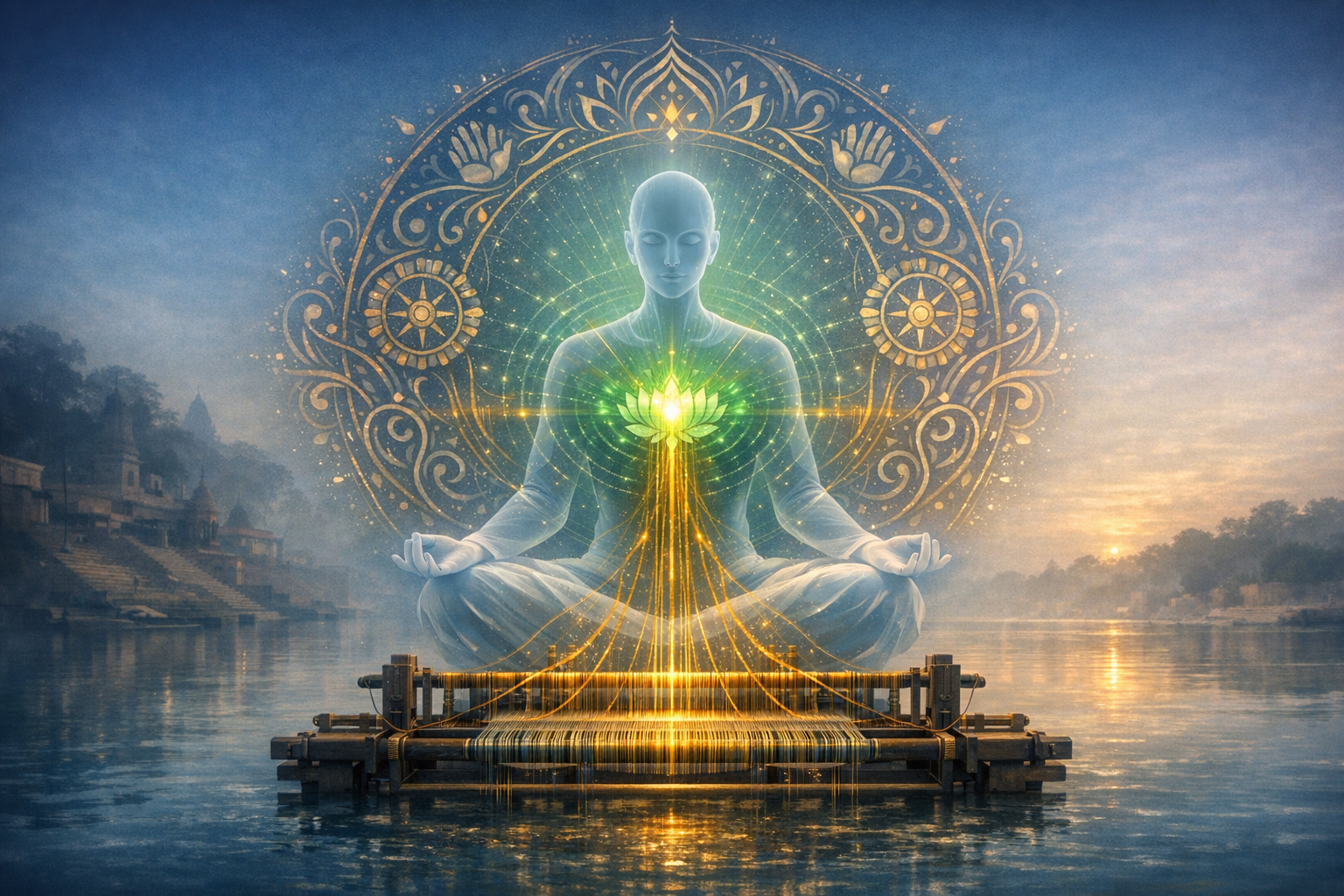
This essay examines Sant Kabir’s teaching that inner stillness is the highest eloquence, situating his insight within the shared dharmic heritage of Hinduism, Buddhism, Jainism, Sikhism, and Sufism. It explains how silence functions not as withdrawal but as a precise method for clarifying perception, aligning ethics, and deepening compassion. Readers learn a stepwise contemplative progressionfrom…
-
Five Sacred Trees of Tantra: Living Altars for Deep Meditation and Inner Awakening
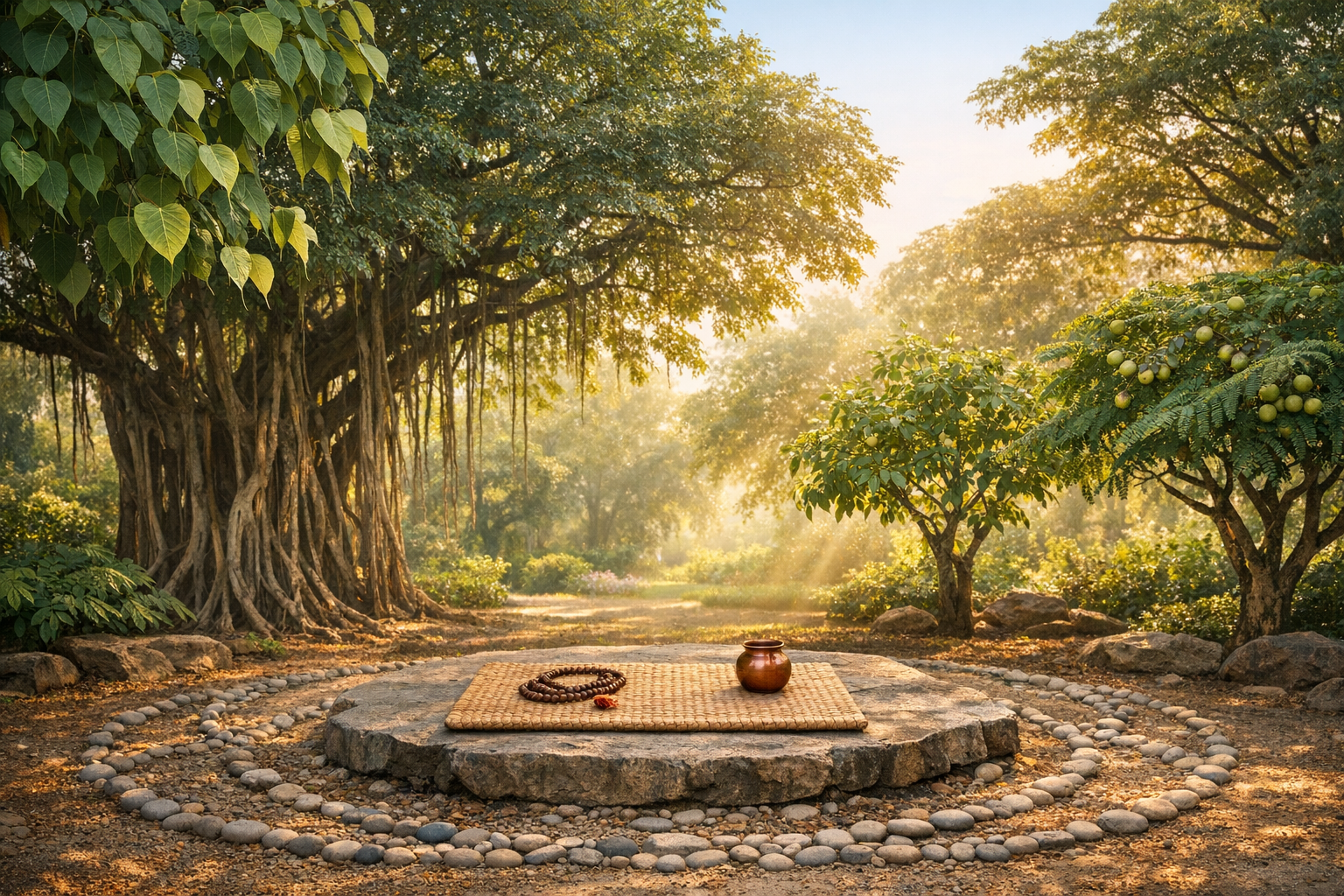
Tantric practitioners across the dharmic traditions purposefully select five sacred treesAśvattha (Peepal), Nyagrodha (Banyan), Bilva, Nimba (Neem), and Āmalakī (Amla)to create a stable, lucid environment for deep meditation. Each species contributes a distinct blend of scriptural symbolism, ayurvedic energetics, ecological benefit, and subtle-body alignment. The Peepal supports clarity and uplift; the Banyan grounds long sittings;…
-
Master Your Breath, Still Your Mind: Kapila’s Precise Yogic Protocol in SB 3.28.8

SB 3.28.8 presents Kapila’s concise blueprint for meditation: a sanctified, secluded space; an easy, erect posture (svasti samāsīnaḥ); and regulated breath control. The verse aligns environment, asana, and pranayama to quiet the senses and stabilize attention for dhyana. Practical guidance includes seat preparation, spinal alignment, and gentle ratios such as 4–4 progressing to 4–6 exhalations.…
-
Prayer Is the Voice of the Soul: Timeless Dharmic Science for Healing, Clarity, and Grace
This article unpacks the Hindu teaching “Prayer is the voice of the soul” as a precise, reproducible inner science shared across Hinduism, Buddhism, Jainism, and Sikhism. It explains technical frameworks such as vāk (levels of speech), Pancha-kosha viveka (five sheaths), and the discipline of japa, dhyana, and pranayama. Readers gain a clear practice framework that…
-
Pranavopasana: Mastering Om for Self‑Realization, Inner Calm, and Dharmic Unity
Pranavopasanameditation on the Pranava (ॐ)is a disciplined path in Hinduism and Advaita Vedanta that moves attention from sound to silence and from symbol to the Ultimate Reality. Drawing on the Upanishads, Bhagavad Gita, and Patanjali, it unites devotion, meditation, and inquiry into a coherent practice for Self-realization. The article explains the A–U–M arc, the turiya…
-
When Nothing Remains, Fear Ends: A Dharmic Science of Abhaya beyond Ego and Identity
This essay maps a dharmic science of fearlessness (Abhaya) grounded in Hindu philosophy and harmonized with Buddhism, Jainism, and Sikhism. It clarifies how fear originates in avidya and duality, then outlines practical pathsJnana, Karma, Bhakti, and Raja Yogato dissolve misidentification and regulate reactivity. Readers gain scriptural anchors from the Upanishads, the Bhagavad Gita, and the…
-
Breaking the Invisible Cage: Hindu Dharma on Renewal, Impermanence, and Dynamic Living

Modern routines can harden into an invisible cage, but Hindu Dharma treats life as ceaseless transformation rather than fixed habit. This essay explains why stagnation is a spiritual peril, using core ideas such as samskara, gunas (sattva–rajas–tamas), abhyasa–vairagya, and rita. It distinguishes lifeless routine from living rhythm, showing how nitya- and naimittika-karmas, pranayama, dhyana, and…
-
Parabhava 2026–2027 (Ugadi to Ugadi): Transform Obstacles into Opportunity with Vedic Insights

Parabhava Nama Samvatsaram (2026–2027) begins on Ugadi, March 19, 2026, and invites a disciplined, optimistic approach to karmic transformation, deep reflection, and overcoming obstacles. As the 40th year in the 60-year Hindu calendar cycle (Śaka 1948), it encourages clarity of intention, ethical restraint, and steady practice. Practical frameworks such as Aaya–Vyaya 2026–2027 support prudent budgeting,…
-
Navaratri Day 2, 20 March 2026: 10 Powerful Brahmacharini Puja Steps, Mantras, and Fasting Tips
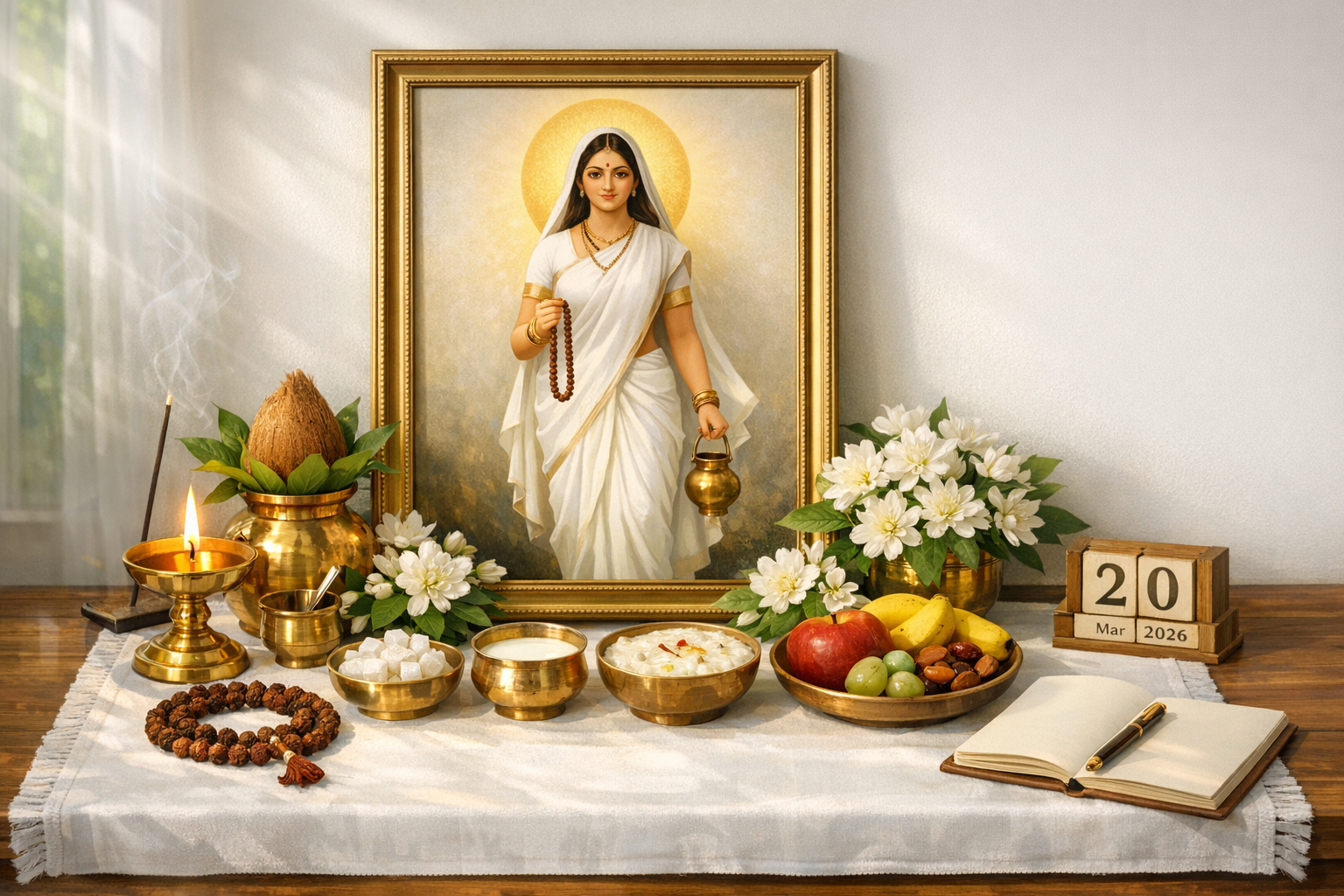
The second day of Chaitra Navaratri on 20 March 2026 honors Brahmacharini, the Navadurga form of tapas and steadfast devotion. This guide details a complete Brahmacharini Puja Vidhi with Panchopachara steps, core mantras, and a simple home sequence that balances accuracy and accessibility. It outlines mindful fasting rules, sattvic bhog options like mishri and milk-based…
-
Yoga and Psychological Stress Relief: Evidence-Based Pathways to Calm, Clarity, and Resilience
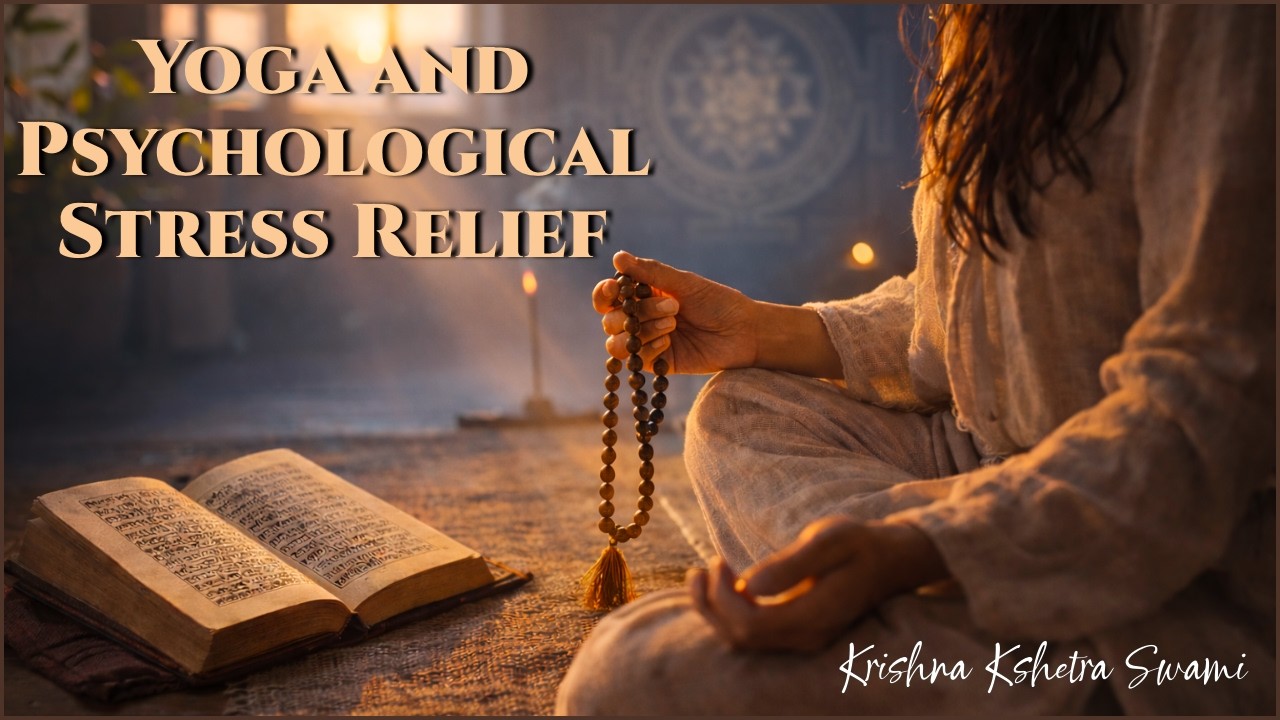
HH Krishna Kshetra Swami’s address at China Medical University highlighted how the classical yoga tradition approaches stress through systematic preparation of the minduniting meditation, Pranayama, and ethics. This comprehensive analysis bridges those insights with contemporary psychophysiology, explaining how slow breathing boosts vagal tone, meditation reshapes attention and emotion, and ethical congruence reduces cognitive load. Practical…
-
Beholding Vishnu’s Virat Purusha: A Scholarly, Step-by-Step Guide to Transformative Dhyana Practice
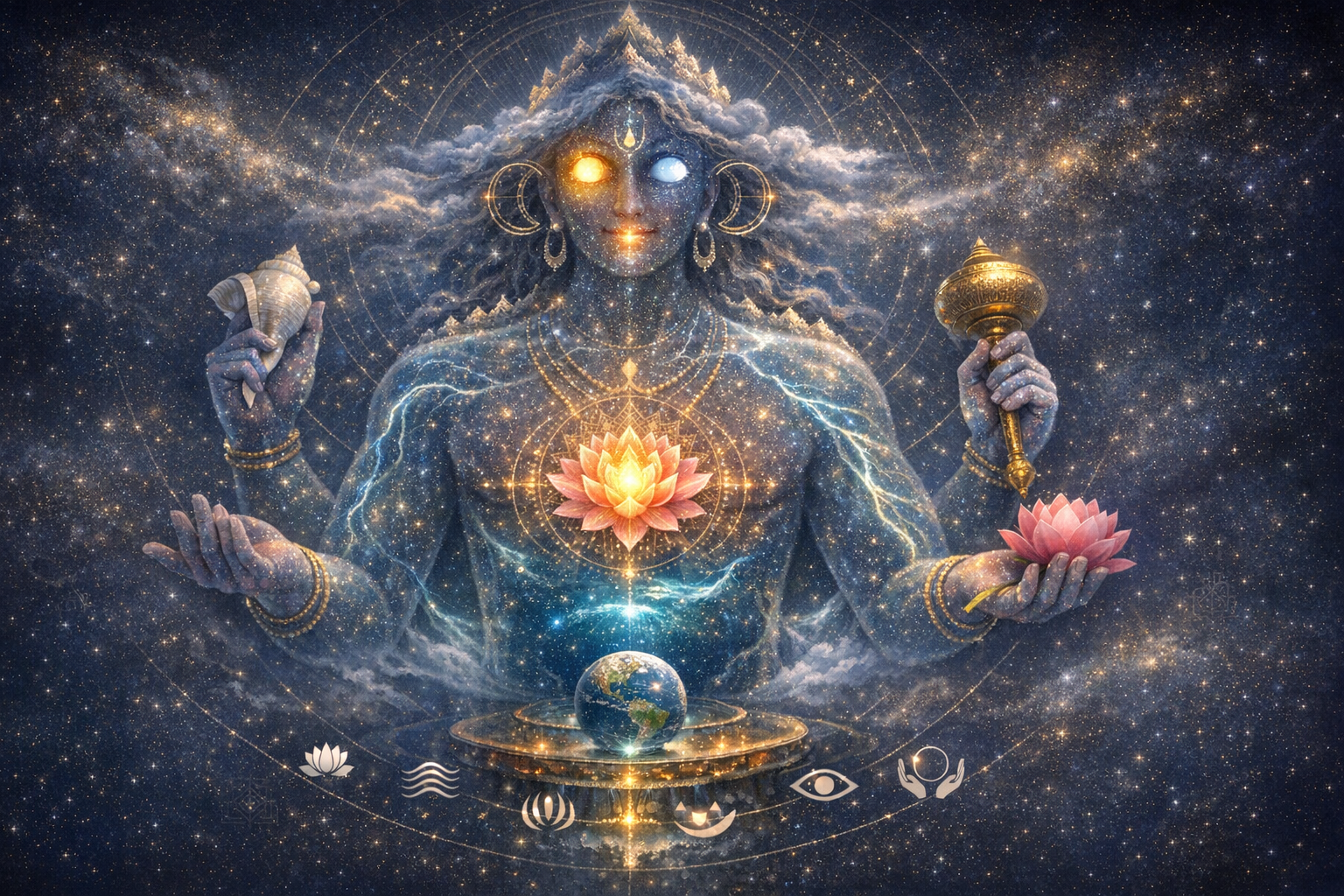
This comprehensive guide outlines a rigorous, step-by-step approach to meditating on the Virat Purusha, the cosmic form of Bhagavan Vishnu. It situates practice within scriptural sources like the Purusha Sukta, the Bhagavad Gita’s Vishvarupa, and Puranic correspondences, while clarifying the Vedantic triad of Virat–Hiranyagarbha–Ishvara. Readers gain precise, accessible methods for posture, breath regulation, mantra, and…
-
How a Daily Yoga Routine Rewires the Brain, Calms the Nervous System, and Lifts Mood

Embedding yoga into a daily routine produces measurable benefits for mental health. Regular asana, pranayama, and dhyana raise endorphins and GABA, boost BDNF, and rebalance serotonin and dopamine. Consistent practice calms the HPA axis, lowers cortisol, improves vagal tone and HRV, and reduces inflammatory markers linked to low mood. Imaging studies show stronger prefrontal–amygdala control…
-
Stop Performing, Start Choosing: Boundaries and Mindful Dating That Lead to Real Love

This reflective case study follows a counselor who recognized that professional rapport-building skills, while powerful in service contexts, were undermining intimate discernment. By shifting from performance to principled boundaries, she replaced people-pleasing with values-based action, using journaling, mindfulness, and yoga to clarify non-negotiables. Direct, respectful screening questions and calendar-respecting norms transformed her process into intentional…
-
Beyond the Body-Illusion: How Intense Concentration Unveils Pure Consciousness in Hindu Thought
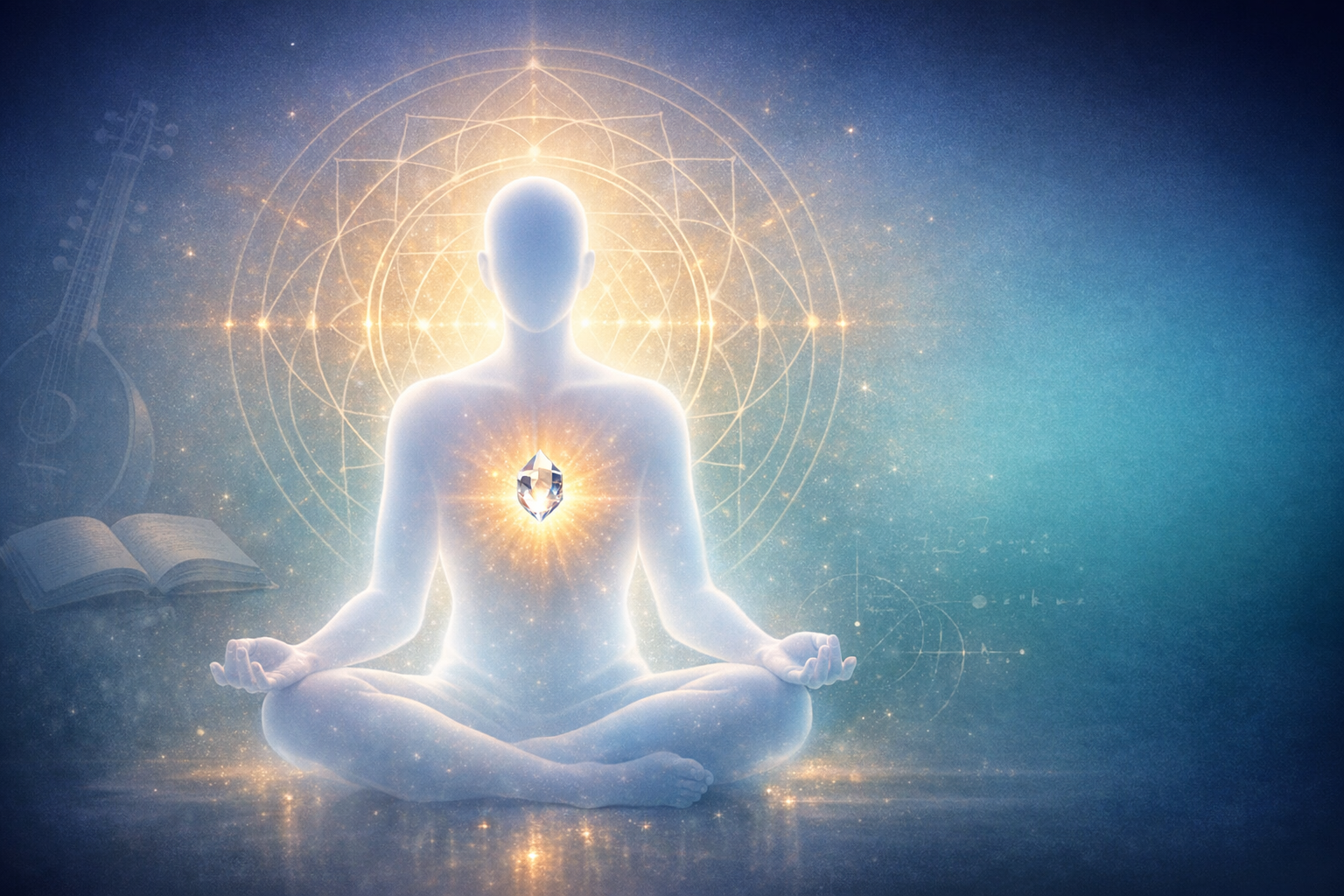
Hindu philosophy teaches that in deep concentration the usual sense of having a body recedes, revealing pure, self-luminous awareness. Drawing on the Upanishads, Yoga Sutras, and the Bhagavad Gita, this article explains how pratyahara, dharana, and dhyana systematically reduce sensory dominance and disclose the witnessing consciousness. It relates these insights to parallel practices in Buddhism,…
-
Dissolving Matter’s Mirage: Dharmic Wisdom on Returning to the Primordial, Nondual Source
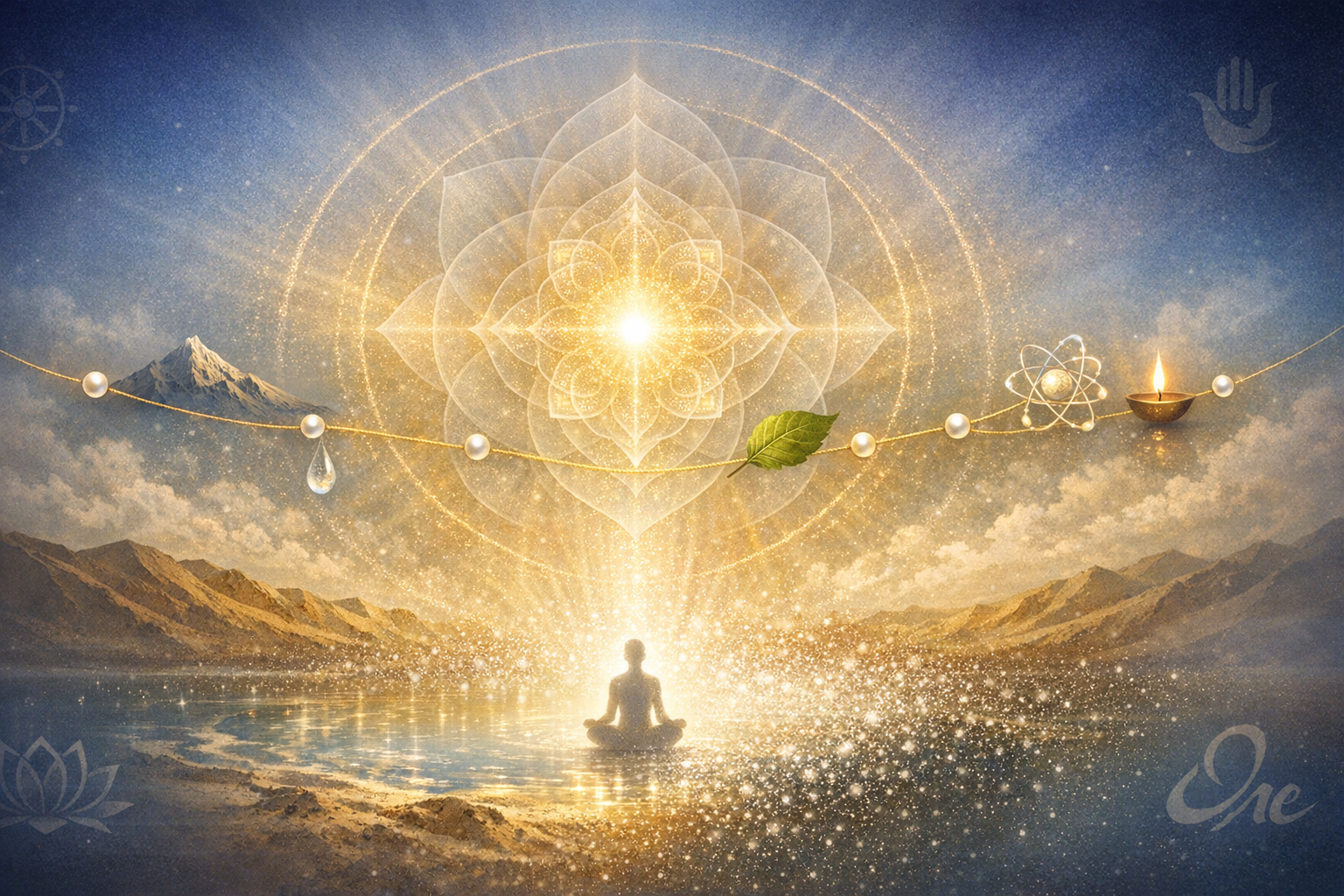
This essay examines how dharmic traditions understand the illusion of materiality and the emergence of a primordial, nondual source through deep inquiry. Drawing on the Upanishads, Bhagavad Gita, Advaita Vedanta, and yogic practice, it explains the movement from gross to subtle via pañca-kośa and the triad of sthūla–sūkṣma–kāraṇa śarīra. It highlights complementary perspectives in Buddhism…
-
Unlocking Kosha: From the Five Sheaths of the Self to the Treasury of Hindu Statecraft

Kosha holds a powerful dual meaning in Hindu thought: the five sheaths (panchakoshas) that veil the self in Vedanta and the treasury that sustains a kingdom in classical statecraft. Grounded in the Taittiriya Upanishad and Pancha Kosha Viveka, this analysis clarifies each sheathannamaya, pranamaya, manomaya, vijnanamaya, anandamayaand maps practices from asana and pranayama to pratyahara,…