
-
The Lantern of Dayā: Uniting Dharmic Traditions through Compassion, Ahimsa, and Seva

The Lantern of Dayā advances a clear, comparative framework for compassion that unites Hinduism, Buddhism, Jainism, and Sikhism without erasing their distinct identities. It traces how dayā/karuṇā functions as disciplined practice, social ethic, and policy-relevant principle rooted in Dharma, Ahimsa, Anekantavada, and Seva. Readers gain a rigorous yet accessible mapping across texts and institutionsfrom Yoga…
-
Re-reading Guru Tegh Bahadur: A Fearless Beacon of Religious Freedom and Dharmic Unity

This interdisciplinary re-reading of Guru Tegh Bahadur situates his life and bani within history, music, philosophy, and public ethics. It explains how his teachings on detachment, compassion, and fearlessness formed a coherent ethic of conscience, culminating in a martyrdom for the protection of others’ faith. The narrative highlights how Sikhism’s sarbat da bhala converges with…
-
Unlocking the Hidden in Hindu Philosophy: Arthapatti and the Power of Postulation in Mimamsa

Arthapatti (postulation) is a distinctive Mimamsa pramana that posits an unperceived fact when established data would otherwise be incoherent. Classic examples such as the stout Devadatta who does not eat by day illustrate how explanatory necessity (anyathā-anupapatti) drives this cognition. The article clarifies how arthapatti differs from ordinary inference, outlines its two forms (drshtārthapatti and…
-
Shabda Pramana in Mimamsa: The Timeless Power of Vedic Testimony for Truth and Dharma

Shabdaverbal testimonyholds a privileged place in Mimamsa Darshana, where it functions as a rigorous means of valid knowledge for matters of dharma beyond the reach of perception and inference. By affirming the Vedas as apauruṣeya (authorless), Mimamsa secures scriptural authority through a detailed theory of semantics, sentence meaning, and hermeneutic indicators. The Bhāṭṭa and Prābhākara…
-
Upamana in Mimamsa Darshana: Unlocking How Comparison Becomes Valid Knowledge in Hindu Epistemology

Upamāna, or comparison, is treated in the Mimamsa Darsana as a disciplined source of valid knowledge that aligns testimony, perception, and relevant similarity. Rather than a loose metaphor, it is a technical pramāṇa with clear conditions: credible prior śabda, relevance of features, and the absence of defeaters. Classical debatesespecially with Nyāyaclarify whether comparison yields the…
-
From Turmoil to Tranquility: SB 3.28.10 on Yogic Breathing and the Power of Chanting
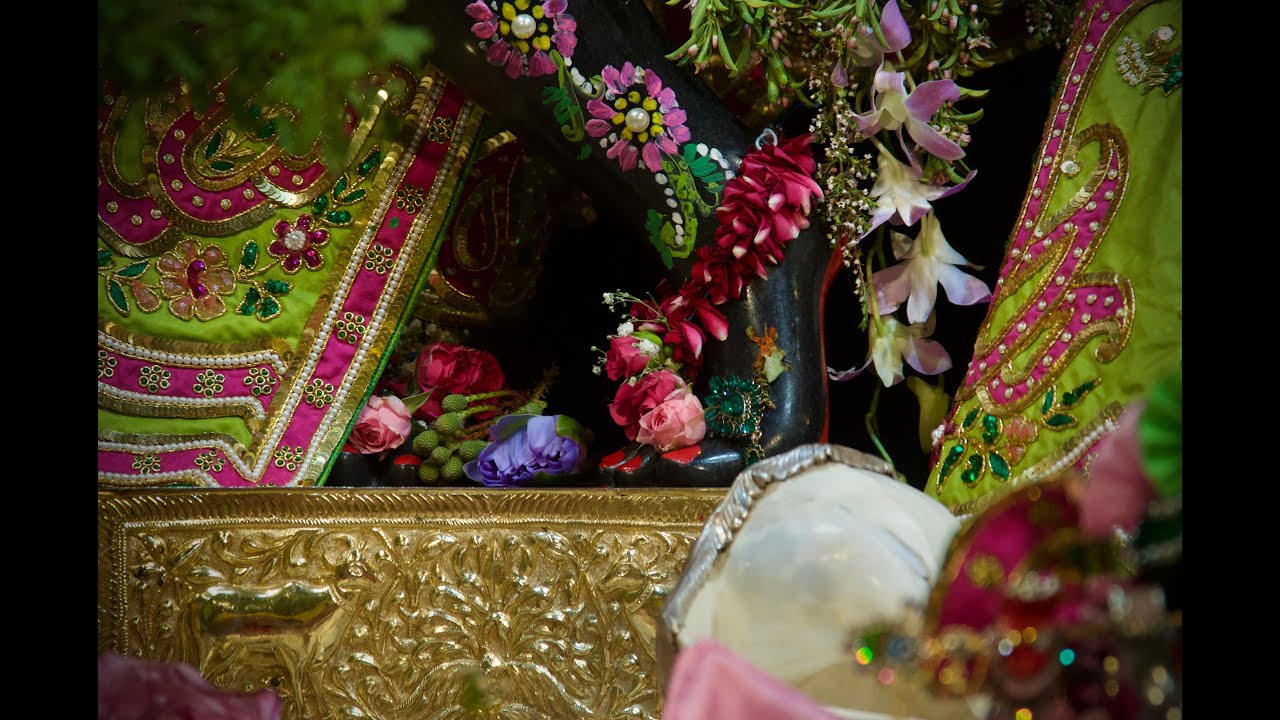
Srimad-Bhagavatam 3.28.10 presents a precise blueprint for mental purification: disciplined attention (the fire) and regulated breath (the air) refine the mind as heat and fanning purify gold. Framed by HH Ramai Swami’s exposition, the verse aligns with modern findings on vagal tone, heart-rate variability, and the calming effects of slow, coherent breathing. Lord Caitanya’s recommendation…
-
Anumana in Mimamsa Darsana: Mastering Rigorous Inference to Unlock Vedic Dharma and Meaning

Anumāna (inference) in Mīmāṁsā Darśana is a disciplined method of knowing that integrates reason with Vedic hermeneutics to guide dharma. This long-form exploration defines the technical structure of inferencepakṣa, sādhya, hetu, vyāptiand explains how anvaya–vyatireka, upādhi analysis, and tarka establish reliability. It clarifies differences between inference and arthāpatti (postulation), outlines the Bhāṭṭa–Prābhākara debate on anupalabdhi…
-
Pratyaksha in Mimamsa Darsana: Unlocking the Power of Direct Perception in Dharma and Reason

Pratyaksha in Mimamsa Darsana presents a rigorous, experience-centered account of how direct perception functions as a trustworthy pramana. It clarifies the two-phase structure of perception (from indeterminate to determinate), the role of the mind in perceiving inner states, and the conditions that distinguish valid perception from illusion. The article explains how Mimamsa integrates perception with…
-
Ancient Roots of Renunciation: Vedas, Upanishads, and the Living Dharma of Monastic Life

Monasticism in the Vedas and Upanishads is not a late add-on but an organic evolution from early Vedic archetypes like the muni and vratya into the refined sannyāsa ideal. The Upanishads interiorize ritual and elevate renunciation, while the Dharmasūtras and Sannyāsa Upanishads organize practice through codes, vows, and teacher-lineages. This history offers readers a clear,…
-
Mudgala Upanishad and the Purushasukta: Decoding Cosmic Personhood, Unity, and Dharma

The Mudgala Upanishad, preserved in several Rigvedic lists, offers a concise contemplative counterpart to the Purushasukta (Rig Veda 10.90). Read together, they articulate a powerful vision of the Cosmic Person (Purusha) that harmonizes ritual symbolism with precise Upanishadic metaphysics. The essay explains key motifsimmanence and transcendence, cosmic sacrifice, and microcosm–macrocosm mappingswhile clarifying socially sensitive verses…
-
Kindling the Inner Agni: How Food, Breath, and Mind Shape Consciousness in Hindu Philosophy

This essay explores Agni as the inner principle of transformation in Hindu philosophy and across Dharmic traditions. It explains how food, breath, sensory inputs, and intention function as fuels for consciousness through the Upanishadic pañca-kośa model. Drawing from the Bhagavad Gītā’s sāttvika–rājasa–tāmasa framework and Ayurveda’s doctrine of Agni, it outlines practical protocols to strengthen clarity,…
-
Nirupadhika in Advaita Vedanta: Adjunct-Free Brahman, Practice Insights, and Dharmic Parallels

Nirupadhika“without the upadhis”names Advaita Vedanta’s insight that Brahman is never altered by limiting adjuncts such as body, mind, maya, or avidya. The article maps how nirupadhika contrasts with sopadhika, clarifies tri-level reality, and shows how Upanishadic hermeneutics (neti neti, tat tvam asi via bhaga-tyaga-lakshana) reveal the adjunct-free Self. It unpacks core methodsadhyaropa-apavada, Drig-Drishya Viveka, and…
-
Unraveling Karma’s ‘Complicated Play’: Dharmic frameworks of action, causality, and grace

This long-form guide unpacks why “Gurudev says that it is a complicated play,” showing how Karma operates across intention, action, impressions, and outcomes. It compares Hindu, Buddhist, Jain, and Sikh frameworks, clarifying doership, responsibility, and grace without collapsing their differences. Readers gain a precise map of sañcita–prārabdha–kriyamāṇa, Buddhist intentionality (cetanā) and dependent origination, Jain karmic…
-
Unmasking Ignorance: Media Ethics, Ideological Capture, and Dharmic Unity Today
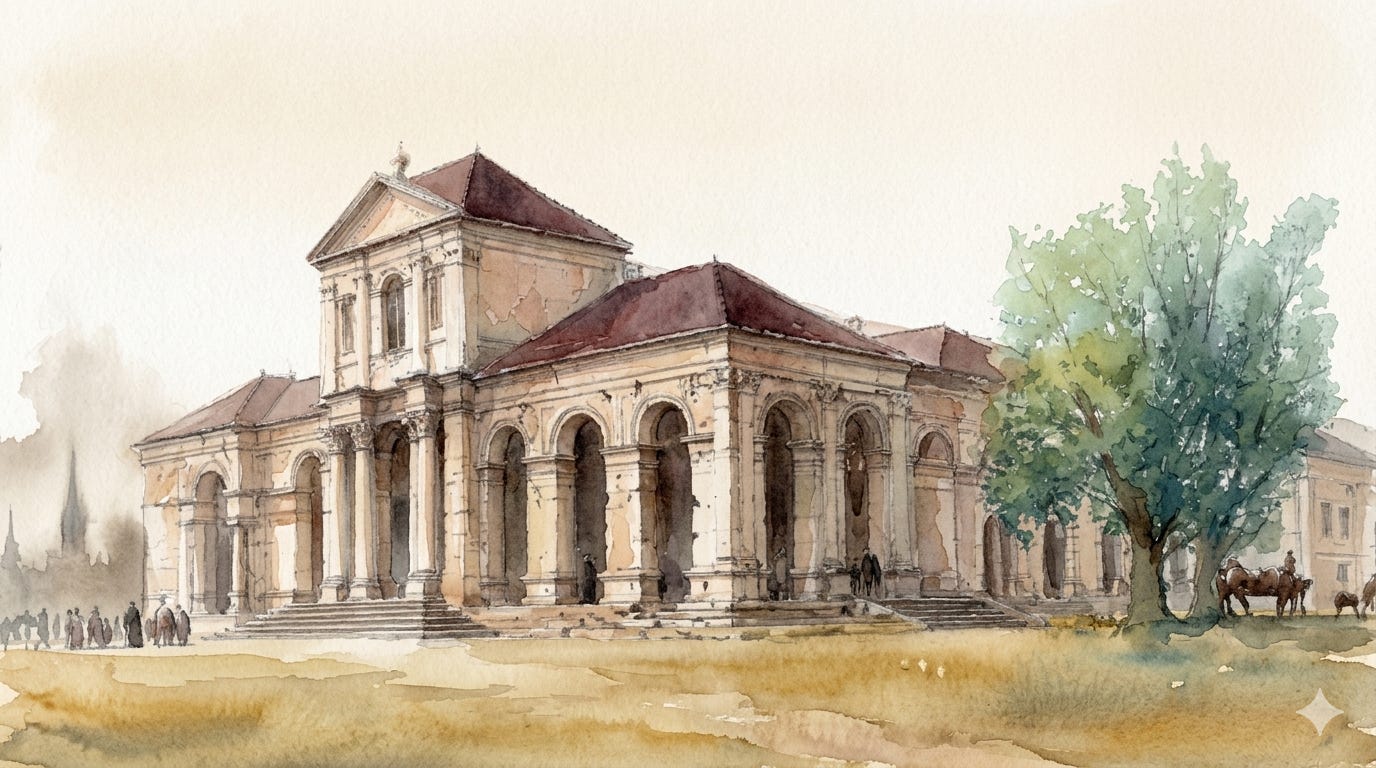
This essay examines how avidyaignorancepermeates today’s media ecosystems through bias, speed, and the normalization of despair, then proposes a Dharmic framework for journalism ethics. It integrates Hindu, Buddhist, Jain, and Sikh insights on knowledge and compassion to outline proportionate reporting, historical context, and humane narration. Readers gain a practical toolkit for prebunking propaganda, identifying ideological…
-
Choosing Our ‘Amazing Stories’: A Rigorous Case for Vedic Epistemology and Dharmic Unity
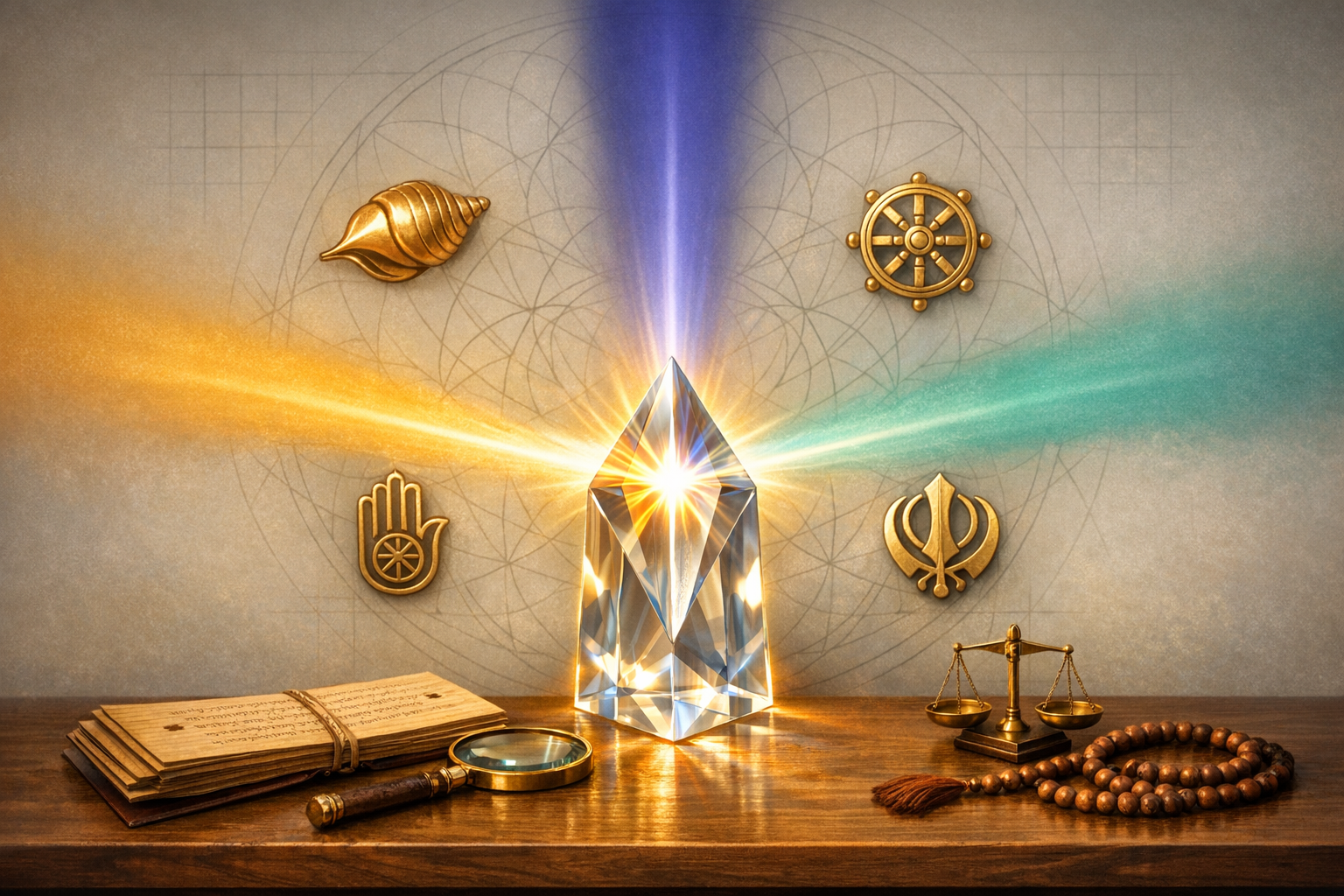
This essay examines the oft-quoted contrast between materialism and the Vedic view by asking how anyone comes to know. Drawing on the dharmic theory of pramāṇaperception, inference, testimony, and moreit distinguishes the legitimate power of science from the unwarranted metaphysics of scientism. It argues that Vedic epistemology offers greater coherence and explanatory breadth, especially for…
-
Rethinking Death and Consciousness: Rigorous Evidence for Reincarnation and Dharmic Convergence

Modern neuroscience commonly assumes that consciousness ends at death, yet decades of rigorous field researchinitiated by Ian Stevenson at the University of Virginiahas documented hundreds of cross-cultural cases suggestive of reincarnation. The strongest reports involve young children who spontaneously recount verifiable details of a previous life, exhibit phobias or behaviors matching the prior death, and…
-
Relativity, Interconnectedness, and Impermanence in Sikh Philosophy: Clarity for Dharmic Unity

This long-form exploration clarifies how Sikh philosophy integrates relativity, interconnectedness, and impermanence under Ik Oankar and hukam. It explains why perspective-awareness enhances, rather than weakens, commitment to Truth, and how interconnectedness turns metaphysics into concrete seva for sarbat da bhala. It shows how impermanence frees the heart from clinging without collapsing into nihilism, orienting life…
-
Unlocking Truth: Six Pramāṇas in Hindu Philosophy and How They Strengthen Modern Thinking

This long-form guide explains the six pramāṇas of Hindu philosophypratyakṣa, anumāna, upamāna, arthāpatti, anupalabdhi, and śabdaand shows how they collaborate to produce reliable knowledge. It clarifies acceptance across Nyāya, Mīmāṃsā, Vedānta, Sāṃkhya-Yoga, Carvāka, and connects these insights with Buddhist, Jain, and Sikh approaches. Readers learn concrete criteria for perceptual reliability, how to build and test…
-
Symbolism of Kalachakra’s Five Wheels: Timeless Hindu Cosmology, Panchakritya, and Unity
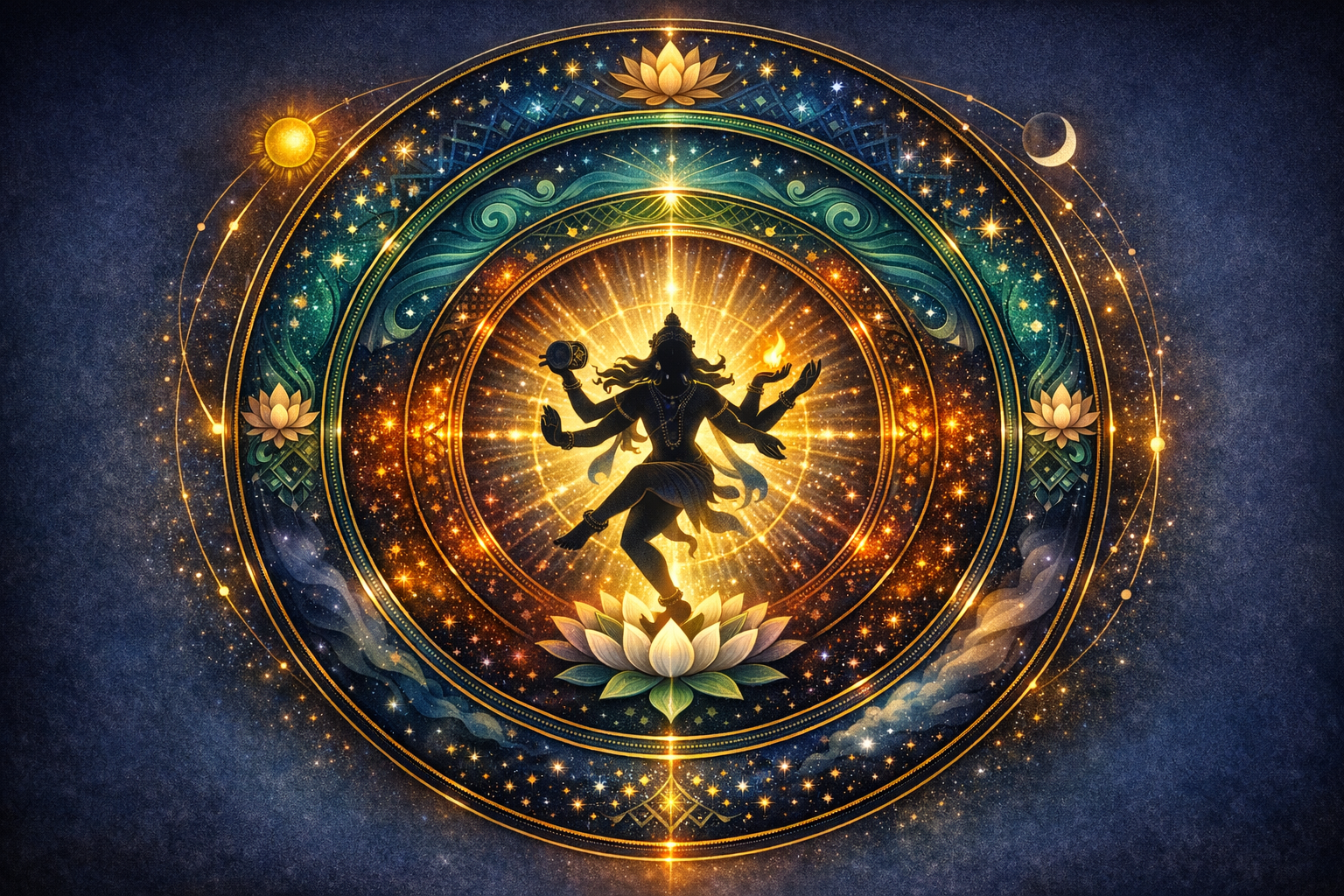
Kalachakra, the wheel of time, reveals a fivefold grammar of creation, preservation, dissolution, veiling, and grace that unites Hindu cosmology, ritual, and yogic practice. This article explains how the five wheels, grounded in the classical doctrine of Pañcakṛtya, operate across cosmic cycles, daily rhythms, and inner transformation. Readers gain a technical yet accessible framework that…
-
Beyond Shadows: Plato’s Cave, Dharmic Wisdom, and the Mind’s Illusion of Reality

Plato’s allegory of the cave explains why humans often mistake partial images for complete reality; Dharmic philosophies show how to correct that error through disciplined practice. This article integrates Plato’s ascent with Hindu, Buddhist, Jain, and Sikh frameworksavidya and maya, the two truths, anekantavada, and Naamdemonstrating how perception can be retrained. Readers gain a rigorous…