Tag: Anekantavada

  • Already Enough: Dharmic Wisdom on Love, Self-Acceptance, and Living Authentically Today

    Already Enough: Dharmic Wisdom on Love, Self-Acceptance, and Living Authentically Today

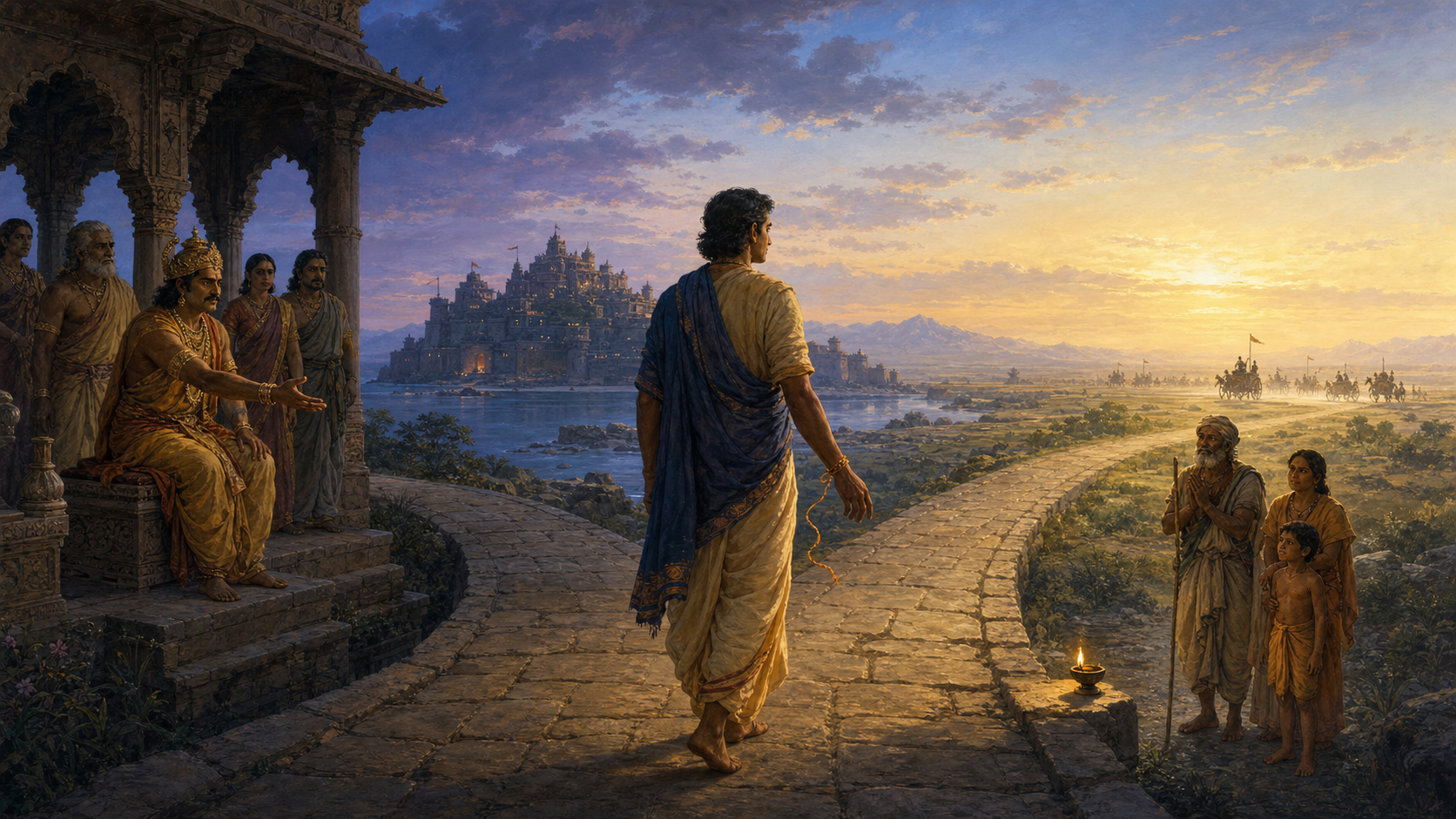
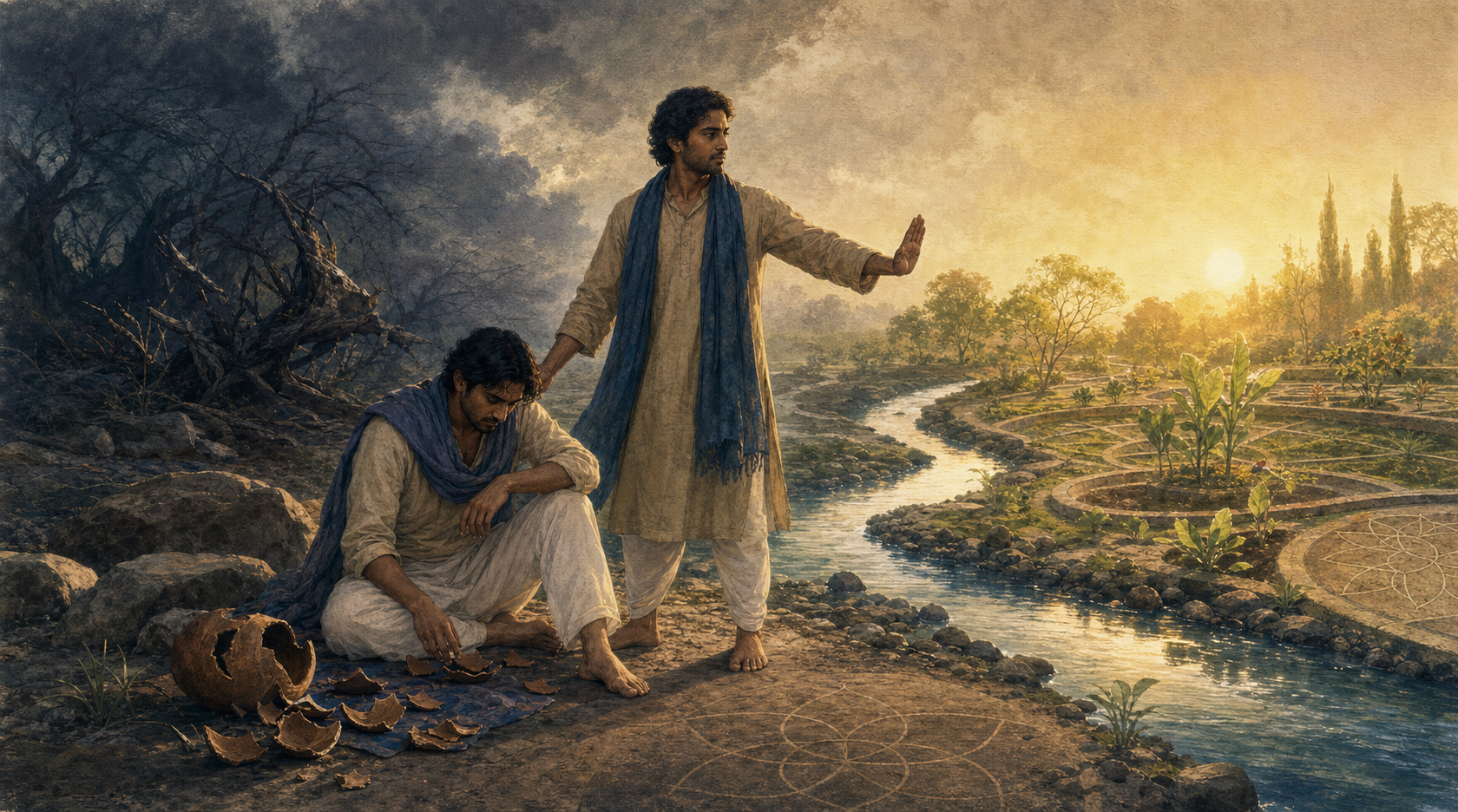
    The post argues that love and acceptance are not earned through perfection but revealed through authentic living, aligning with core insights of Hinduism, Buddhism, Jainism, and Sikhism. It explains Atman, anatta, anekantavada, and Ik Onkar as complementary lenses for intrinsic worth and compassionate action. Drawing on the Bhagavad Gita and Upanishads, it reframes perfectionism as…

  • Nyaya Darshana Unveiled: How Indian Logic and Epistemology Power Clear Thinking

    Nyaya Darshana Unveiled: How Indian Logic and Epistemology Power Clear Thinking

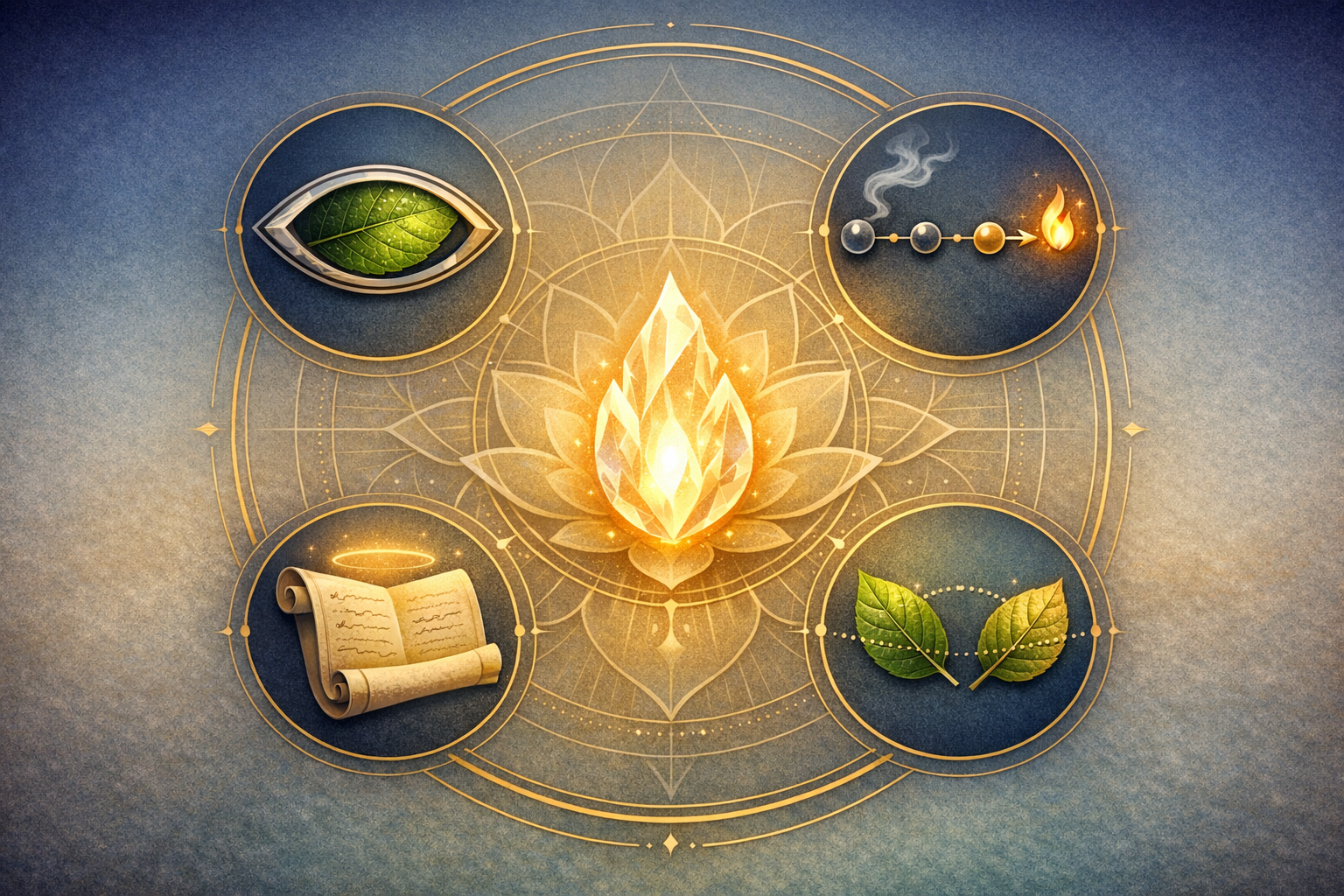
    Nyaya Darshana presents a powerful, time-tested framework for clear thinking through its four pramanasperception, inference, comparison, and testimonyand a celebrated ethics of debate. By detailing the five-part syllogism, fallacies (hetvabhasa), and rigorous tests for reliable evidence (vyapti and upadhi), it equips readers to evaluate claims and avoid common reasoning errors. Its dialogical history with Buddhism,…

  • Why Hinduism Has No Commandments: Dharma’s Liberating, Context-Sensitive Ethics

    Why Hinduism Has No Commandments: Dharma’s Liberating, Context-Sensitive Ethics

    Hinduism’s ethical core is not a fixed list of commandments but the dynamic, context‑sensitive framework of dharma. Drawing on the Vedas, Upanishads, the Bhagavad Gita, and the Dharmashastra tradition, it integrates personal virtue, social responsibility, and a vision of the highest good. This article explains sadharana and vishesha dharma, Mimamsa hermeneutics, and yogic disciplines such…

  • Cradled by Prakriti: A Dharmic and Science-Backed Guide to Caring for Mother Nature

    Cradled by Prakriti: A Dharmic and Science-Backed Guide to Caring for Mother Nature

    This article reframes the classic insightGod as supreme source and nature as nurturing motherthrough a unified dharmic and scientific lens. Drawing on Hindu concepts of Prakriti, the pañca-mahābhūta, and guṇa theory, it aligns Vedic philosophy with modern ecology’s ecosystem services. It integrates Ayurveda’s seasonal and daily regimens to translate ecological literacy into embodied health. Ethical…

  • Vihangama Nyaya Explained: The Bird’s-Eye Method for Clarity and Mastery in Hindu Philosophy

    Vihangama Nyaya Explained: The Bird’s-Eye Method for Clarity and Mastery in Hindu Philosophy

    Vihangama Nyaya, the Maxim of the Bird, teaches how a panoramic, bird’s-eye orientation complements careful, stepwise effort and agile adaptation in both study and practice. By contrasting the bird with the ant and the monkey, it highlights that efficiency depends on capacity, context, and methodnot on a single superior path. Framed within Hindu philosophy, it…

  • Unattached Like the Sun: Dharmic Wisdom on the Divine Light That Impartially Illumines All

    Unattached Like the Sun: Dharmic Wisdom on the Divine Light That Impartially Illumines All

    This article examines the Hindu aphorism that the Divine is like the sunilluminating all without attachmentand shows how this insight unifies the Dharmic traditions of Hinduism, Buddhism, Jainism, and Sikhism. Drawing on scriptural anchors such as the Bhagavad Gita (13.33; 5.10; 9.9; 15.6; 15.12) and the Upanishads, it explains why Brahman/Īśvara is described as nirlepa…

  • Unity in Diversity: Harmonizing Distinct Personalities in Dharmic Service and Devotion

    Unity in Diversity: Harmonizing Distinct Personalities in Dharmic Service and Devotion

    This article presents an academic yet accessible exploration of unity in diversity across Dharmic traditions. It clarifies Srila Prabhupada’s insight”Variety is the mother of enjoyment”and shows how distinct talents become seva that strengthens cohesion. Drawing on Srila Rupa Goswami’s Bhaktirasamrita- sindhu, it highlights Krishna’s identities as dhirodatta and dhiralalita to validate diverse human temperaments in…

  • Learning Without Chains: Hindu-Dharmic Wisdom to Turn Past Mistakes into Clarity and Power

    Learning Without Chains: Hindu-Dharmic Wisdom to Turn Past Mistakes into Clarity and Power

    This essay examines how Hinduism and allied dharmic traditions treat the past as a teacher rather than a burden. It integrates Hindu concepts such as karma, saṃskāra, smṛti, and karma-yoga with Yogic psychology (abhyāsa, vairāgya), Buddhist mindfulness (sati), Jain Anekantavada with Pratikraman, and Sikh teachings on hukam and Naam simran. Readers gain a clear, compassionate…

  • Usharavṛṣṭi Nyāya: Why Wisdom Fails on Unprepared Mindsand How Dharma Cultivates Readiness

    Usharavṛṣṭi Nyāya: Why Wisdom Fails on Unprepared Mindsand How Dharma Cultivates Readiness

    Usharavṛṣṭi Nyāyathe maxim of rain on barren landexplains why even profound wisdom fails when inner preparedness is lacking and how dharma cultivates the conditions for genuine transformation. Drawing on Hindu philosophy and allied dharmic insights, it frames readiness (adhikāra) as a cultivated fitness grounded in ethical discipline, attention, and stability. The essay relates the maxim…

  • Indratva vs Nidratva: Kumbhakarna’s Boon, Ambition, and the Lost Science of Balance

    Indratva vs Nidratva: Kumbhakarna’s Boon, Ambition, and the Lost Science of Balance

    Kumbhakarna’s story in the Ramayana, often reduced to a trope of excess, encodes a precise philosophy of balance through the dialectic of Indratva (unbounded agency) and Nidratva (overpowering inertia). Read across Valmiki and later retellings, the episode becomes a systems lesson in regulating rajas and tamas under sattva’s guidance. The analysis connects dharmic psychology with…

  • Inside Ravana’s Swabhava: Pride, Passion, and the Tragic Integrity of the Asura Emperor

    Inside Ravana’s Swabhava: Pride, Passion, and the Tragic Integrity of the Asura Emperor

    This essay reframes Ravana in the Ramayana as a philosophical study of swabhavainner naturerather than a mere antagonist. It explores how pride and passion, empowered by learning and tapas, evolve into adharma when unrestrained by counsel and maryada. Drawing on Hindu philosophy, Jain Anekantavada, Buddhist analysis of the kleshas, and Sikh reflections on haumai and…

  • Beyond Luck and Fate: Timeless Dharmic Wisdom on Karma, Free Will, and Untouched Truth

    Beyond Luck and Fate: Timeless Dharmic Wisdom on Karma, Free Will, and Untouched Truth

    This article reframes “luck” and “fate” through a dharmic lens as shorthand for complex causality rather than forces that control life. It integrates Hindu, Buddhist, Jain, and Sikh perspectives to show how karma, dependent origination, niyama, and hukam together replace fatalism with responsibility and wisdom. Hindu teachings on sañcita–prārabdha–kriyāmāṇa karma and puruṣārtha emphasize effort within…

  • Design Your Destiny: A Dharmic Guide to Karma, Choice, and Responsible Living

    Design Your Destiny: A Dharmic Guide to Karma, Choice, and Responsible Living

    This article examines how Hindu philosophy and related dharmic traditions align on a rigorous, empowering approach to choice, karma, and destiny. It clarifies the technical distinctions among sanchita, prarabdha, and agami karma, and explains how the purushartha framework and the shreyas–preyas distinction guide ethical decision-making. Drawing on the Bhagavad Gita, Yoga philosophy, and insights from…

  • When She Leads, She Builds: Shakti Leadership Uniting Hindu, Buddhist, Jain, and Sikh Paths

    When She Leads, She Builds: Shakti Leadership Uniting Hindu, Buddhist, Jain, and Sikh Paths

    This essay examines Shakti-centered leadership across Hinduism, Buddhism, Jainism, and Sikhism, showing how women-led initiatives have historically built enduring institutionstemples, viharas, basadis, and gurdwarasthat function as knowledge commons and care infrastructures. It maps Journey and Destination across traditionsmoksha, nirvana, kevala jñāna, and muktihighlighting how aligned methods shape aligned outcomes. Case studies from Gargi and Maitreyi…

  • From Denial to Discernment: Unmasking Prejudice with Hindu, Buddhist, Jain, Sikh Wisdom

    From Denial to Discernment: Unmasking Prejudice with Hindu, Buddhist, Jain, Sikh Wisdom

    Prejudice often hides behind the confident refrain, “Who, me? Never!”a denial that blocks learning. This essay unpacks prejudice with clear definitions from social psychology and aligns them with dharmic analyses of avidya, kleshas, and papañca. Drawing on Srila Bhaktivinoda Thakura’s warning against party-spirit, it offers a practical roadmap to move from self-satisfaction to viveka-driven discernment.…

  • When Darkness Becomes Light: Dharmic Perspectives for Clarity, Compassion, and Unity

    When Darkness Becomes Light: Dharmic Perspectives for Clarity, Compassion, and Unity

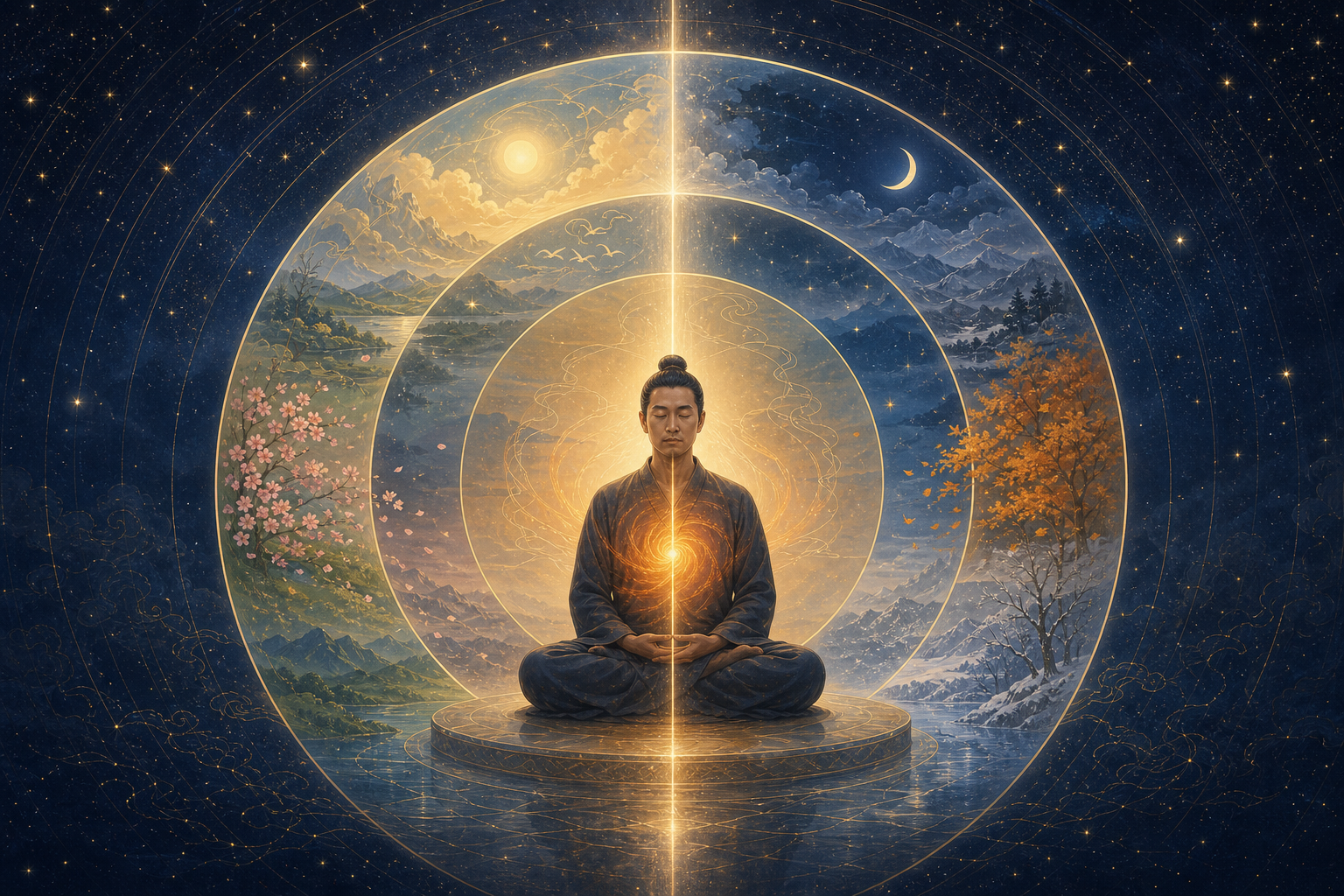
    This essay unpacks the metaphor “Darkness from one side is light from the other side” through Hindu philosophy and its sister Dharmic traditionsBuddhism, Jainism, and Sikhism. Drawing on the Upanishads, the Bhagavad Gita, Advaita Vedanta, Nyaya, Samkhya, and Yoga, it explains why perspectives diverge and how disciplined methods convert contradiction into clarity. Jain Anekantavada and…

  • Why Nothing Is Ever Lost: Dharmic Wisdom to Transform Grief into Clarity and Peace

    Why Nothing Is Ever Lost: Dharmic Wisdom to Transform Grief into Clarity and Peace

    This long-form exploration explains why, across Hinduism, Buddhism, Jainism, and Sikhism, nothing is ever truly lostforms change while meaning, memory, and value continue. It clarifies Vedanta’s two levels of truth, showing how the atman remains untouched even as prakriti transforms. It integrates Buddhist dependent origination, Jain Anekantavada, and Sikh Hukam to present a unified dharmic…

  • What Hurts and Why: A Dharmic, Science-Backed Exploration of Pain and Inner Peace

    What Hurts and Why: A Dharmic, Science-Backed Exploration of Pain and Inner Peace

    Hurt is experienced through many private definitions, which often escalate conflict and fragment peace. A dharmic, science-supported lens shows how this plurality can be honored without dividing communities. Drawing on Hinduism, Buddhism, Jainism, and Sikhismalongside modern psychology and neurosciencethis piece explains why appraisals shape pain and how regulation, reappraisal, and repair reduce suffering. It offers…

  • Living Fully Now: Dharmic Science of Memory, Mindfulness, and Ethical Action

    Living Fully Now: Dharmic Science of Memory, Mindfulness, and Ethical Action

    A simple lessontouching fire once teaches lasting respectunlocks a profound dharmic principle: live fully in the present while letting memory inform, not govern, wise action. Drawing on the Bhagavad Gita, the Yoga Sūtra, Buddhist mindfulness, Jain anekāntavāda, and Sikh simran, this analysis shows how experience becomes discernment across Hinduism, Buddhism, Jainism, and Sikhism. It connects…

  • Vedanta’s Three Kinds of Difference: A Clear, Unifying Guide to Vijātiya, Sajātiya, and Svagata

    Vedanta’s Three Kinds of Difference: A Clear, Unifying Guide to Vijātiya, Sajātiya, and Svagata

    Vedanta distinguishes three kinds of differenceVijātiya, Sajātiya, and Svagatato clarify how unity and plurality coexist in scripture, philosophy, and practice. Understanding these categories resolves common confusions about whether Brahman can have peers, attributes, or internal parts. Advaita denies all three in Brahman at the ultimate level while allowing difference provisionally in experience. Vishishtadvaita affirms one…