-
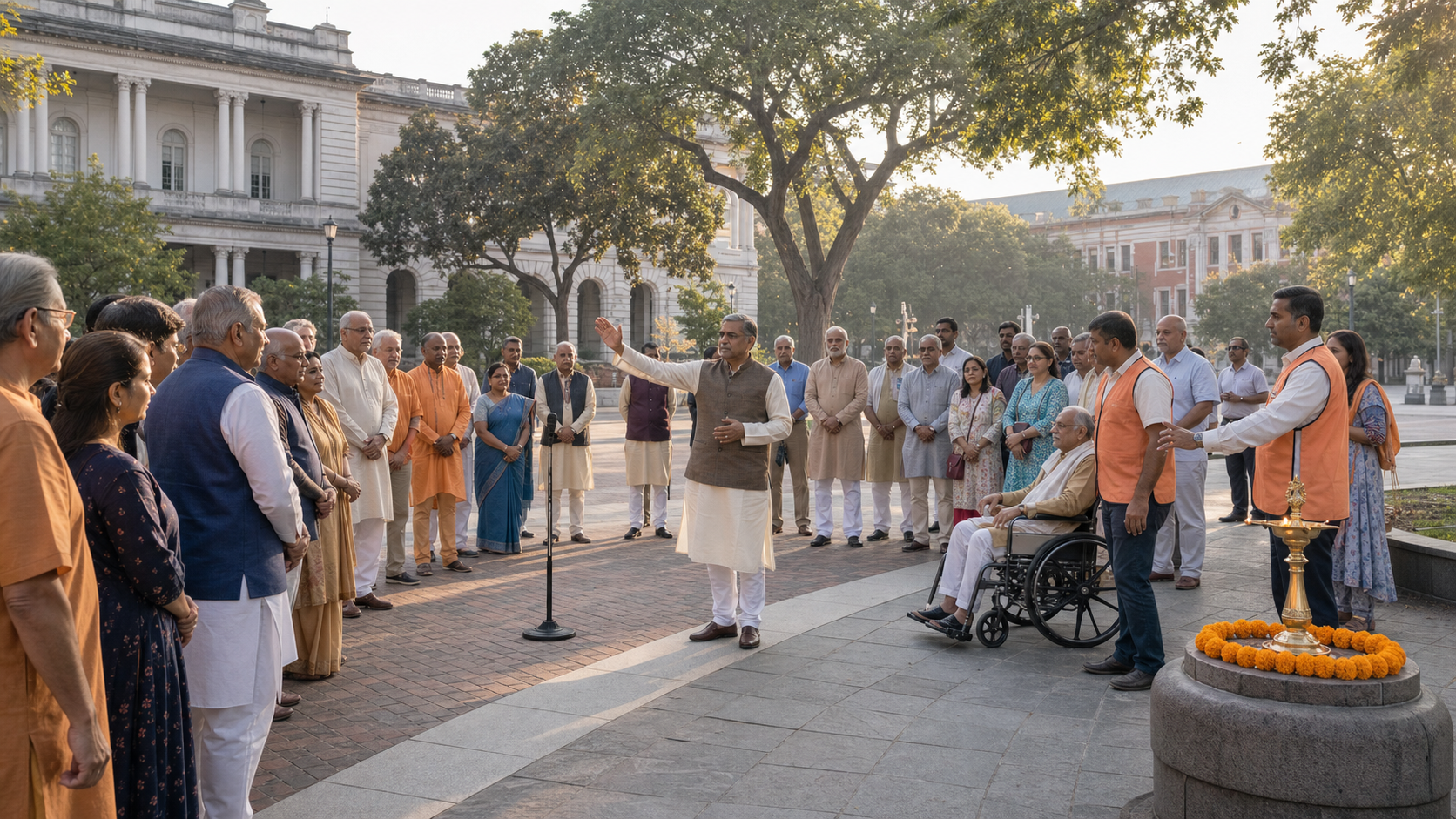
Shyam Manav’s Pune Remarks Ignite Fierce Debate: Free Speech, Faith, and Social Harmony

A public programme in Pune featuring rationalist activist Shyam Manav sparked a forceful debate about the boundaries of criticism, constitutional protections for free speech, and the duty to uphold dignity around Hindu Dharma, saints, and traditions. This analysis frames the incident through a dharmic-unity lens, emphasizing shared values across Hinduism, Buddhism, Jainism, and Sikhism. It…
-
All Faiths Share Core Values – So Why Convert? A Deep, Dharmic, Evidence-Based Guide

This long-form, evidence-based guide explains why religious conversion persists even when core valuescompassion, truth, service, and self-disciplineare widely shared. It distinguishes ethical convergence from deeper differences in metaphysics, salvation, and institutional identity that often drive conversion debates. Drawing on Hinduism, Buddhism, Jainism, and Sikhism, it highlights Dharmic pluralism through ideas like Ishta and anekantavada, showing…
-
Spirituality of Nature: Dharmic wisdom and science for resilient, unshakable inner strength

This long‑form exploration presents a rigorous, Dharmic view of nature as a living revelation of consciousness, uniting Hinduism, Buddhism, Jainism, and Sikhism around interdependence, non‑harm, disciplined awareness, and service. It clarifies how Upanishadic, Buddhist, Jain, and Sikh insights translate into ecological ethics and everyday practices. Evidence from psychology and physiology shows why slow breathing, awe,…
-
Does God Really Exist? A Dharmic Deep Dive into Suffering, Karma, and Yuga Dharma

This long-form exploration reframes “Does God really exist?” through the dharmic lenses of Hinduism, Buddhism, Jainism, and Sikhism. It explains how Yuga Dharma situates the present age (Kali Yuga) and why accessible practiceslike nāma-japa, kīrtana, satsanga, and sevaare especially potent now. Drawing on pramāṇa theory, Nyāya arguments, and Vedānta’s non-dual and devotional streams, it outlines…
-
Sharpening the Inner Compass: Trusting Intuition on the Dharmic Path with Clarity and Courage

Trustworthy intuition in Hinduism is not impulse but disciplined, dharma-aligned insight that integrates perception, reason, and sacred testimony. This article clarifies how the inner compass relates to Atman, the Upanishads, and the Bhagavad Gita, while showing convergences with prajñā in Buddhism, anekāntavāda in Jainism, and hukam in Sikhism. Readers learn practical tests for discernmentahiṃsā, satya,…
-
Why Convert When Core Values Align? A Dharmic, Ethical, and Legal Roadmap to Pluralism

If core values across religions already align, why do conversion campaigns persistand why do they trigger anxiety? This long-form analysis approaches the question through Dharmic frameworks, showing how ahiṁsā, satya, seva, and karuṇā unite Hindu, Buddhist, Jain, and Sikh traditions. It explains the theological, social, and historical forces that drive conversion, while clarifying international and…
-
Liberate the Self: Hindu, Buddhist, Jain, and Sikh Insights on Embracing True Nature

This long-form essay explores how Hinduism, Buddhism, Jainism, and Sikhism converge on a single, practical insight: suffering intensifies when one strives to become someone other than one’s true nature. Drawing on the Upanishads, Bhagavad Gita, Yoga Sutra, Sāṅkhya analysis, Buddhist teachings on craving and anatta, Jain doctrines of aparigraha and anekāntavāda, and Sikh wisdom on…
-
Curiosity as Sacred Practice: How Hinduism Champions Inquiry, Dialogue, and Self-Realization

This article presents a rigorous, accessible account of why Hinduism treats curiosity as a sacred discipline. It traces the spirit of inquiry from the Upanishadic dialogues and Bhagavad Gita to Nyaya logic, Mimamsa hermeneutics, Vedanta inquiry, and Yoga’s epistemology. It explains pramanavalid means of knowledgeand shows how disciplined questioning is bound to ethics, humility, and…
-
Choose Mental Fuel, Not Noise: Dharmic Wisdom to Protect Self‑Respect and Clarity

This essay presents a rigorous, dharmic framework for curating a nourishing “mental diet” that protects clarity and self‑respect in an age of digital distraction. Drawing on the Upanishads, the Bhagavad Gita, and Yoga Sutra, it explains how sattva, abhyasa–vairagya, and pratyahara translate into concrete media habits. Buddhist thought contributes the four nutriments and wise attention;…
-
The War They Could Not Win: Dharmic Unity vs. Empire’s Cultural Offensive (Part 1)

This long-form analysis reframes the nineteenth century as a hybrid strugglemilitary, legal, economic, educational, and narrativebetween an expanding empire and a resilient, plural civilization. It situates the 1857 War of Independence within deeper structural transformations led by the British East India Company and subsequent Crown rule. The discussion explains how revenue settlements, legal codification, and…
-
The War They Could Not Win: How Dharmic Resilience Defied Empire and Erasure

This long-form analysis explains why attempts to subdue India’s civilizational core repeatedly failed. It argues that dharmic polycentricityrooted in Hindu, Buddhist, Jain, and Sikh traditionsproduced resilient networks of ethics, learning, and care beyond the reach of central control. Drawing on the Revolt of 1857, British Colonial Rule, and the intellectual countercurrents of Vivekananda and Aurobindo,…
-
‘Gems of Sikhism’ Review: Timeless Teachings, Khalsa Ethos, and Dharmic Unity Today

This academically grounded review of ‘Gems of Sikhism’ distills the core teachings of SikhismIk Onkar, Naam, Seva, Kirat Karni, Vand Chakna, Sarbat da bhala, and the Khalsa ethosinto a coherent, accessible framework. It explains how Sikh practices like Langar and Seva institutionalize equality and compassion, while Miri–Piri and the Sant–Sipahi ideal provide a disciplined theory…
-
Is Life Easy or Difficult? Dharmic wisdom unites dukkha and ananda with practical tools

The longstanding paradoxBuddhism’s dukkha versus the claim that life is joyresolves when viewed through dharmic frameworks that distinguish conventional from ultimate truth. Buddhism names the instability of conditioned life, while Vedanta points to ananda as the intrinsic nature of consciousness; Jain Anekantavada and Sikh Chardi Kala further harmonize these insights. This synthesis is practical, not…
-
To Know Sanatana Dharma, Become It: Transform Study into Embodied, Breath-by-Breath Wisdom

Studying Sanatana Dharma offers orientation; living it confers transformation. This essay explains how knowledge becomes embodied through śravaṇa–manana–nididhyāsana, prāṇāyāma, meditation, and ethical discipline, aligning ancient insights with contemporary understanding of attention, stress, and habit-formation. It shows how Hinduism, Buddhism, Jainism, and Sikhism converge on shared methodsbreath, mindfulness, vows, and sevawhile honoring pluralism via Ishta and…
-
Krishna and the Six Sons of Devaki: A Compassionate Jain Harivamsa vs Hindu Puranas

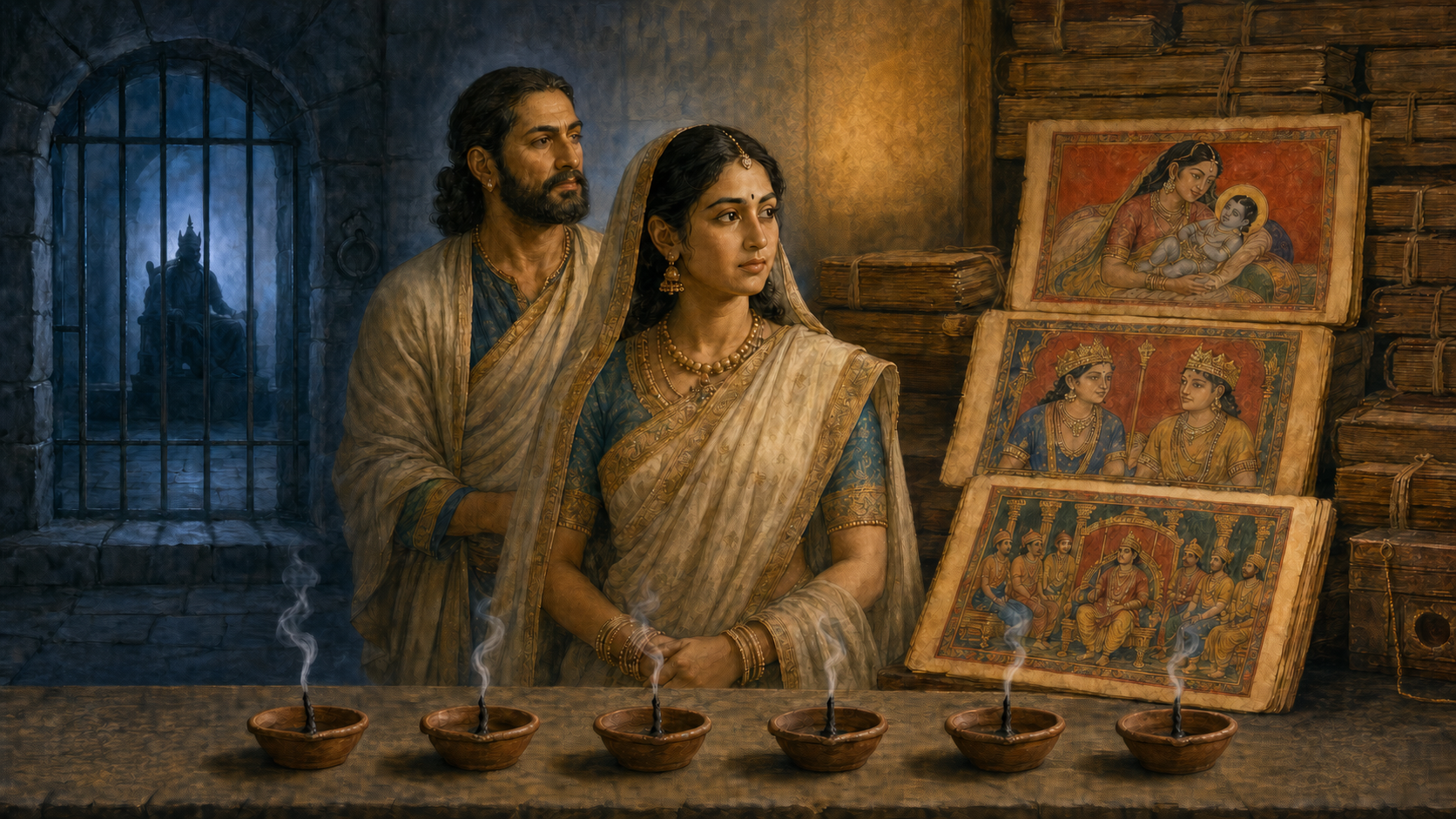
This long-form, comparative study examines how Hindu scriptures (Bhagavata Purana, Vishnu Purana) and the Jain Harivamsa Purana narrate the episode of Devaki’s six sons and Kamsa’s violence. It clarifies the difference between the Hindu Harivamsha and the Jain Harivamsa Purana, then maps their contrasting theological aims: divine descent and restoration of dharma versus karmic causality…
-
Neo‑Vedanta Unveiled: A Powerful Modern Synthesis Bridging Dharmic Wisdom and Pluralism

This article examines Neo‑Vedanta as a rigorous, modern synthesis of Vedāntic wisdom grounded in the Prasthanatraya (Upanishads, Bhagavad Gita, Brahmasutras). It traces historical catalysts in nineteenth‑century India and explains how Sri Ramakrishna and Swami Vivekananda anchored a plural, practice‑oriented vision. Readers gain a clear understanding of Ishta as a principle of respectful diversity and see…
-
Dissolving Trishna’s Hidden Fire: Timeless Dharmic Strategies to Transform Craving into Freedom

This long-form, research-driven exploration explains trishna (craving) as the subtle energy that precedes actionthe “root before the root.” It integrates Hindu, Buddhist, Jain, and Sikh perspectives to present a unified Dharmic framework for transforming craving into clarity and freedom. Readers gain a technical map (kleśas, vāsanās, vedanā, dependent arising), scriptural anchors (Yoga Sutra, Bhagavad Gita,…
-
Is Life Easy or Difficult? An Evidence-Backed Dharmic Guide to Joy, Suffering, and Mastery

Is life easy or difficult? A dharmic analysis shows the question spans two complementary levels: the conventional reality of dukkha (unsatisfactoriness) and the ultimate discovery of ananda (joy). Buddhism’s Four Noble Truths, the Yoga Sutra, Vedanta’s ananda doctrine, Jain anekantavada, and Sikh Chardi Kala together form a unified method for transforming difficulty into resilience while…
-
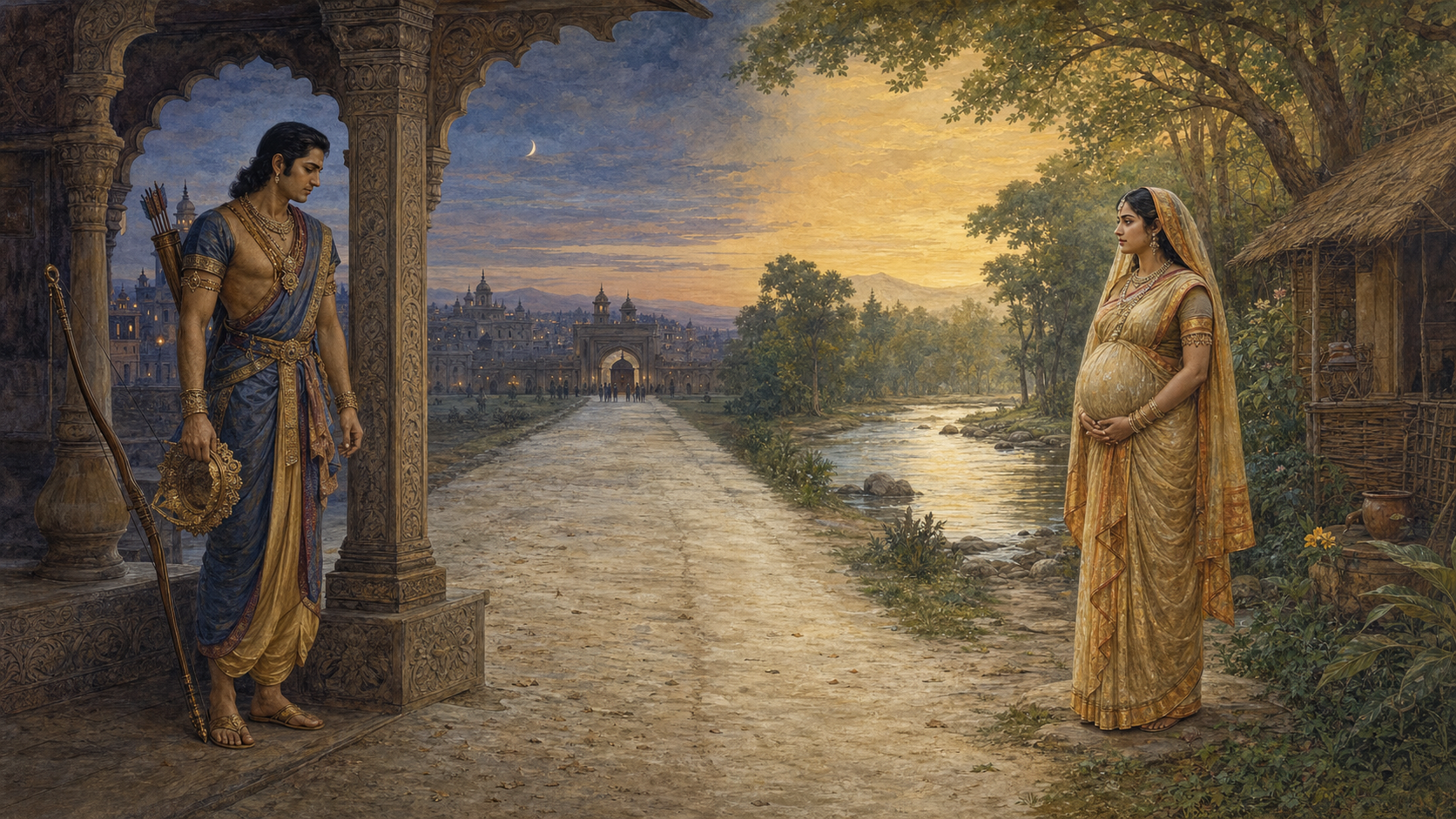
Ramayana’s Unfinished Truth: Why Rama and Sita Don’t Get a Fairy-Tale Ending (and Dharma’s Lesson)

Ramayana is not a fairy tale about bliss after victory; it is a rigorous meditation on dharma under the pressures of love, power, and public trust. The narrative after Ravana’s defeat intensifies into a study of rajadharma, where Rama’s personal anguish and public duty collide. Sita’s trialsAgni Pariksha, exile, and her return to Mother Earthexpose…
-
As You Believe, So You Live: Hindu Dharma’s Science of Mindset, Health, and Longevity

This long-form analysis explores how dharmic wisdomHinduism, Buddhism, Jainism, and Sikhismanticipated modern findings on the mind-body connection by showing that belief (śraddhā, bhāva) measurably shapes healthspan and longevity. It integrates Bhagavad Gita and Yoga Sūtra insights with Ayurveda’s sattvavajaya and rasāyana, and aligns them with contemporary stress biology, autonomic regulation, and immune resilience. Practical guidance…