

If you have seen the claim that foreign nationals were registered to vote in Karnataka, the useful question is not whether the number sounds alarming. It is what the reported discovery establishes, what it does not establish, and what authorities must now disclose.
During Karnataka’s Special Intensive Revision, or SIR, 716 foreign nationals were reportedly identified on the electoral rolls. Their inclusion is a serious eligibility failure if the classifications are confirmed. But the available facts do not show that all 716 cast ballots, committed fraud, or entered the rolls through the same route. Keeping those distinctions intact is the first step toward demanding credible accountability.
What the finding establishes – and what it does not

A foreign national is not eligible to be enrolled as a Bharatiya voter. An ineligible name on an electoral roll therefore matters even when no ballot has been cast: the registration system has placed voting access where it does not belong.
The names reportedly predated the SIR and were removed after the individuals could not furnish the parental details required on their enumeration forms. They were also said to possess Bharatiya identity documents. That combination exposes the central control problem: possessing an identity document did not, in these cases, settle the separate question of citizenship eligibility.
Four different claims must not be collapsed into one:
- Enrollment: the 716 names reportedly appeared on Karnataka’s voter rolls.
- Ineligibility: the people were reportedly identified as foreign nationals during the revision.
- Voting: no voting history has been provided, so the number cannot honestly be restated as 716 illegal votes.
- Intentional fraud: no case-by-case evidence has been provided showing who knowingly supplied false information, who may have been registered through administrative error, or whether anyone else facilitated an improper enrollment.
This distinction gives you a simple accuracy test. It is fair to say that 716 foreign nationals were reportedly found on the rolls during the SIR. It is not fair, on the facts currently before us, to say that 716 foreigners voted or that every entry resulted from a coordinated conspiracy.
Northern Bengaluru is the place to examine first
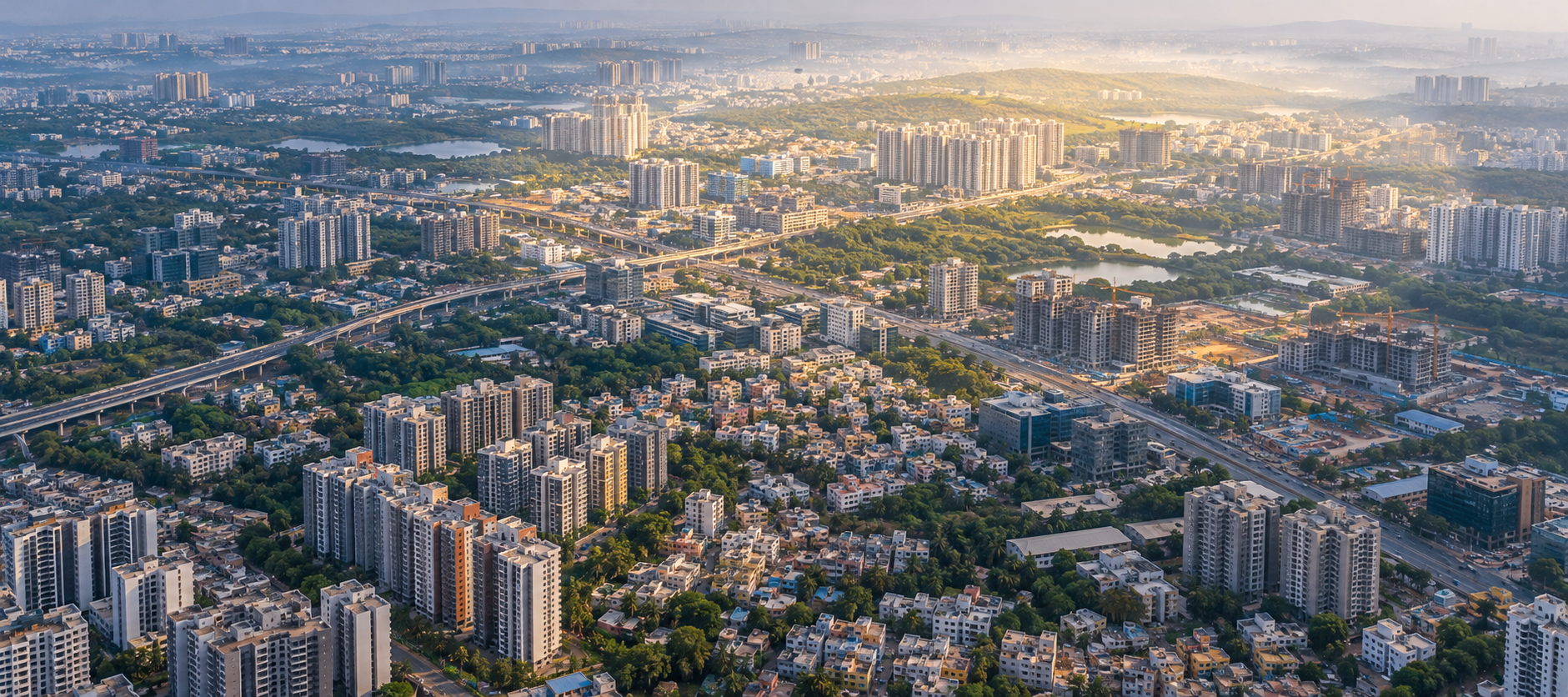
The distribution was highly concentrated. The northern Bengaluru area under the Bruhat Bengaluru Mahanagara Palike reportedly accounted for 583 of the 716 identified names. Among the nationalities specified for that area were 545 Nepali, 24 American, eight Australian, two Canadian and three UAE citizens.
Other cases were identified in Dakshina Kannada, Gadag, Bagalkot, Uttara Kannada, Udupi, Belagavi and Hassan. The nationalities named outside the northern-Bengaluru concentration included those of Nepal, the United Kingdom, Norway, Ireland, Bangladesh, France and the Netherlands. One Pakistani citizen was included in the statewide total.
That concentration should shape the audit. Authorities should compare the northern-Bengaluru cases with registrations in the other affected districts: which application channels were used, which documents were accepted, when the entries were approved, which offices handled them, and whether addresses or processing patterns recur.
The geography does not establish a cause by itself. It does, however, make a vague statewide explanation inadequate. If one administrative area contains the overwhelming majority of the cases, the public deserves an area-specific reconstruction of how those entries passed verification.
The predominance of Nepali nationals in the northern-Bengaluru group must also be handled carefully. It is evidence about a set of voter-roll entries, not a licence to suspect Nepali residents as a community. Citizenship, documentary evidence and the individual enrollment record are the relevant questions. Nationality must not become a shortcut for collective blame.
Key takeaways
- The reported problem concerns 716 foreign-national names on Karnataka’s electoral rolls, with 583 concentrated in the northern Bengaluru area under BBMP.
- The names were reportedly deleted during the SIR after the individuals failed to supply required parental details.
- The individuals reportedly possessed Bharatiya identity documents, making the document-verification pathway a central subject for investigation.
- The facts provided do not establish that all 716 people voted, acted intentionally, or entered through one coordinated mechanism.
- A credible response must explain how the registrations occurred, whether any ballots were cast, who was responsible in each case, and which control has now been repaired.
Deletion fixes the roll, not the system that admitted the names
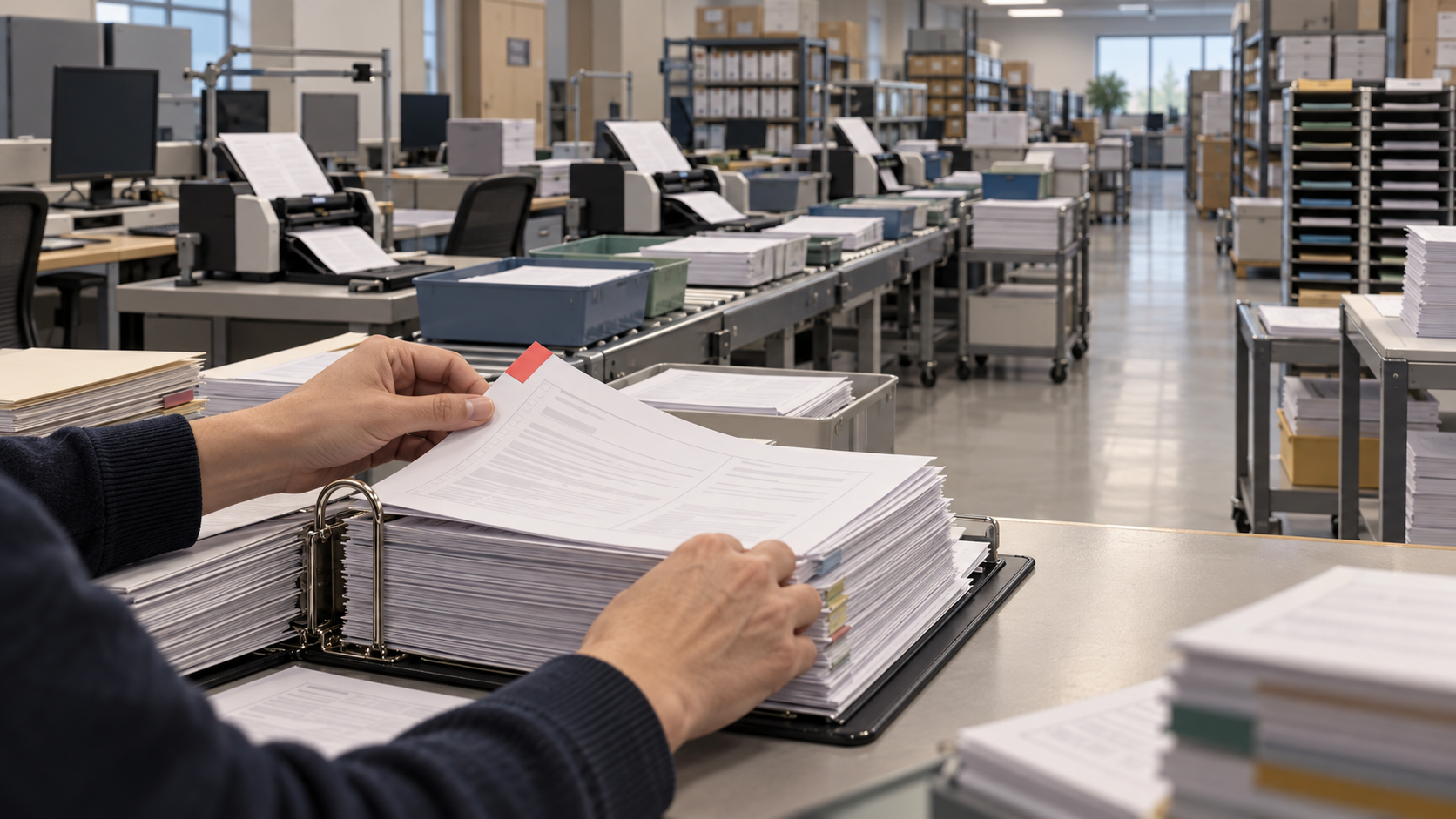
Removing an ineligible name protects future elections. It does not explain the original admission. If the response ends at deletion, the same weakness can produce another set of entries later.
The Karnataka Chief Electoral Officer’s office may write to the Election Commission of Bharat seeking appropriate legal action. Before responsibility can be assigned fairly, the investigation should answer six concrete questions:
<!– wp:list {
Leave a Reply
You must be logged in to post a comment.