
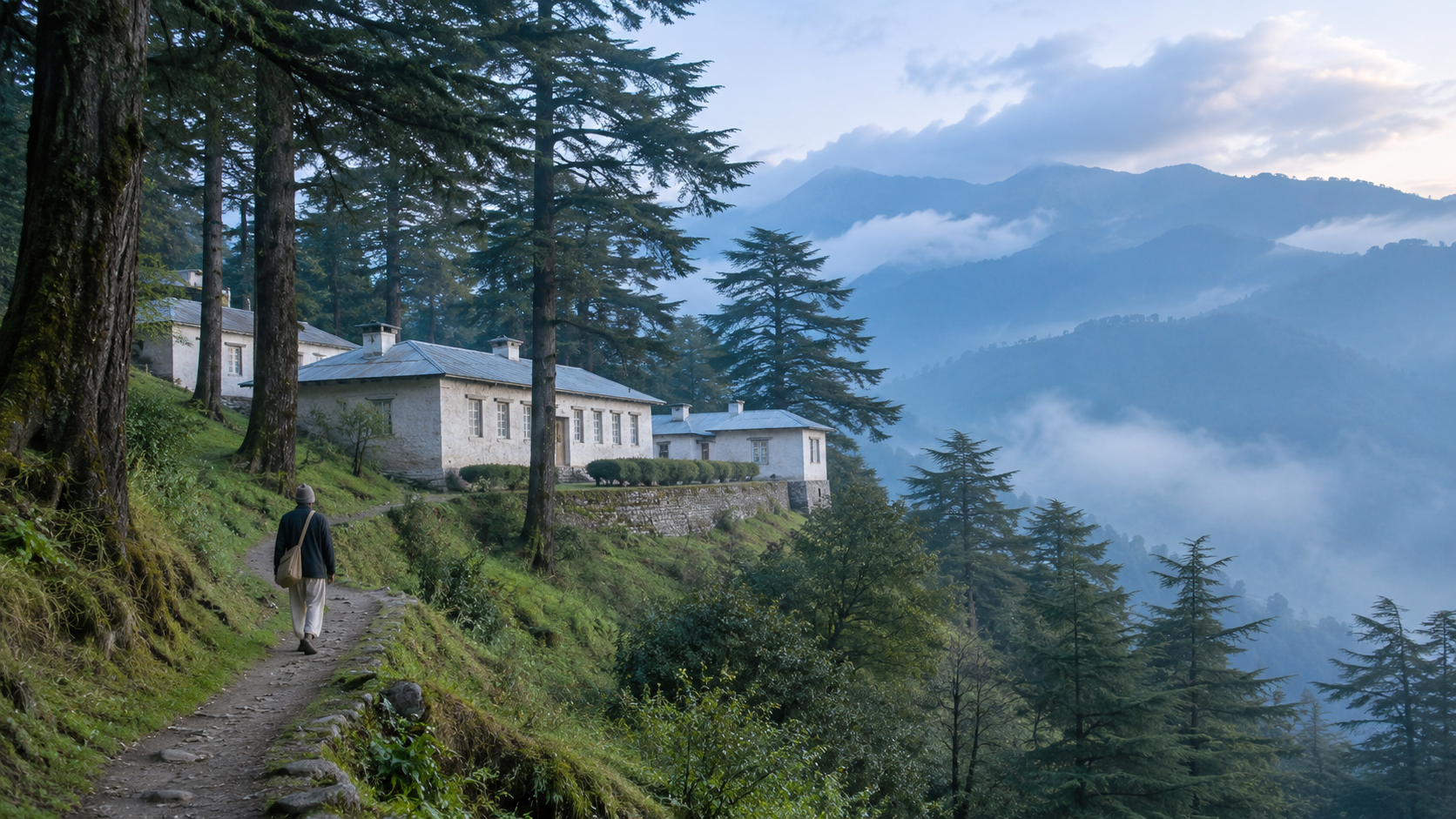
You want to visit Mayavati, but you do not want to reduce a Himalayan ashrama to another stop on an itinerary. The practical question is simple: how do you prepare for this particular pilgrimage, and what should you expect from it?
Begin with permission, not transport. Then give the journey a clear spiritual purpose. Mayavati is best approached as a period of silence, study and self-examination shaped by Advaita Vedanta—not as a sightseeing excursion with an ashrama added to it.
First decide whether Mayavati is the pilgrimage you want
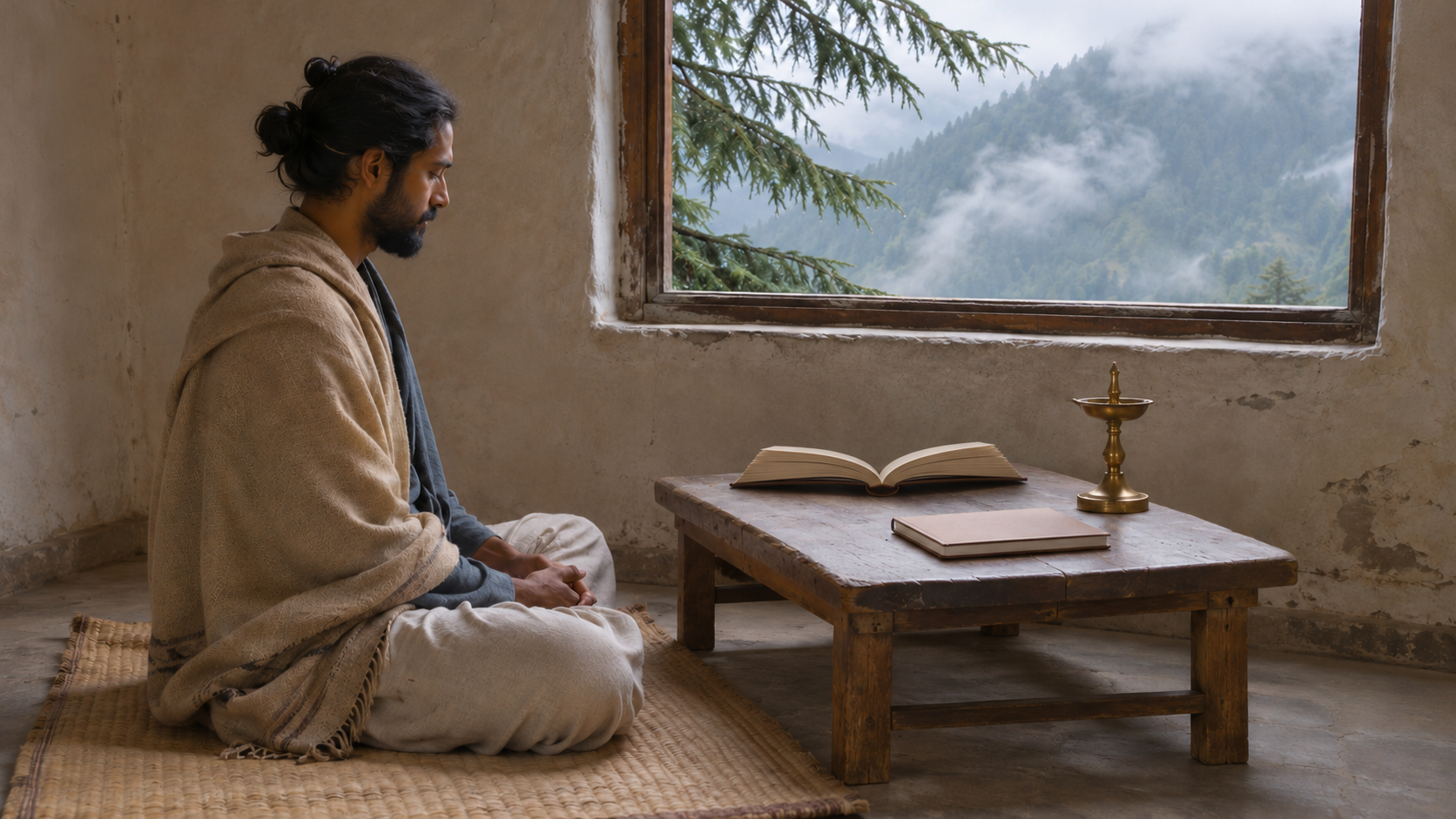
Mayavati is a remote Himalayan monastery conceived under Swami Vivekananda’s inspiration as a centre dedicated to the practice and propagation of Advaita Vedanta. That identity should determine your expectations before you request a stay.
Advaita means non-duality. On pilgrimage, that is not merely a doctrine to discuss. It is an invitation to examine the divisions through which you normally see yourself and the world: sacred and ordinary, success and failure, mine and yours, the observer and the observed. The place can support that examination, but it cannot perform it for you.
Mayavati is likely to suit you if you are seeking sustained quiet, Vedantic reflection, contact with Swami Vivekananda’s legacy and temporary distance from an overfilled routine. It may not suit your immediate purpose if you mainly want an unplanned day visit, a conventional tourist programme, constant social activity or a checklist of visible attractions.
This distinction matters because disappointment often begins with a mismatched expectation. A pilgrim can value temple darshan, ritual, sacred architecture and Himalayan scenery while still recognising that Mayavati calls for a different emphasis. Its central promise is contemplative depth.
Before contacting the Ashrama, write a plain statement of intent. It might be to study Vivekananda’s understanding of Advaita, to recover a neglected discipline of silence, or to examine a recurring attachment. If you cannot yet name your purpose, spend more time preparing. A clear sankalpa will help you write an honest request and use a short stay well.
Seek permission before you build the journey

Mayavati does not operate like accommodation at an ordinary destination. Visitors are expected to obtain prior permission rather than arrive and ask for a room. In one case, the Ashrama granted a husband and wife permission to stay in its guest house for three days. Treat that duration as an example, not as a guaranteed entitlement or a statement of current policy.
Only the Ashrama can confirm present availability, administrative requirements and access arrangements. A concise request can provide the information needed for a useful reply:
<!– wp:list {
Leave a Reply
You must be logged in to post a comment.