
If you are trying to decide whether the Ratlam matter is a genuine violation of religious freedom or another round of communal accusation, resist the two quickest conclusions. The allegations are serious, but a police case is not a finding of guilt.
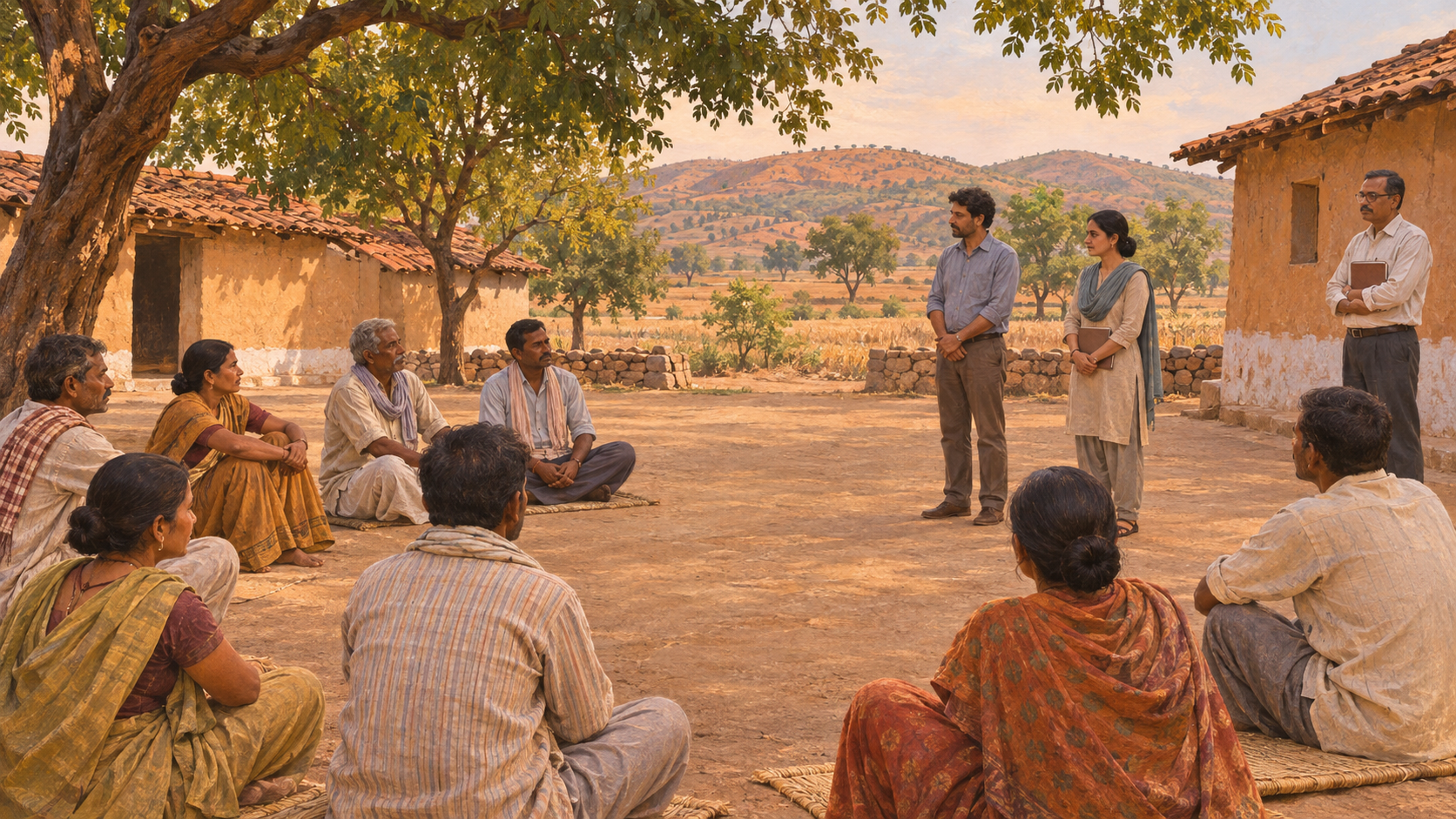
Janajati villagers in Rawati were allegedly promised relief from illness and hardship, given what was described as "miraculous water," and pressed to accept Christianity. Police registered a case against three people under Section 5 of the Madhya Pradesh Freedom of Religion Act, and the investigation remains open. For you, the useful question is not which side can speak most loudly. It is what would distinguish a freely chosen religious encounter from exploitation of illness, distress or dependency.
What is known, alleged and still unproven

The narrow factual core concerns a prayer gathering held at a house on Station Road in Rawati. Hindu Jagran Manch workers reached the location on Sunday, 1 November, and raised an allegation that conversion activity was taking place. A complaint and statements from villagers were followed by police action against a married couple and another woman.
The decisive claims remain allegations. Investigators still have to determine what was said inside the gathering, whether relief from suffering was made conditional on adopting Christianity, how the water was presented, whether anyone faced pressure, and what each participant understood. The available facts do not establish that a conversion occurred, much less that the three accused people committed an offence.
Keep these three levels separate when you discuss the case:
- Procedural facts: a gathering took place, objections were raised, villagers gave statements, police registered a case, and an investigation is continuing.
- Substantive allegations: illness and other troubles would supposedly disappear after accepting Christianity, "miraculous water" was used at the gathering, and villagers were pressured to change their religion.
- Unresolved questions: the exact words and context, whether any benefit was conditional, whether a refusal was respected, whether anyone intended to convert, and whether the legal requirements of an offence are met.
This distinction is not a technical courtesy. Saying "police are investigating an allegation" protects the credibility of the complainants as well as the rights of the accused. Declaring that villagers were converted before that has been established turns a potentially serious complaint into an assertion that can be challenged on its weakest point.
The practical test: was faith invited or vulnerability used?

A person may attend a prayer meeting, hear another religious teaching or even change faith by genuine choice. Disapproval from relatives or community organisations does not by itself prove coercion. The concern becomes materially different when illness, grief, poverty, fear or social dependence is used to make a religious decision harder to refuse.
When you hear an allegation of conversion pressure, ask questions that can produce evidence rather than slogans:
- Was a specific result promised, such as the disappearance of an illness or the end of a family’s hardships?
- Was that result described as a possibility, a personal testimony or a guaranteed consequence?
- Was receiving water, prayer, material help or continued support tied to accepting a new religion?
- Could a participant decline the prayer, refuse the water or leave the gathering without repeated persuasion, humiliation or threatened loss?
- Did participants understand the language being used and the religious purpose of the meeting before attending?
- Are the key statements remembered by more than one independent witness, or are they being repeated from a single person’s account?
- Do invitations, messages, recordings or other original materials clarify what organisers promised?
No single answer automatically proves a crime. Legal definitions and evidentiary requirements must be applied by investigators, prosecutors and courts. These questions do, however, reveal whether the dispute concerns ordinary religious persuasion or a benefit-and-pressure arrangement directed at people in distress.
A Dharmic defence of religious freedom should be consistent. A person should not be manipulated into abandoning an inherited tradition, and a person should not be threatened into remaining within it. Protecting freedom of conscience in both directions makes the case against coercive conversion stronger, not weaker.
Healing promises require immediate, careful scrutiny
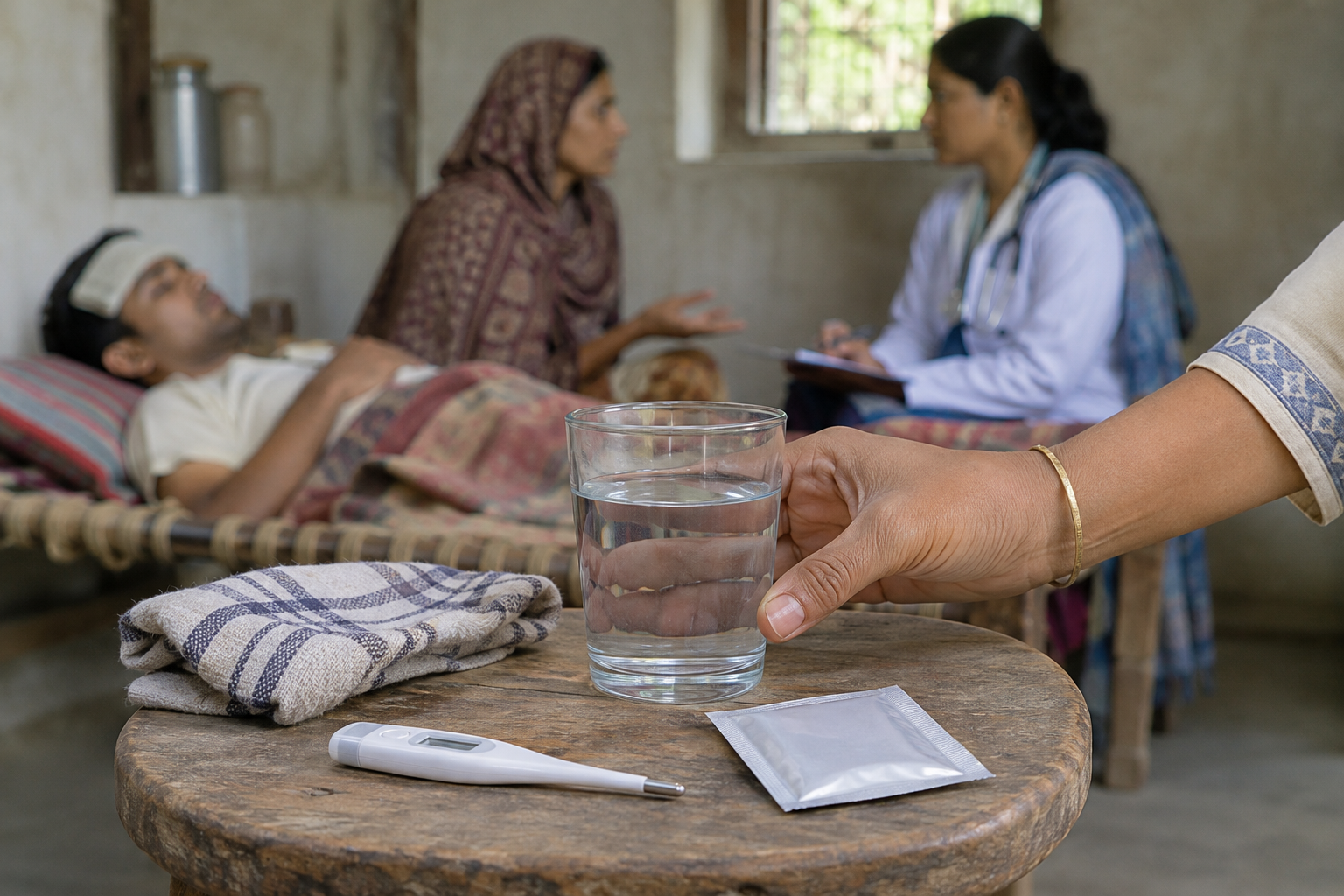
The alleged use of "miraculous water" matters because illness changes how people assess a promise. Someone living with pain or watching a relative suffer may accept certainty that would otherwise invite questions. Hope can become leverage when relief is presented as the reward for religious compliance.
Prayer and medical treatment need not be treated as enemies. A family may pray while also seeking qualified care. The safe boundary is clear: blessed or supposedly miraculous water should not be treated as a diagnosis, a proven cure or a substitute for appropriate medical attention. Its religious description does not establish either its medical effectiveness or its safety.
If you are helping a villager describe such an encounter, establish the context before drawing a conclusion:
- Ask what condition or hardship was discussed and who first raised it.
- Record whether the water was described as symbolic, blessed, curative or certain to work.
- Ask whether anyone advised the person to stop treatment or avoid a medical professional.
- Determine whether receiving the water or further assistance depended on attending more meetings or adopting a religious identity.
- If illness is ongoing, put medical care first. If someone became unwell after consuming an unknown substance, seek appropriate medical help and tell the clinician what was consumed.
- Do not seize, taste, redistribute or tamper with any remaining liquid. Let the relevant authorities determine whether and how physical material should be handled.
Be precise about the alleged promise. "They prayed for recovery" and "they guaranteed recovery if we converted" are not interchangeable statements. The second contains a condition that the first does not. Exact wording, the language used and the participant’s response may therefore matter more than an argument about whether miracles are possible.
A lawful response protects villagers and the case
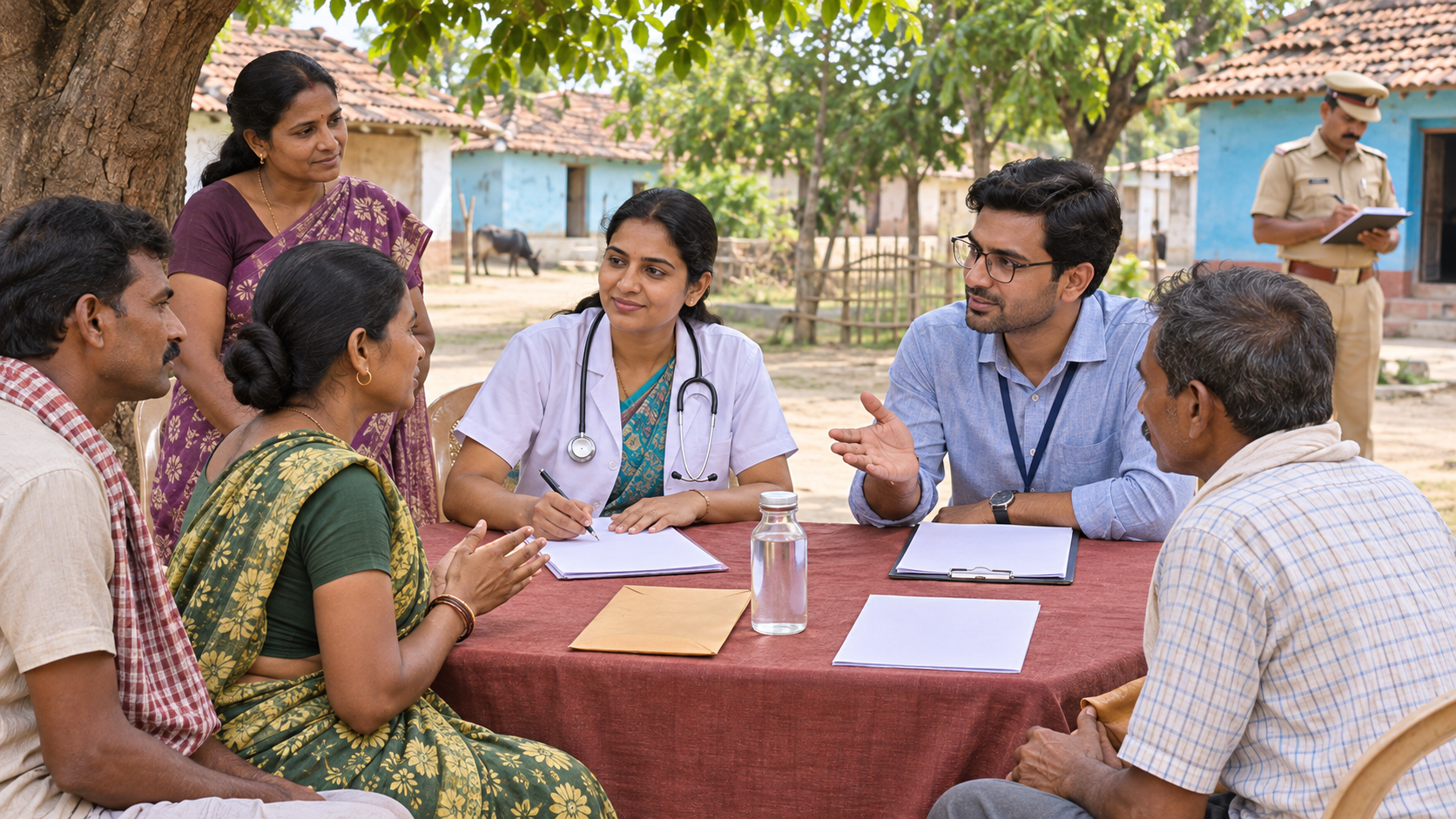
Anger may bring people to the location quickly, but it cannot establish what happened inside. Confrontation can frighten witnesses, contaminate their recollections, expose vulnerable families, and create a separate dispute about threats or trespass. If you are a relative, village representative or community worker, use a disciplined process.
- Address immediate safety and health needs. Help anyone who is ill obtain appropriate care. Do not make participation in a complaint a condition for receiving community support.
- Write down each first-hand account promptly. Include the date, approximate time, location, people present, language spoken and the closest remembered wording. Mark clearly where a phrase is a summary rather than an exact quotation.
- Separate observation from hearsay. "I heard the organiser say this" is different from "another villager told me this." Both may be relevant, but combining them weakens accuracy.
- Preserve original material. Keep invitations, messages, photographs, audio or video in their original form if they were lawfully obtained. Do not crop, add captions, splice clips or circulate them through social media before giving investigators access to the originals.
- Record witnesses independently. Do not hold a group rehearsal or supply people with a common script. Similarity produced by coaching can damage the value of genuine recollections.
- Submit evidence through lawful channels. Give the material to police and, where needed, consult a qualified local lawyer familiar with the Madhya Pradesh law. Ask what documentation or acknowledgment can be retained without obstructing the investigation.
- Protect identities and prevent retaliation. Do not publish villagers’ names, medical details, photographs or addresses without informed consent. Do not threaten organisers, enter private property by force, damage a place of worship or pressure witnesses to support either side.
The same preservation duty applies to the accused. Messages, attendance records and other potentially relevant material should not be deleted or altered. Contacting complainants to secure a retraction can itself create further allegations; communication should be handled through qualified legal counsel where the dispute has reached the police.
Community organisations also need a clear stopping point. Their role can include helping villagers reach medical care, preserving accounts and facilitating access to lawful remedies. Determining guilt belongs to the justice system. A crowd cannot conduct a reliable examination of consent, and public naming cannot substitute for evidence.
Key takeaways
- The Ratlam allegations warrant investigation, but the registration of a police case does not prove that conversion, coercion or unlawful inducement occurred.
- The central evidentiary question is whether relief from illness or hardship was made conditional on adopting Christianity, not merely whether a prayer meeting took place.
- A healing claim deserves special scrutiny when it is directed at sick or distressed people. Prayer must not be treated as a substitute for appropriate medical care.
- Exact words, first-hand accounts and unedited original material are more useful than labels, forwarded clips or group-rehearsed statements.
- A lawful response excludes trespass, threats, forced declarations, public exposure of vulnerable villagers and retaliation against the accused.
- Religious freedom protects voluntary belief while rejecting pressure to enter or remain in a faith.
If a similar gathering raises concern in your area, begin with the person who may have been pressured: secure care, listen without coaching, record only what can be supported, and move the evidence through lawful channels. That approach gives a genuine complaint its best chance of being taken seriously while denying communal rumour the power to decide guilt.
References

Leave a Reply
You must be logged in to post a comment.