
-
Bhakta Ramadasu of Bhadrachalam: Unwavering Bhakti, Trials, and the Triumph of Grace
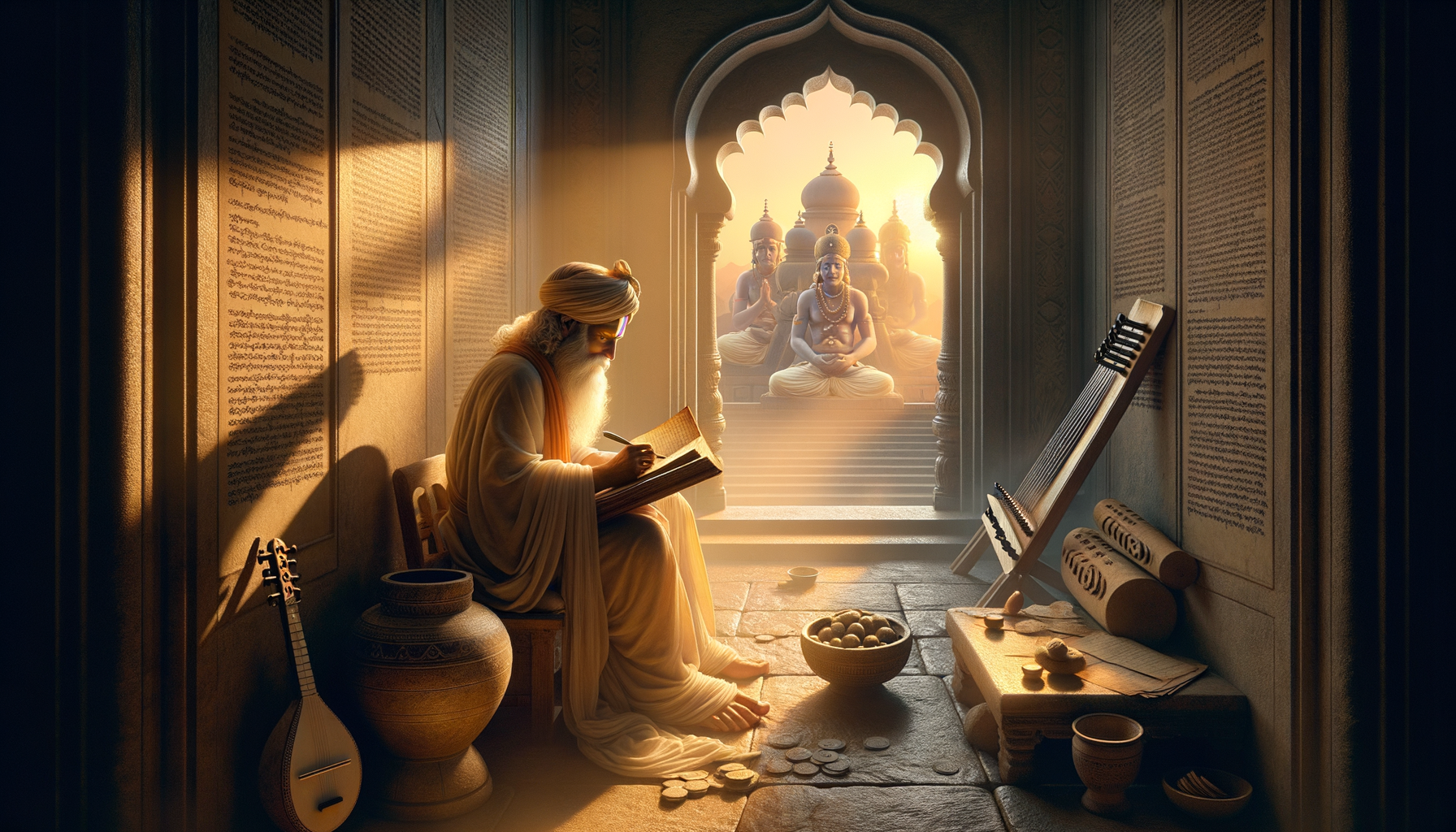
Bhakta Ramadasu (Kancherla Gopanna) exemplifies how unwavering bhakti turns hardship into spiritual strength. Serving under the Qutb Shahi Sultanate, his resolve to restore the Bhadrachalam Temple led to imprisonment, during which he composed enduring works like Ramadasu Keertanalu and Dasarathi Satakam. Hagiographies recount a moving legend of divine intervention, followed by the ruler’s respect for…
-
Decoding Moksha Across the Yugas: How Kali Yuga Becomes the Fastest Route to Liberation
This article explains how the four YugasSatya, Treta, Dvapara, and Kalishape spiritual practice and the relative ease of attaining moksha. Drawing on the Bhagavata Purana, Upanishads, and the Bhagavad Gita, it shows why Kali Yuga, despite its challenges, offers accessible, grace-filled pathways through nama-japa, kirtana, seva, and satsang. Readers gain a clear, academic overview of…
-
November 6, 2025 Panchang: Essential Guide to Krishna Paksha Pratipada and Dwitiya

November 6, 2025 spans two tithis in the Panchang – Hindu Calendar: Krishna Paksha Pratipada until 4:55 PM, followed by Krishna Paksha Dwitiya. This shift within the waning fortnight supports calm focus, measured routines, and community-oriented service. Readers are advised to verify local Nakshatra, Rashi, and shubh muhurta, as these depend on regional calculations. The…
-
Transform Hidden Pain: Evidence-Based Mind-Body Tools to Soothe the Nervous System

Chronic pain often reflects not only physical strain but also unprocessed emotional load. Research and dharmic wisdom both highlight the mind-body connection and the role of nervous system regulation in reducing protective pain responses. Expressive journaling can safely organize difficult emotions, while breath awareness and pranayama calm autonomic arousal. Mindfulness, meditation, and somatic tracking reduce…
-
Why Surya Is Worshipped in Sphatika: Illuminating the Symbolism, Science, and Serenity

Surya worship through sphatika (crystal) unites symbolism and practice, aligning the Sun God’s radiance with the crystal’s clarity to support focused, serene devotion. The crystal’s sattvic purity complements Surya’s illuminating qualities, fostering steadiness without agitation. In daily practice, gentle natural light refracted by sphatika creates a contemplative atmosphere ideal for mantra and meditation. Practical stepsclean…
-
Pallikonda Shiva of Surutapalli: The Divine Reclining Lord and Vishapaharanam’s Lesson for Seekers

Pallikonda Shiva at Surutapalli presents a uniquely rare sayana (reclining) form of Lord Shivahis head resting upon Parvati’s lapmemorializing the Vishapaharanam, when Shiva absorbed the Halahala poison to protect creation. The temple’s iconography embodies power guided by compassion and rest as a sacred phase of responsible action. Pradosham and Mahashivaratri observances here highlight gratitude, resilience,…
-
Beyond the Body: Hindu Philosophy on Consciousness, Out-of-Body States, and Inner Freedom

Hindu philosophy addresses out-of-body experiences through a disciplined framework that distinguishes inner phenomenology from metaphysical claims. Drawing on the Upanishads, Vedanta, and Yoga, it explains how the subtle body (sukshma sharira) and the Pancha Kosha model contextualize non-ordinary states. Yogic methodspratyahara, dharana, dhyana, pranayama, and mantraserve as structured tools for exploration, with ethics and guidance…
-
Bhakti-yoga and Psychotherapy: Integrating Krishna Consciousness for Resilient Well‑Being
Chanting the holy name and practicing Bhakti-yoga in the Gaudiya Vaishnavism tradition are presented as primary means of purification and healing, while psychotherapy is framed as a respectful adjunct rather than a replacement. The piece explains why some practitioners benefit from counselingespecially when unresolved samskaras, trauma, or anxiety impede steady sadhana. It highlights practical ways…
-
When Surrender Feels Hard: Transforming Inner Resistance with Bhakti to Sri Krishna

Surrender to Sri Krishna often feels compelling yet strangely difficult, revealing a universal tension in the spiritual journey. The Bhakti Tradition explains this resistance as the mind’s habit of bargaining for personal gain, while devotion operates through grace, not transaction. A song by Purandara Dasa clarifies that even an imperfect offering benefits the giver by…
-
Nimai’s Timeless Childhood Lila: Two Thieves Seek Ornaments, Discover Profound Grace
This retelling presents a clear, academically grounded account of Nimai’s childhood episode, where the soothing chant of “HAR! HARI!” frames both tenderness and ethical tension. Readers gain an accessible window into Hindu Stories and the Bhakti Tradition, seeing how devotion (bhakti) turns everyday gesturesclapping, sweets, ksirainto acts of worship. The attempted theft contrasts innocence and…
-
Kartik Yatra 2025 Day 7 at Govardhan: Transformative Bhakti with HH Radhanath Swami
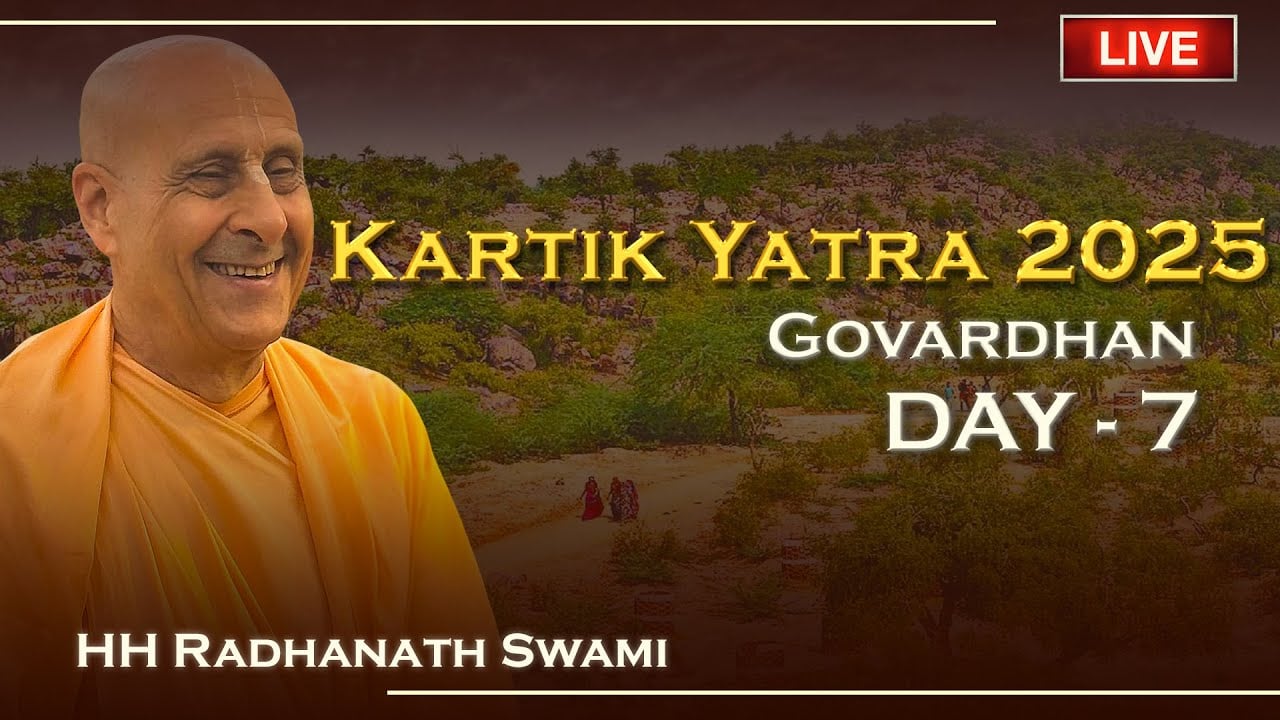
Day 7 of the ISKCON Chowpatty Kartik Yatra 2025 at Govardhan in Vrindavan emphasized sustained devotion through prayer, kirtan, and satsang under the guidance of HH Radhanath Swami. The Damodara month magnified the mood of gratitude and humility, inviting participants to deepen remembrance of Sri Krishna. Govardhan’s sacred geography offered a contemplative space where parikrama…
-
Krishna’s Omniscience and Human Choice: Resolving the Karma Paradox with Dharmic Wisdom
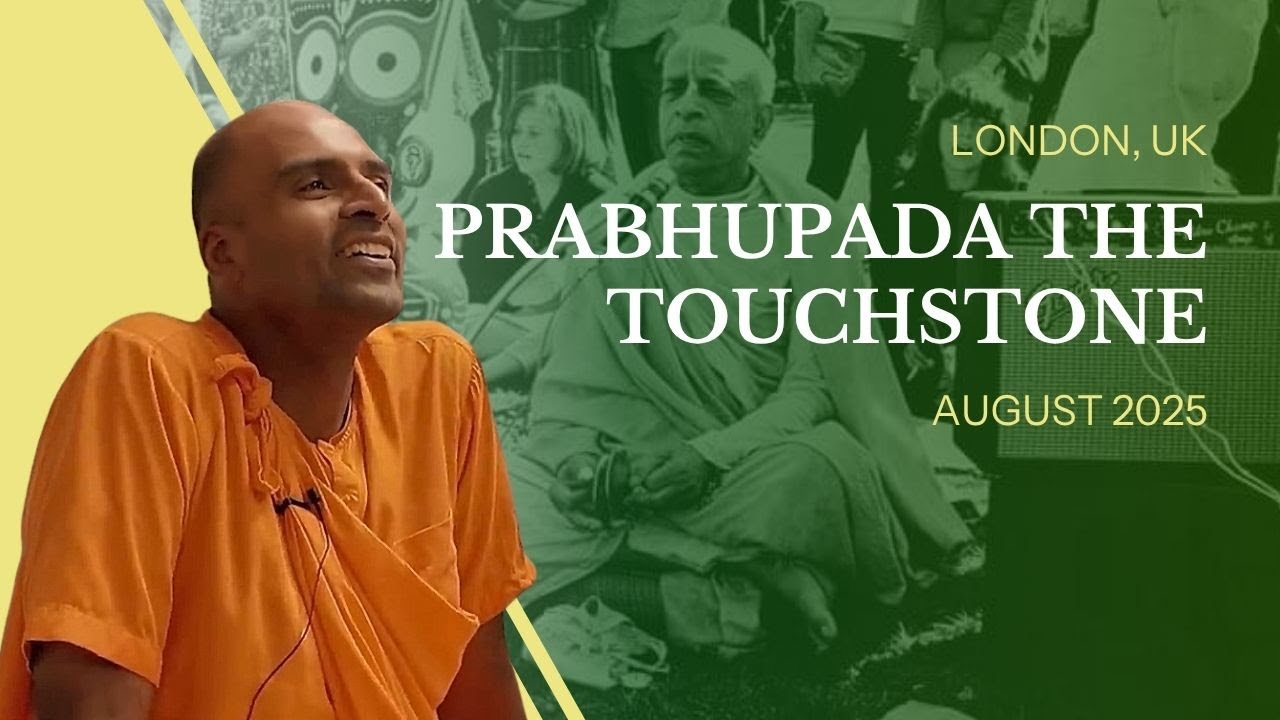
This reflection addresses a classic question from the Bhagavad Gita: if Krishna knows the future, does action still matter? It clarifies that omniscience is not causation; divine foreknowledge does not cancel human agency. Drawing on karma and puruṣārtha, it shows how dharma preserves meaningful choice and responsibility. The life of Srila Prabhupada illustrates how bhakti-yoga…
-
Transforming Envy into Devotion: Kartik 2025 Insights to Center the Divine in Life

Kartik 2025 highlights a practical, dharmic approach to transforming envy by re-centering the Divine in daily life. Envy is treated not as a moral failure but as a signal of misalignment that can be addressed through bhakti, meditation, and ethical living. Drawing on Hindu, Buddhist, Jain, and Sikh insightsmaitri, mudita, aparigraha, sevathe post offers a…
-
From Body Betrayal to Brave Becoming: Reclaiming Identity with Compassionate Strength

Chronic illness can unsettle identity as much as health, slowing time and reshaping daily life. This reflective narrative traces a quiet shift from resistance to acceptance and demonstrates how grief, compassion, and mindful pacing restore dignity and resilience. Readers will find clear practicesgrieving the former self, redefining strength, releasing old baselines, inviting careful support, and…
-
November 5, 2025 Panchang: Purnima Timings, Krishna Paksha Onset, Practical Insights

November 5, 2025 is Purnima tithi in the Panchang, lasting until 7:16 PM IST, after which Krishna Paksha Pratipada begins and continues until 4:55 PM IST on November 6. The full moon is observed across dharmic traditions as a time for prayer, meditation, charity, and community harmony. The onset of the waning phase encourages introspection…
-
Worry Hurts More Than Disease: Dharmic Wisdom for Mental Clarity, Health, and Peace

“Today more people are killed by worry than disease” highlights an enduring dharmic insight: mental agitation undermines health more than many visible ailments. Drawing on the Bhagavad Gita, Upanishads, Yoga Sutra, and Ayurveda, this reflection explains how worry disrupts balance while practices like prāṇāyāma, meditation, and mindful living restore clarity. It unifies perspectives from Hinduism,…
-
When Wrongdoers Seem to Thrive: A Dharmic Guide to Karma, Justice, and Inner Peace

Witnessing wrongdoers prosper can unsettle one’s sense of justice. This dharmic guide explains how Hinduism, supported by Buddhism, Jainism, and Sikhism, addresses the paradox through karma, dharma, and the timing of consequences across lifetimes. It clarifies why prosperity is not proof of virtue, how prārabdha karma ripens, and why lawful accountability remains a moral duty.…
-
Decoding the Sacred Names of Pandharpur: Vithoba’s Symbolism, Bhakti, and Shared Unity
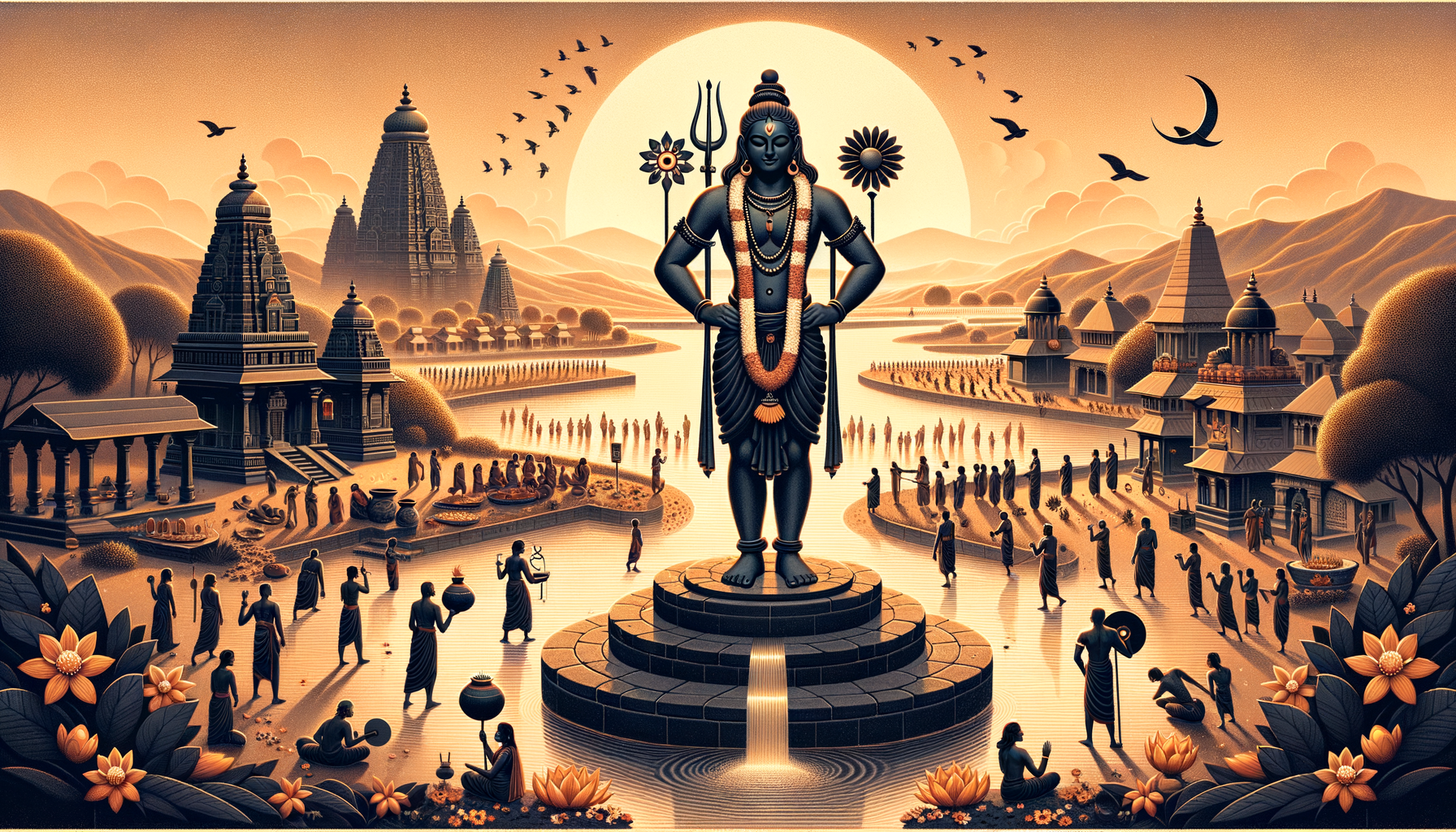
Pandharpur’s sacred names preserve a living archive of Bhakti wisdom and inclusive practice. Each epithetPanduranga, Vithoba/Vitthal, Pandharināth, Pundalikavarada, Rakhumāī-Rāyā, and Maulicarries symbolism that is both philosophically rich and emotionally resonant. The well-known brick, Pundalik’s seva, and the hands-akimbo stance together portray a deity who is steadfast, accessible, and intimately present. Etymological nuances are presented with…
-
Mudgala Purana Unveiled: Ganesha’s Eight Incarnations, Timeless Wisdom, and Ritual Guidance
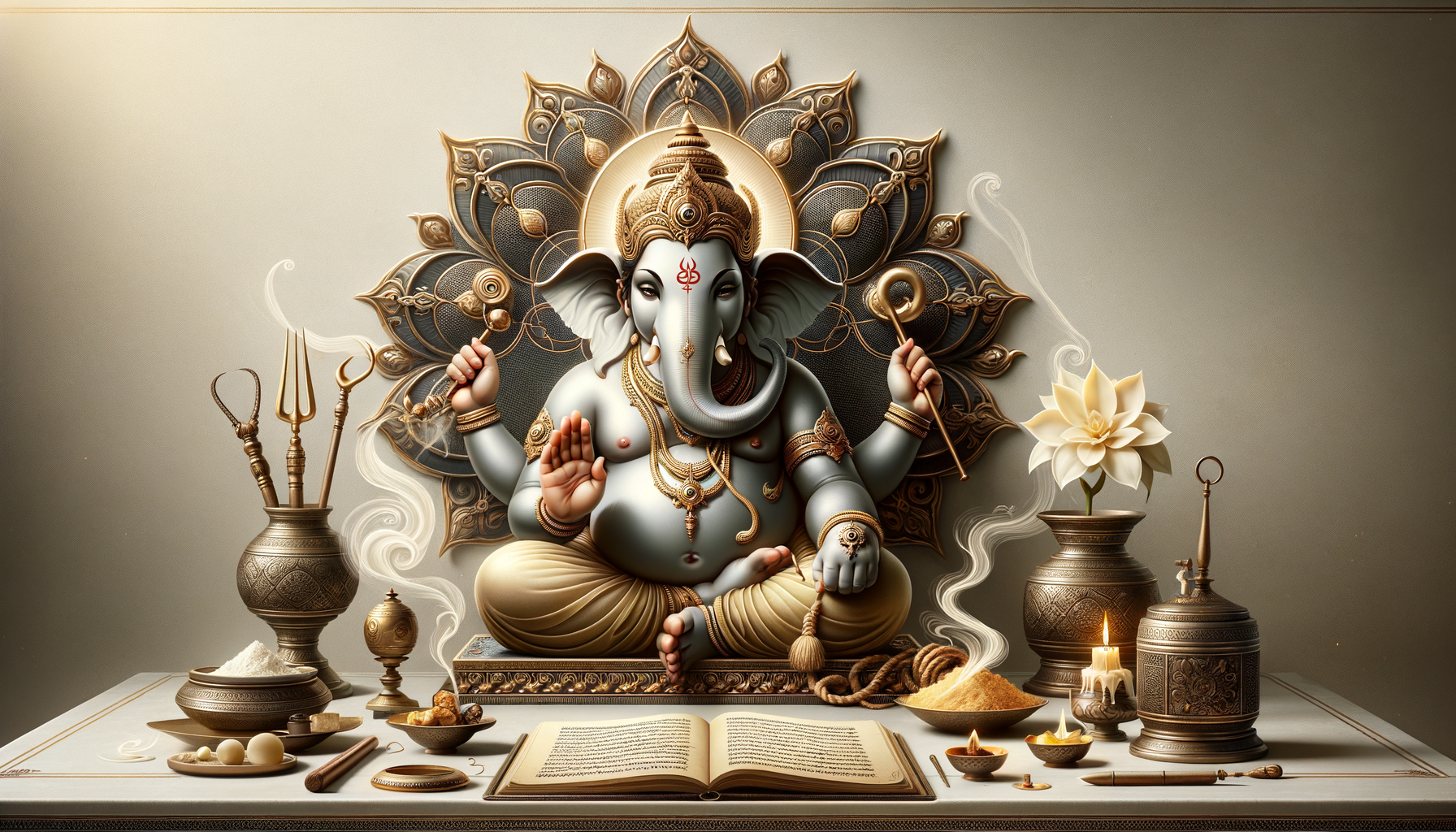
The Mudgala Purana is a core Ganesha Upapurana that presents a clear theology, practical rituals, and the famous eight incarnations of Ganapati. It guides readers to identify and overcome inner vices through ethically charged narratives and accessible worship practices. Distinct from the Skanda Purana yet harmonious with the Purana tradition, it balances devotion with philosophical…
-
Essential Gopashtami 2025: Discover the Complete Vrata Significance, Date, and Rituals

Gopashtami 2025 falls on October 30, observed on Kartik Shukla Ashtami as Goshtashtami vrata. The festival commemorates Krishna and Balarama’s first day herding cows, symbolizing stewardship, humility, and service. Devotees perform Gau Puja, adorn cows, offer sattvic naivedya, and engage in goshala seva. The vrata encourages chanting, reading Krishna-lila, and cultivating compassion-centered ethics. Its message…