-
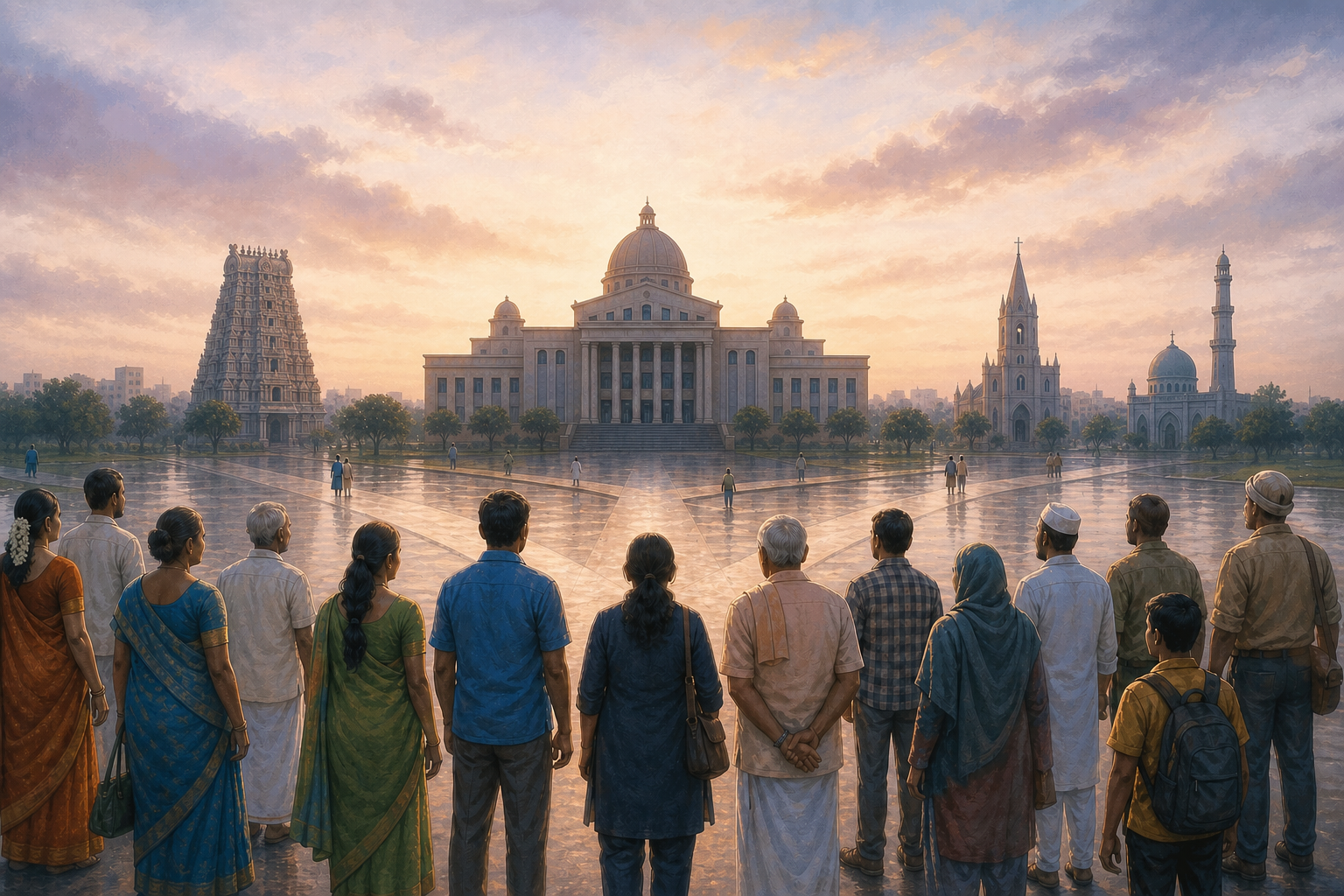
Supreme Court declines ‘Brahmophobia’ plea: legal clarity on hate speech, caste, and fraternity

The Supreme Court of India declined to entertain a petition seeking formal recognition of “Brahmophobia” as a distinct, punishable form of caste-based hate speech, allowing withdrawal and emphasizing fraternity. This outcome aligns with established jurisprudence: existing penal provisions already address hateful incitement without creating community-specific offences, and any new speech category would be a legislative…
-
Gujarat’s Uniform Civil Code Push: A Rights-First, Gender-Just Blueprint After Uttarakhand

Gujarat is moving toward a state-level Uniform Civil Code (UCC) after Uttarakhand, with a reported draft that mandates registration of marriages and live-in relationships, uniformly prohibits polygamy, and restricts practices described as halala. Anchored in Article 44 of the Directive Principles, the reform leverages state competence over family law while preserving freedom of religion by…
-
Maharashtra’s Freedom of Religion Bill 2026: Safeguards, Constitutional Tests, and Harmony

On 18 March 2026, the Maharashtra Legislative Assembly passed the Freedom of Religion Bill 2026, presented as “Not Against Any Religion.” Congress has called it unconstitutional, while Shiv Sena (UBT) extended support, prompting a rare cross-aisle debate. The Bill sits within a constitutional framework that protects freedom of conscience (Article 25) yet permits states to…
-
Maharashtra’s 2026 Freedom of Religion Bill: Curbing Coercion, Protecting Choice, Uniting Faiths

Maharashtra has enacted the “Freedom of Religion Bill 2026” to curb coercive and fraudulent religious conversions while safeguarding freedom of conscience. Situated within Article 25’s guarantees and Supreme Court jurisprudence, the law’s legitimacy rests on precise definitions and strong due-process safeguards. Comparative experience from other States and courts indicates that privacy by design, narrow tailoring,…
-
Viral Gau Raksha Video Sparks Outcry: Law, Ahimsa, and Communal Harmony Over Vigilantism

A viral Gau Raksha clip from Lucknow triggered public concern about communal tension, digital virality, and the boundary between legitimate advocacy and unlawful incitement. This analysis places the event within India’s constitutional and statutory framework, emphasizing that cow protection must operate entirely through due process. It shows how ahimsa, shared across Hinduism, Buddhism, Jainism, and…
-
HJS seeks tax-free tag for ‘The Kerala Story 2’ in Maharashtra: law, process, and impact

Hindu Janajagruti Samiti (HJS) has petitioned Maharashtra Chief Minister Devendra Fadnavis to make ‘The Kerala Story 2’ tax-free across the state. This analysis explains, in clear terms, what “tax-free” means under the GST regime, how states practically reduce only the SGST portion or provide an equivalent grant, and what that looks like on consumer invoices.…
-
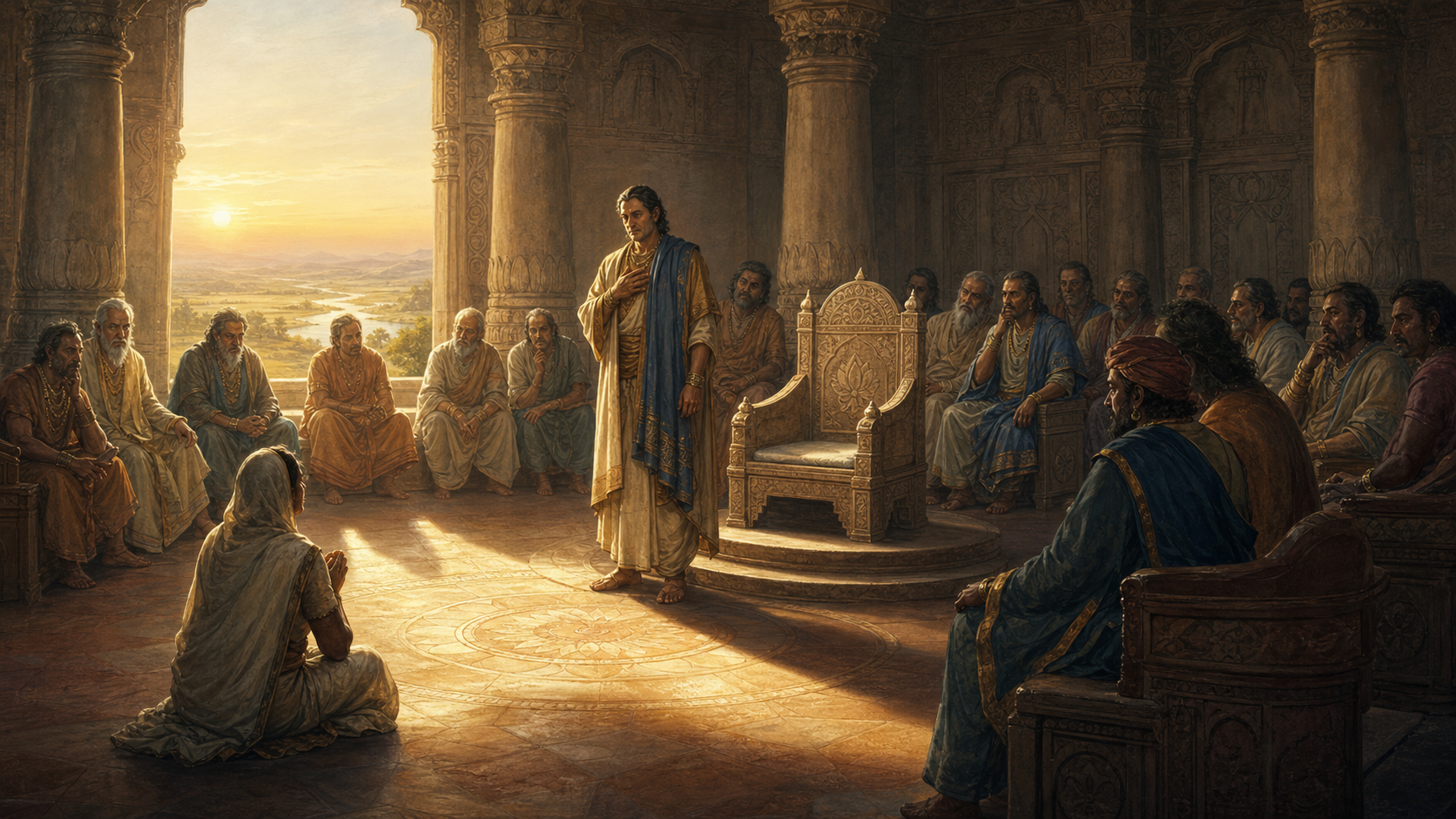
When Kings Fail: Ramayana’s Timeless Blueprint for Rajadharma and Good Governance

This long-form analysis demonstrates how the Ramayana functions as a living manual of rajadharma, diagnosing the social symptoms of failed leadership and prescribing practical remedies. It explains the timeless concept of matsya-nyāya, the legal vacuum where the strong prey on the weak, and shows how Vibhishana’s counsel to Ravana outlines a ruler’s core duties in…
-
Hindu Sena’s Call for a Nationwide ‘Disturbed Areas Act’: Safeguarding Homes and Harmony

Hindu Sena’s March 2026 appeal for a nationwide ‘Disturbed Areas Act’ spotlights a difficult policy challenge: preventing coercive demographic change while safeguarding constitutional freedoms and property rights. This analysis separates the property-focused ‘disturbed areas’ model from security laws, evaluates Gujarat’s approach, and outlines how a national framework could work through evidence-based micro-notifications, time-bound permissions, and…
-
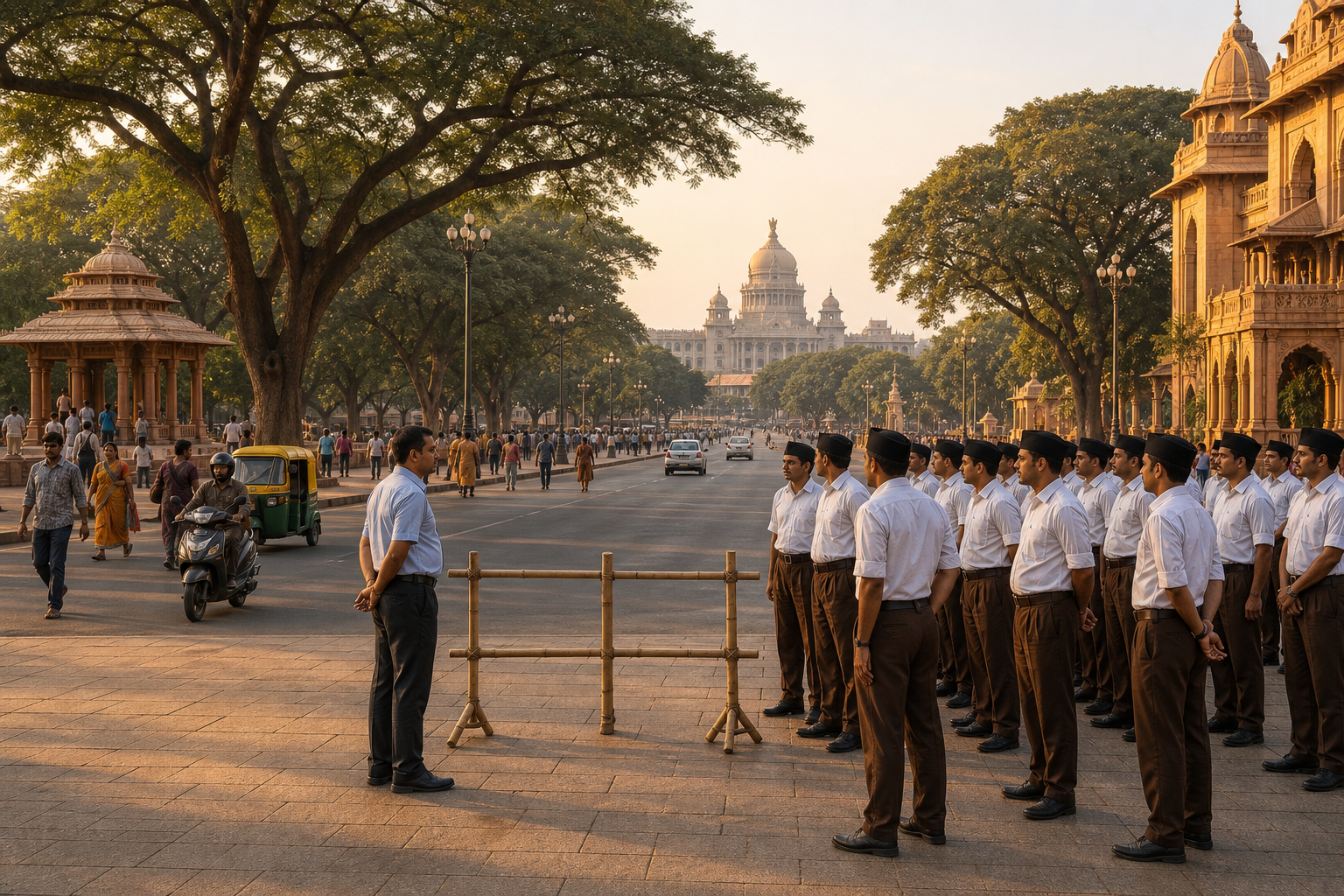
RSS’s Quiet Playbook in Bengal 2026: Soft Hindutva, Silent Cadres, and a High‑Risk Path to Power

West Bengal’s 2026 contest is increasingly shaped by the RSS’s low‑decibel “silent mobilisation,” which builds influence through social service, culturally fluent messaging, and booth‑level discipline. This analysis maps the quiet playbook—cadre routines, women‑centric outreach, hyperlocal digital channels, and issue‑anchored communication—and weighs its rewards and risks in a plural, welfare‑savvy polity. It explains how soft Hindutva…
-
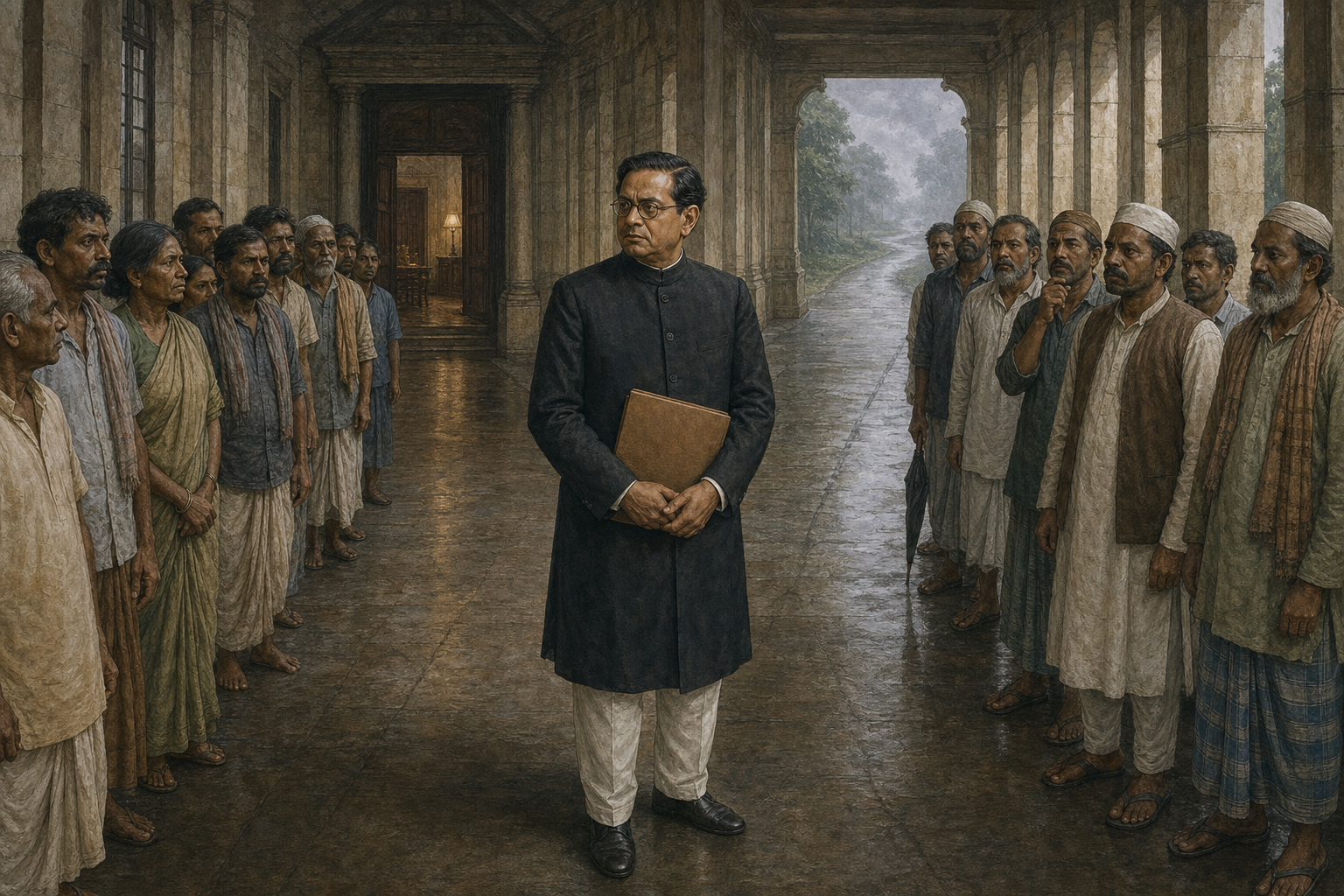
Rajaji versus Nehru: Recovering Political Decency in Post-Independence India

Rajagopalachari (Rajaji) embodied the rare scholar-statesman who coupled statecraft with civilisational wisdom. Drawing on contemporaneous reports and editorials from 1947–1952, this analysis maps how scarcity, discretionary controls, and weak accountability enabled a new political class and normalised black money in politics. It highlights internal voices of conscience—Konda Venkatappaiah, K.G. Mashruwala—and external critics like Sarat Chandra…
-
Dashavatara to Digital Screens: How Vishnu’s Avatars Shape Indian Politics and Pop Culture Today

Vishnu’s avatars are not relics of the past; they are an active ethical and cultural vocabulary shaping Indian politics, cinema, music, festivals, and civic life. Drawing on the Bhagavata Purana, Ramayana, and Mahabharata, this analysis shows how Rama and Krishna anchor debates on leadership, justice, and welfare without collapsing pluralism. It explains why Ayodhya’s contemporary…
-
From Street Protests to Silence: How Selective Outrage Weakens India’s Unity and Security

This analysis examines why mass mobilizations in India sometimes intensify around distant geopolitical controversies while domestic terror victims struggle for sustained public attention. It clarifies selective outrage and misplaced loyalty as products of algorithmic incentives, identity signaling, and psychological biases. Anchored in dharmic ethics across Hinduism, Buddhism, Jainism, and Sikhism, it proposes a consistent standard…
-
Maharashtra’s ‘Dharma Swatantrya Adhiniyam, 2026’: What the anti-conversion bill changes

On March 6, 2026, the BJP–Shiv Sena-led Maharashtra Cabinet cleared ‘Dharma Swatantrya Adhiniyam, 2026’, a proposed anti-conversion law aimed at curbing conversions by force, fraud, or undue inducement while affirming freedom of conscience. The analysis situates the move within India’s broader state-level frameworks and Supreme Court jurisprudence, especially Rev. Stanislaus (1977). It outlines likely features—clear…
-
Explosive claim: K P Raghuvanshi alleges pressure to arrest Shiv Sena–RSS leaders

Former Maharashtra ATS chief K P Raghuvanshi has alleged that political pressure was exerted to arrest “Hindutva leaders” linked to Shiv Sena and the RSS, as reported in connection with accounts in “The Troubleshooter: The Untold Encounters of IPS Officer.” Presented here is a rigorous, evidence-first analysis of why such claims matter for the rule…
-
Inside West Bengal’s Quiet Mobilization: RSS ‘jagaran,’ Identity Politics, and 2026 Stakes

Reports from West Bengal point to a quiet, neighborhood-level mobilization linked to RSS affiliates, popularly described as a ‘jagaran’ or awakening campaign. This long-form analysis separates organizational mechanics, legal-constitutional boundaries, and socio-cultural textures from partisan claims. It explains how booth-level turnout engineering, welfare credibility, and trusted intermediaries often shape outcomes more than large rallies. It…
-
Behind the Spectacle: S.L. Bhyrappa’s Eyewitness to an Indira Gandhi Rally and the Ethics of Power

Mass rallies shaped India’s political history, and eyewitness observations attributed to S.L. Bhyrappa from an Indira Gandhi event reveal how spectacle, symbolism, and strategy converged to influence voters. This analysis situates the rally within a rigorous timeline—from the 1969 Congress split and the 1971 “Garibi Hatao” landslide to the Emergency and the 1980 return—while unpacking…
-
UK Hindu Groups Challenge SOAS Leicester Unrest Report, Demand Funding Transparency and Rigor

UK Hindu organisations have challenged a SOAS-led report on the 2022 Leicester unrest, citing methodological bias and opaque funding disclosures. This analysis explains why independence, balanced sampling, and transparent codebooks are essential for credible community inquiries. It outlines a research blueprint that integrates police data with open-source digital forensics to correct rumour-driven narratives. It also…
-
Shankhnad Mahotsav grant: constitutional tests, political critique, and dharmic unity

A ₹63 lakh Union grant to the Sanatan Rashtra Shankhnad Mahotsav sparked charges of unconstitutionality and hate speech risks. This analysis clarifies the constitutional position under Articles 14, 25–27, and 282, explains Indian hate speech jurisprudence, and sets out administrative safeguards under the General Financial Rules. Readers gain a standards-based checklist to assess whether cultural…
-
Tipu Sultan vs Savarkar? Cut Through Rhetoric with History, Sources, and a Dharmic Unity Lens

Asaduddin Owaisi’s remark—“Tipu Sultan died a martyr fighting the British, unlike Savarkar who wrote mercy petitions”—reopens a vital debate at the nexus of history, politics, and colonial archives. This analysis verifies what is factual (Tipu’s death in combat, Savarkar’s clemency petitions) and clarifies what is interpretive (the normative label of ‘martyr’). It situates both figures…
-
Population Policy, Principle, and Unity: A Data-Driven Appraisal of the RSS ‘Three-Child’ Call

A renewed three-child call linked to the Rashtriya Swayamsevak Sangh (RSS) has sparked debate about demography, ethics, and unity. This analysis clarifies India’s fertility transition using NFHS-5 and other indicators, explains replacement fertility, and maps state-level differences. It weighs normative appeals against constitutional protections for reproductive autonomy and the voluntary ethos of the National Population…