-
Unattached Like the Sun: Dharmic Wisdom on the Divine Light That Impartially Illumines All

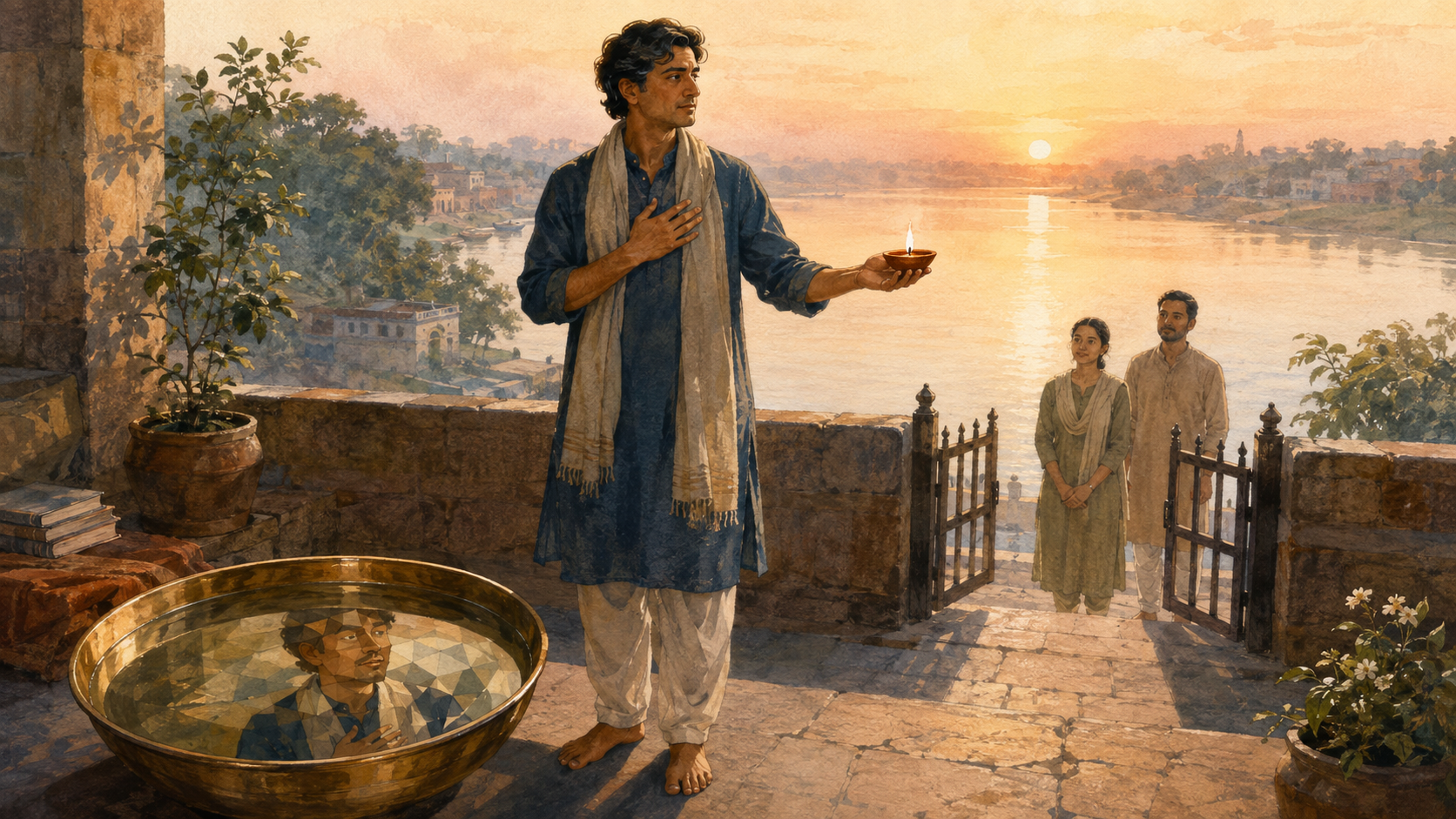
This article examines the Hindu aphorism that the Divine is like the sun—illuminating all without attachment—and shows how this insight unifies the Dharmic traditions of Hinduism, Buddhism, Jainism, and Sikhism. Drawing on scriptural anchors such as the Bhagavad Gita (13.33; 5.10; 9.9; 15.6; 15.12) and the Upanishads, it explains why Brahman/Īśvara is described as nirlepa…
-
Mahāpātakas in Hinduism: Decoding Heinous Sins, Dharma, and Their Urgent Modern Relevance

Mahāpātakas, the “heinous sins” in Hindu ethics, delineate acts that rupture the very fabric of dharma by attacking life, trust, truth, and sound judgment. Grounded in the Dharmashastras, these categories are interpreted here through a principle-first lens that fits modern life—workplaces, digital spaces, and public institutions. The analysis explains how intention, participation, and reparability shape…
-
Soul in Stone: Classical Hindu Aesthetics, Vishnudharmottara Purana, and Living Sculpture

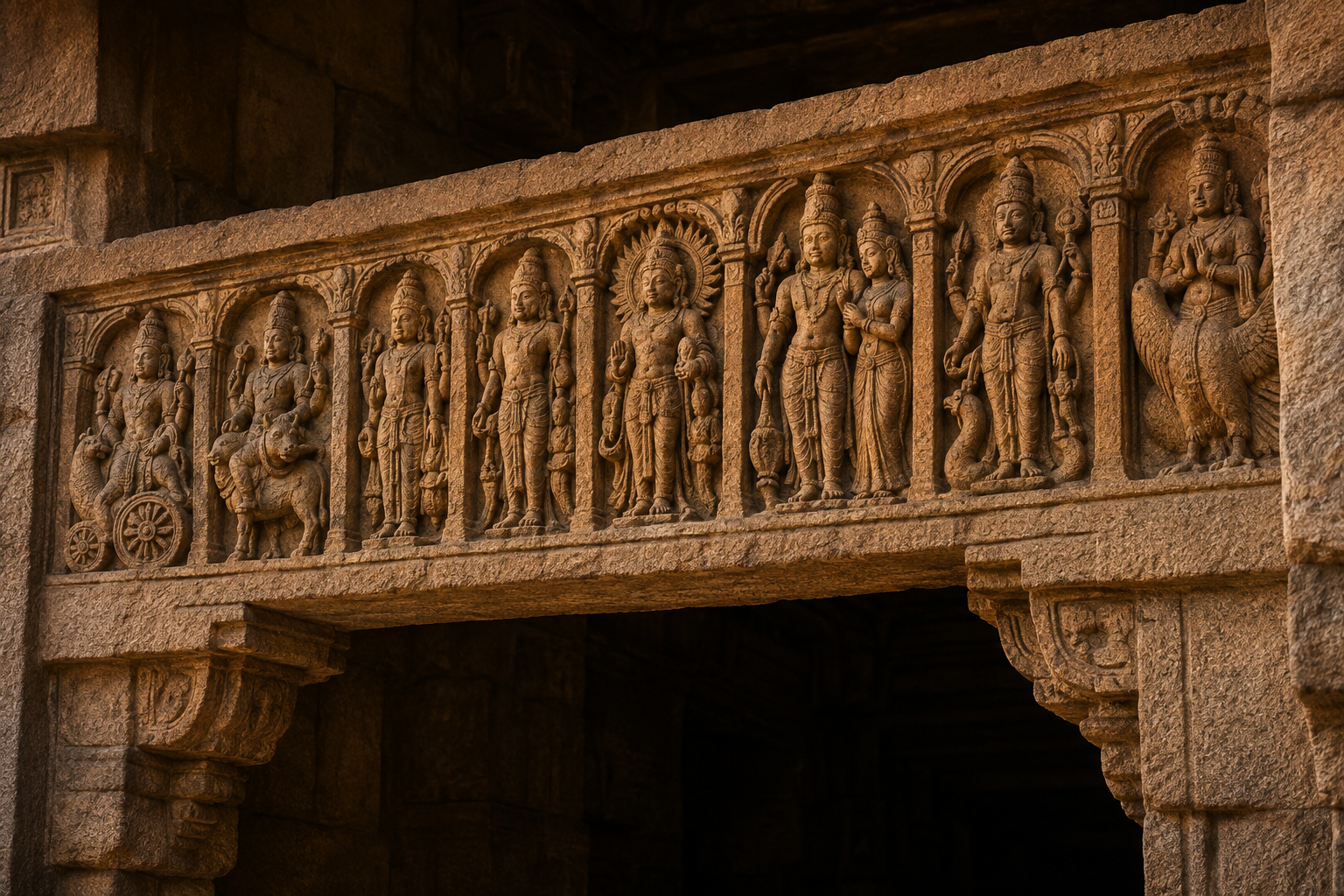
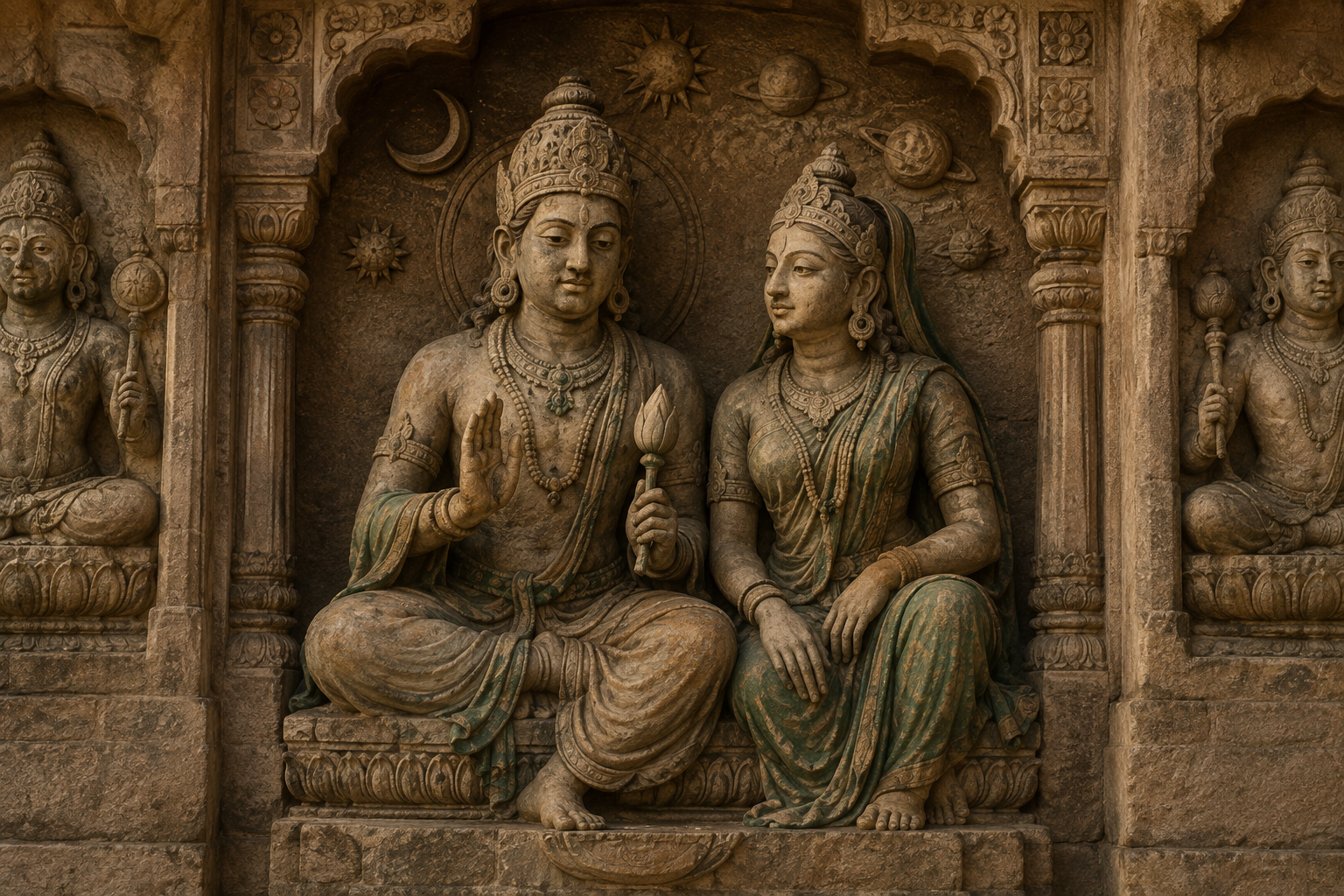
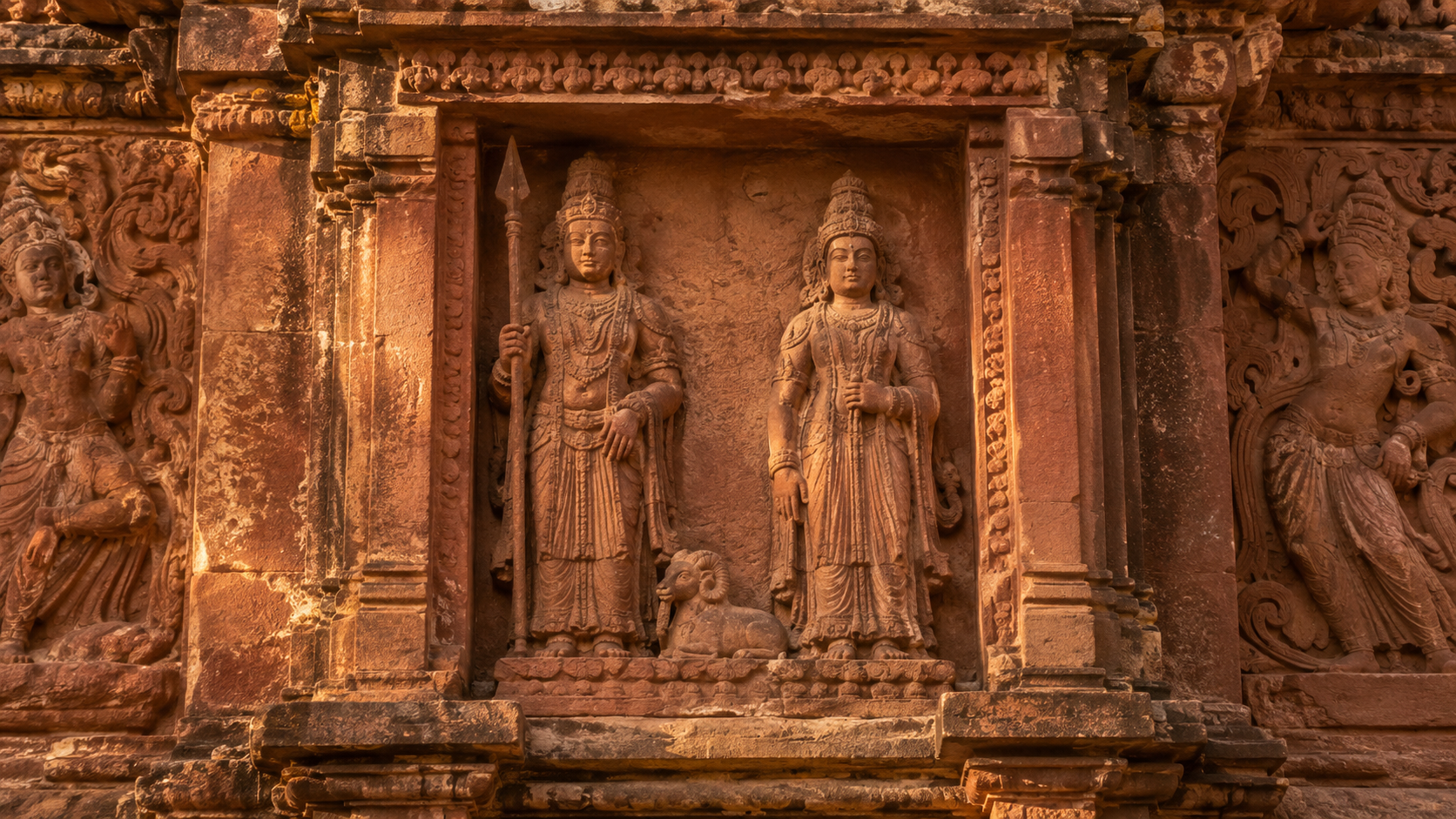
Classical Hindu aesthetics treats sculpture as a disciplined pathway for making consciousness visible in matter. Drawing on the Vishnudharmottara Purana’s Chitra-sutra, especially Chapter 43 of the third khanda, this article explains how pramana (proportion), bhava (expression), and lavanya (grace) turn craft into living art. It shows how the six limbs of painting inform sculpture, why…
-
Unity in Diversity: Harmonizing Distinct Personalities in Dharmic Service and Devotion

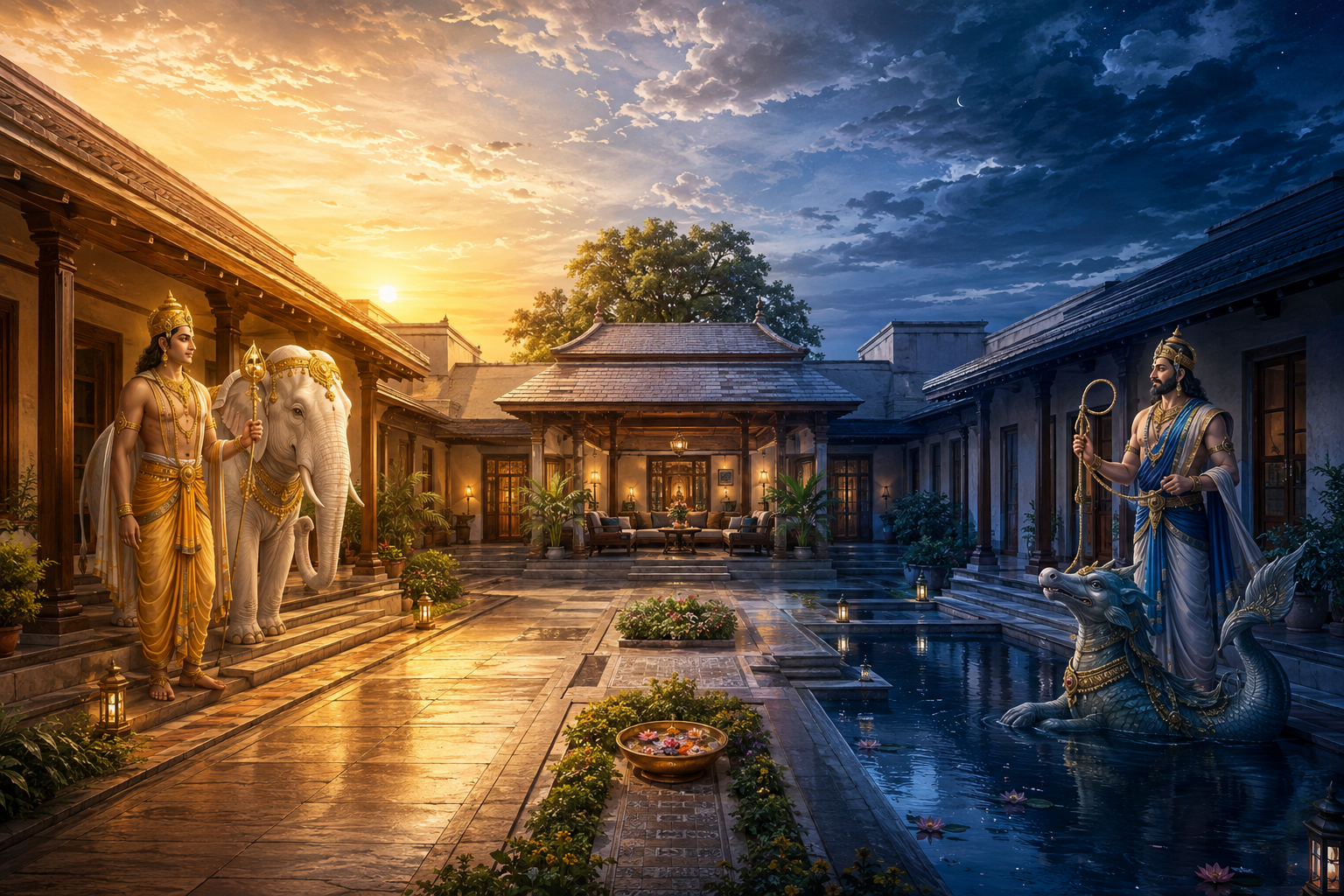
This article presents an academic yet accessible exploration of unity in diversity across Dharmic traditions. It clarifies Srila Prabhupada’s insight—”Variety is the mother of enjoyment”—and shows how distinct talents become seva that strengthens cohesion. Drawing on Srila Rupa Goswami’s Bhaktirasamrita- sindhu, it highlights Krishna’s identities as dhirodatta and dhiralalita to validate diverse human temperaments in…
-
Learning Without Chains: Hindu-Dharmic Wisdom to Turn Past Mistakes into Clarity and Power

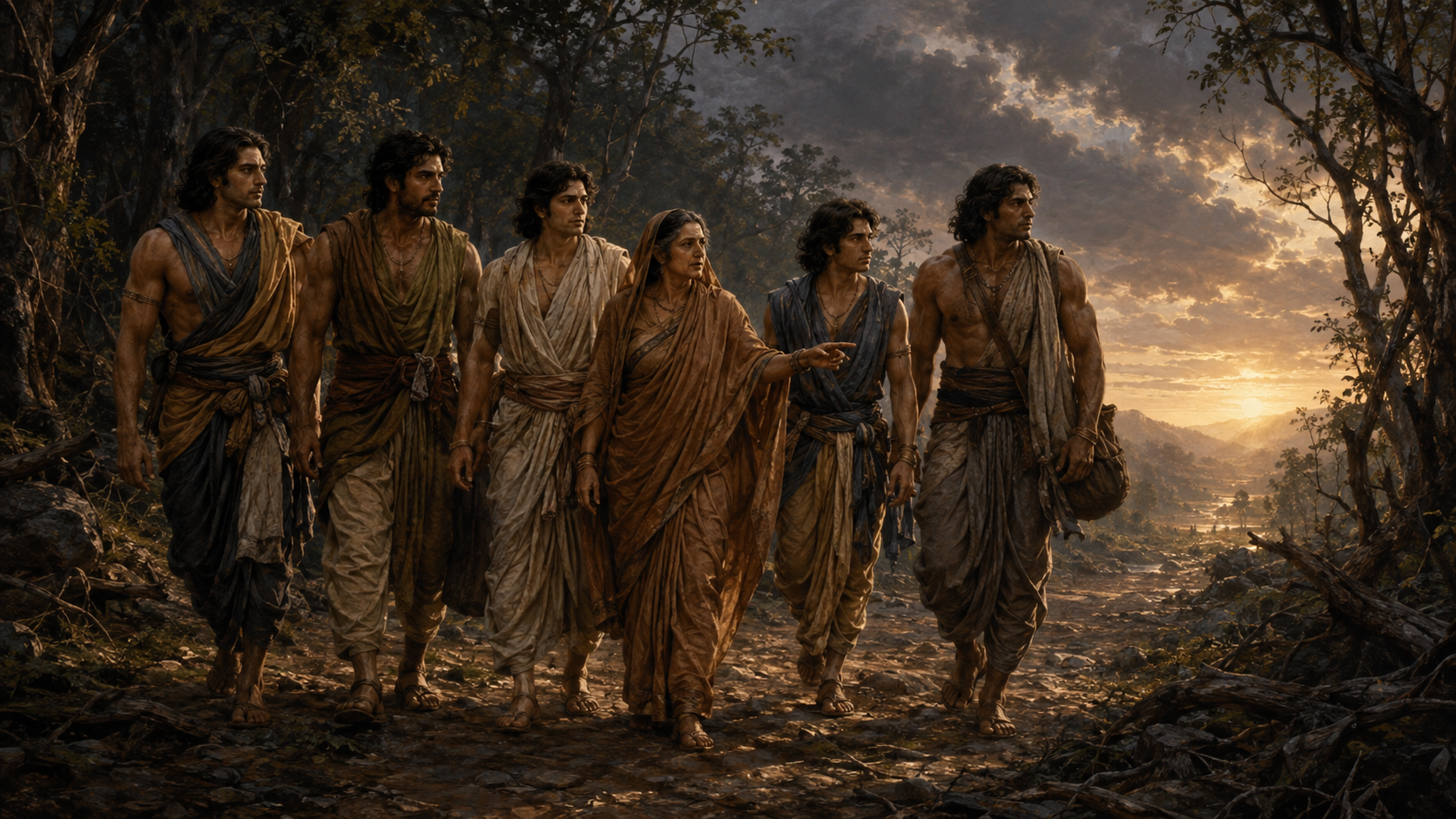
This essay examines how Hinduism and allied dharmic traditions treat the past as a teacher rather than a burden. It integrates Hindu concepts such as karma, saṃskāra, smṛti, and karma-yoga with Yogic psychology (abhyāsa, vairāgya), Buddhist mindfulness (sati), Jain Anekantavada with Pratikraman, and Sikh teachings on hukam and Naam simran. Readers gain a clear, compassionate…
-
Stop Buying What the Mind Sells: A Dharmic Art of Witnessing for Lasting Inner Freedom

A tireless inner salesman—fear, regret, desire, anxiety—constantly pitches stories and urges. This long-form analysis presents the dharmic antidote: the art of witnessing across Hinduism, Buddhism, Jainism, and Sikhism. Drawing on Patanjali’s Yoga Sutra, Sankhya, the Bhagavad Gita, Vedantic discernment, Buddhist mindfulness, Jain samayik, and Sikh simran, it explains why the mind’s pitch works and how…
-
Unraveling Prahasta: Lanka’s Grand Strategist and Dharma-Yuddha in Ramayana & Ramcharitmanas

Prahasta—Lanka’s commander-in-chief in the Ramayana and acknowledged in the Ramcharitmanas—embodies the intersection of high strategy and Dharma-Yuddha. Valmiki’s narrative details his role in intelligence, deployment, and direct command, culminating in his fall to the Vanara general Nila, a turning point in the war. Ramcharitmanas compresses battlefield specifics but preserves his stature as a formidable rākṣasa…
-
Usharavṛṣṭi Nyāya: Why Wisdom Fails on Unprepared Minds—and How Dharma Cultivates Readiness

Usharavṛṣṭi Nyāya—the maxim of rain on barren land—explains why even profound wisdom fails when inner preparedness is lacking and how dharma cultivates the conditions for genuine transformation. Drawing on Hindu philosophy and allied dharmic insights, it frames readiness (adhikāra) as a cultivated fitness grounded in ethical discipline, attention, and stability. The essay relates the maxim…
-
Rama vs Ravana: A Dharma-first resolution to the Ramayana’s toughest moral dilemmas

This essay answers the enduring question of why Rama is revered as righteous while Ravana is condemned, even though Ravana was a learned Brahman and Rama faced morally hard choices. It uses a dharma-first framework grounded in the Ramayana to evaluate intention, lawful means, and just ends across contested episodes such as the exile, the…
-
Indratva vs Nidratva: Kumbhakarna’s Boon, Ambition, and the Lost Science of Balance

Kumbhakarna’s story in the Ramayana, often reduced to a trope of excess, encodes a precise philosophy of balance through the dialectic of Indratva (unbounded agency) and Nidratva (overpowering inertia). Read across Valmiki and later retellings, the episode becomes a systems lesson in regulating rajas and tamas under sattva’s guidance. The analysis connects dharmic psychology with…
-
Adi Shankaracharya’s Advaita: Timeless Oneness Uniting All Beings, Minds, and Matter

Adi Shankaracharya’s Advaita Vedanta articulates a rigorous, compassionate thesis: all animate and inanimate forms are appearances in one Reality, Brahman. The doctrine’s precision rests on Upanishadic mahavakyas, Shankara’s Adhyasa analysis, and methods like adhyaropa–apavada and neti neti that guide the mind beyond conceptual limits. Practical sadhana—sadhana-chatushtaya, shravana–manana–nididhyasana, Karma Yoga, and Bhakti—integrates inner freedom with ethical…
-
Insults Reveal Insecurity: Dharmic Wisdom on Speech, Self‑Mastery, and Real Strength
Insults are often misread as strength, yet dharmic traditions consistently treat them as signs of insecurity and weak self-mastery. Drawing on the Bhagavad Gita, Dharmaśāstra, Buddhist Right Speech, Jain vows, and Sikh teachings, this analysis outlines a rigorous fourfold test for ethical speech: non-agitating, true, beneficial, and skillfully delivered. Contemporary psychology and neuroscience corroborate these…
-
Shankara Jayanthi 2026 (Adi Shankaracharya Jayanti): Date, Panchang, Rituals, and Dharmic Unity

Shankara Jayanthi (Shankaracharya Jayanti) in 2026 falls on Tuesday, 21 April, observed on Vaisakha Shukla Panchami as per the Hindu calendar. This guide explains the calendrical basis of the date, notes possible regional and time-zone variations, and outlines temple and home observances. It summarizes Adi Shankaracharya’s life, his Advaita Vedanta, and the enduring role of…
-
Who Is the Real Father? Dharmic Wisdom on Body, Soul, Karma, and the Supreme Source

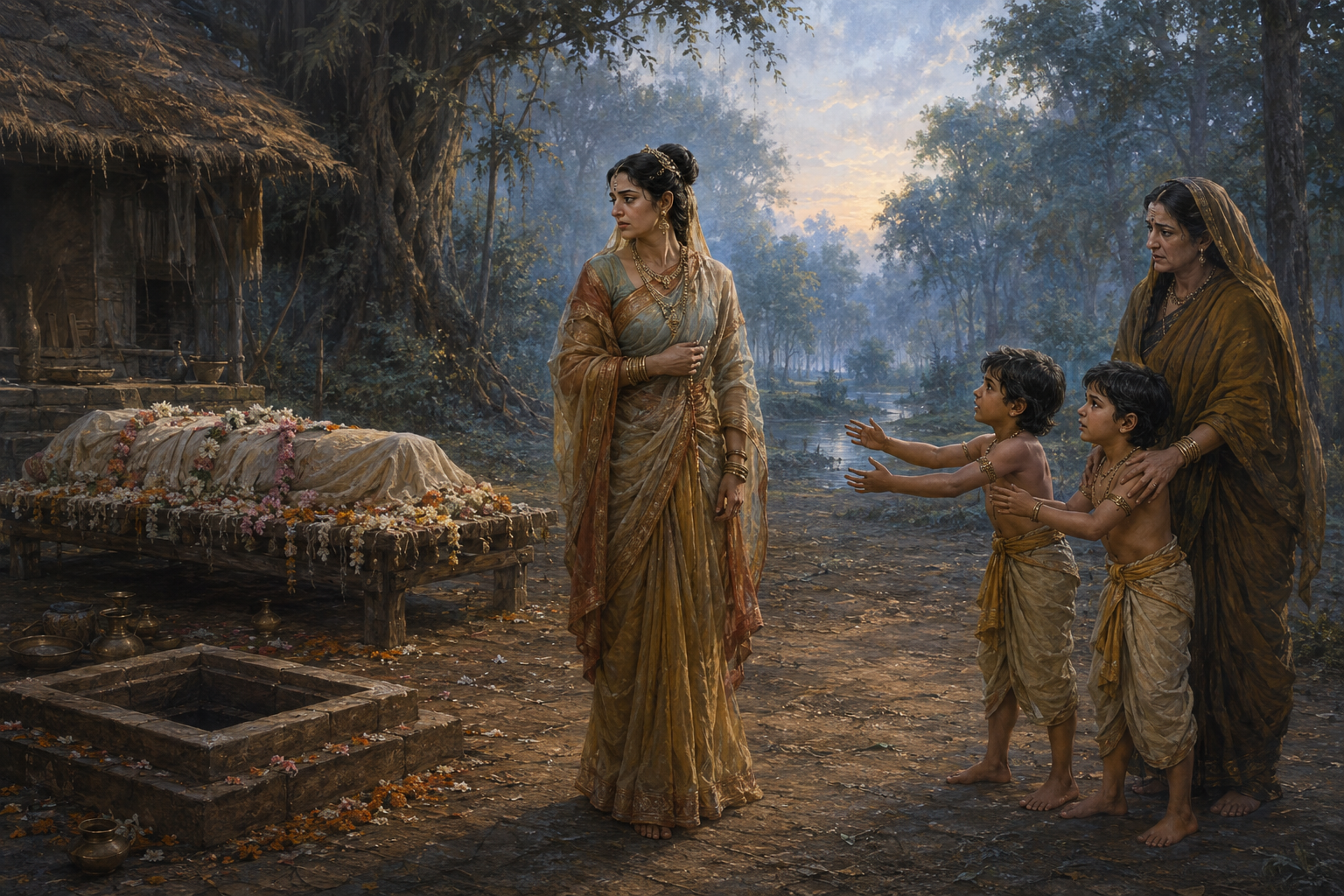
What distinguishes a living person from a lifeless body points directly to the dharmic insight at the heart of the Hare Krishna Movement: the living self (atman) is distinct from matter, and its ultimate source is the Supreme. This article presents a rigorous, compassionate exploration of “Who is the real father?” across ISKCON’s Gaudiya Vaishnava…
-
Idle Mind, Restless Life: Dharmic, Yogic, and Mindfulness Practices to Build Purposeful Focus

The age-old saying that an idle mind becomes a workshop for unwholesome impulses is reframed here through the shared wisdom of Hinduism, Buddhism, Jainism, and Sikhism. Instead of moralizing idleness, the analysis distinguishes healing rest from tamasic drift and presents a technical, evidence-aligned path to train attention and action. Readers gain a clear map of…
-
Desire and Dharma: Unmasking the Hidden Engine of Action from Freud to Srimad Bhagavatam

Does sexual desire really drive much of human behavior? This analysis bridges Freud’s libido theory with Srimad Bhagavatam’s diagnosis of kama as the seed of material striving. It clarifies how Hindu philosophy situates desire within the purusharthas and how the Bhagavad Gita frames its psychological dynamics. Drawing parallels from Buddhism, Jainism, and Sikhism, it shows…
-
Rajjusarpa Nyaya Explained: Rope–Snake Illusion, Maya, and Non-Dual Reality in Vedanta

Rajjusarpa Nyaya—the rope–snake maxim—clarifies Advaita Vedanta’s account of Maya, avidya, and Brahman by showing how compelling illusions arise and how true knowledge sublates them. The analogy situates three orders of reality, explains error through adhyasa and anirvachaniya khyati, and illuminates the method of adhyaropa–apavada used by Sankara. It engages parallel insights in Buddhism, Jainism, and…
-
Inside Ravana’s Swabhava: Pride, Passion, and the Tragic Integrity of the Asura Emperor

This essay reframes Ravana in the Ramayana as a philosophical study of swabhava—inner nature—rather than a mere antagonist. It explores how pride and passion, empowered by learning and tapas, evolve into adharma when unrestrained by counsel and maryada. Drawing on Hindu philosophy, Jain Anekantavada, Buddhist analysis of the kleshas, and Sikh reflections on haumai and…
-
Beyond Luck and Fate: Timeless Dharmic Wisdom on Karma, Free Will, and Untouched Truth

This article reframes “luck” and “fate” through a dharmic lens as shorthand for complex causality rather than forces that control life. It integrates Hindu, Buddhist, Jain, and Sikh perspectives to show how karma, dependent origination, niyama, and hukam together replace fatalism with responsibility and wisdom. Hindu teachings on sañcita–prārabdha–kriyāmāṇa karma and puruṣārtha emphasize effort within…
-
Jnana Shasta under the Banyan: The Silent Teacher of Wisdom, Iconography, Practice, and Unity

Jnana Shasta, the Silent Teacher, is a contemplative form of Śāstā (Ayyappa) that embodies inner illumination and serenity beneath the sacred banyan tree. This essay maps the iconography—posture, jñāna-mudrā, pustaka—and its roots in Agamic and śilpa traditions, situating the deity within the larger Hindu philosophy of unity. It explains how the banyan symbolizes lineage, learning,…