-
February 21, 2026 Panchang: Shukla Chaturthi to Panchami—Auspicious Guidance and Clarity

February 21, 2026 begins with Shukla Paksha Chaturthi and transitions to Shukla Paksha Panchami at 1:30 PM (regional variations apply). The morning favors orderly beginnings and focused effort, while the afternoon supports steady study and routine tasks. Readers can refine good time (shubh muhurat) using a local Panchang tailored to sunrise and city coordinates. Checking…
-
Why Ganesha Wears Red: Auspicious Energy, Shakti, and Victory Over Darkness

The sacred red of Ganesha is not decoration but a precise visual theology that communicates Shakti, auspiciousness, and the courage to begin well. Rooted in Agamic and iconographic traditions, vermilion (sindoor), kumkum, and red flowers activate Ganesha’s obstacle-clearing grace at personal and communal thresholds. The color aligns with the Muladhara chakra, reinforcing stability and decisive…
-
Why a Left-Coiled Ganesha Belongs at Home: Auspicious Energy and Easeful Worship

Traditional iconography explains why many households prefer a left-coiled (Vamavarta) Ganesha: it conveys calm, lunar-aligned auspiciousness that suits daily worship. The form is associated with gentle obstacle-removal and easeful upasana, making it practical for families with changing routines. By contrast, right-coiled images often require stricter ritual observance better supported in temple settings or under guidance.…
-
Rang Teras 2026 (Rang Trayodashi): Date, Significance, and Vibrant Krishna Celebrations

Rang Teras (Rang Trayodashi) in 2026 falls on 16 March, aligning with the Trayodashi tithi of the bright fortnight of Chaitra. Celebrated widely across Rajasthan, Gujarat, Uttar Pradesh, Madhya Pradesh, Bihar, and Himachal Pradesh, the festival centers on devotion to Sri Krishna and community harmony. Sri Krishna temples and ISKCON centers host special darshan, kirtan,…
-
March 2026 Hindu Festivals: Falgun–Chaitra Observances, Rituals, and Shared Significance

March 2026 offers a vibrant stretch of Hindu festivals that transition from Falgun/Fālgun to Chaitra across both Purnimant and Amavasyant calendars. Key observances often include Holi on Phalgun Purnima, along with Amavasya, Ekadashi, Pradosh Vrat, Sankashti Chaturthi, and where applicable, Masik Shivratri. The month’s flow supports inner renewal, balanced discipline, and community unity, reflecting shared…
-
February 20, 2026 Panchang: Sacred Timings from Tritiya to Chaturthi, Auspicious Guidance

On Friday, February 20, 2026, Shukla Paksha Tritiya prevails until 3:05 PM in most regions, then the day transitions to Shukla Paksha Chaturthi. Tritiya supports auspicious initiatives, study, charity, and refined intentions, while Chaturthi invites Ganesha-centered worship and steady, obstacle-clearing effort. Practical guidance emphasizes choosing shubh muhurat locally, avoiding inauspicious intervals like Rahu Kalam, and…
-
Karadaiyan Nombu 2026: Exact Muhurat, Ritual Guide, and Meaning of the Sacred Thread

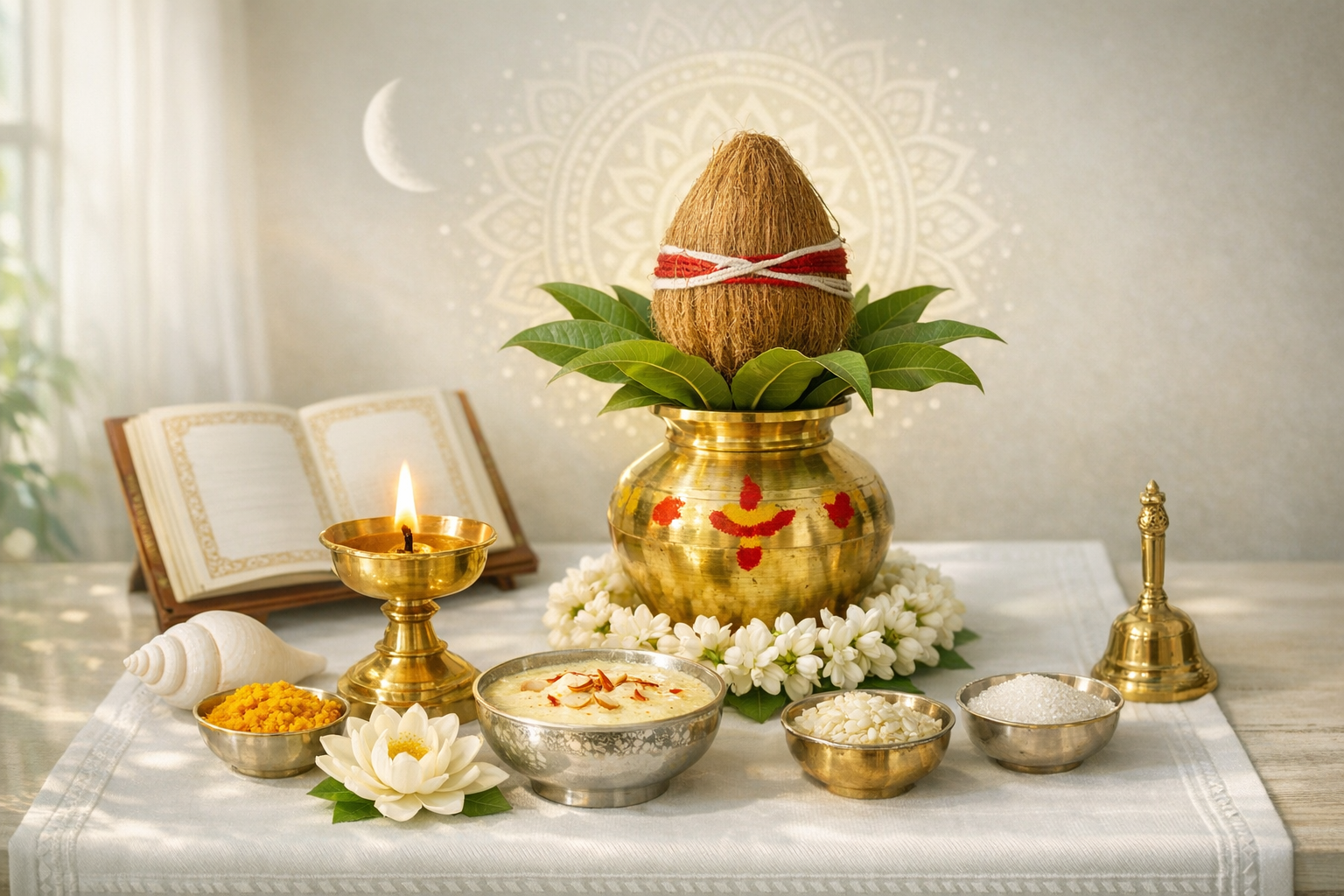
Karadaiyan Nombu in 2026 occurs on 14 March, with India’s auspicious muhurat for wearing the sacred thread and breaking the fast between 7:30 PM and 8:30 PM. This Tamil vrata to Goddess Shakti (Kamakshi) highlights vows, gratitude, and family welfare, drawing inspiration from the Savitri–Satyavan narrative. The observance includes preparing karadai (sweet and savory adai)…
-
Sacred Renewal: Dhwajasthambha Samprokshana at Tarigonda Narasimha Swamy Temple, Feb 13–15, 2026

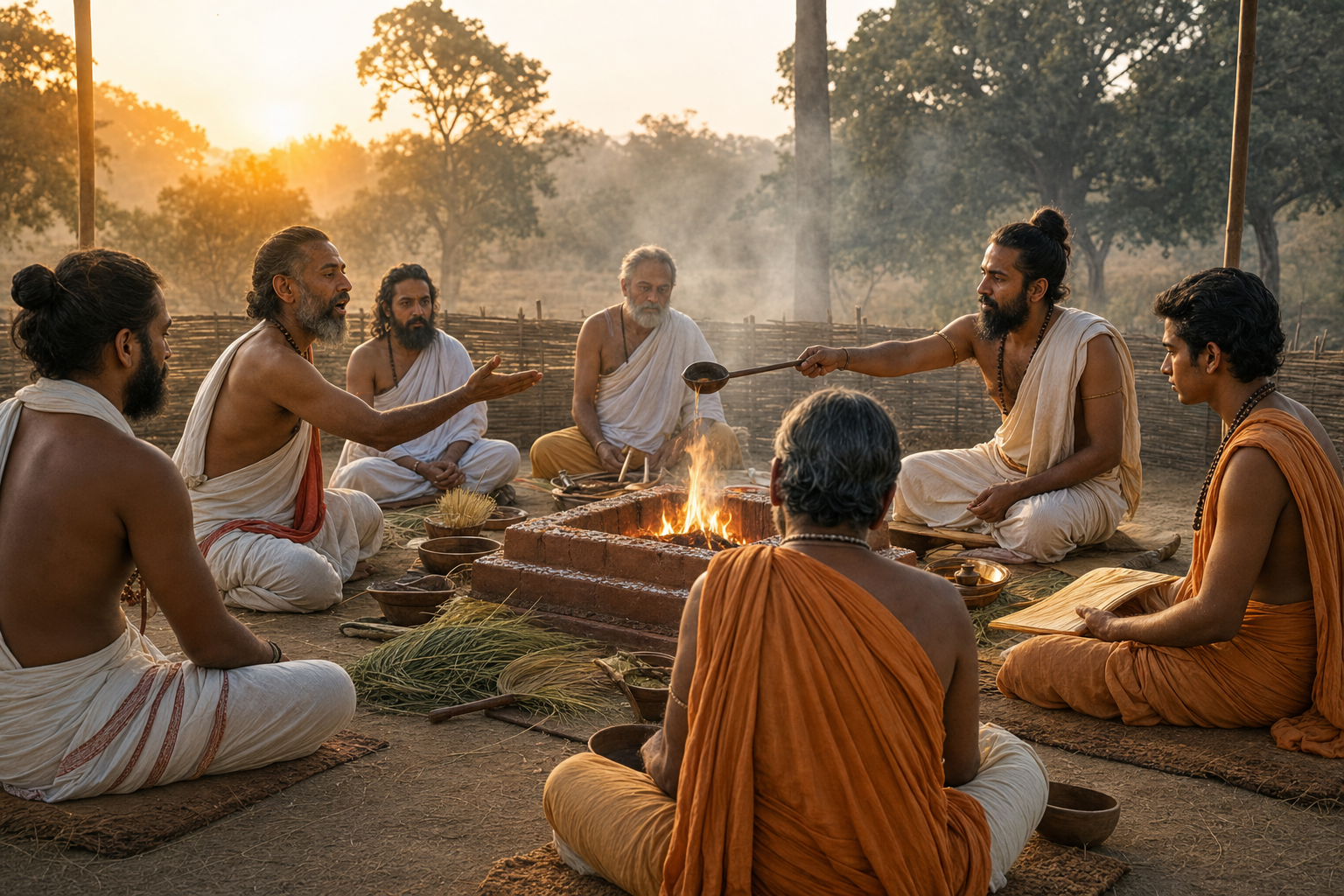
Sri Lakshmi Narasimha Swamy Temple at Tarigonda will conduct Dhwajasthambha Samprokshana Mahotsavams from February 13–15, 2026, renewing the sanctity of the temple flagstaff and reaffirming communal devotion. The observance typically features Veda parayanam, homas, abhisheka, and processional rituals, culminating in the dhvaja’s re-sanctification. Devotees often experience a profound sense of uplift and unity as heritage,…
-
Karadaiyan Nombu 2026: Exact Muhurat, Ritual Guide, and the Spirit of Devotional Unity

Karadaiyan Nombu 2026 occurs on 14 March, with the ideal time in India for breaking the fast and wearing the sacred thread between 7:30 PM and 8:30 PM IST. This Tamil vrata to Goddess Shakti/Kamakshi honors the Savitri–Satyavan ideal of devotion, courage, and family well-being. The guide outlines key rituals—sankalpa, deepam, Karadai adai offerings with…
-
Surabhi (Kamadhenu), the Divine Gomatha: Timeless Symbolism, Blessings, and Dharmic Unity

Kamadhenu (Surabhi), revered as Gomatha, embodies abundance, compassion, and auspiciousness in Hindu thought. Though rarely worshipped in independent temples, devotion to Gomatha flourishes through daily reverence, Gau Seva, and festivals like Gopashtami. Her symbolism aligns with ahimsa and sustainable living, inspiring care for cows and ecological responsibility. The ethical resonance extends across Hinduism, Buddhism, Jainism,…
-
‘Dugga Dugga’ Explained: The Heartfelt Bengali Blessing for Protection and Safe Journeys

“Dugga Dugga” is a cherished Bengali Hindu blessing spoken at moments of departure, invoking Goddess Durga’s protection for safe journeys. This concise invocation blends family care, Shakta devotion, and cultural continuity into an accessible daily practice. Readers will learn its spiritual meaning, historical roots, and role at liminal moments such as travel, exams, and new…
-
Raghavendra Jayanthi 2026: Sri Guru Raghavendra Swamy Jayanti Date, Meaning & Mantralayam Guide

Raghavendra Jayanthi 2026 will be observed on February 23, coinciding with Falguna Shukla Saptami in the Kannada and Telugu calendars. This overview clarifies the date, situates the observance within the tithi framework of the Panchang, and highlights the devotional focus on Sri Guru Raghavendra Swamy’s teachings. Readers will find a concise guide to common home…
-
February 18, 2026 Panchang: Shukla Pratipada–Dwitiya Timings and Auspicious Guidance

February 18, 2026 in the Hindu calendar features Shukla Paksha Pratipada until 5:05 PM, followed by Shukla Paksha Dwitiya. The day’s progression—from initiation to consolidation—offers a balanced framework for puja, study, seva, and mindful planning. Many households treat Pratipada as a time to set intentions and begin fresh tasks, while Dwitiya supports steadiness and relationship…
-
Navreh Mavas: Sacred Eve of Navreh in Kashmir—Date (2026), Meaning, and Traditions

Navreh Mavas, observed primarily by Kashmiri Pandits, is the reflective eve of Navreh—the Kashmiri New Year—falling on the last day of the Saptarshi Panchang (Kashmiri Hindu Calendar). In 2026, it will be observed on March 18, the Amavasya that precedes Chaitra Shukla Pratipada. The day emphasizes inward reflection, gentle lamp-lighting, and remembrance of ancestors, echoing…
-
Sacred Sharing Before Eating: Remembering Dharmic Food Sanctity and Everyday Generosity

This reflective essay examines the Indian discipline of food sanctity, where households once set aside portions for a cow, ants or crows, a dog, and the Gurudvara before eating. It explores how these practices, rooted in the Hindu way of life and echoed across Sikh, Jain, and Buddhist traditions, framed eating as a moral act…
-
February 17, 2026 Amavasya Panchang: Sacred Timing Guide and Shukla Pratipada Onset

February 17, 2026 marks Amavasya (no-moon day) in the Hindu Panchang until 5:23 PM IST, after which Shukla Paksha Pratipada begins and continues until 5:05 PM IST on February 18. The timing is presented in Indian Standard Time and broadly suits most regions. Amavasya invites quiet reflection, while the transition to the waxing phase supports…
-
Payo Vrata 2026: Sacred 12-Day Vishnu Vow in Phalguna Masam—Dates, Origin, Rituals

Payo Vratham is a twelve-day Vishnu vow observed in Phalguna masam, beginning in 2026 on 18 February (Phalguna Shukla Padyami) and concluding on Dwadashi per the local Telugu panchangam. Rooted in Shri Bhagavatham/Srimad-Bhagavatam, it highlights disciplined devotion and purity through a milk-centered, sattvic regimen. Households in Andhra Pradesh often enrich the observance with daily puja,…
-
Falgun Amavasya 2026: Exact Dates, Regional Calendars, and Sacred Observance Guide

Falgun Amavasya, the No Moon day of the Phalgun month in the Hindu calendar, has two regional observance dates in 2026. North Indian (Purnimanta) calendars place it on 17 February 2026, while Telugu, Marathi, Gujarati, and Kannada (Amanta) calendars observe it on 18 March 2026. The March date is also known as Ugadi Amavasya /…
-
Bisu 2026 on April 14: Tuluva New Year, Solar Panchanga, and the Spirit of Unity

Bisu, the Tuluva New Year, will be celebrated on April 14, 2026, across Tulunadu—Udupi, Dakshina Kannada, and parts of Kasargod—following the Souramana Panchanga (solar calendar). The festival aligns with Mesha Sankranti and sits alongside mid-April observances like Vishu and Puthandu, complementing Ugadi’s lunisolar timing. Families typically begin at dawn with auspicious arrangements, temple visits, and…