
-
Midnapore Singer Harassment Sparks Outrage: Defending Artistic Freedom and Communal Harmony

A reported incident in Midnapore, West Bengalwhere Lagnajita Chakraborty was allegedly harassed for singing a devotional songhas sparked public concern about artistic freedom, women’s safety, and communal harmony. The analysis underscores India’s constitutional protections for both devotional and secular art in public spaces. It emphasizes due process, non-communal responses, and the importance of interfaith respect…
-
Dharma as Cosmic Law: A Timeless Path of Harmony, Responsibility, and Dharmic Unity

Dharma is presented as the cosmic law that sustains life and nurtures harmony across individuals, societies, and species. It is dynamic rather than rigid, aligning personal duty with universal values and linking ethical action to spiritual aims such as Karma and Moksha. The dharmic traditionsHinduism, Buddhism, Jainism, and Sikhismconverge on compassion, responsibility, and pluralism, making…
-
Kali Yuga’s Silent Crisis: Contentment as the Missing Key to Inner Peace and Dharma

Kali Yuga is marked by restlessness despite material progress, and ancient wisdom identifies contentment as the missing key to inner peace. This piece explains how santosha is understood across Hinduism, Buddhism, Jainism, and Sikhism and why these convergent teachings matter now. Readers gain a clear distinction between contentment and complacency, seeing how inner steadiness enables…
-
December 25, 2025 Panchang Guide: Shukla Paksha Panchami → Sashti, Auspicious Timings & Insights

On Thursday, December 25, 2025, the Hindu Panchang notes Shukla Paksha Panchami until 10:41 AM, transitioning to Shukla Paksha Sashti afterward in most regions. The waxing moon supports reflective effort early in the day and purposeful action later. Readers gain clear, time-specific guidance without overgeneralization, with reminders to consult a local Panchang for exact Shubh…
-
Pancha Ganapati (Dec 21–25): Five Days of Ganesha Puja for Harmony, Prosperity, and Peace
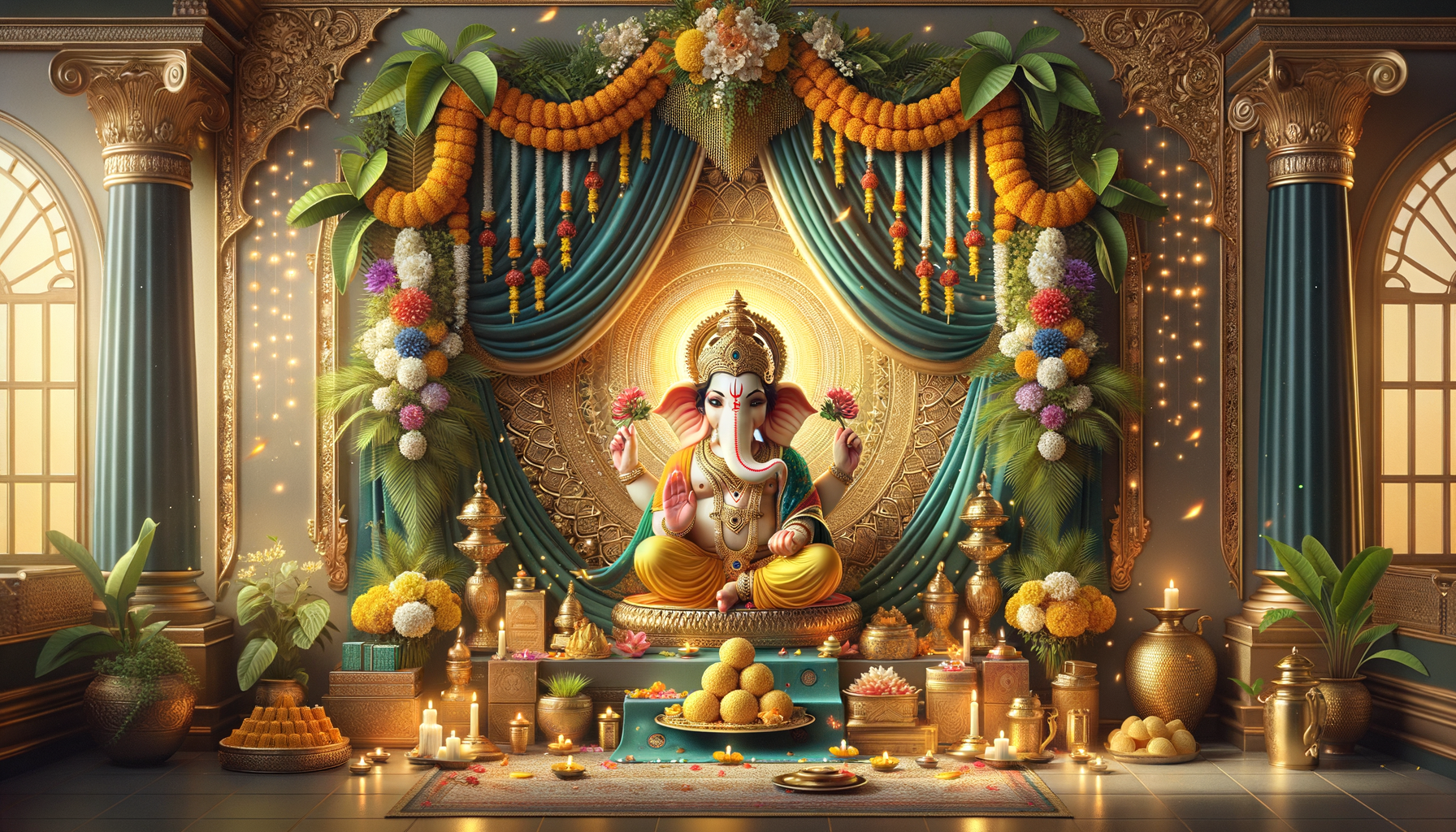
Pancha Ganapati (Dec 21–25) is a five-day Hindu festival honoring Panchamukha Ganapati through daily puja, sadhana, and acts of reconciliation. Each day carries a distinct color and focusfamily, friends and neighbors, professional integrity, culture and charity, and spiritual renewal. Households set up a Ganesha altar, offer sweets, flowers, and lamps, and conclude with arati and…
-
Why Desires Persist in Kali Yuga: A Dharmic Roadmap to Master Craving, Age, and Satiety
Desire often outlives satiety and age in Kali Yuga, a pattern recognized across Hinduism, Buddhism, Jainism, and Sikhism. Dharmic teachings trace this persistence to avidya, samskaras, and ego, rather than mere lack of fulfillment. The Bhagavad Gita, Upanishads, Buddhist suttas, Jain ethics, and Sikh Gurbani converge on a practical cure: ethics, contemplation, and service. This…
-
Lord Śiva on the Wounds of Words: SB 4.3.19 and the Power of Compassionate Speech

SB 4.3.19 presents Lord Śiva’s profound teaching that unkind words from relatives wound more deeply than physical harm. The verse clarifies why familial speech carries lasting emotional effects and how mindful communication can prevent subtle violence. Set against Satī’s dilemma with Dakṣa, it illuminates the ethics of duty, dignity, and restraint. The insight resonates across…
-
December 20, 2025 Panchang: Amavasya to Shukla Paksha Pratipada Timings and Shubh Tips

December 20, 2025, features a notable lunar transition in the Hindu calendar from Amavasya to Shukla Paksha Pratipada. Amavasya tithi ends at 6:37 AM, after which Pratipada begins and continues until 8:21 AM, with minor regional variations possible. This shift heralds renewal and is widely regarded as favorable for recommitting to daily disciplines. Observances often…
-
Supreme Court Safeguards Temple Funds: Landmark Ruling Bars Bailouts of Cooperative Banks

The Supreme Court has ruled that temple funds cannot be used to bail out cooperative banks, ensuring that sacred assets remain dedicated solely to the temple’s benefit. This decision strengthens fiduciary responsibility, improves transparency, and reinforces public trust in religious endowments. By separating religious funds from external financial risks, the ruling reduces moral hazard and…
-
Kubera and Pluto Compared: Wealth, Underworld, and Shared Ethics Across Civilizations

This comparative study examines Kubera in Hinduism and Pluto in Roman mythology to show how both embody wealth rooted in the earth and bounded by moral law. It clarifies their distinct rolesKubera as lord of prosperity and guardian of the north, Pluto as ruler of the underworldand explains how each tradition links abundance with duty.…
-
Why Bharat Should Reconsider Sunburn: Protecting Culture, Health, and Community Harmony
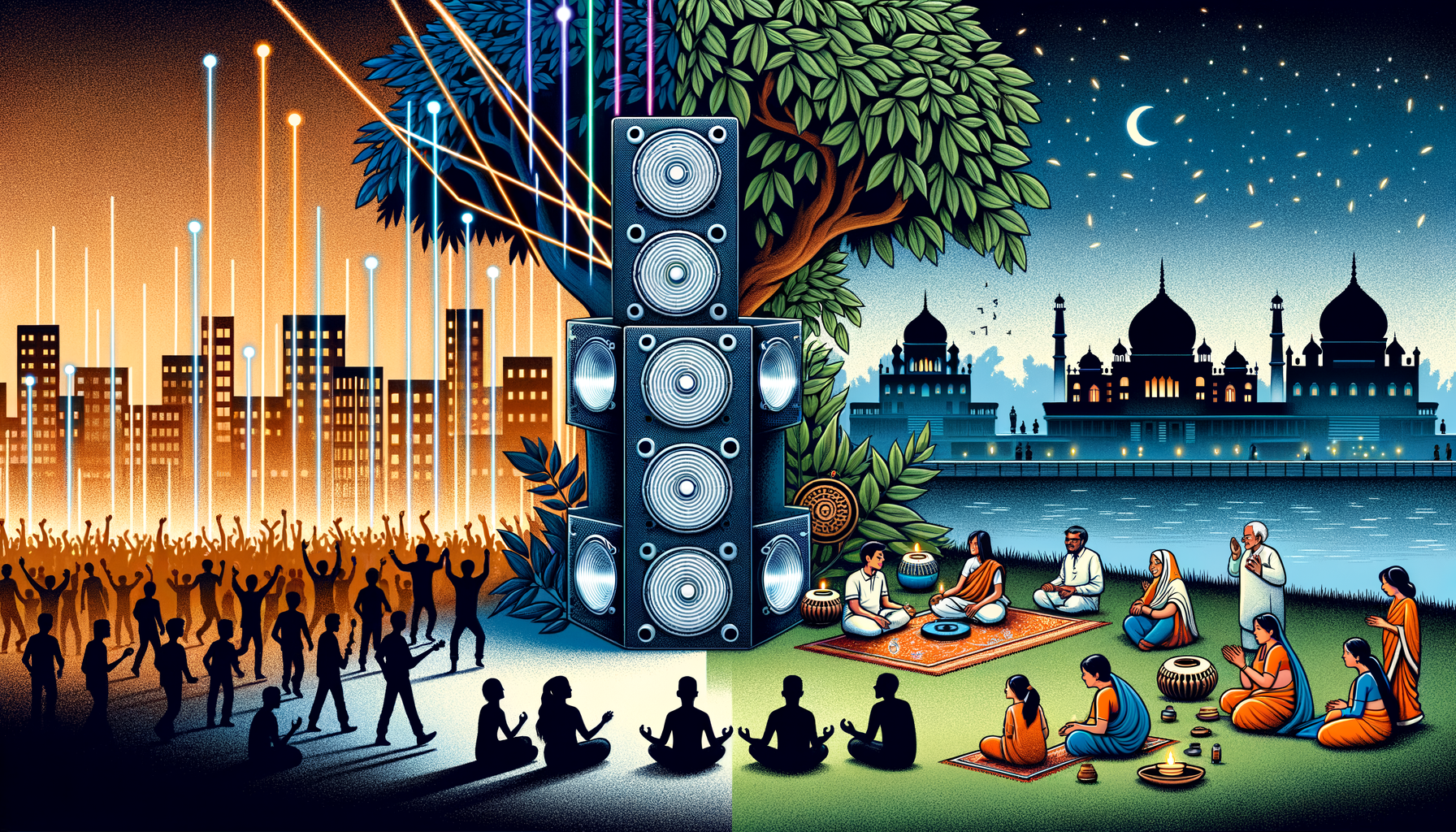
This analysis examines why Bharat should reassess the “Sunburn” festival and similar rave culture events in light of community harmony, public health, and cultural integrity. It highlights the social costs of noise pollution, crowd risk, and substance misuse commonly associated with mega-gatherings. The piece proposes safety-forward, culturally rooted alternatives that blend modern creativity with devotion.…
-
Srila Prabhupada’s Kolkata–Nabadwip Journey: Moving Lessons in Bhakti, Safety, and Dialogue

This account, as narrated by H.G. Kusha Mataji, revisits Srila Prabhupada’s December 7 journey through Kolkata and Nabadwip, highlighting devotion, safety, and respectful dialogue amid bustling Indian rail travel. It shows how Achyutananda and Ramanuja exemplified the Guru–Shishya Relationship through attentive, practical care. A courteous philosophical exchange with Bengali gentlemen models reasoned, compassionate discourse rooted…
-
Experience the Divine Everywhere: Bhagavad Gita’s Practical Path from Bodha to Vyavahara

The post explores how the Bhagavad Gita’s insight the Divine is everywhere becomes transformative when knowledge (Bodha) is practiced as daily conduct (Vyavahara). Using the wood-and-furniture analogy, it clarifies how one essence appears through many forms, guiding a balanced response to life’s roles. Practical methods mindful pauses, breath awareness, japa or simran, gratitude before meals,…
-
Thiruvathirai’s Sacred Radiance: Arudra Darshan, Nataraja’s Cosmic Dance, and Devotee Joy

Thiruvathirai (Ardra) honors a celestial nakshatra revered as a consort of Lord Chandra Bhagavan and is celebrated during Margazhi as Arudra Darshan. Devotees visit Chidambaram Nataraja Temple and Thiruvalangadu Shiva Temple to witness rituals that highlight Nataraja’s cosmic dance. Temple abhishekams, deepa aradhana, and Thiruvempavai recitations foster an atmosphere of serenity and devotion. Home observances…
-
Living Sikhi with Grace: How Gurbani Shapes Daily Lifestyle, Service, and Unity

Gurbani offers a clear, practical orientation for living Sikhi with integrity and compassion. Through simran, remembrance of Naam, and alignment with hukam, daily life gains steadiness and clarity. Principles such as kirat karo, vand chhako, and seva translate spiritual insight into ethical work, sharing, and service. This approach nurtures inner peace through meditation and breath…
-
Beyond Religious Rigidity: Dharmic Paths Realize the Divine Through Personal Freedom

This article examines how Hinduism, Buddhism, Jainism, and Sikhism converge on a core principle: authentic divine realization emerges through personal freedom rather than religious rigidity. Drawing on the Upanishads, the Bhagavad Gita, Ishta philosophy, Anekantavada, and Sikh devotion to Naam, it shows how discipline functions as a tool for liberation, not coercion. The discussion clarifies…
-
Visesha Pujas in December 2025 at Kanchi Kamakoti Peetham: Sacred Dates, Unity & Joy

Kanchi Kamakoti Peetham in Kanchipuram welcomes devotees in December 2025 with Visesha Pujas and temple events set within a serene and unifying devotional atmosphere. The month aligns with Margashirsha and Poush in North Indian Hindi calendars; Karthika and Margashira in Telugu, Kannada, Marathi, and Gujarati calendars; Agrahan and Poush in the Bengali Panjika; and Karthigai…
-
Divine Responsibility and the Yadus: Transformative Lessons from Srimad Bhagavatam 11.1.4
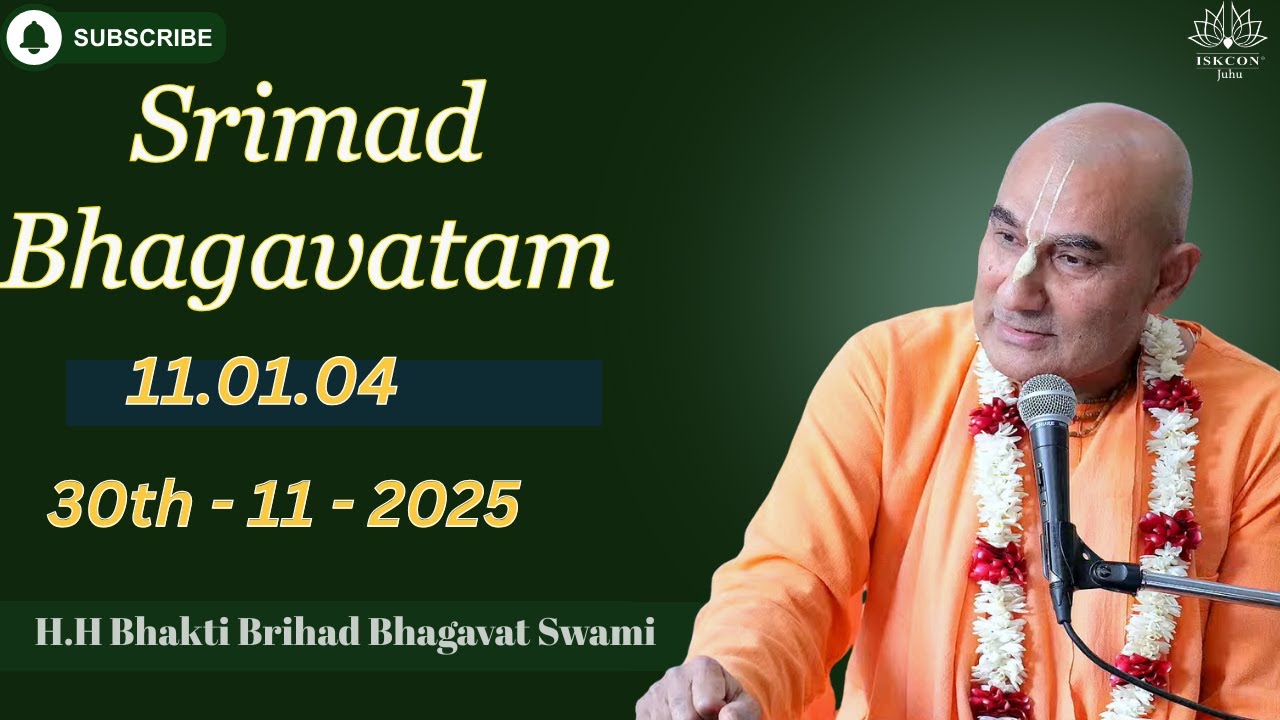
This reflection on Srimad Bhagavatam 11.1.4, presented at ISKCON Juhu by H.H Bhakti Brihad Bhagavat Swami, explains why Lord Krishna did not allow others to end the Yadu dynasty. As His own family, the Yadus could not be destroyed by any being in the universe, not even the demigods, ensuring that no external party accrued…
-
Stop Overthinking, Start Living: Hindu Wisdom for a Life of Presence and Joy

Hindu wisdom highlights a simple paradox: the more life is overanalyzed, the less it is truly lived. Drawing from the Hindu way of life and allied dharmic traditions, the path emphasizes presence, ethical action (dharma), and mindful awareness over relentless explanation. Karma yoga reframes daily duties as opportunities for clarity by releasing attachment to outcomes.…
-
Release Judgment, Embrace Compassion: A Dharmic Path to Inner Freedom and Shared Harmony

Non-judgment in Hindu Dharma is a disciplined form of discernment that calms the mind, clarifies perception, and supports ethical action. Drawing from the Upanishads, the Bhagavad Gita, and Yoga, it replaces reactive labeling with compassionate understanding. Dharmic traditions converge on this insightHinduism, Buddhism, Jainism, and Sikhism each cultivate humility, Ahimsa, and service. Practical methods such…