
-
Ravana’s Calculated Deception at Panchavati: Strategy, Dharma, and the Road to Lanka’s Fall

Ravana’s decision not to march with a large army to Panchavati reflects a strategic calculus grounded in recent battlefield evidence, logistical realities, and counsel from Maricha. After Rama’s defeat of Khara and Dushana’s Janasthana garrison, direct confrontation appeared perilous. Instead, Ravana adopted deceptionthe golden deer stratagemto create psychological asymmetry and relocate the conflict toward Lanka.…
-
Why Temples Offer Alcohol to Kal Bhairav: Tantric Symbolism, Fearlessness, and Grace
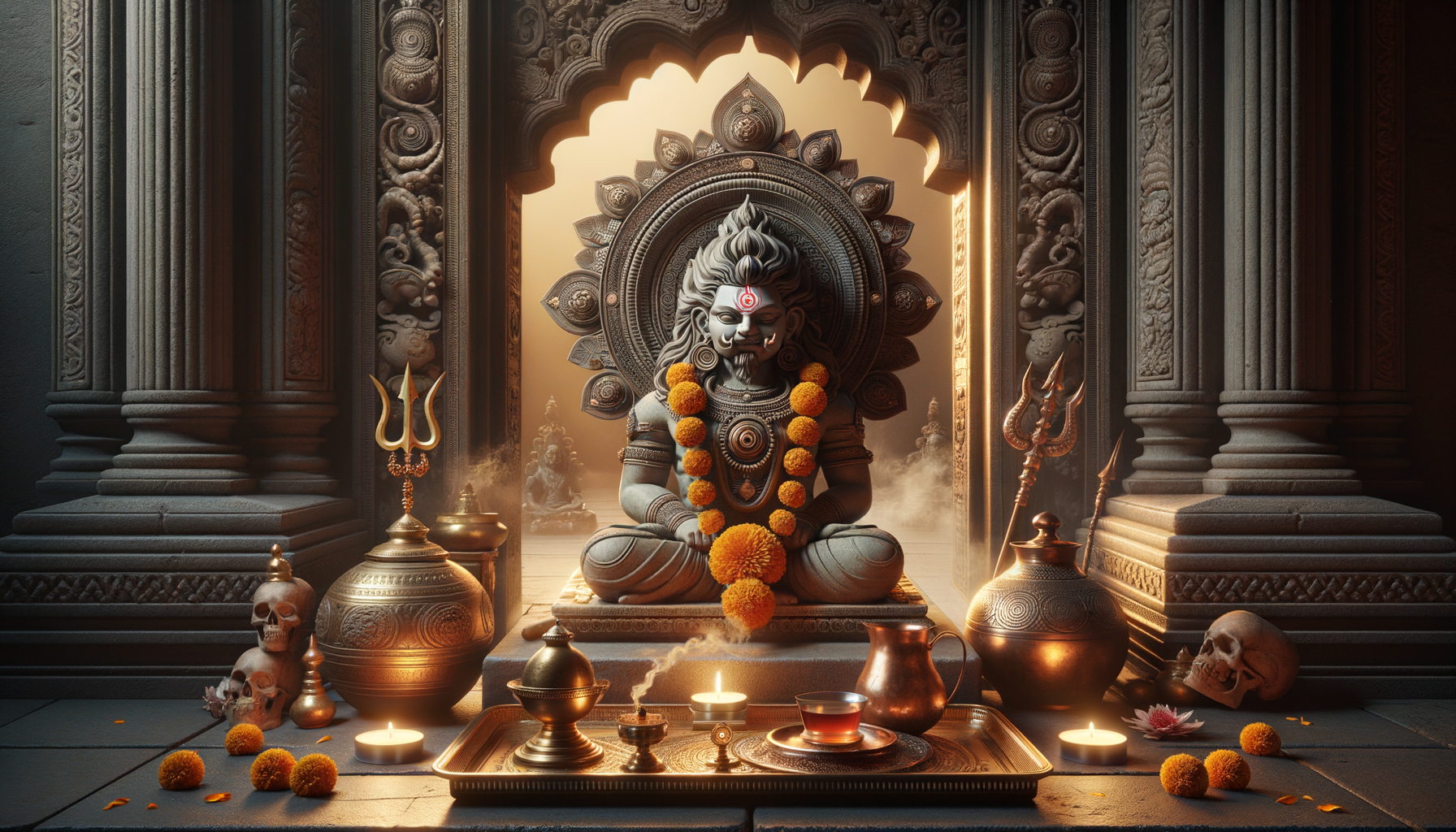
Kal Bhairav’s acceptance of alcohol offerings in select Hindu temples embodies a Tantric teaching: transforming raw, potentially destabilizing energies into fearlessness and moral clarity. Rooted in Shaiva and Shakta traditions, and resonant with Vajrayana Buddhism, the ritual encodes the alchemy of turning “poison” into medicine through consecration and disciplined intent. Temples such as Ujjain’s Kal…
-
Guru Tegh Bahadur’s Courageous Mission and Martyrdom: A Beacon of Dharmic Freedom in Mughal India

Guru Tegh Bahadur’s mission and martyrdom represent a decisive defence of religious freedom in Mughal India, grounded in Dharma and interfaith harmony. His travels from Anandpur Sahib spread a message of courage, ethical living, and seva that resonates across Hinduism, Buddhism, Jainism, and Sikhism. The 1675 execution in Delhi is remembered as a civilizational stand…
-
December 1, 2025 Panchang: Sacred Shukla Ekadashi to Dwadashi, Timings and Auspicious Cues

December 1, 2025 features Shukla Paksha Ekadashi until 2:20 PM and Shukla Paksha Dwadashi thereafter, offering a balanced day for restraint, reflection, and compassionate action. The Ekadashi period supports mindful fasting, japa, meditation, and seva, while Dwadashi encourages gentle completion of observances. Good time selection is strengthened by consulting local Panchang calculations, including Brahma Muhurta…
-
Shiva’s Five-Faced Epiphany before Parvati: A Sublime Vision of Wisdom, Love, and Dharma

This post explores the Shiva Purana’s account of Shiva manifesting before Goddess Pārvatī in His five-faced form, decoding its symbolism with academic clarity. It explains how each faceSadyojāta, Vāmadeva, Aghora, Tatpuruṣa, and Īśānamaps to creation, preservation, dissolution, contemplation, and grace. Readers gain a practical framework for meditation using the pañcākṣarī mantra and the five elements,…
-
SB 10.86.31Bahulāśva’s Praise of Kṛṣṇa: Witness of All Actions, Awakener of Bhakti

SB 10.86.31, as illumined by Śrīla Viśvanātha Cakravartī, presents Bahulāśva honoring Kṛṣṇa as both the inspirer of consciousness and the witness of all actions. This dual insight nurtures humilitytrust in grace to awaken devotionand accountabilityawareness that conduct is always seen by the divine. The teaching naturally translates into practice through svādhyāya, mindful japa, and seva.…
-
Parashurama, Balarama, Sri Rama: Mapping Humanity’s Ascent from Force to Righteousness

Hindu scriptures present an integrated model of moral evolution through Parashurama, Balarama, and Sri Rama. Together, these avatars map a movement from raw force to cultivated strength and ultimately to principled righteousness. Parashurama encodes the courageous correction of entrenched adharma. Balarama anchors strength in restraint, agriculture, and social balance. Sri Rama perfects the arc through…
-
Global ‘Shri Narayan Mahayadnya’ concludes in Mumbai, uniting voices for Shri Krishna Janmabhoomi
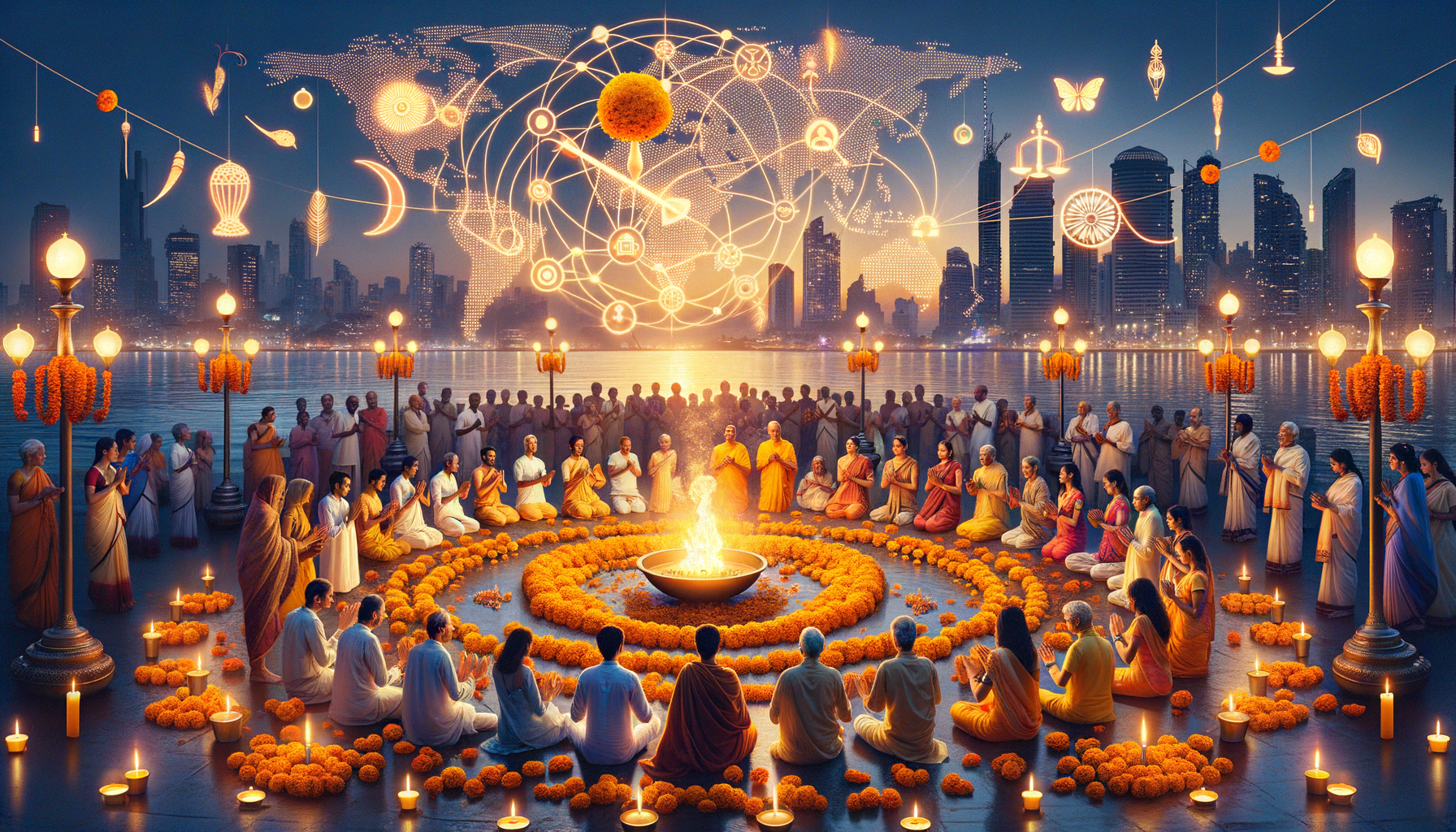
A two-day ‘Shri Narayan Mahayadnya’ organized by the Shri Krishna Janmabhoomi Sangharsh Nyas concluded in Mumbai after being conducted across 16 nations. The observance emphasized peaceful, community-led efforts related to Shri Krishna Janmabhoomi and the preservation of sacred heritage. Its global format highlighted the strength of diaspora networks in sustaining cultural memory and temple traditions.…
-
Shantadurga’s Compassion: The Skanda Purana Goddess Who Guards Even the Ants

Shantadurga, celebrated in the Sahyadri Khanda of the Skanda Purana, is revered as a compassionate form of Goddess Durga whose protection extends even to ants. Her association with the valmika (anthill) in Goan traditions transforms everyday landscapes into sacred teaching spaces. This narrative illuminates ahimsa as a lived ethic, aligning Hindu devotion with shared dharmic…
-
Unshakeable Resilience in Hindu Dharma: How True Warriors Turn Setbacks into Inner Strength

The statement “True warriors don’t let setbacks define them. They overcome them” resonates with Hindu philosophy as a call to cultivate resilience, courage, and inner strength. Rather than treating adversity as a verdict, dharmic teachings reframe it as an opportunity for growth and self-mastery. The Bhagavad Gita’s emphasis on equanimity, disciplined practice, and ethical action…
-
Why Gods Granted Boons to Asuras: Timeless Purāṇic Lessons on Power, Dharma, and Restraint

Purāṇic narratives of devas granting boons to asuras are ethical case studies on power, dharma, and restraint. They show that tapas yields siddhi impartially, while misuse of strength triggers karmic correction for the common good. Rather than vilifying groups, these stories highlight the fairness of the cosmic order and the responsibilities that accompany great power.…
-
Sita’s Compassion Tested: Dharma and the Ethics of Lakshmana’s Punishment of Surpanakha

The Aranya Kanda episode of Surpanakha’s attack and Lakshmana’s response invites a careful reading of dharma and compassion. Valmiki’s text does not quote Sita’s immediate reaction, so understanding her stance relies on her consistent character across the Ramayanarooted in karuṇā and kṣamā. Interpreted through proportionality and restraint, Lakshmana’s non-lethal action reflects kṣātra-dharma: protecting the innocent…
-
Utsav and Mricchakatika: A Scholarly, Heartfelt Reappraisal of Girish Karnad’s Adaptation

This scholarly reappraisal situates Utsav (1984) within the long legacy of Sudraka’s Mricchakatika, establishing a careful baseline before assessing Girish Karnad’s adaptation. It outlines the play’s complex plot, deftly interwoven subplots, and richly drawn charactersespecially Cārudatta and Vasantasena. It highlights the social and political motifs of Ujjaini under Palaka and Shakara, and the moral transformations…
-
Loneliness in the Digital Age: Dharmic Wisdom and Practical Practices to Rebuild Community

The decline in real-life friendships has accelerated in the digital age as social media, virtual relationships, and digital companions monetize attention while leaving deeper needs unmet. Dharmic wisdom across Hinduism, Buddhism, Jainism, and Sikhism converges on a practical remedy: rebuild community through satsang/sangha/sangat, seva, mindfulness, and compassionate speech. Concepts like Lokasangraha frame friendship as an…
-
Dhritarashtra’s Strategic Gamble: Sending Sanjaya to Arjuna before Kurukshetra

Dhritarashtra’s embassy through Sanjaya in the Udyoga Parva was far more than a perfunctory peace gesture. It legitimized Kuru policy under dharma, gathered intelligence on Pandava readiness, and probed Arjuna’s psychology at the nerve center of their war effort. Addressing Arjuna directly tested resolve, Krishna’s influence, and the possibilities of accommodation without ceding moral ground.…
-
Vishnu Purana Stories: Timeless Tales of Devotion, Dharma, and Unity in Diversity
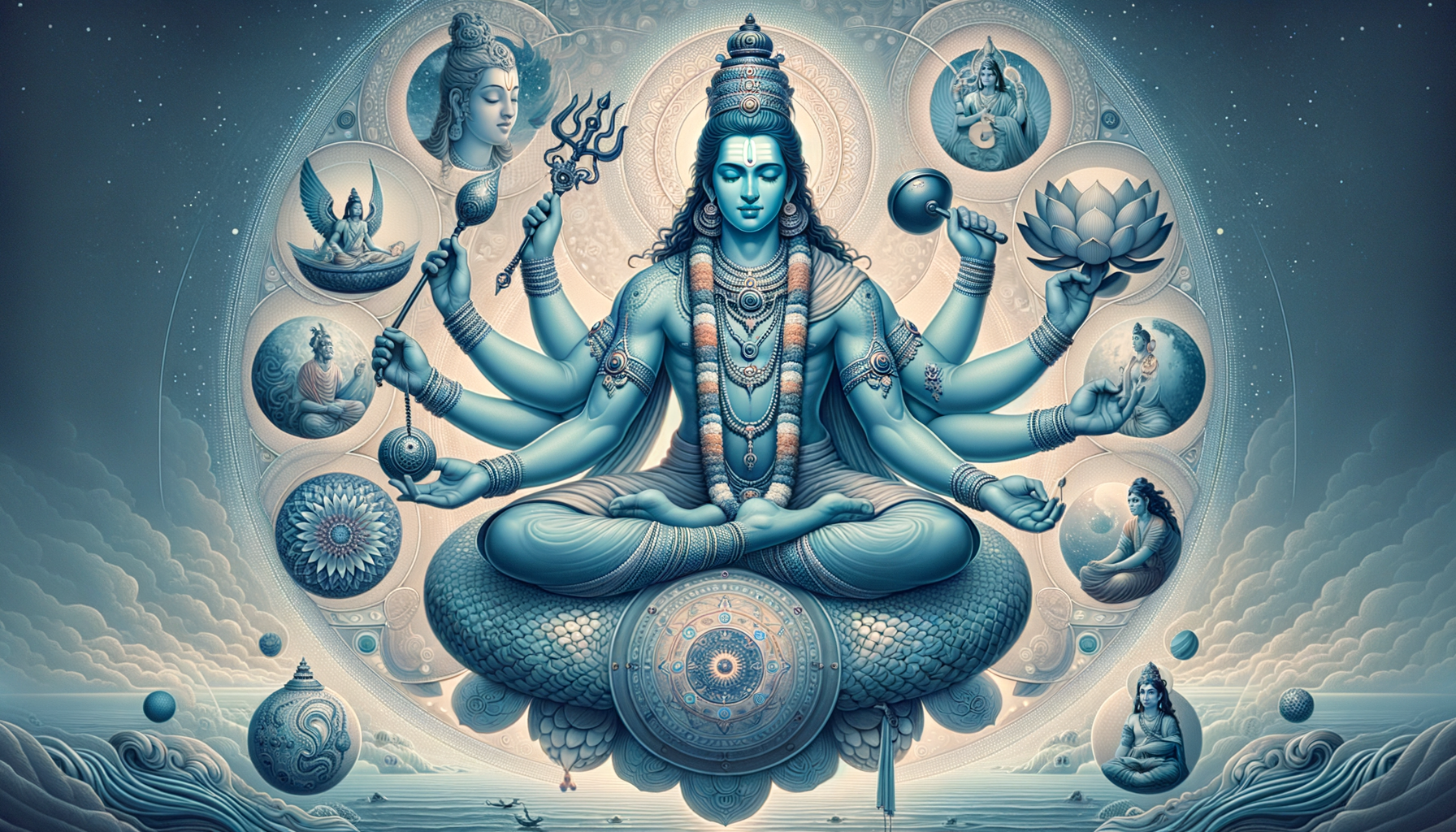
The Vishnu Puranaone of the Eighteen Mahapuranaspresents timeless stories of Lord Vishnu, his avatāras, and exemplary devotees such as Nārada, Prahlāda, Tumburu, and Dhruva. These narratives model steadfast devotion, courage, and disciplined practice while offering practical ethical guidance for daily life. Read within the broader Hindu ethos, the text honors multiple valid paths to the…
-
The Transformative Power of Divine Names: Vedas, Upanishads, and Epics for Inner Renewal

This reflection examines the power of divine names as preserved in the Vedas, Upanishads, Ramayana, and Mahabharata, highlighting how sacred sound directs the mind toward dharma. It presents chanting, mantra, and japa as disciplined practices that transform remorse into responsible action. The analysis emphasizes unity across Hinduism, Buddhism, Jainism, and Sikhism, where sacred namessuch as…
-
Dharma and Spiritual Elevation: Timeless Ethics for Unity and Inner Transformation

Dharma offers more than an approximate blend of righteousness, virtue, or moral law; it is a living framework that integrates ethical conduct with inner transformation. Grounded in Hinduism yet resonant across Buddhism, Jainism, and Sikhism, Dharma fosters unity in spiritual diversity. Practitioners report greater clarity, emotional balance, and purpose when actions align with truth, compassion,…
-
Vande Mataram at 150 (1875–2025): The stirring anthem that forged India’s unity

On 7 November 2025, India commemorates 150 years of Vande Mataram, the National Song that inspired the Indian independence movement and affirmed a shared civilizational identity. Composed by Bankim Chandra Chattopadhyay and later sung by Rabindranath Tagore, the hymn’s ethical vocabulary aligns with the values of Hinduism, Buddhism, Jainism, and Sikhism. Sri Aurobindo’s translation deepened…
-
Who Are the ‘Good People’? A Dharmic Guide to Recognizing Virtue and Choosing Satsang

Spiritual traditions often advise keeping the company of the wise, yet the criteria can seem unclear. A dharmic lens makes the measure practical: consistent alignment with dharma, non-violence (ahimsa), truthfulness (satya), compassion (karuna), and self-restraint offers reliable evidence of goodness. The Bhagavad Gita’s daivi sampad and the Yoga Sutra’s yamas and niyamas provide observable markers.…