
-
Kalpanagaurava Unveiled: Master Tarka’s Antidote to Excessive Imagination in Debate

Kalpanagaurava (कल्पनागौरव) identifies the burden of excessive assumptions in reasoning within Hindu philosophy’s tarka tradition. Recognized as one of the eleven varieties of tarka, it cautions against arguments that lean on imaginative postulates rather than evidence. By favoring economical explanations, it strengthens clarity and doubt-resolution in debate. Readers will find this principle intuitively useful in…
-
Assam grants 25 acres in Guwahati to TTDlandmark boost for Venkateshwara devotion and unity

The Government of Assam has allocated 25 acres in Guwahati for a Tirumala Tirupati Devasthanams (TTD) Venkateshwara Swamy Temple, marking a pivotal expansion of pilgrimage infrastructure in Northeast India. The Andhra Pradesh Chief Minister’s communication to the Assam Chief Minister regarding enhancement of the allotment highlights constructive inter-state cooperation. A TTD Temple in Guwahati can…
-
Inside Viscount Valentia’s 1803 India Voyage: Opulence, Company Power, and Puri’s ‘Black Pagoda’
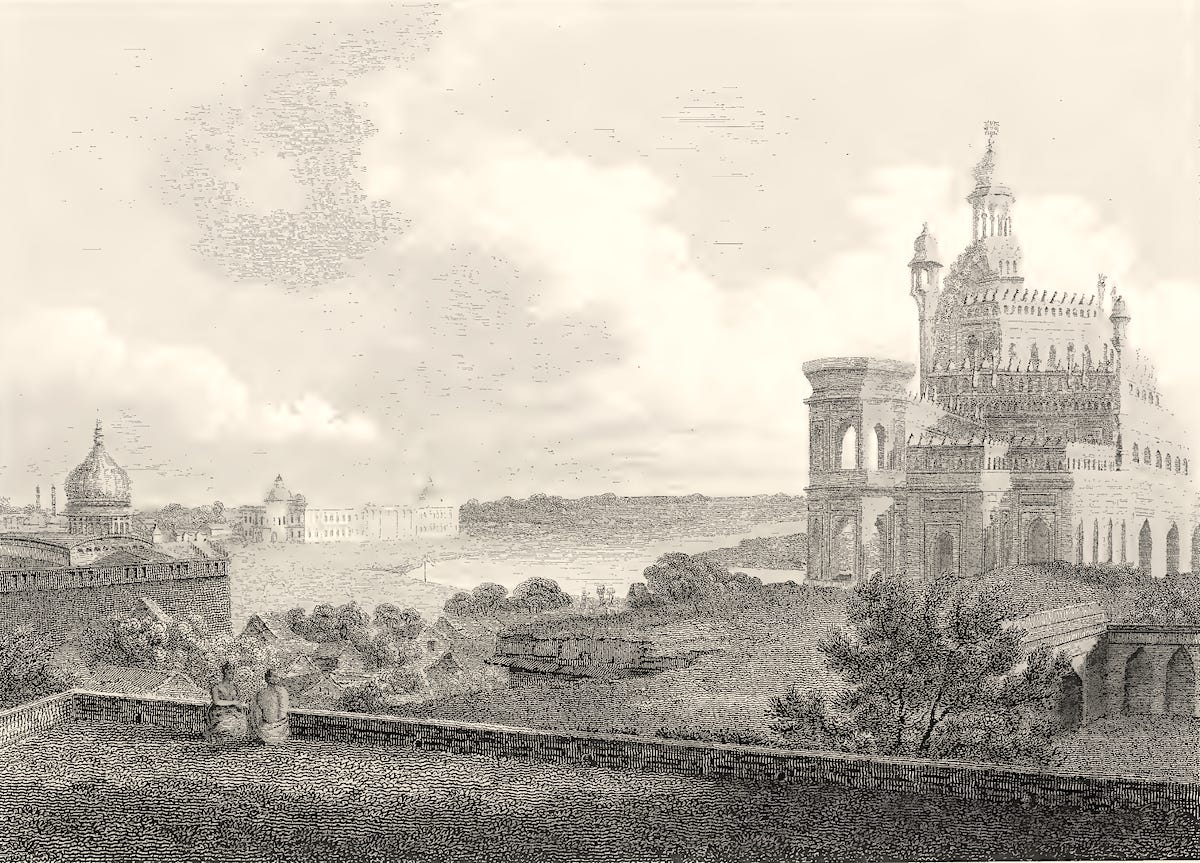
Viscount Valentia’s 1803 voyage moves from the Nicobar Islands to the Hooghly River, revealing how the East India Company fused spectacle and ceremony to project power. The narrative captures a barge’s opulence, courtly hospitality in Calcutta and Lucknow, and the subtle etiquette of inducement that shaped colonial politics. A telling phrase from Awadh“Lord Saheb ka…
-
Shani Sade Sati for Karka Rashi: Navigate the Final 2.5 Years (Paada Shani) with Clarity

Shani’s transit to Simha Rashi ushers in the final 2.5 years (Paada Shani) of Sade Sati for Karka Rashi, emphasizing stability, disciplined effort, and responsible communication. This second-house focus supports careful budgeting, family stewardship, and conservative planning that lead to durable gains. Careers benefit from routine, accountability, and policy alignment, while relationships improve through respectful…
-
Discover the 68 Swayambhulingas: Self-Manifested Shiva Forms and Bharat’s Sacred Geography

This article explores the 68 Swayambhulingas as self-manifested forms of Lord Shiva that shape the sacred geography of ancient Bharat. It clarifies the meanings of Swayambhu and linga, emphasizing the linga as a cosmic symbol of formless consciousness. Readers gain historical and cultural context for these sites within India’s interconnected temple landscapes. The piece highlights…
-
Beyond Blame: Bondi Beach Tragedy, Countering Extremism and Building Dharmic Unity in Australia

The Bondi Beach tragedy demands responses rooted in clarity, compassion, and evidencenot sweeping blame. This analysis explains why attributing violence to entire faiths is methodologically unsound and socially harmful, and outlines practical steps to counter violent extremism in Australia. It highlights dharmic principlesahimsa, karuna, and maitrias resources for nonviolence and community resilience. Actionable measures include…
-
Sacred Ecology in Hinduism: How Nature Worship Shapes Dharma, Ethics, and Daily Life

Nature worship in Hinduism is a core expression of sacred ecology that unites philosophy, ritual, and ethics. Rooted in the Vedas, Upanishads, and Puranas, it affirms cosmic unity and the sanctity of the five elements. Rituals like offerings to Surya and the care of Tulsi translate reverence into daily practice. Ethical pillarsAhimsa, Aparigraha, and devotion…
-
From ‘Miracle’ to Menace: Dharmic Wisdom to Curb Plastic Pollution and Restore Balance

Plastic’s promise has turned perilous, with microplastics degrading ecosystems and health. This piece unites Hindu, Buddhist, Jain, and Sikh wisdom to frame a practical, compassionate response. It explains how Dharma, Ahimsa, Aparigraha, and seva align with circular economy solutions such as repair, reuse, and waste reduction. Readers gain actionable steps for Sustainable livingfavoring durable, repairable…
-
Chamunda’s Sacred Elephant: Fierce Shakti, Ego’s Undoing, and the Path to Inner Freedom
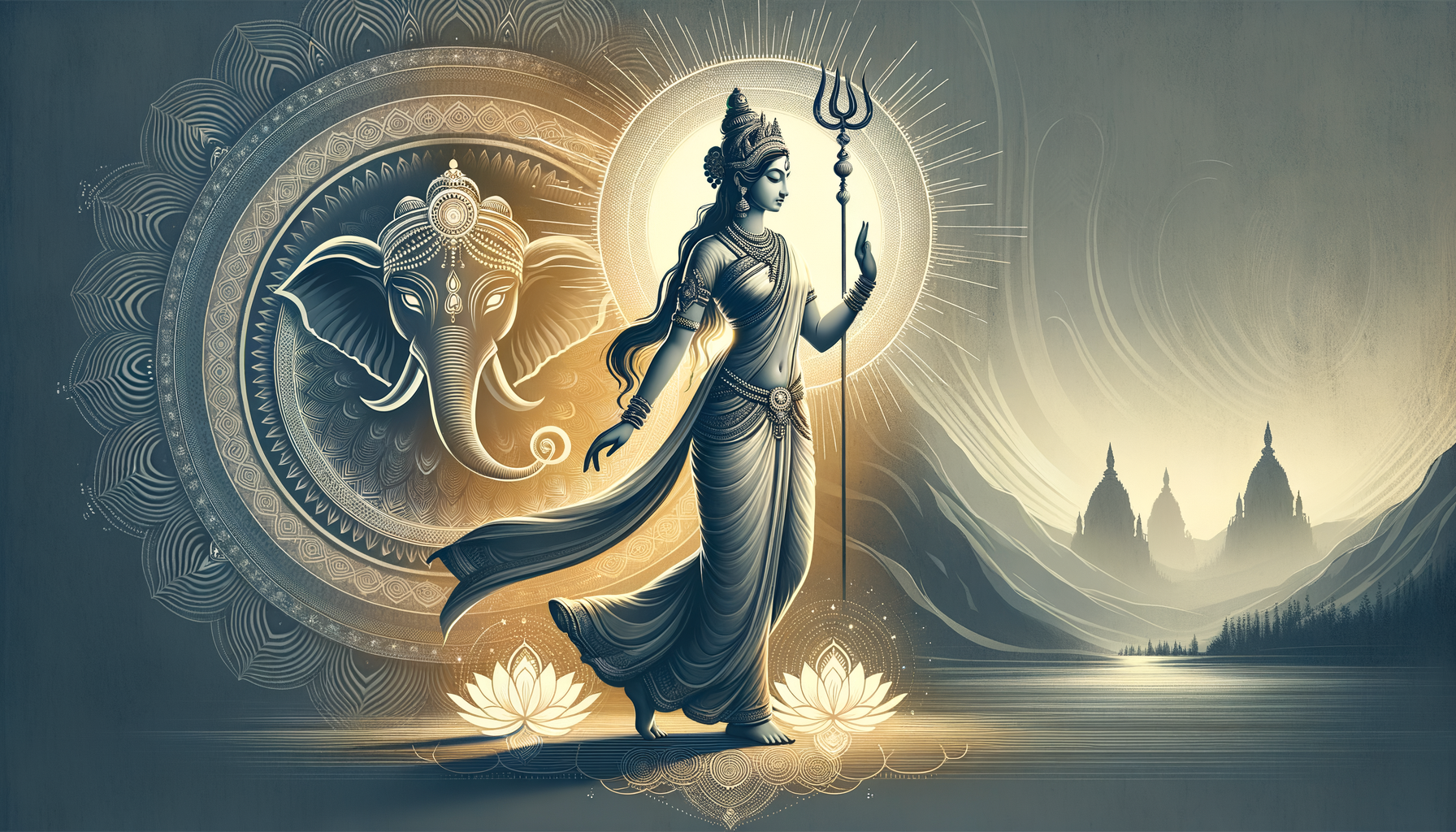
Goddess Chamunda’s association with the elephant in select iconography conveys a profound lesson: the fierce subjugation of ego, pride, and inertia that obstruct spiritual growth. Read as a visual theology of Shakti, the motif transforms heaviness into purposeful clarity aligned with dharma. The symbolism resonates psychologically, echoing Vedantic neti neti and Yogic pratyahara as disciplined…
-
December 18, 2025 Panchang Guide: Tithi Change, Krishna Paksha Chaturdashi, Ritual Meaning

December 18, 2025 in the Hindu Panchang begins with Krishna Paksha Trayodashi until 2:35 AM and continues as Krishna Paksha Chaturdashi thereafter. The dark fortnight is traditionally associated with reflection, discipline, and inward practice. Chaturdashi often carries a devotional focus, and many observe Masik Shivaratri on Krishna Chaturdashi with quiet worship and japa. Good Time…
-
Unlocking Abundance and Serenity: The Profound Significance of Kamalatmika Mahavidya

Kamalatmika Devi, the Kamala Mahavidya, is venerated as a radiant form of Mata Lakshmi who unites prosperity with inner serenity. Her golden iconographylotuses and gentle elephantssymbolizes purity, auspicious growth, and steady blessings grounded in dharma. In practice, devotees associate her worship with harmonizing Shukra (Venus), especially on Fridays, emphasizing ethical living, charity, and mindful mantra…
-
Tara Devi Mahatmyam: Fear-Dispelling Power and Cross-Traditional Significance of Tara Mahavidya
Tara Devi, one of the Dasamahavidyas and a manifestation of Durga Devi, is honored for fear-dispelling power and liberating wisdom. The Adbhuta Ramayana recalls Tara within the Goddess’s cosmic play, celebrated after Kali’s defeat of a powerful asura. Shakta Tantra presents Tara as both fierce and compassionate, associated with insight (jnana), transcendent speech (vak), and…
-
Why Parashurama Stood Alone: The Profound Dharma Behind Vishnu’s Consortless Avatar

Parashurama’s consortless form is a purposeful feature of Vaishnava theology rather than an omission. Scriptural narratives emphasize his ascetic mission, where tapas, mobility, and disciplined detachment were essential to restoring kshatra-dharma. The diversity of Vishnu’s avatars reflects role-specific embodiments: Rama models household righteousness, Krishna social and relational dharma, and Parashurama corrective austerity. His status as…
-
ISKCON Press Origins: Boston’s Joyous Welcome for Srila Prabhupada and a Movement in Transition
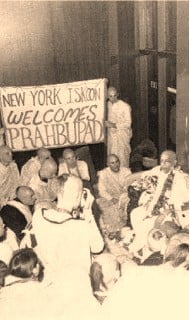
Devotees from Buffalo, Columbus, New Vrindaban, Pittsburgh, Philadelphia, and Washington, D.C. convened in Boston to greet Srila Prabhupada, revealing a pivotal moment in early ISKCON history. A school bus from 38 N. Beacon Street to the airport underscored grassroots organization and shared purpose. Photographs of a banner reading “ISKCON New York Welcomes Prabhupada,” with Swarup…
-
Lakshmi’s Quiet Power: How the Divine Feminine Guides Vishnu’s Avatars and Upholds Dharma

This essay explores how Lakshmi’s quiet power shapes the ethical core of Vishnu’s avataric decisions, balancing courage with compassion. Drawing on narratives of Rama, Krishna, Narasimha, Vamana, and Mohini, it shows how Lakshmi’s qualities guide choices toward reconciliation, dignity, and social welfare. The analysis highlights Sri-Vaishnava insights into the inseparability of Sri and Vishnu, revealing…
-
Tirupparankundram Temple Row: Prohibitory Orders After Clashes, Appeals for Peace and Unity

Prohibitory orders were imposed in parts of Madurai after reported clashes between Hindu activists and police near the Tirupparankundram Temple. Authorities emphasized the measures are preventive and temporary, aimed at protecting devotees, residents, and public property. Devotees can expect regulated entry to worship areas where permitted, along with traffic diversions and heightened police presence. Community…
-
Discover Isannapally Kalabhairava Temple: Kamareddy’s 8‑Foot Idol and 16th‑Century Legacy
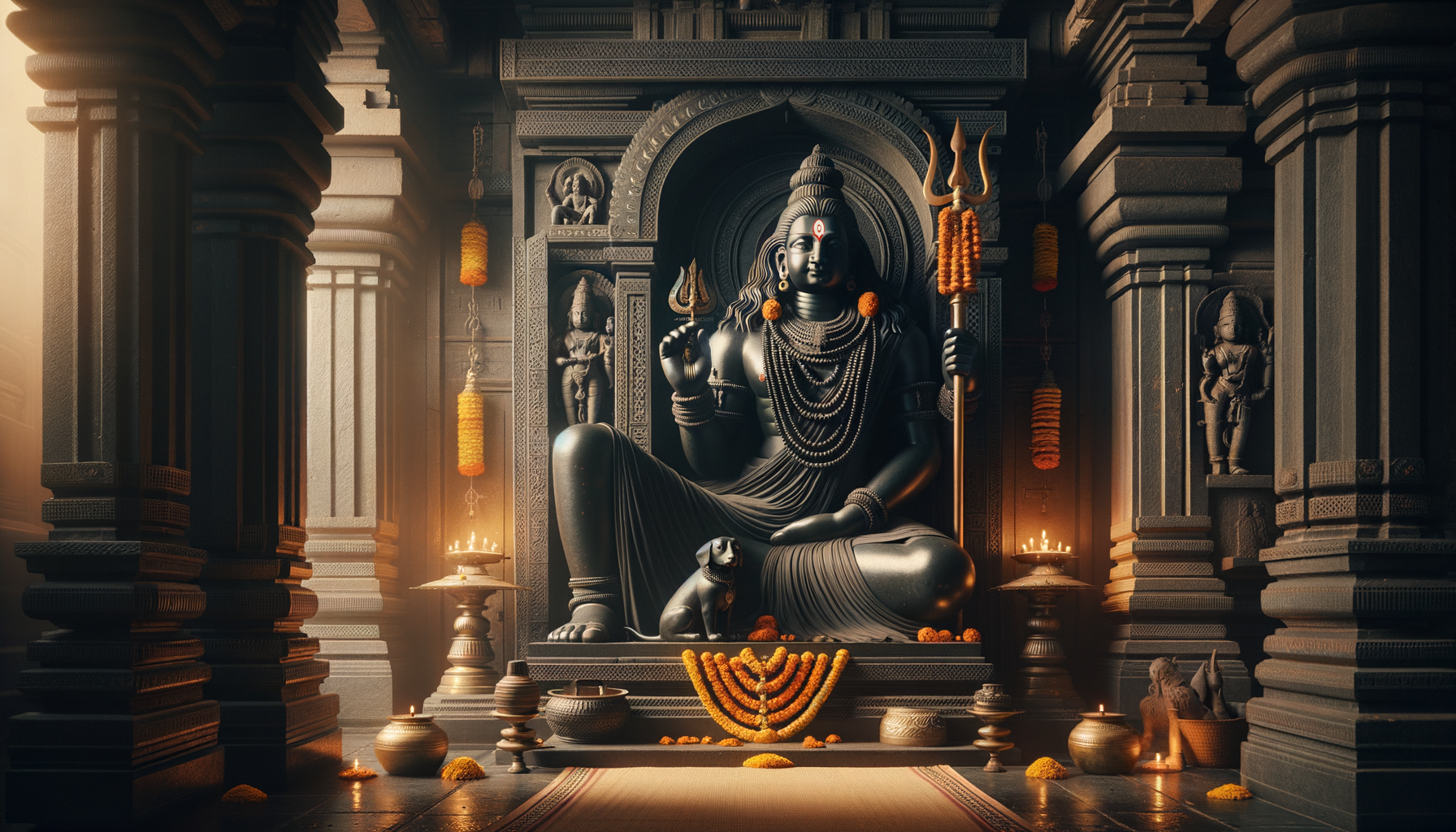
Isannapally Kalabhairava Temple in Bhiknur Mandal, Kamareddy District, Telangana, is esteemed for its powerful spiritual presence and cultural importance. The temple houses an 8‑foot idol of Digambara Kalabhairava Swamy with the dog vahana, conveying vigilance and guardianship. Local tradition dates the icon to the 16th century, situating the shrine within a rich Shaivite heritage. Visitors…
-
Indrajala Unveiled: The Ancient Hindu Art of Illusion, Ethics, and Dharmic Harmony

Indrajalaliterally the “web” or “net” of Indranames an ancient Hindu art of illusion included among the 64 kalas. Classical sources present it as a disciplined skill in shaping perception across ritual, theatre, and strategy. Read as a dharmic metaphor, it mirrors ideas of maya and interconnection often associated with Indra’s Net. Framed ethically within dharma…
-
Shiva Loka Unveiled: Mount Kailash and the Timeless Abode of Lord Shiva

Shiva Loka is revered in Hinduism as the abode of Lord Shiva, reflected on earth by Mount Kailash. The Shiva Purana presents Shiva’s compassion and transformative power as ethical and contemplative guides for modern life. Pilgrims describe the Kailash parikrama as a humbling encounter with silence and awe, deepening bhakti beyond ritual. As Nataraja, Shiva’s…
-
Does the Sun Chant ‘OM’? Solar Science, Sacred Sound, and Dharmic Unity

Social media clips suggesting the Sun chants “OM” inspire both fascination and debate. Scientifically, the Sun’s oscillations can be sonified into deep drones, which some listeners associate with “OM,” though this resemblance is interpretive rather than literal. Spiritually, “OM” holds profound meaning across Hinduism, Buddhism, Jainism, and Sikhism, offering a unifying symbol of ultimate reality…