Haat Katro Khamb: How to Remember the Goa Inquisition
·2 min read
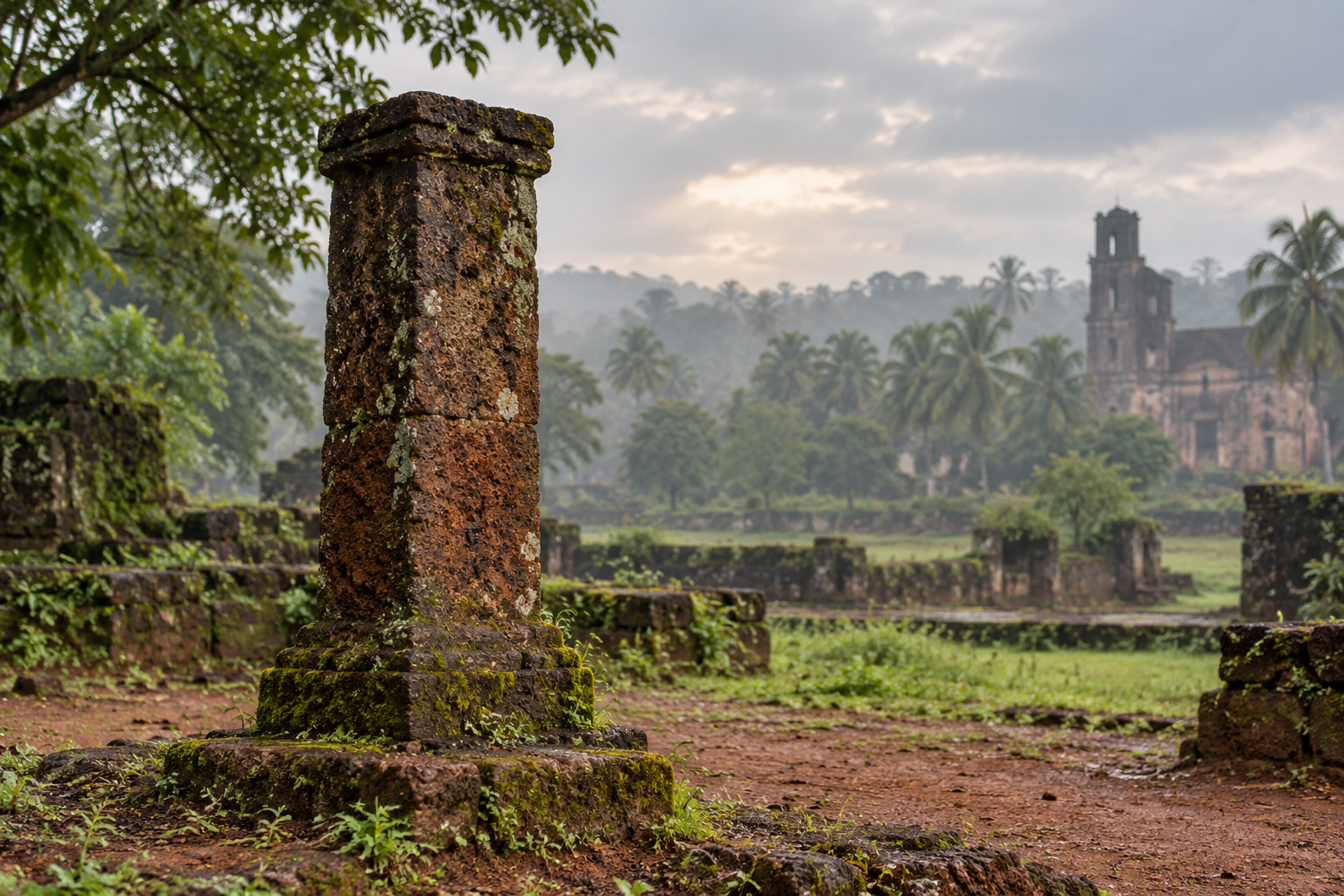
You may have encountered Haat Katro Khamb as a powerful reminder of the Goa Inquisition and wondered what, exactly, can be said about it. The responsible answer lies between two easy reactions: dismissing inherited Hindu memory because every detail has not yet been established, or presenting an emotionally compelling interpretation as though every part of it has already been proved.
You can honour the memory without lowering the standard of evidence. That distinction matters if you plan to visit Old Goa, teach the subject, discuss it publicly, or support efforts to preserve and investigate the site.
What is established, and what remains to be investigated
The Goa Inquisition belongs to the history of Portuguese colonial rule and religious coercion in Goa. Haat Katro Khamb, meanwhile, is a place of public memory in Old Goa whose specific historical meaning is being asserted through cultural advocacy.
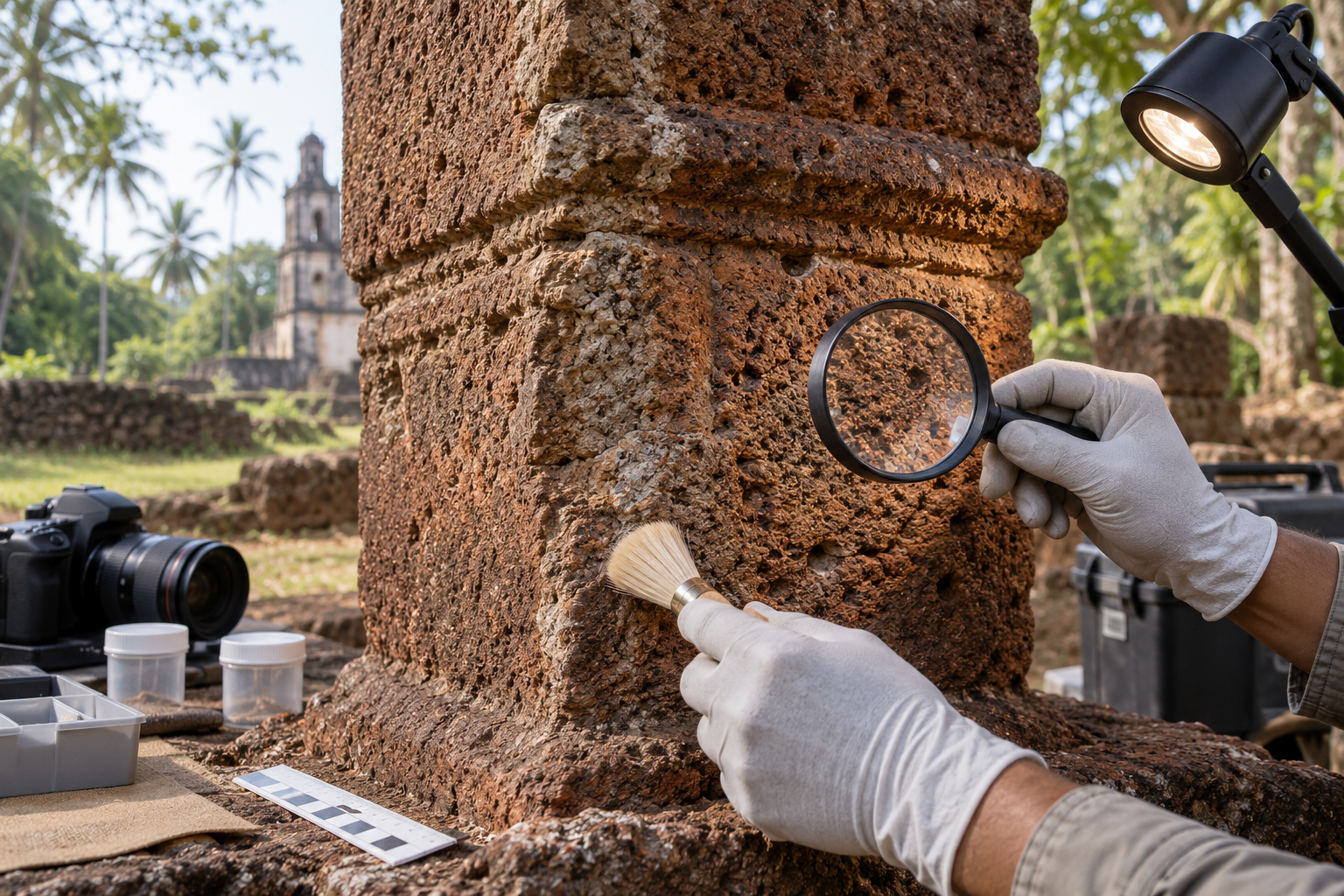
Those demands do not have the same evidentiary status. A textbook presents an account to students as knowledge. An excavation is a method for discovering and testing material evidence. When a campaign asks for both, you should notice the tension: the educational claim seeks recognition now, while the archaeological demand acknowledges that important questions remain open.
This does not make the memory meaningless. It means that three statements must not be collapsed into one: the Goa Inquisition occurred; Haat Katro Khamb carries a community interpretation connected with that history; and the precise association between the surviving structure, particular events, and Vhadle Ghar requires evidence proportionate to the claim.
How to evaluate claims about Haat Katro Khamb
A name, a local tradition, a physical structure, and a documented event can support one another, but they are not interchangeable. You can assess any claim about the site by separating four layers.
<!– wp:list {
FAQs
What is Haat Katro Khamb?
Haat Katro Khamb is presented as a place of public memory in Old Goa whose community interpretation connects it with the Goa Inquisition. The precise relationship between the surviving structure, particular events, and Vhadle Ghar still requires evidence proportionate to the claim.
What is established about the Goa Inquisition?
The Goa Inquisition is part of the history of Portuguese colonial rule and religious coercion in Goa. The article treats that history as distinct from claims about the exact meaning or use of the surviving Haat Katro Khamb structure.
How should claims about Haat Katro Khamb be evaluated?
Treat a name, local tradition, physical structure, and documented event as separate layers of evidence. They may support one another, but they are not interchangeable, so each specific claim should be tested against evidence of an appropriate strength.
Why have advocates called for Vhadle Ghar to be excavated?
Cultural advocates have called for Vhadle Ghar to be excavated to discover and test material evidence and bring the history of the Inquisition more fully to light. The call for excavation also acknowledges that important questions remain open.
Why do textbook inclusion and archaeological excavation have different evidentiary status?
A textbook presents an account to students as established knowledge, while an excavation is a method for finding and testing evidence. Asking for both places a demand for present recognition alongside an acknowledgment that investigation is still needed.
Can Haat Katro Khamb be honoured before every historical claim is proved?
Yes. The article argues that people can honour inherited Hindu memory while clearly distinguishing the documented Goa Inquisition, the community interpretation attached to Haat Katro Khamb, and specific claims that remain unproved.
How should visitors, teachers, and public speakers discuss Haat Katro Khamb?
Visitors, teachers, and public speakers should avoid both dismissing the memory because every detail is not established and presenting every interpretation as proved. They can support preservation and investigation while keeping those evidentiary distinctions clear.



Leave a Reply
You must be logged in to post a comment.