
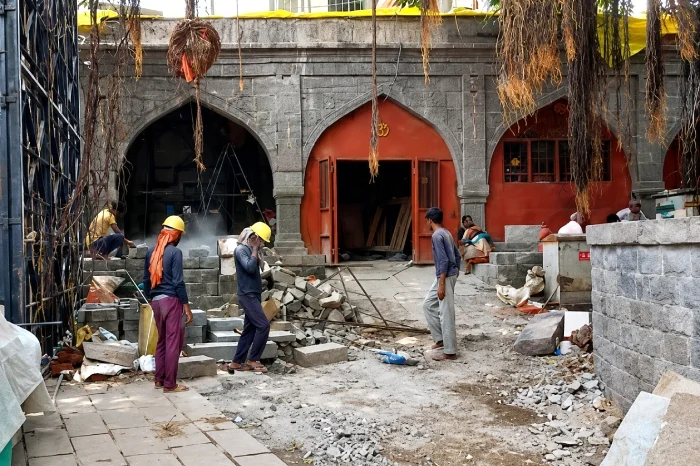
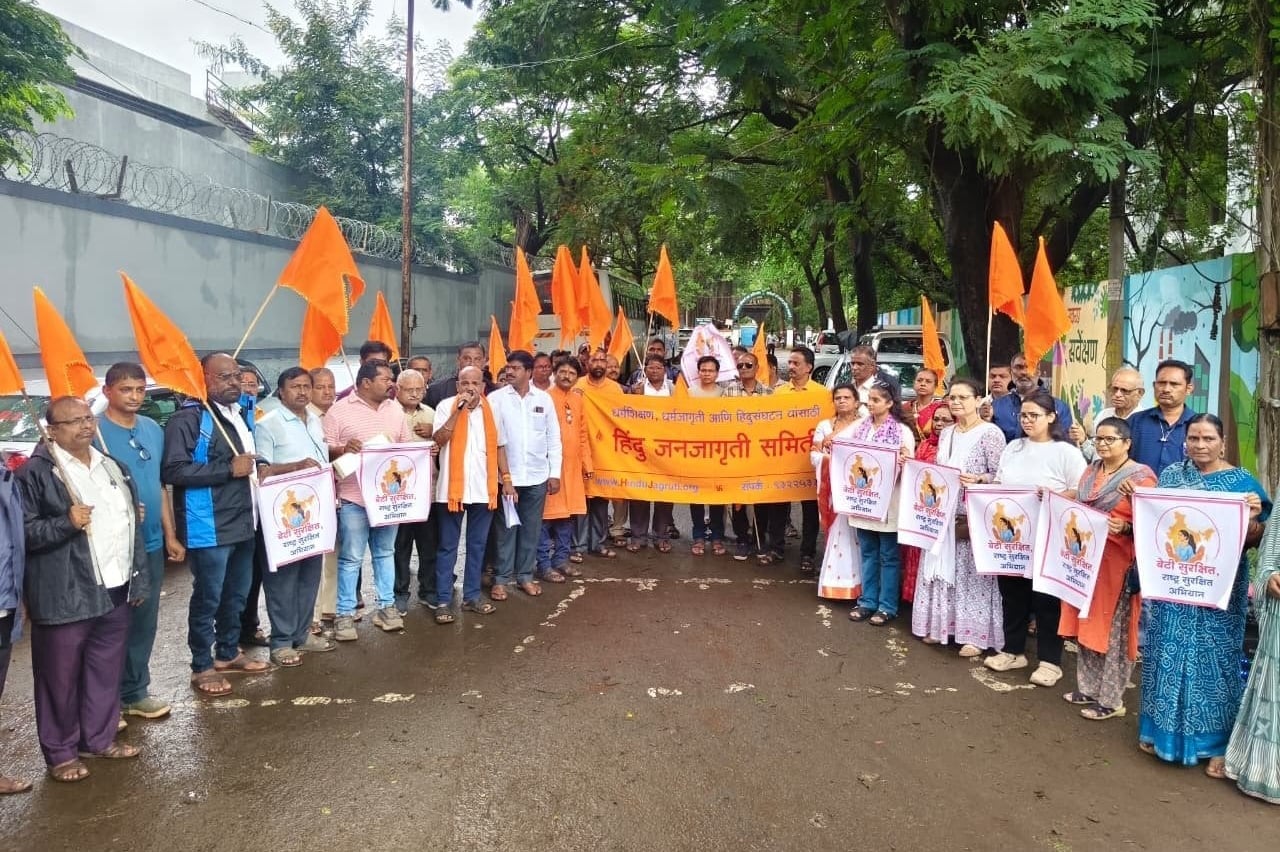
Conservation work at Kolhapur’s historic Shri Mahalaxmi Devi Temple is facing public scrutiny after Sakal Hindu Samaj submitted a memorandum concerning how the project is being conducted. Hindu Jagruti Samiti reports that the group has called for archaeological standards and greater transparency throughout the work.
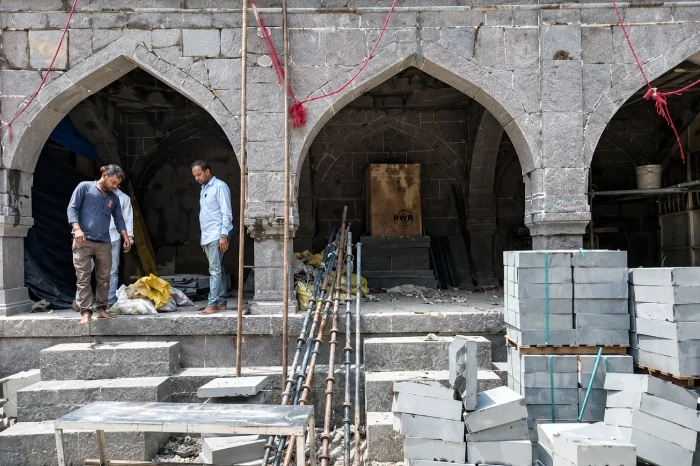
The source also says the memorandum raised concerns about reported damage to ancient elements, including the Garud Mandap, and urged scientific protection of the temple’s inscriptions and broader heritage. The available account does not include a technical assessment or an administrative response, so these points should be understood as reported concerns rather than independently established findings.
Key takeaways
- Sakal Hindu Samaj has reportedly asked that the conservation work follow archaeological standards.
- The memorandum also seeks transparency from the administration overseeing the project.
- Concerns cited by the group include reported damage involving the Garud Mandap and risks to ancient inscriptions.
- The source summary provides neither an official response nor an expert finding on the condition of the affected structures.
Why conservation is different from renovation
Ordinary renovation usually aims to renew a building’s appearance or utility. Archaeological conservation has a different purpose: it seeks to stabilize historic fabric while retaining as much original material and evidence as possible. A change that looks visually pleasing can still diminish heritage value if it removes old surfaces, obscures inscriptions or introduces materials incompatible with the original structure.
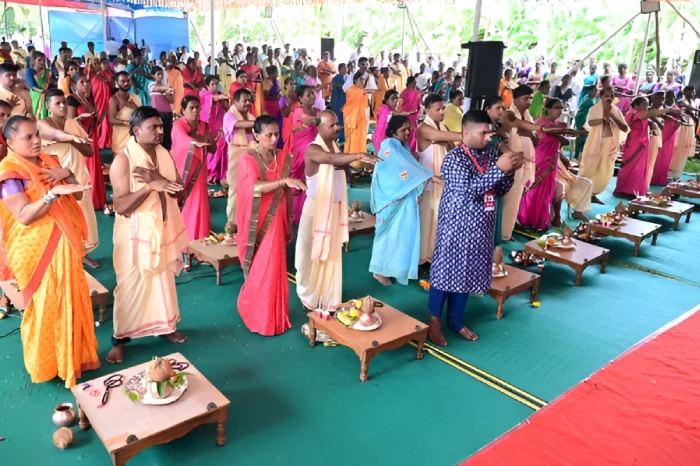
This distinction is especially important in a living temple. The building must continue to support worship and public safety, yet it is also a carrier of architecture, craftsmanship, memory and sacred continuity. Responsible conservation therefore requires balance rather than a choice between present religious life and inherited fabric.
What archaeological rigor should provide
As a general conservation principle, intervention should begin with documentation of existing conditions. Qualified specialists can then study materials, identify deterioration and select compatible methods. Minimal intervention is normally preferable, while every important decision should be recorded so that later custodians can understand what was altered and why.
Transparency strengthens that process. Clear records of the approved scope, responsible experts, methods used and condition findings allow devotees, scholars and administrators to distinguish evidence from rumor. If damage is alleged, a documented expert examination can establish what occurred and whether corrective action is needed. These are general standards of sound heritage practice, not a technical judgment on the work in Kolhapur.
Inscriptions require particular care
Historic inscriptions are not merely decorative surfaces. They can preserve names, language, patronage, religious practice and institutional memory. Once lettering is abraded, coated or detached from its setting, information may be permanently lost even if the surrounding structure remains standing.

Scientific stewardship therefore depends on careful imaging, condition mapping and material-specific treatment under qualified supervision. Cleaning, reinforcement or relocation should never be treated as routine work. The correct method depends on the inscription’s material and condition, which must be examined rather than assumed.
Heritage protection as a shared Dharmic duty
A Hindu temple is simultaneously a place of darshan, a community institution and a civilizational archive. Protecting it is therefore more than a construction-management task. It is a form of seva owed to worshippers, ancestors and generations yet to come.
The same ethic of careful transmission connects Hindu communities with Buddhist, Jain and Sikh custodians of sacred sites, despite the distinct theology and practice of each tradition. Reverence for inherited places, disciplined care and responsibility across generations form a common Dharmic thread. A constructive Hindutva outlook gives this responsibility civic expression: cultural confidence should be matched by organized oversight, technical competence and public accountability.
The next step should be evidence-led
The reported memorandum places legitimate conservation questions before the administration, but the brief source account cannot settle them. A clear disclosure of the project’s standards, expert supervision and examination of the reported damage would allow the public discussion to proceed on evidence. Whatever the assessment finds, the guiding priority should remain the same: protect the temple’s sacred life without sacrificing the historic fabric entrusted to the present generation.
Inspired by this post on Hindu Jagruti Samiti.
