
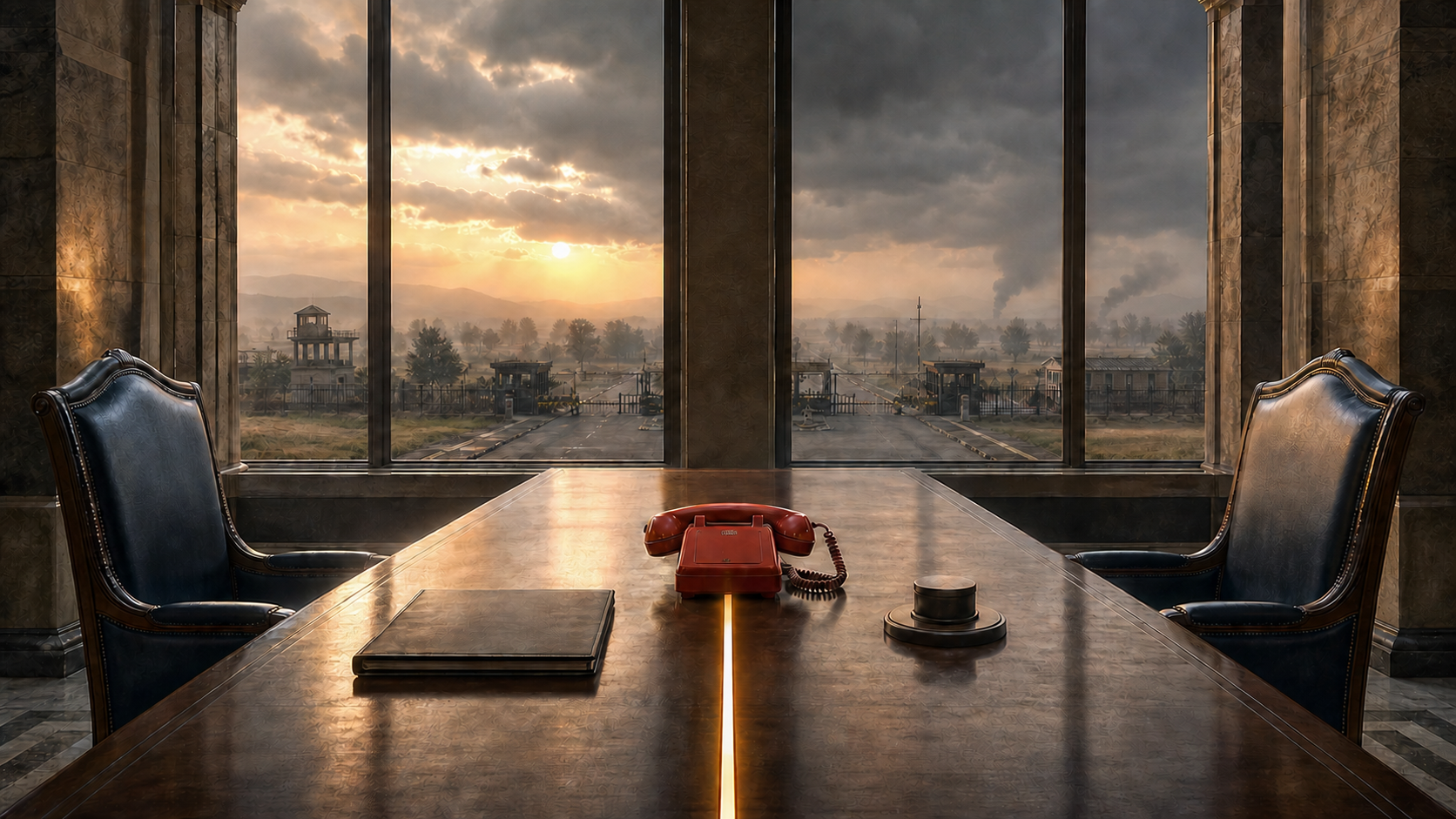
Debate over India-Pakistan dialogue after terrorism is often reduced to a false choice: either endorse comprehensive talks or accept permanent confrontation. A more useful approach distinguishes the communication needed to manage danger from the political normalisation that restores diplomatic, economic and strategic benefits.
The central policy question is therefore not whether dialogue is good in principle. It is which channel should address which problem, what the other side can credibly deliver, how compliance will be verified and what follows if violence or support for violence continues.
Dialogue after terror is not an all-or-nothing decision
Communication and reconciliation are different undertakings. Nuclear-armed neighbours may need military hotlines, crisis signalling, consular coordination and narrowly defined humanitarian arrangements even when their wider political relationship remains frozen. Such contact can reduce misunderstanding without implying that the conditions for normal relations have been restored.
Comprehensive engagement carries a different meaning. Reinstating senior diplomatic representation, reopening transport and trade links, expanding visas and negotiating disputed political questions together create a substantial normalisation package. The supplied DharmaRenaissance article reports that a 2026 open letter sought measures across this spectrum, including restored high commissioners, normal visa services, reopened airspace, the Attari-Wagah route and the Srinagar-Muzaffarabad bus service. It also says the letter advocated renewed discussion of outstanding disputes and consideration of ideas associated with negotiations conducted between 2004 and 2007.
Those proposals cannot be assessed responsibly under a single label such as peace. A military hotline can be retained primarily to prevent escalation. A medical visa can relieve an identifiable hardship. Demilitarisation or negotiations over Jammu and Kashmir, by contrast, affect enduring security interests and require much stronger political authority, verification and safeguards. The practical task is to disaggregate the package before deciding which elements are justified.
Different channels solve different problems

Official negotiations, commonly described as Track One diplomacy, are appropriate when governments are prepared to make commitments and possess the authority to implement them. Track 1.5 meetings combine serving officials with non-governmental specialists in a less formal setting. Track Two discussions involve former officials, scholars, veterans and policy experts, while Track Three initiatives bring in civil-society, professional, religious or community participants.
These channels should be judged by function rather than prestige. Informal meetings can test ideas, clarify threat perceptions and preserve contacts during an official freeze. According to the supplied article, reports of a Track 1.5 meeting in Colombo in June 2026 described discussions covering crisis communication, terrorism and water. That limited agenda illustrates a defensible use of informal engagement: exploring risks without automatically promising a bilateral reset.
The same channels have firm limits. Civil-society participants can recommend, interpret and transmit, but they generally cannot order security institutions to act, verify the dismantling of violent networks or bind a government to enforceable commitments. An unofficial forum may help discover whether an idea is worth pursuing; it cannot serve as evidence that the conditions for normalisation have already been met.
Transparency also matters. Where security considerations permit, organisers should disclose sponsorship, participant selection and the route by which recommendations are expected to reach decision-makers. This does not make foreign-supported or elite-led dialogue illegitimate by definition. It allows the public to distinguish exploratory discussion from representative diplomacy and to evaluate possible institutional incentives.
Normalisation needs proof, reciprocity and an enforcing institution
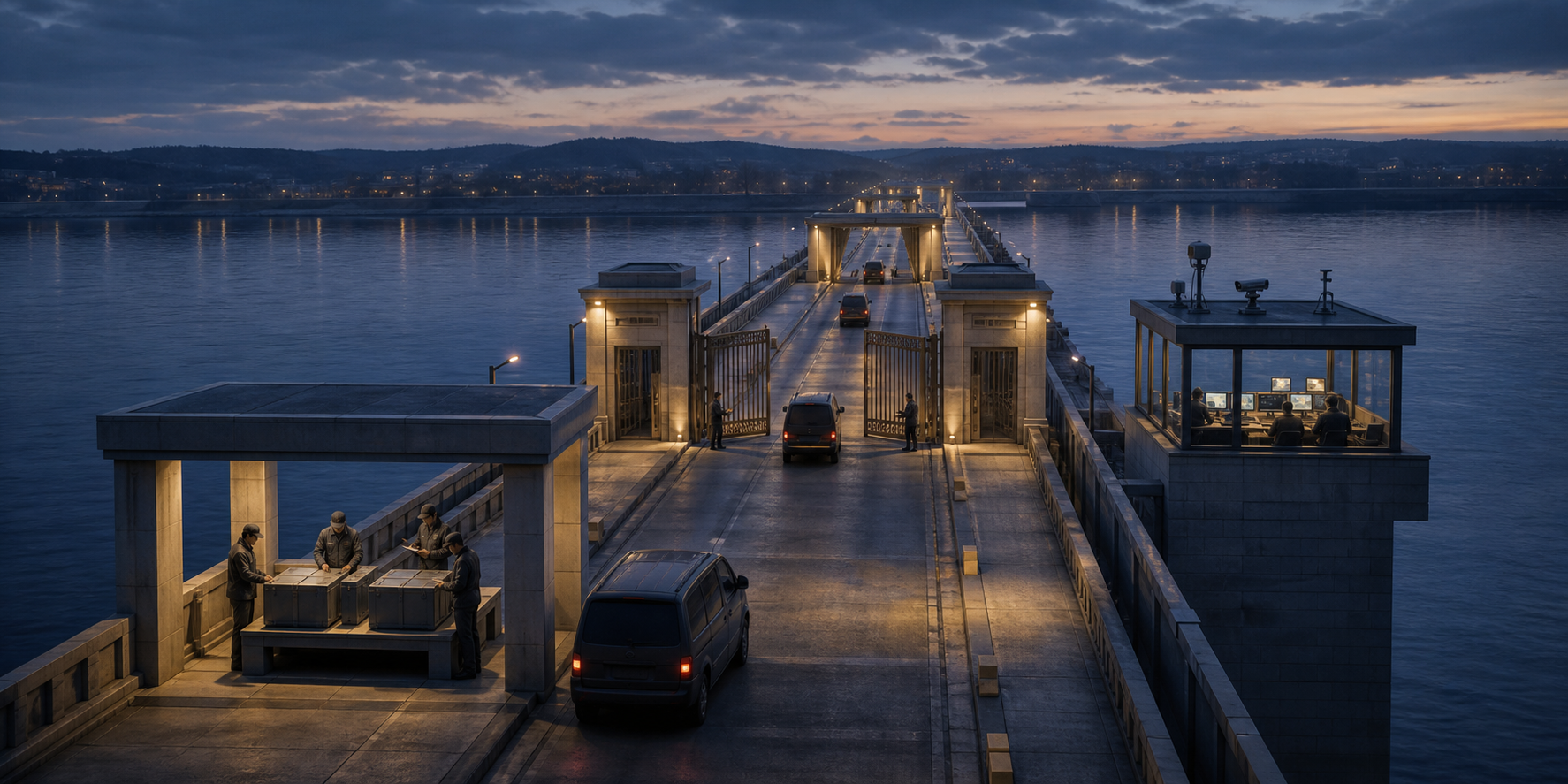
The decisive issue after terrorism is not the sincerity of a peace appeal but the capacity and willingness of institutions across the border to change relevant conduct. A credible proposal must identify the actor able to implement a promise. A civilian statement has limited operational value if another institution controls the policy in question or can reverse it without consequence.
Every substantial step should therefore answer four questions. The first is what observable conduct is required. The second is who can deliver it. The third is how India will verify performance rather than rely on declarations. The fourth is what pre-agreed consequence follows a breach. Without those elements, concessions may provide the appearance and benefits of normality before the underlying security problem has changed.
Historical memory explains why this burden of proof is politically significant. The supplied article invokes Prime Minister Atal Bihari Vajpayee’s Lahore visit in February 1999 and the subsequent Kargil intrusion as an example of outreach followed by aggression. That episode does not logically establish that every future initiative must fail. It does establish why symbolic gestures alone cannot carry the weight of a security assessment.
Conditional engagement is consequently more precise than either automatic dialogue or a permanent prohibition on contact. Initial measures can be narrow, reversible and tied to conduct. Expansion can follow verified performance, while suspension can follow material violation. Reciprocity need not mean identical actions by both sides; it means that each benefit is matched by a relevant obligation rather than granted in anticipation of unspecified goodwill.
Humanitarian relief should be separated from political concessions
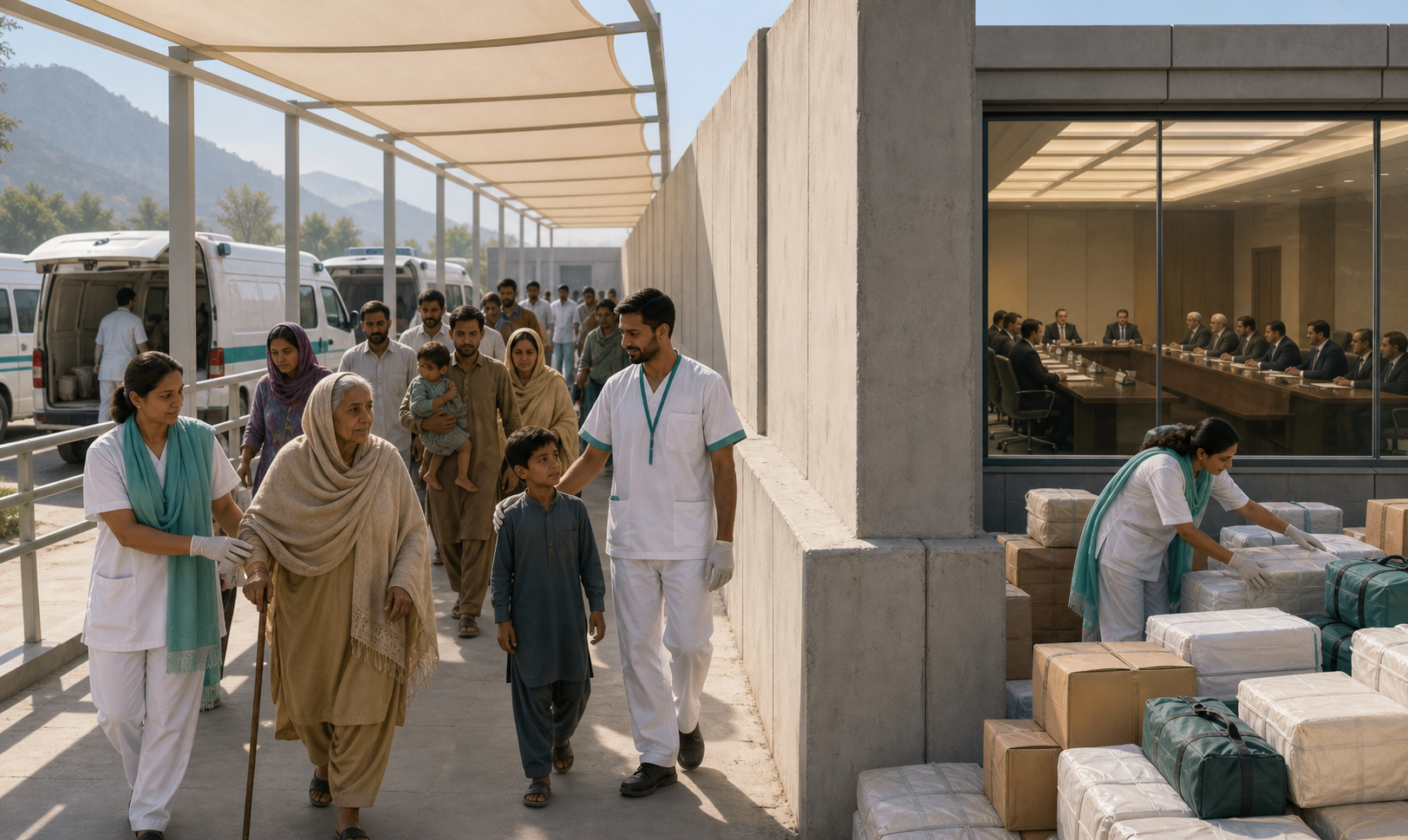
A security-centred policy need not treat civilians, pilgrims and divided families as instruments of collective pressure. The supplied article notes the humanitarian value of visas, religious access and cross-border family contact. It reports that the 2026 letter supported access involving the Kartarpur Sahib Corridor, Sharada Peeth and other cultural or religious sites.
These measures still require screening and operational safeguards, but they do not have to wait for agreement on every political dispute. Medical visas, verified family cases, prisoner information and carefully administered pilgrimage access can be examined as separate files. Their objectives are concrete, their eligible beneficiaries can be defined and their operation can be reviewed periodically.
Trade corridors, unrestricted travel and wider diplomatic restoration require a different risk calculation because they produce broader and more durable benefits. Sequencing prevents a humanitarian claim from becoming an argument for unrelated strategic concessions. It also protects humanitarian arrangements from collapsing whenever comprehensive political talks stall.
Key takeaways
- Maintain communication needed for crisis control without treating it as proof of political reconciliation.
- Separate consular and humanitarian measures from trade, territorial negotiations, demilitarisation and full diplomatic normalisation.
- Match each diplomatic channel to its authority: informal forums can explore ideas, but only empowered institutions can make and enforce commitments.
- Require observable conduct, credible verification, reciprocity and defined consequences before granting substantial or difficult-to-reverse benefits.
- Expand engagement in stages only when prior commitments have produced measurable performance.
The most workable path is a reversible ladder rather than a dramatic reset: preserve emergency communication, protect carefully screened humanitarian contact and make every broader step contingent on demonstrated conduct. Future dialogue will be sustainable only if it reduces security risk instead of merely changing the atmosphere around it.
References
Only one source article was included in the supplied material. Its descriptions of open letters, meetings and third-party reporting are presented here as source-attributed claims rather than independently corroborated facts.
- DharmaRenaissance Blog – India-Pakistan Talks After Terror: A Hard-Edged Framework for Lasting Peace