-
The Indus Waters Treaty Reckoning: How Nehruvian Statecraft Cost Bharat Leverage

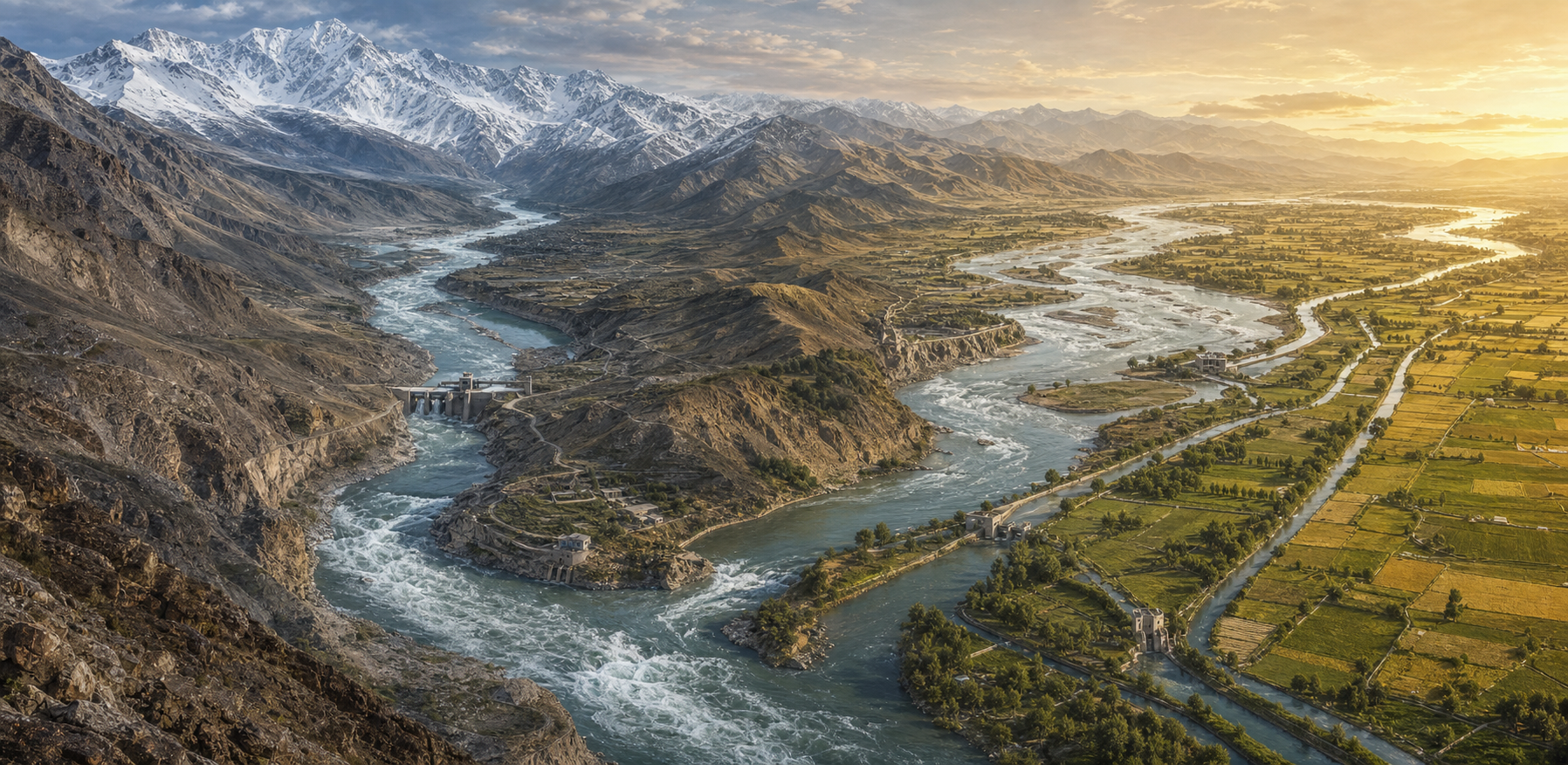
This analysis separates hydraulic fact from televised spectacle in the debate over the Indus Waters Treaty. It explains how the 1960 pact divided the six-river system, why the familiar 80:20 shorthand requires context, and what rights Bharat retained on the western rivers. It assesses Jawaharlal Nehru’s settlement in its post-Partition setting while identifying the strategic…
-
India–Pakistan Talks After Terror: A Hard-Edged Framework for Lasting Peace

This long-form analysis examines why renewed calls for India–Pakistan dialogue provoke deep scepticism after repeated cycles of outreach, aggression and terrorism. It explains the 2026 open letter signed by 117 Indian and Pakistani public figures and evaluates its proposals individually. The discussion distinguishes crisis communication, humanitarian engagement, religious access, Track Two diplomacy and comprehensive political…
-
Indus Waters Treaty After Pahalgam: The Strategic Pause India Could Not Ignore

The Indus Waters Treaty pause after the Pahalgam terrorist attack was not a sudden diplomatic impulse but the result of years of legal, strategic, and security tensions. This analysis explains how Article 370, India’s 2023 modification notice, and the Kishenganga-Ratle dispute created the background for the 23 April 2025 decision. It clarifies what abeyance means,…
-
Indus Waters Treaty Crisis: Why Bharat’s Firm Stand Defends Legal Order

India’s rejection of the Hague-based Court of Arbitration ruling on the Indus Waters Treaty rests on a jurisdictional argument, not merely diplomatic disagreement. The dispute turns on whether technical objections to Indian hydroelectric projects should proceed through the Neutral Expert mechanism before any arbitration process is triggered. India argues that parallel proceedings undermine the treaty’s…
-
Indus Waters Treaty Exposed: How Legal Warfare Became a Powerful Weapon Against India

This analysis explains how the Indus Waters Treaty evolved from a water-sharing settlement into a contested instrument of legal and strategic pressure. It examines how Pakistan’s recurring objections to Indian hydropower projects on the western rivers have often imposed delay even when India’s core technical position survived scrutiny. The Baglihar, Kishanganga, and Ratle disputes show…
-
Indus Waters Treaty: The Fragile Pact That Survived Wars But Faces a Hard Reckoning

The Indus Waters Treaty is often celebrated as a rare India-Pakistan agreement that survived wars, terrorism crises, and decades of diplomatic hostility. This analysis explains why survival alone is not the same as success. It examines the treaty’s 1960 structure, the division of eastern and western rivers, the role of the Permanent Indus Commission, and…
-
Why Bharat’s PL-15 Shock Demands More Than a Powerful Long-Range Missile

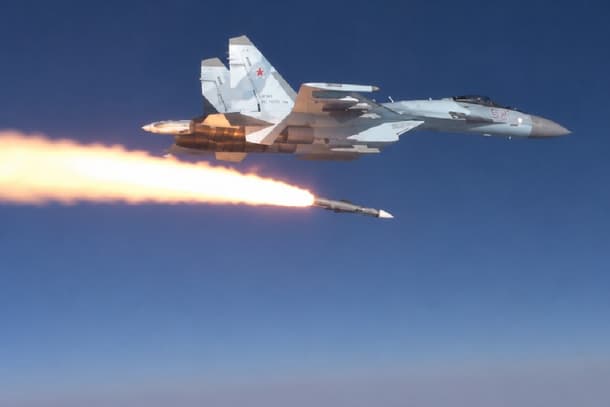
Bharat’s reported interest in the Russian R-37M missile is best understood as an interim response to Pakistan’s J-10C and PL-15 combination, not as a complete solution. The PL-15 challenge is rooted in networked air warfare, where sensors, datalinks, AEW&C aircraft, electronic warfare, and pilot training matter as much as missile range. The R-37M can threaten…
-
Gwadar’s High-Stakes Gamble: Why Russia’s CPEC Option Alarms Bharat

Russia’s possible use of Gwadar Port is a high-stakes geopolitical issue because Gwadar is tied to CPEC, China’s Belt and Road Initiative, and Pakistan-occupied territory claimed by Bharat. The proposal offers Moscow a potential non-Western trade route at a time of sanctions pressure, while giving Pakistan diplomatic validation for its corridor strategy. However, the risks…
-
Indus Waters Treaty Explained: Powerful Rivers, Partition, and Bharat’s Water Legacy

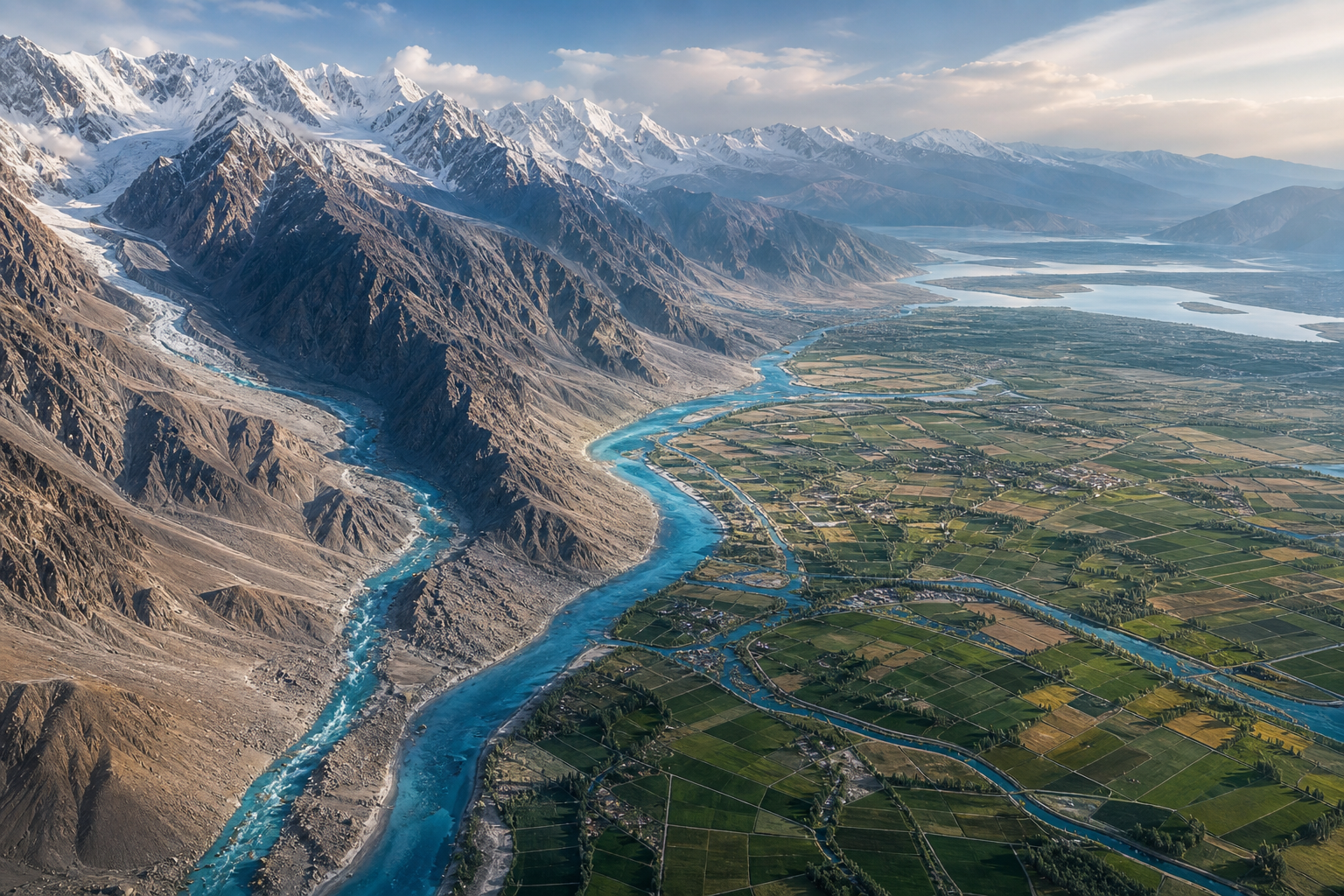
This long-form analysis explains why the Indus Waters Treaty is not merely a legal agreement but a civilisational, agricultural, and geopolitical turning point. It traces the Indus basin from Harappan water management and British canal engineering to Partition and the 1960 treaty. The piece clarifies how the Ravi, Beas, Sutlej, Indus, Jhelum, and Chenab were…
-
Beyond Outrage: Fact-checking ‘Sunrisers Leeds’ and the Realities of India–Pakistan Cricket

A viral claim alleged that Kavya Maran purchased Pakistani leg-spinner Abrar Ahmed for a team called ‘Sunrisers Leeds’ in a The Hundred 2026 “auction” for ₹2.34 crore ($255,000). A careful review of The Hundred’s structure shows that Leeds is represented by Northern Superchargers, not a ‘Sunrisers’ entity, and that teams are centrally governed by the…
-
India–Pakistan Cricket Showdown: HJS Decries T20 Clash, ‘Terror and Sports Cannot Coexist’

Hindu Janajagruti Samiti (HJS) has objected to the India–Pakistan T20 World Cup match scheduled for February 15, stating that “terror and sports cannot coexist.” The stance situates the fixture within a broader ethical and national security debate. Readers gain context about why India–Pakistan cricket carries unique geopolitical and emotional significance. The piece balances sports diplomacy…
-
Essential Breakthroughs: How Narendra Modi’s Decade Transformed IndiaMy Firsthand View

In this personal reflection, I share how India has become almost unrecognisable over the past decadepowered by essential breakthroughs in governance, the economy, and culture. From UPI and Direct Benefit Transfer to GST and an unapologetic India-first foreign policy, I trace the irreversible shifts that redefined stability and national confidence. I revisit the surprise abolition…
-
How Operation Polo Aborted a Pakistan in South India

The article explores the historical intricacies behind the liberation of Hyderabad, shedding light on the oppressive regime of the Nizams and the atrocities committed by the Razakars against the Hindu populace. It discusses the missed opportunity of the Marathas to dismantle the Nizam’s rule, attributing it to historical factors that allowed the Nizams’ sustained dominance.…
-
Hunting Khalistani Network And Question of Intelligence Agencies

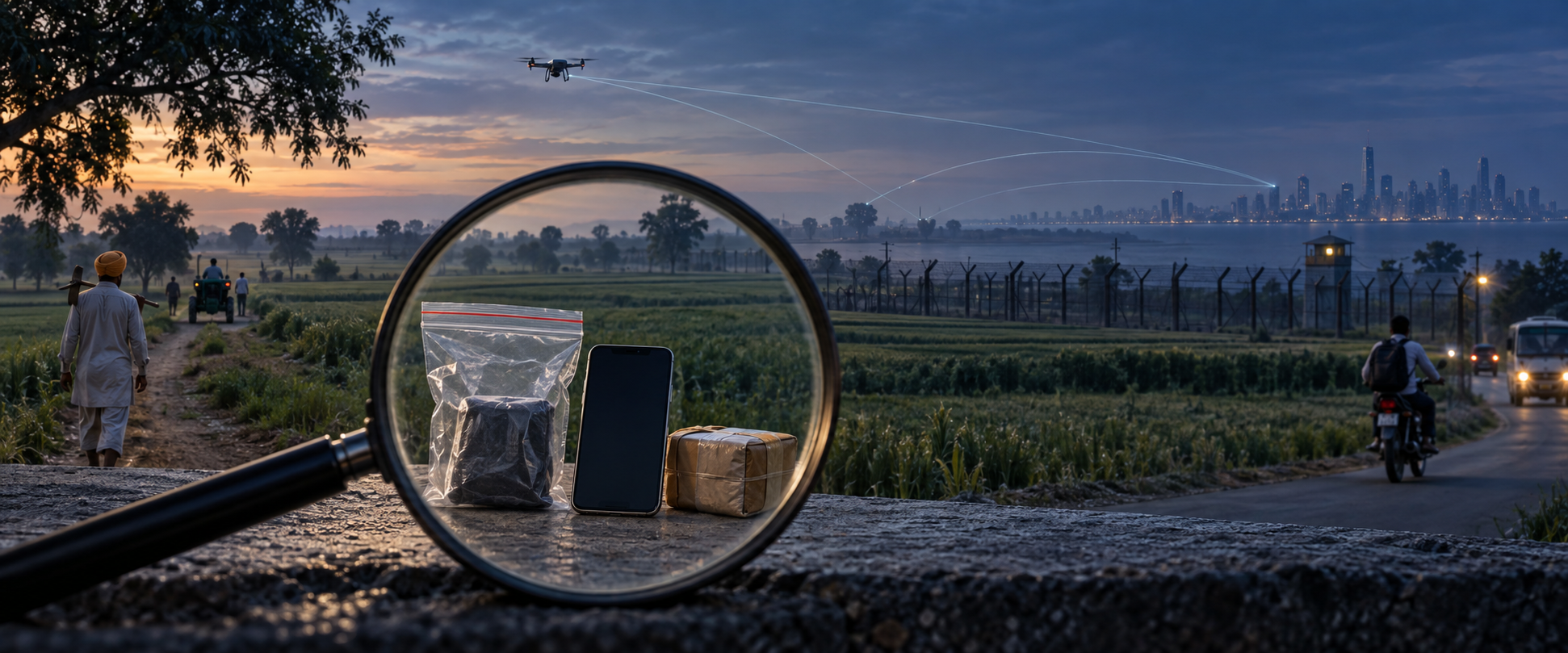
In this blog post, I delve into a series of mysterious assassinations of Khalistani leaders over the past few months and explore the potential involvement of intelligence agencies, particularly India’s R&AW and Pakistan’s ISI. The killings raise questions about the motives behind these targeted hits, which weakened the Khalistani network. While R&AW might have had…