
-
Transcending Tapa-traya: Śrīmad Bhāgavatam 4.29.32 on Time, Karma, and Lasting Relief

This article presents an academically grounded reading of Śrīmad Bhāgavatam 4.29.32, showing how time, karma, and forgetfulness of the Supreme Lord sustain the threefold miseries of material life (tapa-traya). Readers gain a clear framework to recognize internal, social, and environmental forms of suffering without fatalism. The discussion highlights unity among Dharmic traditions—linking Buddhist dukkha, Jain…
-
Kirtan Rasa 2025: HH Sacinandana Swami’s Hare Krishna in Immersive 4K at Dubai Mela

This 4K documentation of Day 1 at Kirtan Rasa 2025 captures HH Sacinandana Swami leading the Hare Krishna maha-mantra with measured intensity and devotional clarity. The recording highlights how kirtan, rooted in Gaudiya Vaishnavism and embraced by ISKCON communities, fosters focus, calm, and collective harmony. By emphasizing shared values across Hinduism, Buddhism, Jainism, and Sikhism,…
-
Begin Early: The Transformative Power of Youthful Spiritual Practice in Hindu Wisdom

Hindu wisdom encourages beginning spiritual practice in youth, when body and mind are most receptive. Early routines in meditation, yoga, and study establish habits of attention, resilience, and ethical clarity that support lifelong growth. The Upanishads and Bhagavad Gita highlight abhyasa, vairagya, and brahmacharya as practical tools for self-realization. This guidance aligns with the broader…
-
Beyond Status and Titles: Hindu Wisdom on Power, Ego, and the Difference Between Fans and Love

Modern culture often confuses admiration for status with genuine love. Hindu philosophy, supported by the Bhagavad Gita, Upanishads, Vidura-niti, Panchatantra, and the Mahabharata, clarifies that bonds rooted in utility fade when advantage fades. Dharmic traditions agree: love grounded in dharma, maitri, aparigraha, and seva sees the person beyond the pedestal. Readers gain practical indicators to…
-
Muniyandi Temple’s Sacred Biryani: Ninety Years of Faith, Food, and Community in Tamil Nadu

In Vadakkampatti, Thirumangalam taluk, Madurai district, the Muniyandi Swami temple has served Mutton Biryani Prasadam for nearly ninety years, blending devotion with daily sustenance. Held in the third week of January, the festival frames food as sacred, linking annadanam with community care. Carefully prepared and ritually offered, the biryani prasadam is shared among all, reinforcing…
-
Bangladesh’s Escalating Attacks on Hindus: Six Killed in 18 Days, Urgent Calls for Justice

Reports from Bangladesh point to a sharp rise in targeted attacks against Hindus, with two killings in 24 hours and at least six deaths in 18 days. Community testimonies and video evidence circulating online suggest a pattern of intimidation that has heightened fears and disrupted daily life. The case of Sarat Chakraborty Moni—allegedly extorted and…
-
January 14, 2026 Panchang: Krishna Paksha Ekadashi to Dwadashi Timing, Tithi & Guidance

Wednesday, January 14, 2026 features Krishna Paksha Ekadashi until 5:59 PM, transitioning to Krishna Paksha Dwadashi thereafter. This precise Tithi timing helps devotees plan Ekadashi fasting and Dwadashi Parana in accordance with local Panchang guidance. Because sunrise and Parana muhurat vary by region, consulting a trusted, region-specific calendar is advised. The day’s observance highlights simplicity…
-
Varudhini and Pravarakhya: Timeless Dharmic Love That Shaped King Swarochi and Manu Swarochisha

This academic retelling presents the Story of Varudhini and Pravarakhya as a timeless dharmic love narrative linked to the births of King Swarochi and Manu Swarochisha. Centered on the River Varuna, it highlights ritual discipline, hospitality, and karmic fruition. Readers gain a clear, accessible overview that preserves accuracy while enhancing readability. The piece emphasizes unity…
-
Irumudi’s Sacred Power in Sabarimala Yatra: Symbolism, Ritual Practice, and Devotional Unity

This article explains the Irumudi’s central role in the Sabarimala Yatra and how it embodies the ideals of Ayyappa Deeksha. Readers learn why the two-compartment structure matters, what the neythenga (ghee-filled coconut) symbolizes, and how the offering is used in abhishekam at Sabarimala Ayyappa Temple. The preparation rite (Irumudi kettu) is described with attention to…
-
Sacred River Bathing: Timeless Rituals, Inner Renewal, and Shared Dharmic Heritage

Taking a dip in sacred rivers like the Ganga, Yamuna, Godavari, Narmada, and Cauvery continues to unite spiritual practice with daily life across India. Rooted in tirtha snana and observed during cycles such as Magh Snan and Karthika Masam, the ritual offers emotional renewal, mindfulness, and a sense of belonging. Scenes at dawn—quiet mantras, cool…
-
Annanmar Swamy of Kongu Nadu: Living Legacy and Valor of Ponnar–Shankar in Tamil History

Rooted in the Cauvery basin of Kongu Nadu, the legend of Annanmar Swamy—Ponnar and Shankar—preserves a 500-year-old tradition of valor and dharma in Tamil history. This concise account explains their veneration across village shrines, the cultural memory that sustains their story, and the film “PONNAR SHANKAR” that introduced the legend to wider audiences. Readers gain…
-
Ganesh Jayanti 2026 (Maghi Ganesha Jayanthi): Date, Puja Guide, Regional Traditions, Significance
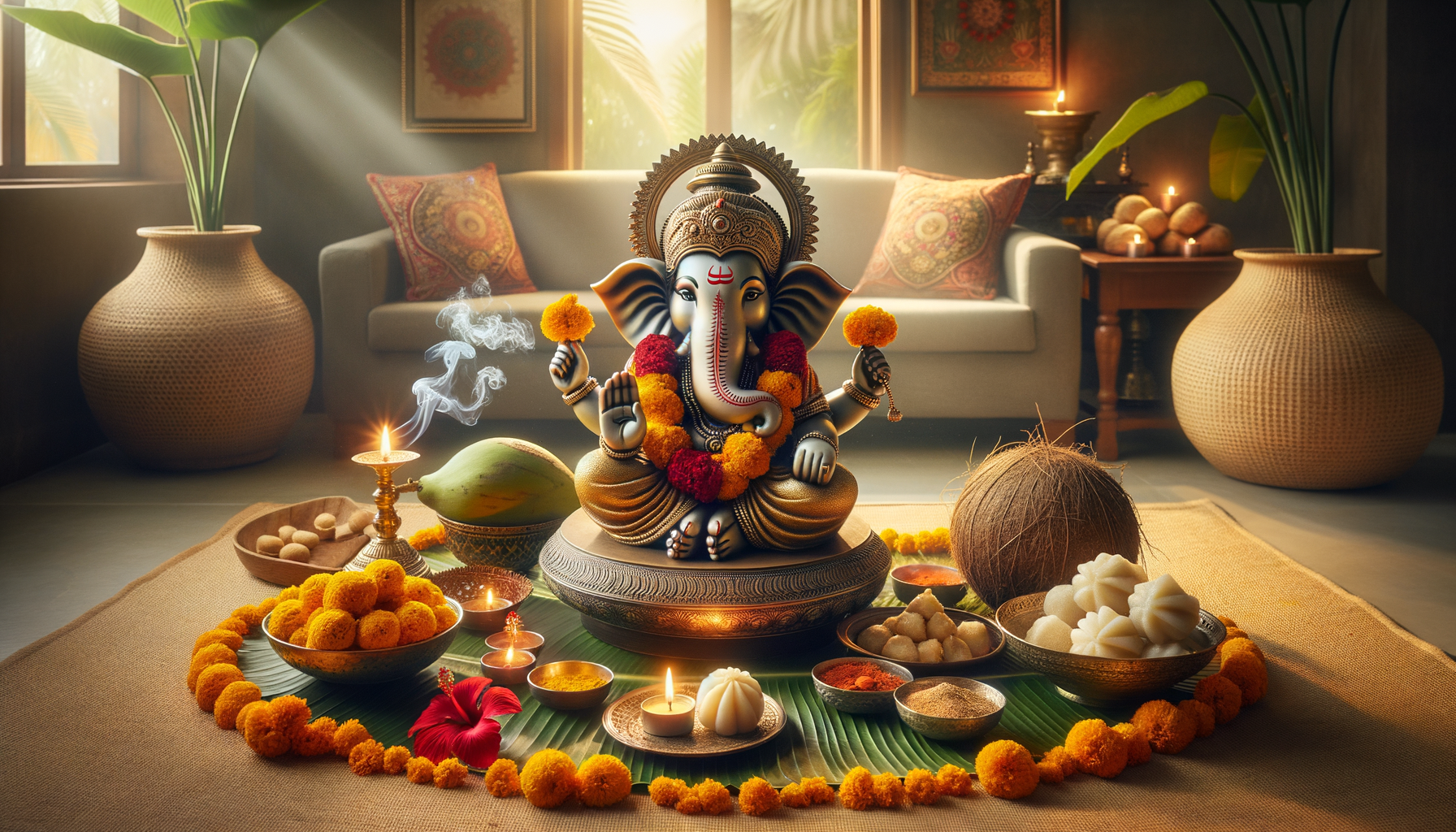
Ganesh Jayanti 2026 (Maghi Ganesha Jayanthi) falls on Thursday, 22 January, corresponding to Magha Shukla Paksha Chaturthi in the Hindu calendar. Widely observed in Maharashtra and in parts of Karnataka and Goa, the festival honors Lord Ganesha as the remover of obstacles and the patron of wisdom and auspicious beginnings. Devotees commonly undertake a simple…
-
The One Question That Reclaimed Time, Energy, and Presence: A Lean Life Approach

This article examines a simple, repeatable method for reclaiming time and energy through values-based decisions and mindful living. It traces a shift from reflexive busyness to intentional presence, beginning with one clarifying question: “Does this bring me value?” A practical audit separates what nourishes from what drains, and small, gentle adjustments replace wasteful patterns. A…
-
Mastering the Warrior Within: Self-Control in Hindu Philosophy for Courage and Clarity

The adage that true warriors first conquer themselves captures a core insight of Hindu philosophy. Self-control anchors dharma, allowing action to be guided by clarity, courage, and compassion. Drawing on the Bhagavad Gita and the disciplines of Yoga—Pranayama, Pratyahara, and Dhyana—this exploration shows how inner mastery transforms reactions into thoughtful responses. The principle resonates across…
-
Sixteen Sacred Days in Jharkhand: An Immersive Guide to Navratri and Durga Puja Heritage

Jharkhand observes a distinctive sixteen-day Navratri and Durga Puja that extends devotion beyond the familiar nine days, aligning with Mahalaya and culminating on Vijayadashami. The longer cycle deepens spiritual focus through Kalash Sthapana, Akhanda Deepa, and Devi Mahatmyam recitations, while showcasing regional arts, eco-conscious idols, and Sal Tree motifs. Community-led prasad distribution and cultural programs…
-
Bhuikot Fort Awakens: A Day with Chhatrapati Shivaji Maharaj Inspires Youth and Seva

Hindu Janajagruti Samiti (HJS) hosted ‘A Day in the Presence of Chhatrapati Shivaji Maharaj’ at Bhuikot Fort, Solapur, uniting youths from Solapur, Akkalkot, and nearby rural areas. The programme combined worship, devotional chanting, a guided fort tour, and a cleanliness drive to blend spiritual reflection with civic action. Participants reported a strong sense of shared…
-
Kshara and Akshara in Hindu Philosophy: Embrace Impermanence, Realize the Eternal

Kshara and akshara illuminate a central insight of Hindu philosophy: the world of change and the reality of the changeless. Drawing on the Bhagavad Gita, Vedanta, and the Upanishads, this exploration shows how recognizing impermanence fosters resilience, clarity, and compassion. It connects Hindu thought with related insights in Buddhism, Jainism, and Sikhism, emphasizing unity among…
-
Avasthatraya Viveka Demystified: A Profound Guide to Vedanta’s Three States of Consciousness

Avasthatraya Viveka offers a clear Vedantic method to understand consciousness across waking (Jagrat), dream (Svapna), and deep sleep (Sushupti). By observing how experiences arise and pass, the inquiry reveals the unchanging witness (Sakshi) present in all states. This insight, central to the Mandukya Upanishad and Advaita Vedanta, refines emotional balance, deepens ethical living, and strengthens…
-
Kubera and Plutus Compared: Timeless Lessons on Ethical Wealth Across Hindu and Greek Traditions

A cross-cultural comparison of Kubera in Hinduism and Plutus (Ploutos) in Greek mythology reveals how civilizations frame wealth as a moral responsibility. Kubera represents ritualized stewardship and the dharmic integration of artha with generosity and social duty. Plutus, by contrast, functions primarily as an allegory in Greek literature, symbolizing the capricious distribution of riches and…
-
Misheard ‘Crishne’, Found Krishna: How Music Sparked a Transformative Dharmic Quest

A simple misspelling—“Crishne” instead of Krishna—sparked a thoughtful journey from music to meaning. Guided by the sounds of Ravi Shankar and George Harrison, curiosity evolved into an informed exploration of Krishna, bhakti, and Hindu philosophy. A chance search led to credible resources, including krishna.com, turning cultural interest into structured learning. The narrative shows how modern…