
-
Why Duryodhana Lost: The Mahabharata’s Powerful Lesson on Strength, Dharma, and Destiny

Duryodhana’s defeat in the Mahabharata, despite commanding Bhishma, Drona, and Karna, reveals a timeless truth: strength without dharma is brittle. The Kaurava cause, rooted in adharma, undermined cohesion, judgment, and morale, while the Pandavas’ moral legitimacy and disciplined strategy produced resilience. Sri Krishna’s counsel fostered clarity and adaptability, contrasting with Duryodhana’s pride and short-term cunning.…
-
Dhritarashtra’s Strategic Gamble: Sending Sanjaya to Arjuna before Kurukshetra
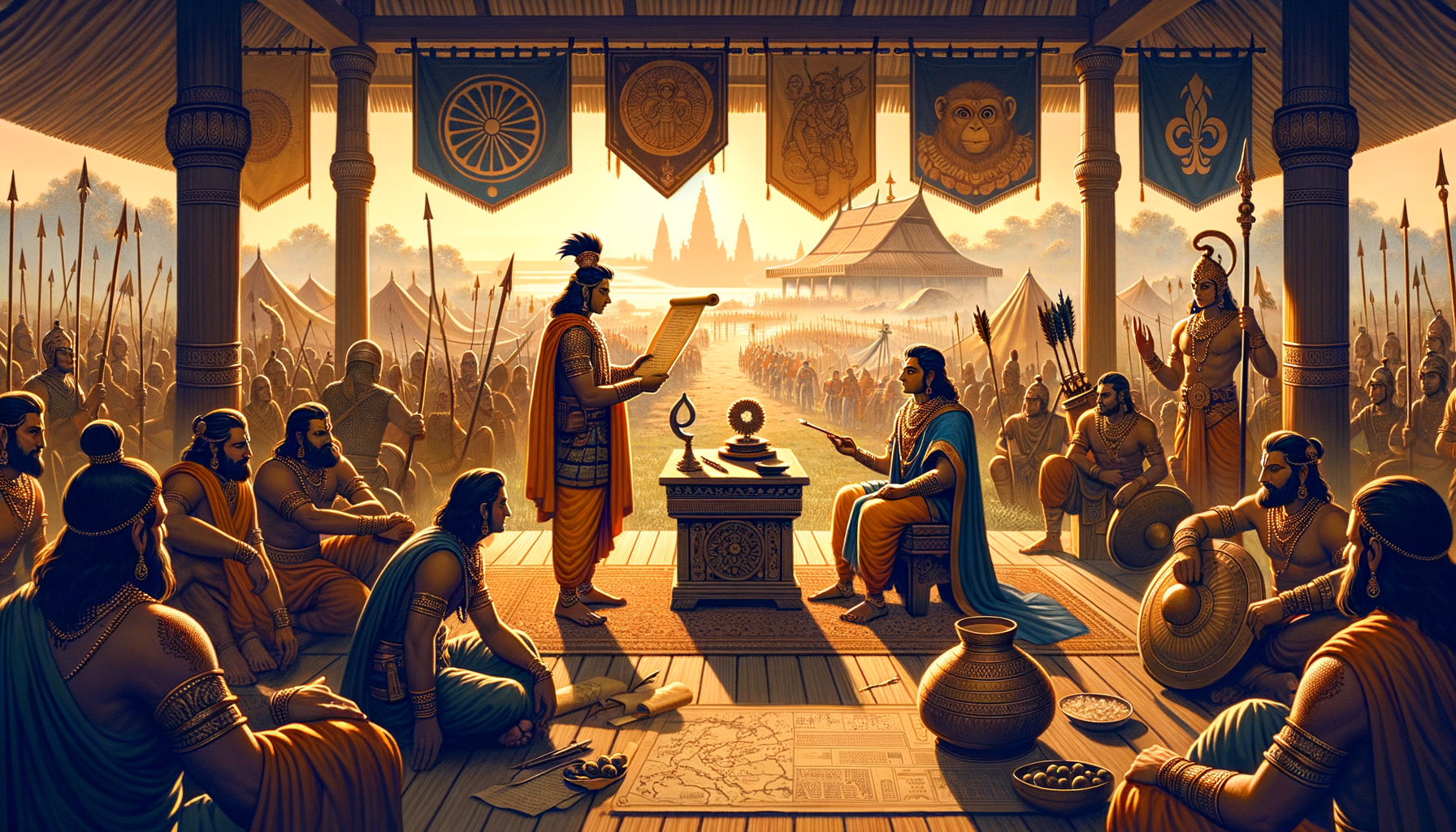
Dhritarashtra’s embassy through Sanjaya in the Udyoga Parva was far more than a perfunctory peace gesture. It legitimized Kuru policy under dharma, gathered intelligence on Pandava readiness, and probed Arjuna’s psychology at the nerve center of their war effort. Addressing Arjuna directly tested resolve, Krishna’s influence, and the possibilities of accommodation without ceding moral ground.…
-
Lal Kitab Remedies for Moon in the 7th House: Nurture Love, Marriage Harmony, and Peace

Lalkitab remedies for Moon in the 7th house focus on restoring emotional balance, strengthening marital harmony, and honoring maternal blessings. Classical guidance emphasizes respect for the mother and compassionate speech to prevent relational decline. Practical steps include Somvar vrat with white offerings, Chandra mantra japa (Om Som Somaya Namah), and charity of milk, rice, and…
-
Vyanjan Dwadashi 2025 (Dec 2): Sacred Significance, Khichdi Bhog, and Krishna Temple Rituals
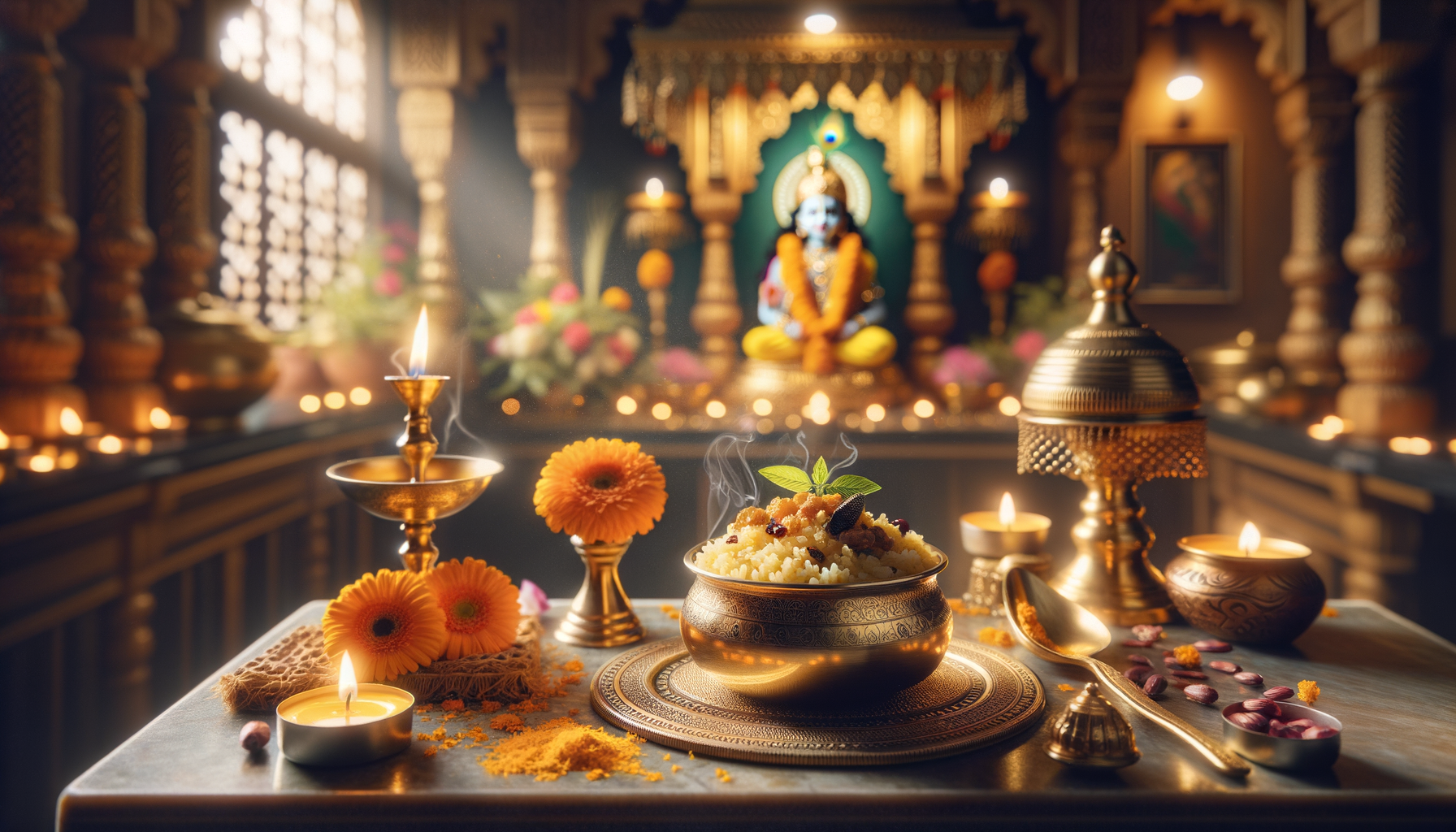
Vyanjan Dwadashi 2025 (Dec 2) falls on Margashirsha Shukla Dwadashi and is marked by the ‘Khichdi bhog’ offering to Sri Radharaman Dev. The observance emphasizes sattvic simplicity, anna-dana, and collective devotion in Krishna temples and ISKCON centers. Families value the warmth of preparing and sharing khichdi as prasada, linking seasonal nourishment with spiritual practice. The…
-
Sant Rishidas of Gujarat: Devotion to Krishna and Timeless Lessons in Compassion and Unity
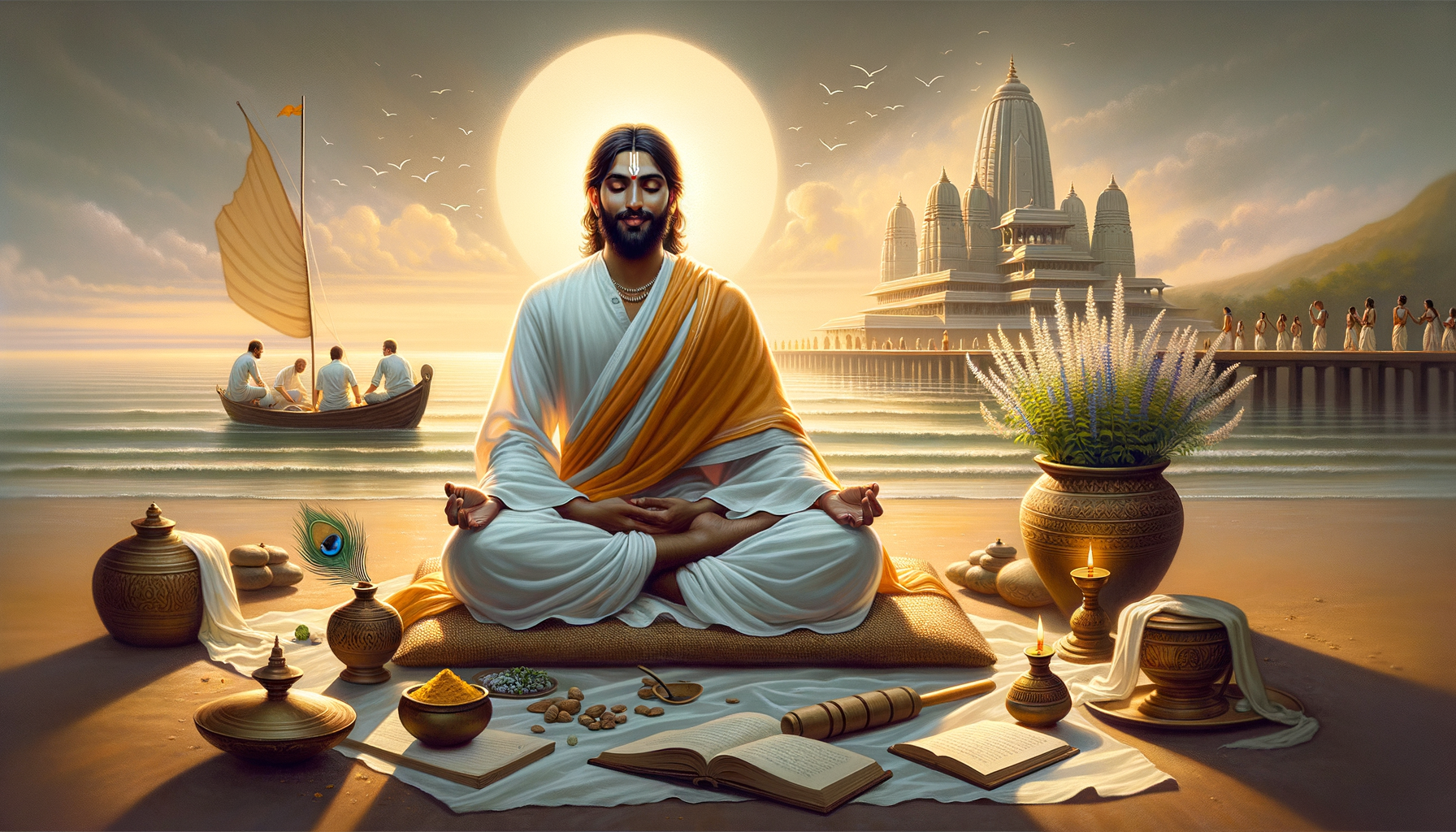
Sant Rishidas is remembered as a 14th-century Gujarati saint whose life reflects the heart of the Bhakti Traditionhumble devotion to Krishna, temple-centered service, and ethical living. Closely connected to Dwaraka through his father’s priestly service at the Shree Dwarkadhish Temple, his legacy illuminates how local devotion nurtures enduring spiritual values. Though historical records are limited,…
-
Lions and Tigers in Hindu Scriptures: Powerful Symbols of Dharma, Shakti, and Dharmic Unity

Lions and tigers in Hindu scriptures symbolize disciplined strength aligned with dharma rather than domination. Narasimha, the man-lion avatar of Vishnu, exemplifies protective ferocity that restores moral order, while Pārvatī and Durga seated on a lion or tiger embody Shakti’s compassionate guardianship. The tiger’s association with Durga and Shiva transforms raw energy into ethical force.…
-
Kartika Vanabhojanam: Sacred Picnics, Community Bonding, and Nature Reverence in Andhra Pradesh
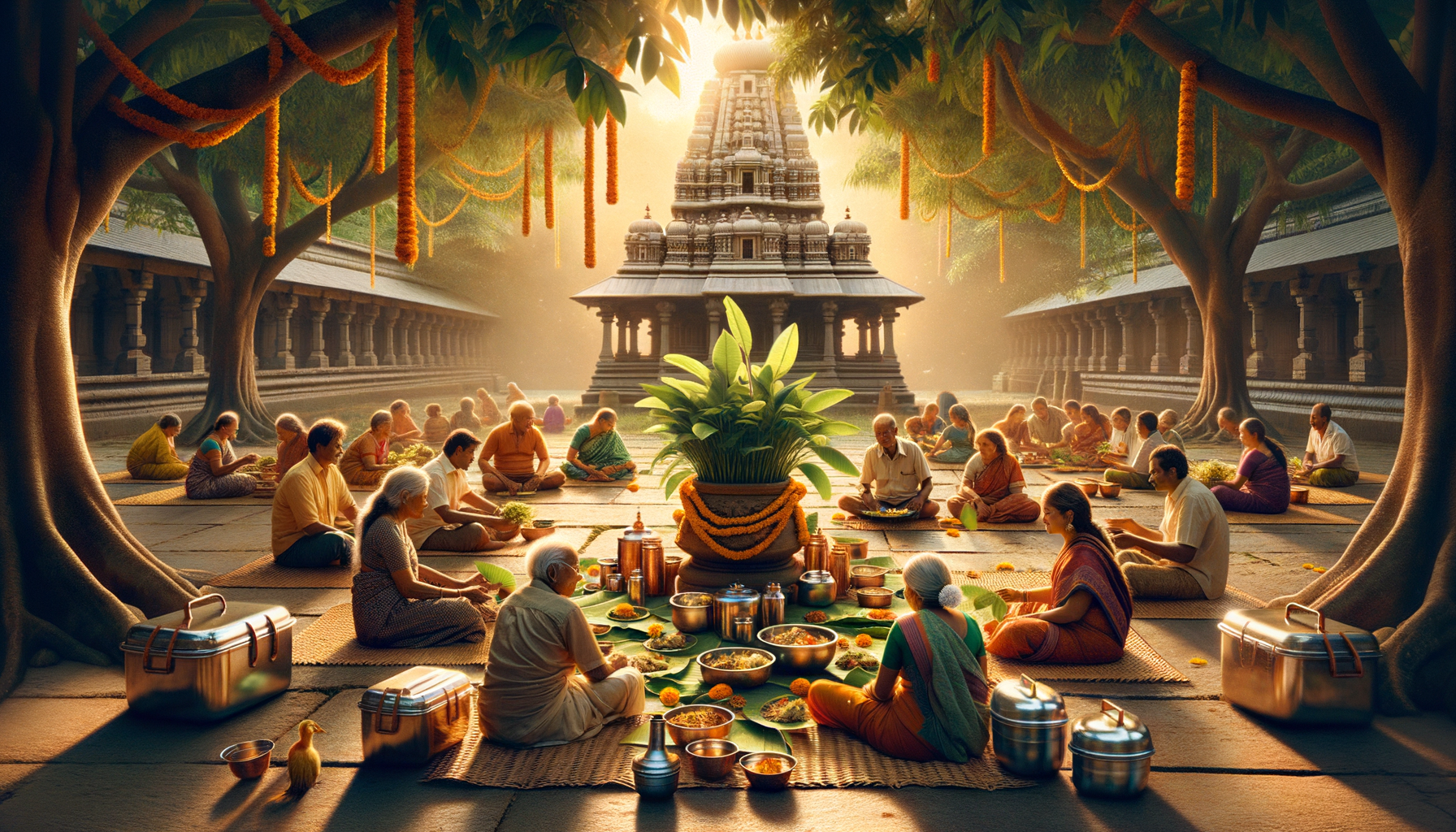
Kartika Vanabhojanam, or Kartika Masa Vana Mahotsavam, is a nature-centric community picnic observed in Andhra Pradesh during Kartika masam. The tradition honors sacred plants such as Tulasi (Ocimum), Usiri (Amla), Bilva, and Durva, aligning devotion with ecological mindfulness. Families and associations gather in temple gardens, groves, or parks to share simple meals, sing devotional songs,…
-
Cowdung and Gomutra: Sacred Ecology for Cleaner Homes, Healthier Soil, and Unity in Dharma
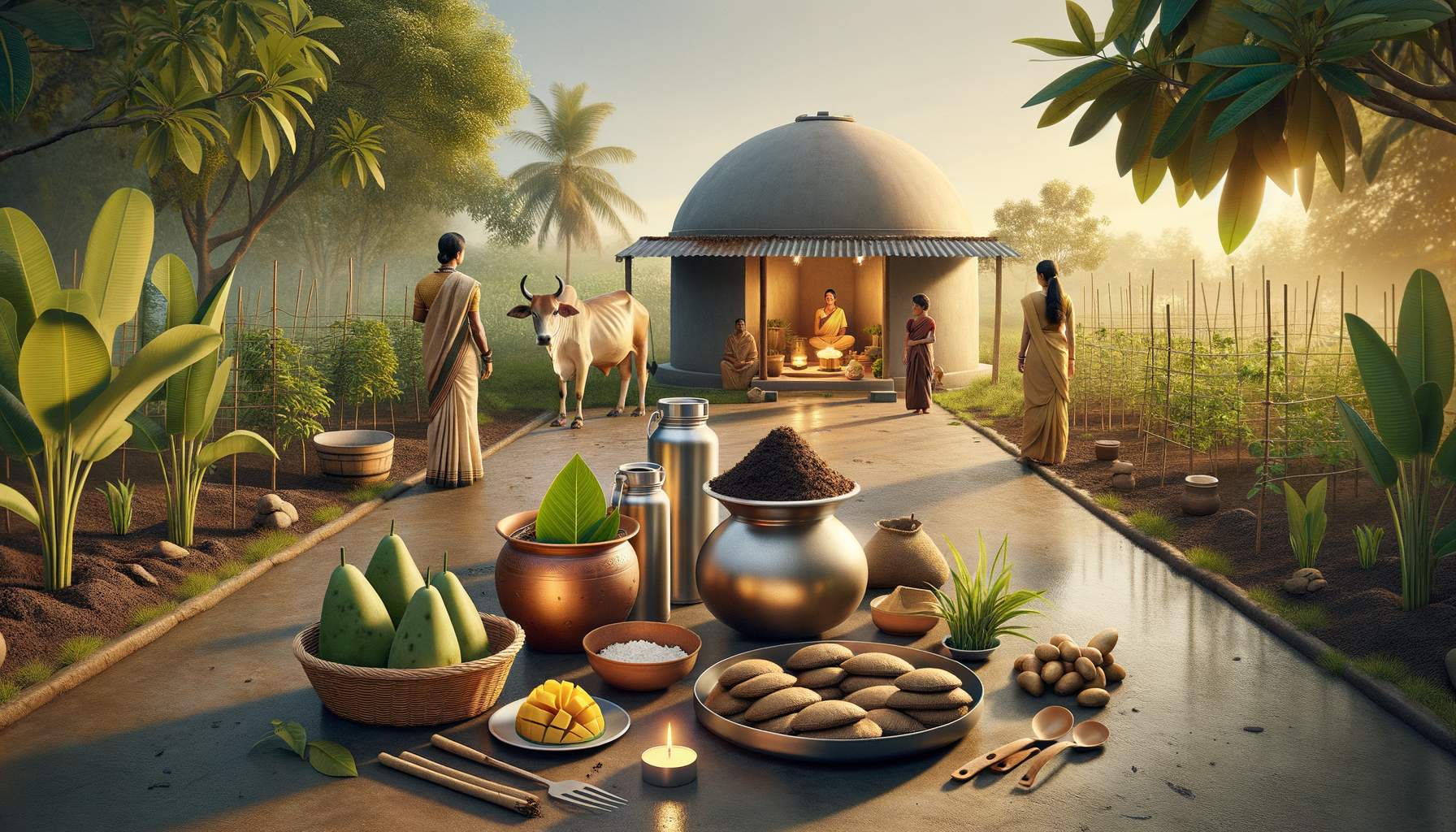
Cow dung (Gomaya/Gomayam) and Gomutra (Gomutram) unite sacred heritage with sustainable living across dharmic traditions. As compost and biogas inputs, they enhance soil health, support clean energy, and reduce chemical dependency. Traditional household uses symbolize ritual purity while encouraging eco-friendly practices when handled hygienically. In Ayurveda, Gomutra appears in regulated formulations, underscoring the need for…
-
Bharani Deepam 2025: Predawn Fire Rite Ignites Karthigai Deepam with Sacred Light

Bharani Deepam, the inaugural rite of Karthigai Deepam, will be observed on December 3, 2025, around 4:00 AM IST. Performed as a fire sacrifice before the Surya temple, it centers on Deeparadhanai with a consecrated bowl of ghee. The predawn timing fosters quiet focus and a shared devotional atmosphere in homes and temples. Devotees often…
-
Tirumala’s Karthika Vana Bhojanam by TTD: Sacred Feast and Snapana Tirumanjanam on 9 Nov 2025
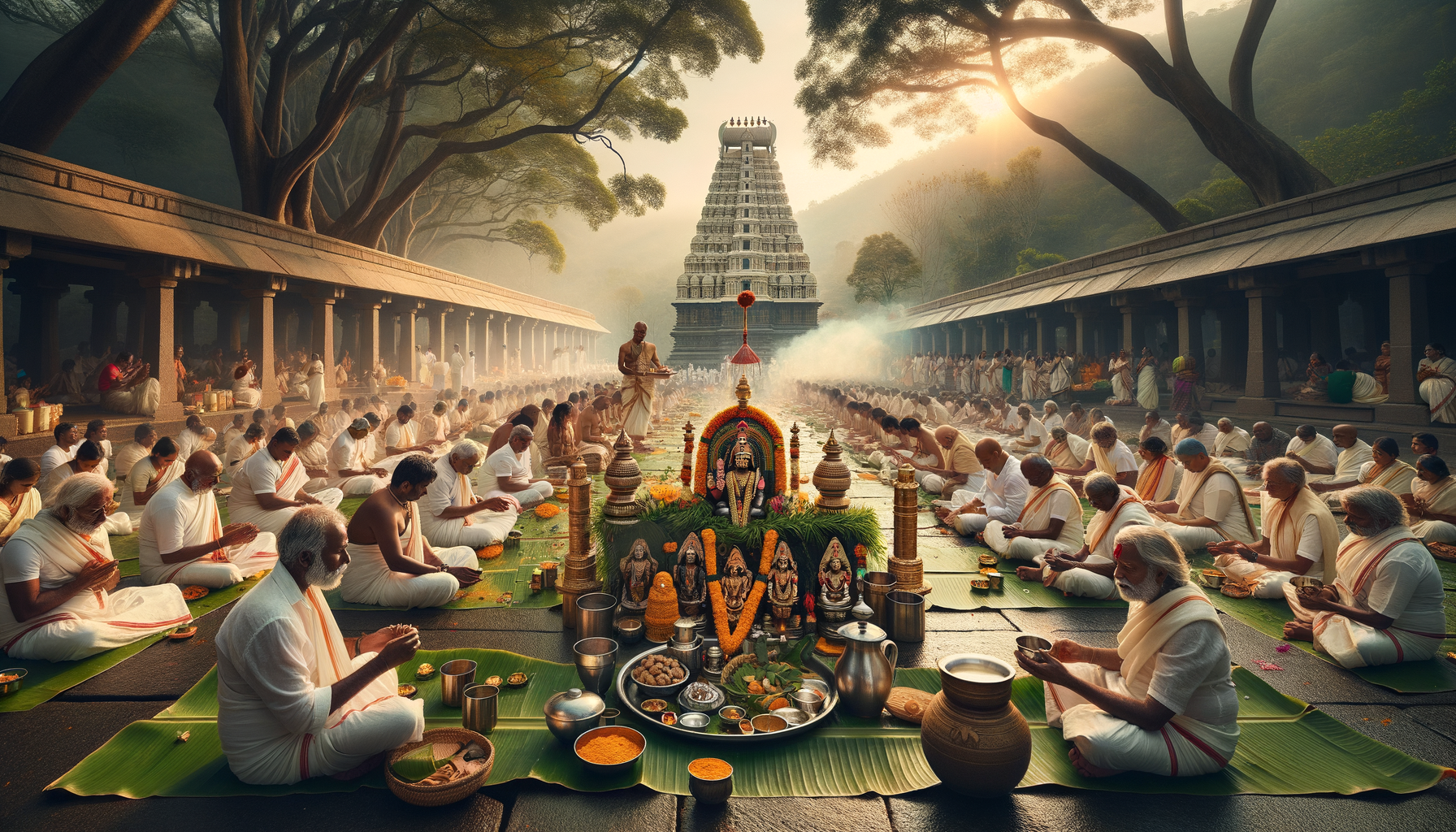
TTD will conduct Karthika Vana Bhojanam at Paruveta Mandapam near Gogarbham, Tirumala, on Sunday, 9 November 2025. Snapana Tirumanjanam to the Utsava Murthies will be performed between 11:00 a.m. and 12:00 noon, followed by the sacred community feast. The sequence from abhisheka to shared prasad reflects the integration of worship, fellowship, and seva central to…
-
‘Vande Mataram’ at 150: Kolhapur’s stirring mass rendition inspires dharmic unity
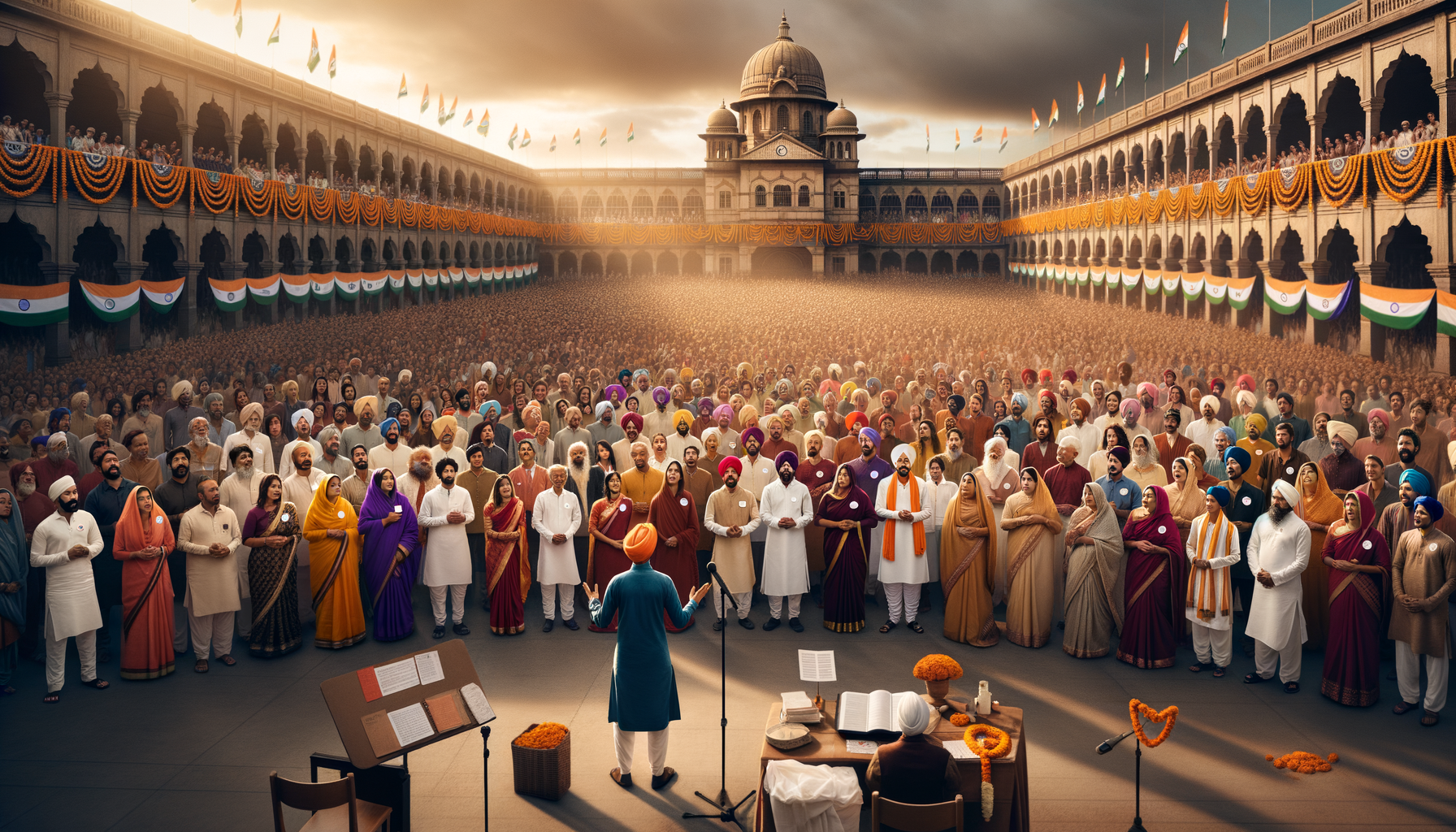
Kolhapur marked the 150th anniversary of ‘Vande Mataram’ with a disciplined, inclusive mass rendition organized by the Hindu Janajagruti Samiti in alignment with the Union Government’s nationwide initiative. The event highlighted how cultural symbols can cultivate civic pride without exclusion. Participants reported a strong sense of belonging as voices converged in a shared expression of…
-
Revisiting ‘Secular’ in India’s Constitution: Sadguru Nilesh Singbal’s Call for Dharmic Unity
Sadguru Nilesh Singbal’s position challenges readers to re-examine how “secular” functions within India’s constitutional framework while calling for reform through Article 368. The analysis situates the debate within the 42nd Amendment and the Supreme Court’s basic structure doctrine, noting that secularism has been judicially recognized as intrinsic to the Constitution. It presents an inclusive, dharmic…
-
SMVD Medical College MBBS Row: Facts, Transparency Demands, and Communal Harmony

A social media claim that 42 of 50 MBBS seats at SMVD Medical College went to Muslim students has triggered public concern in Jammu. Admissions in Jammu and Kashmir are governed by NEET-UG, BOPEE counselling, and constitutionally defined reservationsnot religionso credible resolution depends on verified data. The most constructive response is transparency: publish category-wise merit…
-
Partha and Pārthiva Revealed: Profound Symbolism of the Mortal Seeker in Gita Chapter 1
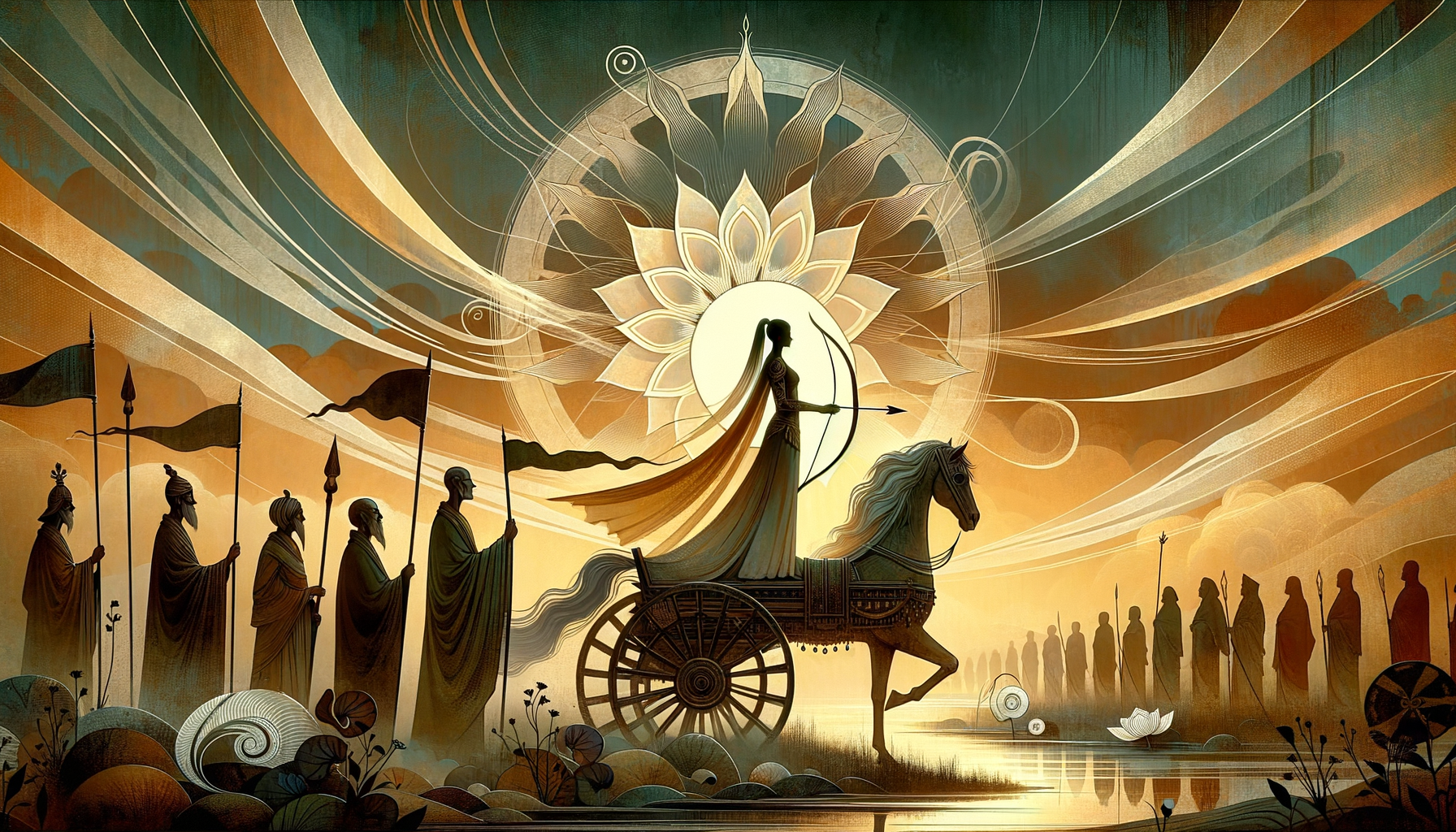
Bhagavad Gita 1.25 uses “Pārtha” to frame Arjuna not merely as a warrior but as a mortal seeker grounded in lineage, responsibility, and dharma. The cognate “pārthiva”earthly, princelydeepens this symbolism, suggesting rulership over the self as the heart of ethical action. Krishna’s selective use of names functions as pedagogy, stabilizing Arjuna amid Kurukshetra’s tumult and…
-
Maharatha vs Atiratha: Timeless Warrior Ranks, Epic Valor, and Kshatra Dharma

This article clarifies the difference between Maharatha and Atiratha as presented in the Hindu epics, showing how these warrior ranks function as ethical and strategic categories rather than poetic embellishments. It explains Maharatha as disciplined excellence and Atiratha as transformative, dharma-aligned leadership on the battlefield. Readers gain a clear, historically grounded understanding rooted in the…
-
Compassion Over Ritual: Transformative Caitanya Bhagavata Insights on jive-daya and Bhakti
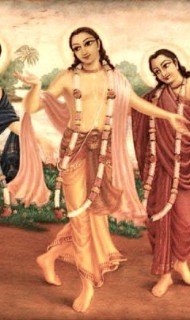
This reflection on Caitanya Bhagavata highlights a central bhakti insight: worship of Lord Visnu is authentic only when paired with jive-daya, or compassion for all beings. Envy or harm toward othersespecially toward a Vaisnava serving Lord Hariundercuts spiritual progress. Rather than condemn, the text guides practitioners to restore empathy, humility, and responsibility. These teachings resonate…
-
When Grief Strikes: Finding Sacred Shelter and Resilience Through Dharmic Compassion
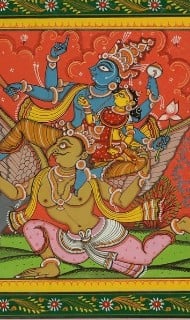
A grieving family sought solace after the sudden loss of their eighteen-year-old son, and the temple community responded with quiet compassion rooted in dharmic wisdom. The encounter highlights how inner orientationnot circumstancescan transform the experience of suffering. Drawing from Hindu, Buddhist, Jain, and Sikh traditions, the narrative emphasizes unity through practices like japa, mindfulness, ahimsa,…
-
Shukratal’s Akshaya Vat: Where Srimad-Bhagavatam Resounded and Dharma Unites Pilgrims
Shukratal in Muzaffarnagar, Uttar Pradesh, is a revered tirtha-yatra destination associated with Srila Sukadeva Goswami’s seven-day recitation of the Srimad-Bhagavatam to Maharaja Pariksit under the Akshaya Vat Vriksha. Its Sri Sukadeva Temple and expansive banyan canopy offer a contemplative atmosphere ideal for listening, reflection, and quiet meditation. The site’s ethos of attentive hearing and ethical…
-
Ramagundam Uproar: Daari Maisamma Temple Demolitions Spark Telangana Protest, Demand Redressal
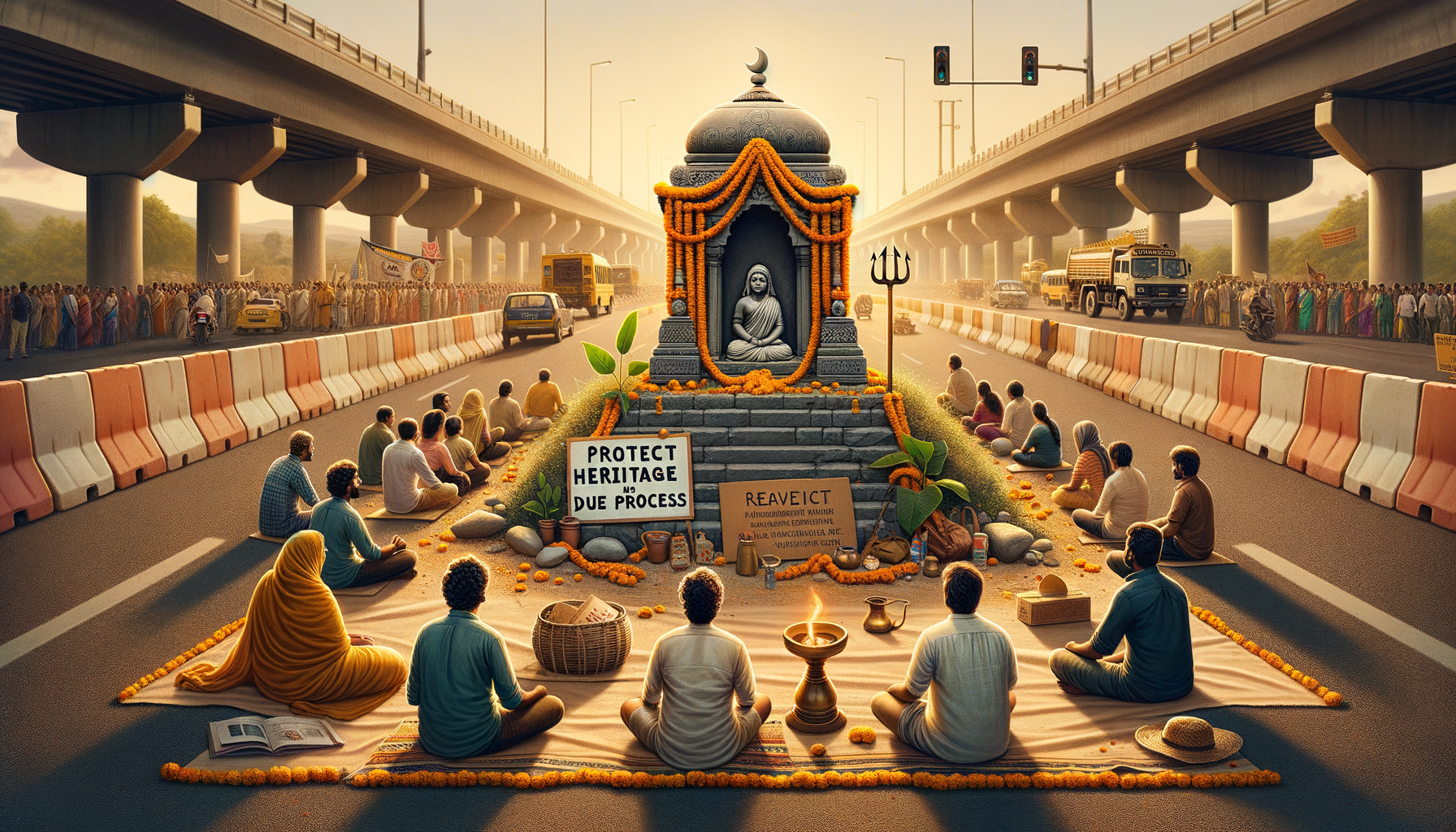
A peaceful dharna in Ramagundam highlighted public concern over the reported removal of Daari Maisamma temples during civic works. The protest centred on due process, transparent inquiry, and culturally sensitive relocation where needed. Community voices described the emotional impact on families for whom these wayside shrines serve as living heritage, especially during Karthika masam. Dharmic…
-
Why a Disciplined Mind Outshines Any Army: Timeless Dharmic Wisdom for Inner Power

The saying, “A well-trained and controlled mind is better than a powerful army,” captures a core dharmic insight: inner discipline surpasses external force. Rooted in the Bhagavad Gita and Raja Yoga, this principle is echoed across Buddhism, Jainism, and Sikhism through practices like mindfulness, Ahimsa, Simran, and Seva. Practical applicationscalm communication, measured leadership, and ethical…