
-
Decoding the First Khanda of Nrisimha Tapaniya: Cosmogony, Anustubh Metre, Fearless Mantra Power

The first khanda of the Nrisimha Tapaniya Upanishad fuses cosmogony with mantra science in the anustubh metre, presenting a disciplined pathway from fear to fearless compassion. Readers gain a clear sense of the text’s Atharvavedic affiliations, its layered pedagogy (phonetics, metre, and meaning), and its integrative practice model involving japa, nyasa, and contemplative visualization. The…
-
Krishna’s Omnipotence Explained: Why Name, Mantra, and Scripture Offer Direct, Daily Companionship

This article explains, in clear Vedic and Bhakti terms, why Krishna’s omnipotence means His words, names, and teachings are non-different from Him, offering direct companionship at any moment. It shows how the concept of shabda as an efficacious, self-revealing medium makes scriptural hearing and mantra recitation a living encounter rather than mere symbolism. Drawing on…
-
Saranyū, Daughter of Tvaṣṭṛ: The Swift Vedic Goddess of Transformation and ṛta

Saranyū, the swift goddess of the Vedas, unites movement, light, and craftsmanship into a single principle: transformation governed by ṛta. Positioned as daughter of Tvaṣṭṛ and wife of the solar Vivasvat, her narrative encodes lawful speed and timely transition. The Aśvins embody her swiftness in service of healing, while the Chāyā motif distinguishes authentic presence…
-
Beyond Ashes: Dharmic Wisdom on Death, Rebirth, and Why Restraint Sustains Our World

Modern discourse often assumes that death ends consciousness. Dharmic traditions—Hinduism, Buddhism, Jainism, and Sikhism—offer a rigorous alternative: the body returns to elements while awareness continues in accordance with karma. This article explains the classical Vedic framework (sthula, sukshma, and karana sharira), unpacks the memorable triad of the body’s material end—stool, ashes, or earth—and situates it…
-
Śrīmad Bhāgavatam 3.22.28 and Nṛsiṁha Caturdaśī: Timeless Dharma, Protective Grace, and Bhakti Power
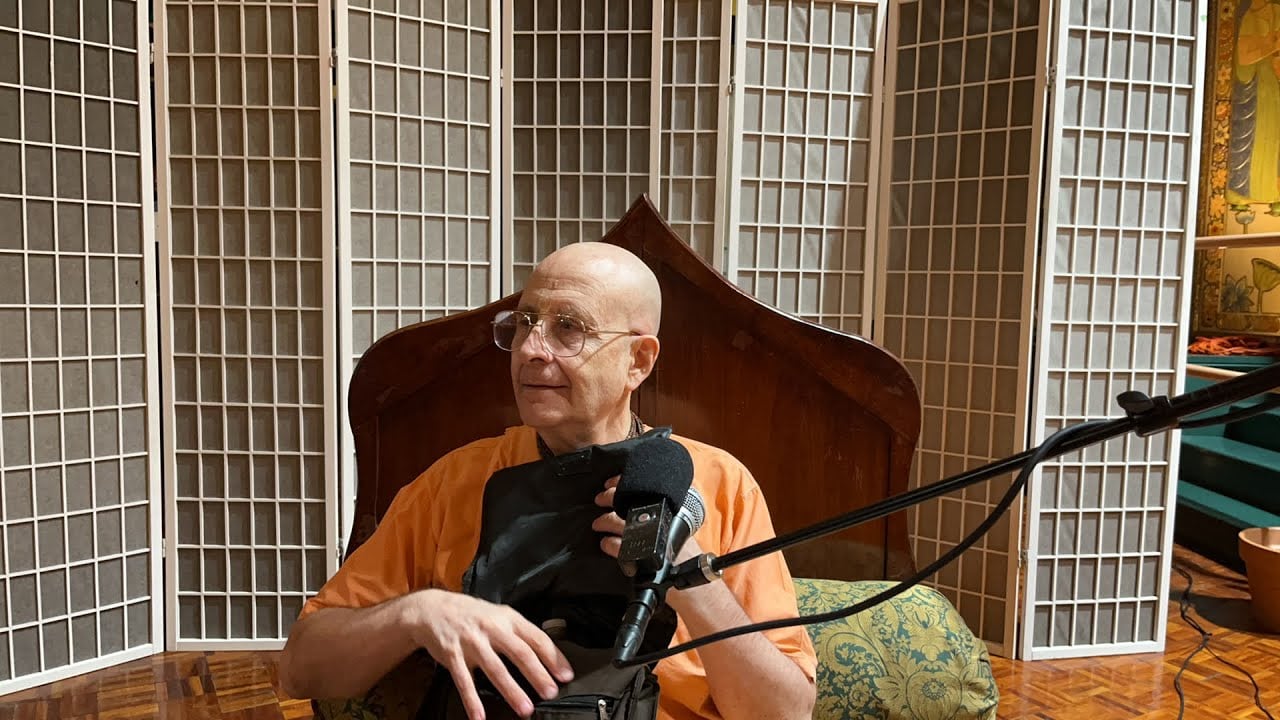
Śrīmad Bhāgavatam 3.22.28 situates household vows within a God-centered ethic, showing how domestic life becomes a disciplined path of bhakti-yoga. Read alongside the devotional mood of Nṛsiṁha Caturdaśī, the verse underscores a unified principle: sincere vows invite protective grace. The Prahlāda–Nṛsiṁha narrative exemplifies devotion under trial and the Lord’s compassionate precision in safeguarding truth. Practical…
-
Om krato smara kritam smara: Ishavasya Upanishad’s urgent call to remember, reckon, and transcend

The Ishavasya Upanishad’s injunction, “Om krato smara kritam smara,” is a precise ethical and contemplative tool that unites Vedic ritual language with Upanishadic interiority. Addressing kratu (will, intention), the mantra urges a lucid remembrance of deeds (kritam), not for guilt but for clarity and freedom. Placed in cremation rites and used in daily reflection, it…
-
Beyond Starships: Vedic and Dharmic Pathways for Safe, Effortless Journeys to Other Worlds
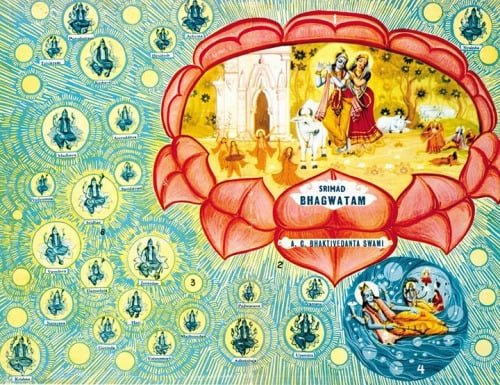
Modern fascination with interplanetary travel reflects a timeless philosophical impulse to understand creation and its inhabitants. Vedic literature, supported by Srimad-Bhagavatam, Sri Isopanisad, and the Bhagavad-gita, offers a complementary research program to empirical science via testimony and disciplined practice. Rather than relying on fragile material instruments, the Vedic model proposes bhakti-yoga as a safe, replicable…
-
Krishna as the Highest Pleasure: Evidence-Based Insights and Dharmic Practices for Joy

The name Krishna is traditionally associated with paramānanda—the highest pleasure—linking sacred sound to a complete philosophy of enduring happiness. Drawing on the Upaniṣads, the Bhagavad Gita, and the Bhagavata Purana, this analysis explains how fleeting, sense-based sukha differs from stable spiritual joy, and why cultivating a “higher taste” transforms desire rather than suppresses it. Navadha-bhakti,…
-
Nyaya Darshana Unveiled: How Indian Logic and Epistemology Power Clear Thinking

Nyaya Darshana presents a powerful, time-tested framework for clear thinking through its four pramanas—perception, inference, comparison, and testimony—and a celebrated ethics of debate. By detailing the five-part syllogism, fallacies (hetvabhasa), and rigorous tests for reliable evidence (vyapti and upadhi), it equips readers to evaluate claims and avoid common reasoning errors. Its dialogical history with Buddhism,…
-
Kumbhakarna’s Six-Month Slumber: A Tragic Shield, Strategic Weakness, and Dharma in the Ramayana

Kumbhakarna’s six-month sleep in the Ramayana is both armor and Achilles’ heel, a boon that restrains destructive potential while creating a fatal strategic gap when broken. Drawing on Valmiki’s account and later retellings, this analysis clarifies how a slight, divinely guided shift from indrāsana to nidrāsana reconfigures cosmic balance. It explores the symbolism of nidra…
-
Who Is the Real Father? Dharmic Wisdom on Body, Soul, Karma, and the Supreme Source

What distinguishes a living person from a lifeless body points directly to the dharmic insight at the heart of the Hare Krishna Movement: the living self (atman) is distinct from matter, and its ultimate source is the Supreme. This article presents a rigorous, compassionate exploration of “Who is the real father?” across ISKCON’s Gaudiya Vaishnava…
-
Beyond the Bodily Concept: SB 10.4.20 on ātmā, family ties, and fearless devotion
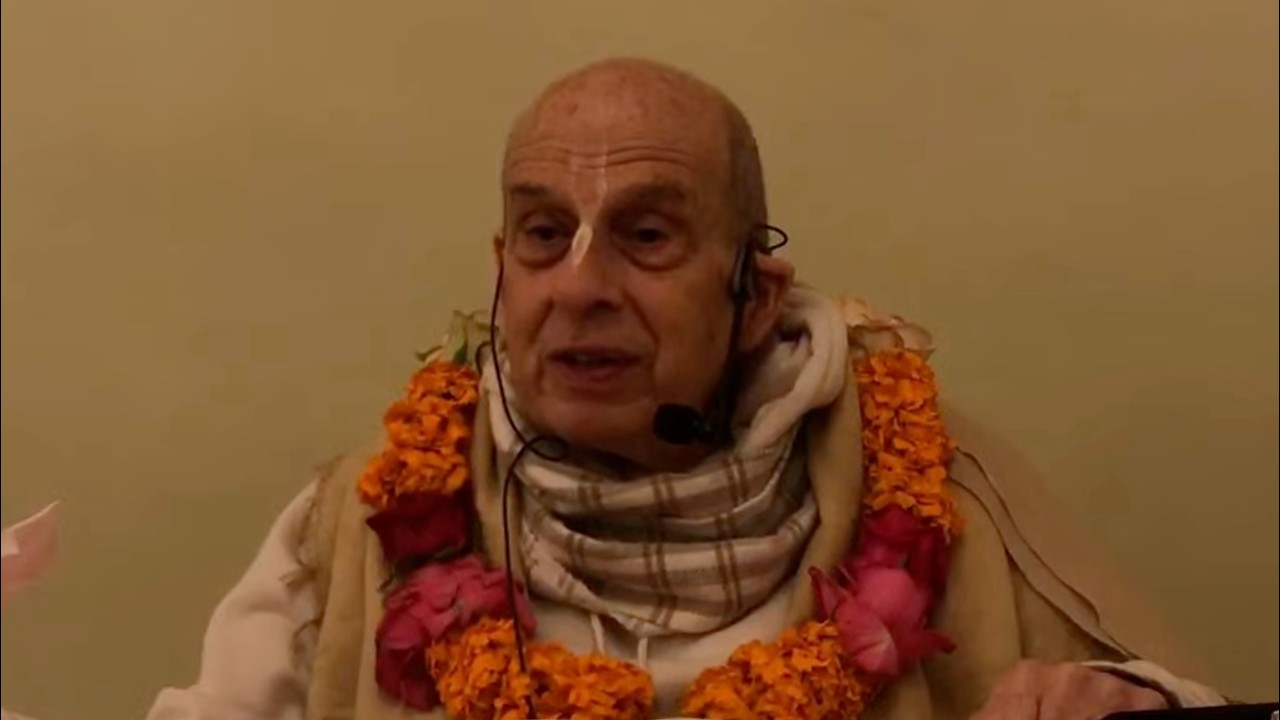
This analysis of Śrīmad-Bhāgavatam 10.4.20, as presented in a morning class by HG Bhurijana Prabhu, explains how mistaking the body for the ātmā intensifies attachment and vulnerability to the pains of union and separation within family, society, and nation. It offers a precise Vedic framework (tri-śarīra and pañca-kośa) to clarify identity and reduce suffering. Practical…
-
Unveiling Shiva’s Samharamurtis: Fierce, Compassionate Forms of Cosmic Transformation

This in-depth exploration clarifies why Shiva’s Samharamurtis are not emblems of destruction but precise instruments of compassionate transformation. Grounded in the Panchakritya doctrine and classical sources like the Puranas and Agamas, it decodes how Kamantakamurti, Gajasura Samhara Murti, and Kalari Murti model the sublimation of desire, the mastery of force, and the transcendence of fear…
-
Upashruti: The Luminous Goddess of Night, Oracular Wisdom, and Vedic Revelation

Upashruti is presented as a nuanced personification of sacred listening — the contemplative capacity to ‘hear’ wisdom in the stillness of night. Grounded in Vedic philosophy, Puranas, and the logic of śabda-pramāṇa, the essay situates her alongside Rātri, Vāk, and Yoganidrā. It outlines practical, night-centered sādhanā (mauna, japa, nādānusandhāna) and explains how disciplined listening refines…
-
Upamana in Mimamsa Darshana: Unlocking How Comparison Becomes Valid Knowledge in Hindu Epistemology

Upamāna, or comparison, is treated in the Mimamsa Darsana as a disciplined source of valid knowledge that aligns testimony, perception, and relevant similarity. Rather than a loose metaphor, it is a technical pramāṇa with clear conditions: credible prior śabda, relevance of features, and the absence of defeaters. Classical debates—especially with Nyāya—clarify whether comparison yields the…
-
Person or Energy? Find Clarity in a Dharmic Synthesis across Vedanta, Buddhism, Jainism, Sikhism

This essay clarifies whether the Divine is best understood as Person or Energy by synthesizing perspectives from Vedanta, Buddhism, Jainism, and Sikhism. It defines key terms (Brahman, purusha, shakti, prana) and shows how saguna–nirguna, nirgun–sargun, and anekantavada converge in a coherent framework. Readers gain a precise yet accessible model that honors both devotional intimacy and…
-
From Atheism to Bhakti: How Srila Prabhupada Guided Visakha Devi Dasi Toward Lasting Fulfillment
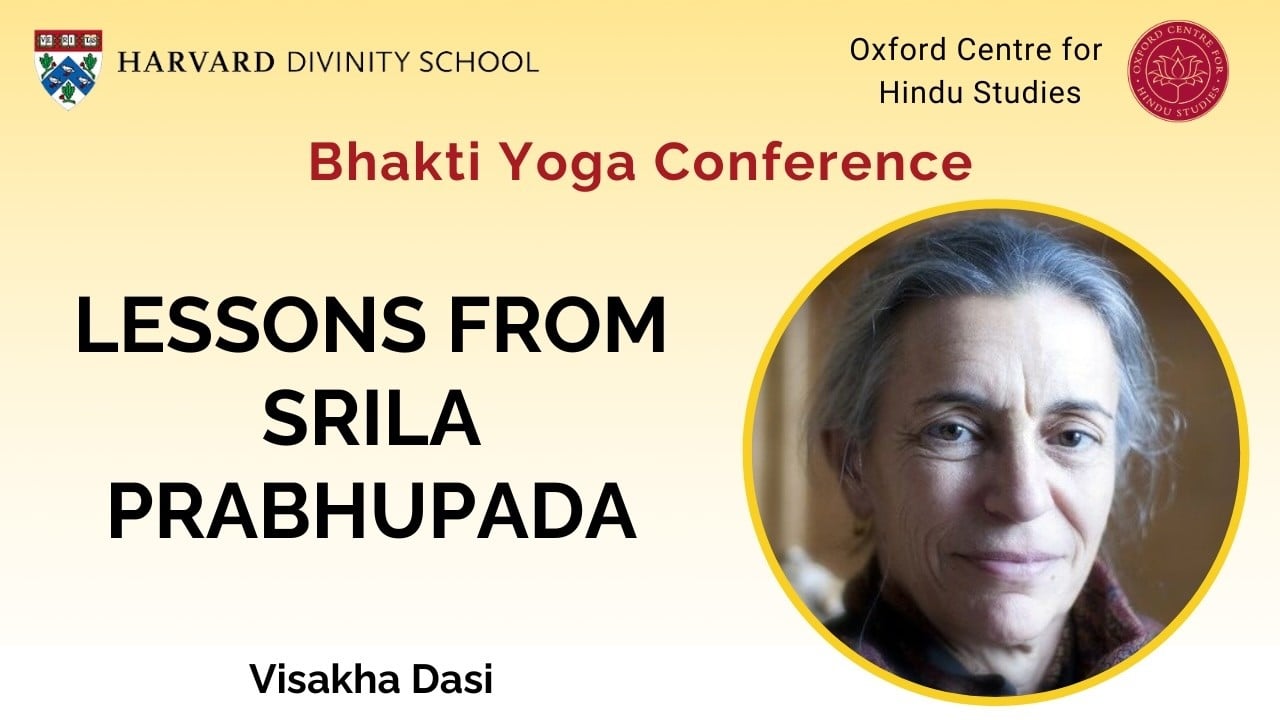
This long-form analysis traces Visakha Devi Dasi’s movement from atheism to Bhakti Yoga through Srila Prabhupada’s guidance, situating her experience within Vedic philosophy and contemporary inquiry. It explains how structured practices—chanting, study, seva, and community—offer a replicable methodology for lasting fulfillment. The discussion clarifies the ninefold processes of bhakti, the epistemic role of the Guru-Shishya…
-
Mudgala Upanishad and the Purushasukta: Decoding Cosmic Personhood, Unity, and Dharma

The Mudgala Upanishad, preserved in several Rigvedic lists, offers a concise contemplative counterpart to the Purushasukta (Rig Veda 10.90). Read together, they articulate a powerful vision of the Cosmic Person (Purusha) that harmonizes ritual symbolism with precise Upanishadic metaphysics. The essay explains key motifs—immanence and transcendence, cosmic sacrifice, and microcosm–macrocosm mappings—while clarifying socially sensitive verses…
-
Deep Ecology through Vedic Wisdom: A Dharmic Blueprint for Compassionate Sustainability
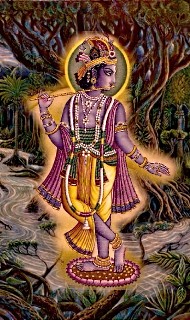
This essay presents a rigorous, dharmic framework for deep ecology rooted in Vedic culture and enriched by convergences across Hinduism, Buddhism, Jainism, and Sikhism. It explains how Krishna-centrism and principles like ahimsa, aparigraha, and seva generate practical Environmental stewardship. Readers gain a clear understanding of the Bhagavad Gita’s ethical architecture, the Guna model’s relevance to…
-
Decoding Rasa and Tattva in Srimad Bhagavatam 11.3.8: Timeless Love, Ultimate Truth, and Kāla
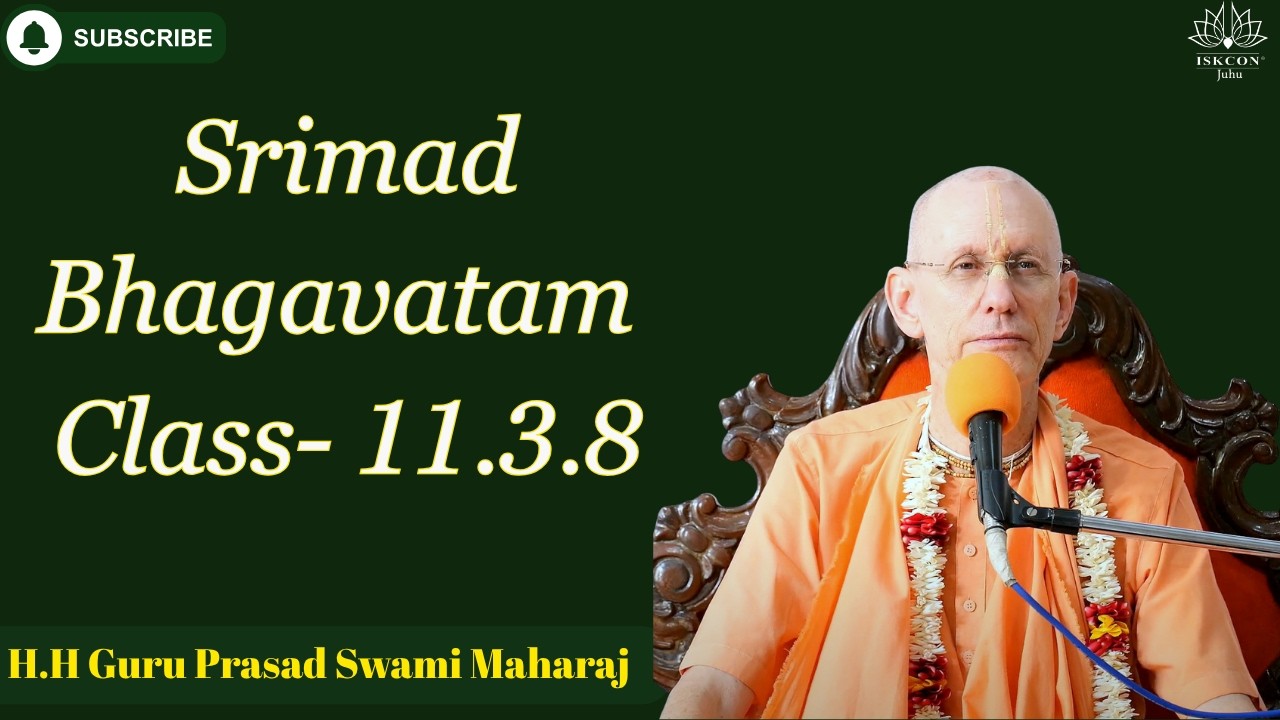
This essay distills H.H. Guru Prasad Swami’s class on Srimad Bhagavatam 11.3.8 into a rigorous yet accessible exploration of two “unlimiteds”: rasa, the ever-fresh devotional experience of Krishna, and tattva, the limitless architecture of philosophical truth. It clarifies how the Bhagavata Purana aligns accurate seeing (tattva-darśana) with transformative tasting (rasa-āsvāda), while kāla (time) governs the…