
-
2026 Auspicious Days for Punarvasu (Punarpoosam/Punartham): Proven Muhurats to Start, Study, Succeed

This academically grounded guide outlines how Punarvasu (Punarpoosam/Punartham/Punarpusam Natchathiram) natives can identify auspicious days in 2026 using the Hindu calendar, Panchang, and Tarabalam. It explains why Moon transit through Punarvasu, Shukla Paksha, and Abhijit Muhurta are favored, and why Rahu Kalam, Yamagandam, and Durmuhurta are typically avoided. The method is practical: shortlist dates by Nakshatra…
-
Auspicious Days 2026 for Ashlesha (Ayilyam): Powerful Muhurat Guide for Success
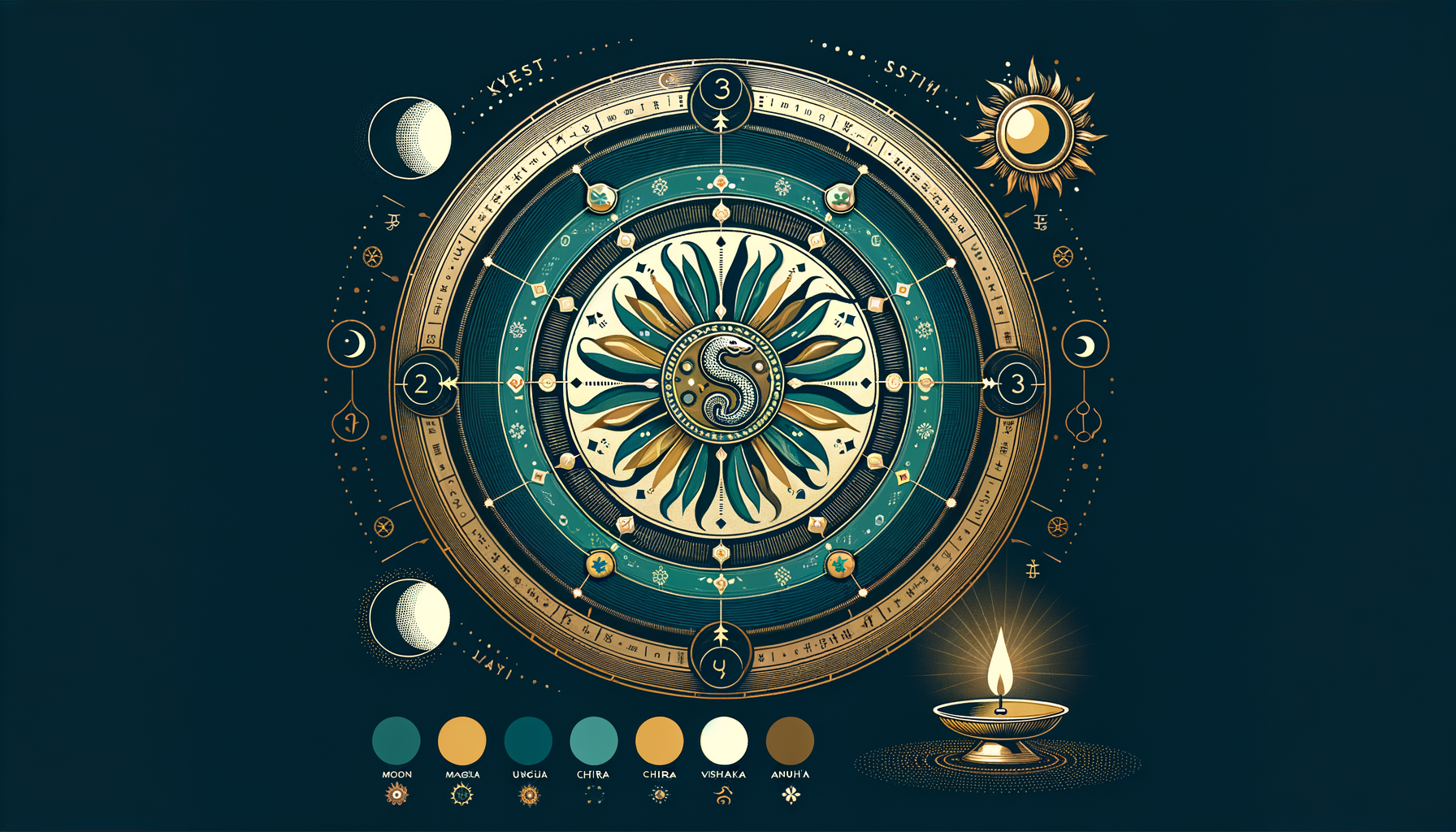
This 2026 guide shows Ashlesha (Ayilyam) Nakshatra natives how to identify auspicious days using a precise, reliable method rather than fixed lists. It centers on Tarabalam, favoring Moon transits in Magha, Uttara Phalguni, Chitra, Vishakha, and Anuradha for progress. It recommends Shukla Paksha and supportive Tithis such as Dwitiya, Tritiya, Panchami, Shashti, Dashami, Ekadashi, and…
-
January 25, 2026 Panchang: Saptami→Ashtami | Auspicious Tithi, Good Time, Rashi & Nakshatra

January 25, 2026 begins with Shukla Paksha Saptami and transitions to Shukla Paksha Ashtami at 8:44 PM (in most regions). This clear timing helps practitioners plan worship, vrata, and study in harmony with the Hindu calendar and Panchang. Good Time (muhurta), Nakshatra, and Rashi vary by location, so a local Panchang is recommended for fine-tuning.…
-
Griha Arambha Muhurtham 2026: Auspicious Neev Pujan Dates, Bhumi Pujan Guide, Timing Tips
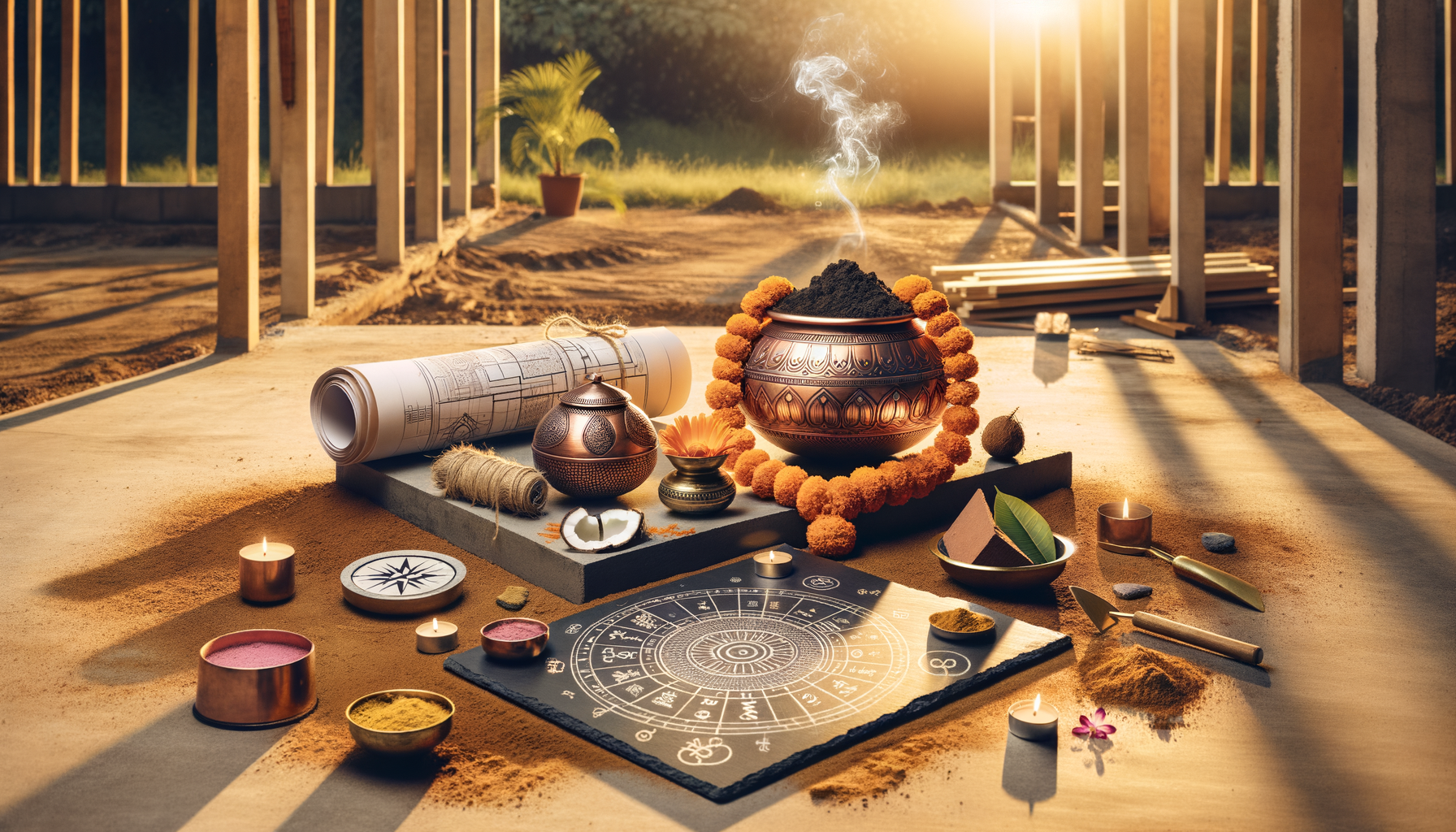
This guide to Griha Arambha Muhurtham 2026 explains how to select Shubha Muhurtham for Neev Pujan and Bhumi Pujan using Tithi, Nakshatra, Lagna, and Panchang rules. It outlines widely favored combinations, practical exclusions like Rahu Kalam, and a step-by-step method for refining dates to precise local timings. January 2026 selections can be identified by applying…
-
Auspicious Days for Ashwini Nakshatra 2026: Powerful Muhurat Guide for New Beginnings

This concise 2026 muhurta guide helps Ashwini Nakshatra natives time significant actions with clarity and confidence. It highlights how all four Padas of Ashwini lie in Mesha Rashi (Aries) and why this supports fresh starts, healing, and swift execution. Readers learn to prioritize the Moon’s transit through Ashwini, choose supportive Shukla Paksha tithis, and favor…
-
January 24, 2026 Panchang Guide: Exact Tithi Change, Shukla Sashti Meaning, and Dharmic Harmony

January 24, 2026 features a precise tithi shift in the Hindu calendar: Shukla Paksha Panchami lasts until 12:08 AM, then Shukla Paksha Sashti prevails. The note clarifies what Panchami and Sashti signify within the bright fortnight and why many regard Sashti as supportive of disciplined sadhana. It also explains why region-specific Panchang references are essential…
-
Child Born on No-Moon (Amavasya) Day: Cultural Meanings, Life Paths, and Hopeful Remedies
Birth on Amavasya (Amavasai) is traditionally associated with contemplation, renewal, and inner strength rather than inauspiciousness. Positioned as the fifteenth tithi in Krishna Paksha (Vad Paksha – Bahula Paksha – dark fortnight), it symbolizes closure and a fresh start in the Hindu calendar. A complete horoscope, not the tithi alone, informs any assessment of career,…
-
January 23, 2026 Panchang: Shukla Paksha Panchami, Shubh Times, Nakshatra & Rashi Guide
Friday, January 23, 2026 transitions from Shukla Paksha Chaturthi (until 1:17 AM) to Shukla Paksha Panchami in most regions, according to the Hindu Panchang. This waxing-phase shift supports disciplined effort giving way to gentle progress, making it a thoughtful day for study, puja, and seva. Shubh Muhurat, Nakshatra, and Rashi are best confirmed via a…
-
January 22, 2026 Panchang: Tritiya–Chaturthi Transition, Key Timing and Observance Guide
Thursday, January 22, 2026 marks a key tithi transition in the Hindu calendar (Panchang): Shukla Paksha Tritiya lasts until 2:01 AM local time, after which Shukla Paksha Chaturthi continues for the rest of the day. Many communities treat this monthly Shukla Chaturthi as an opportunity for steady, contemplative observance. The day’s rhythm supports calm beginnings,…
-
January 21, 2026 Panchang: Shukla Paksha Tritiya Tithi, Good Time, Nakshatra, Rashi
This Daily Hindu Calendar update notes that Wednesday, January 21, 2026, begins with Shukla Paksha Dwitiya until 2:15 AM and then transitions to Shukla Paksha Tritiya for the rest of the day. Readers gain clarity on how the Hindu calendar (Panchang) structures the waxing phase of the Moon and why local verification matters. Guidance emphasizes…
-
January 20, 2026 Panchang: Shukla Paksha Dwitiya Tithi, Timings and Auspicious Notes

On Tuesday, January 20, 2026, the Hindu calendar (Panchang) moves from Shukla Paksha Pratipada until 1:59 AM to Shukla Paksha Dwitiya for most regions. The waxing fortnight’s early days symbolize renewal and steady growth, making this period favorable for reflective planning, study, and seva. Those seeking an exact good time (shubh muhurat), Nakshatra, and Rashi…
-
January 19, 2026 Panchang: Amavasya to Shukla Paksha Pratipada Timings—Essential Guide
January 19, 2026 features a significant lunar transition in the Hindu calendar: Amavasya tithi lasts until 1:08 AM, then shifts to Shukla Paksha Pratipada until 1:59 AM (local time; subsequent date not specified). The day balances introspection with renewed beginnings, aligning well with household rites and community observances. As auspicious periods vary by locality, readers…
-
January 18, 2026 Panchang: All‑Day Amavasya, Shukla Paksha Onset—Timings, Meaning, Mindful Planning

The Panchang for Sunday, January 18, 2026, marks Amavasya tithi for the entire day, continuing until 1:08 AM on January 19. Shukla Paksha Pratipada then begins and lasts until 1:59 AM on January 20. This transition from the no-moon day to the waxing phase offers a natural cue for reflection followed by steady, purposeful beginnings.…
-
Makara Rashi 2026: Powerful Auspicious Days, Shubha Muhurats, and Nakshatra Guidance

This guide explains how to identify auspicious days for Makara Rashi in 2026 using the Hindu Panchang—integrating Tithi, Vara, Nakshatra, Yoga, and Karana for clear, purpose-specific planning. It clarifies that Makara Rashi is determined by the Moon sign and Janma Nakshatra (Uttarashada 2–4, Shravana 1–4, Dhanishta 1–2), not Western Sun-sign dates. It offers a practical,…
-
Kumbha Rashi 2026 Auspicious Days: Panchang Guide for Clarity, Confidence, and Harmony

Kumbha Rashi (Aquarius), the 11th sign in Hindu Astrology, draws its strength from Dhanishta (3–4), Shatabhisha (1–4) and Purvabhadra (1–3). In 2026, auspicious days are best identified through a location-specific Panchang, considering Tithi, Nakshatra, Yoga, Karana, weekday, and the Moon’s transit. A practical approach prioritizes Shukla Paksha, supportive Tithis, and favorable Nakshatras, while avoiding Bhadra…
-
January 17, 2026 Panchang Guide: Krishna Paksha Chaturdashi to Amavasya Timings & Meaning
On Saturday, January 17, 2026, the Hindu Panchang notes Krishna Paksha Chaturdashi until 11:52 PM, followed by the start of Amavasya. This late-night transition frames the day around introspection, devotion, and renewal, with many traditions observing Masik Shivaratri on Chaturdashi. Because Nakshatra and Rashi vary by location, local almanacs provide the most reliable details for…
-
January 16, 2026 Panchang: Trayodashi to Chaturdashi at 10:10 PM — Timings, Meaning, Reflection

Friday, January 16, 2026 features Krishna Paksha Trayodashi in most regions until 10:10 PM, followed by Krishna Paksha Chaturdashi. The day’s progression supports calm routines, mindful reflection, and a gentle close to the lunar fortnight. Observers often note that Trayodashi encourages steadiness, while Chaturdashi deepens inward focus ahead of Amavasya. Key elements such as Nakshatra,…
-
Tula Rashi 2026: Definitive Guide to Auspicious Days, Muhurats, and Mindful Beginnings

Tula Rashi in 2026 benefits from mindful timing based on the Hindu calendar, using supportive tithis, congenial nakshatras (Chitra, Swati, Visakha), and Venus-friendly weekdays. Shukla Paksha is often preferred for new beginnings, while eclipses and solemn periods are typically avoided for celebratory rites. Fridays suit relationship, finance, and arts-related goals; Wednesdays aid commerce and communication;…
-
Essential Guide to January 15, 2026 Panchang: Dwadashi to Trayodashi, Tithi, Rashi

On Thursday, January 15, 2026, the Panchang indicates Krishna Paksha Dwadashi until 8:09 PM, followed by Krishna Paksha Trayodashi. This transition supports steady, reflective practices earlier in the day and preparatory observances later, as appropriate to local custom. Shubh Muhurat, Nakshatra, and the Moon’s Rashi should be confirmed with a regional Panchang due to location-based…
-
January 14, 2026 Panchang: Krishna Paksha Ekadashi to Dwadashi Timing, Tithi & Guidance

Wednesday, January 14, 2026 features Krishna Paksha Ekadashi until 5:59 PM, transitioning to Krishna Paksha Dwadashi thereafter. This precise Tithi timing helps devotees plan Ekadashi fasting and Dwadashi Parana in accordance with local Panchang guidance. Because sunrise and Parana muhurat vary by region, consulting a trusted, region-specific calendar is advised. The day’s observance highlights simplicity…