Tag: Sri Ramakrishna Paramahamsa

  • Neo‑Vedanta Unveiled: A Powerful Modern Synthesis Bridging Dharmic Wisdom and Pluralism

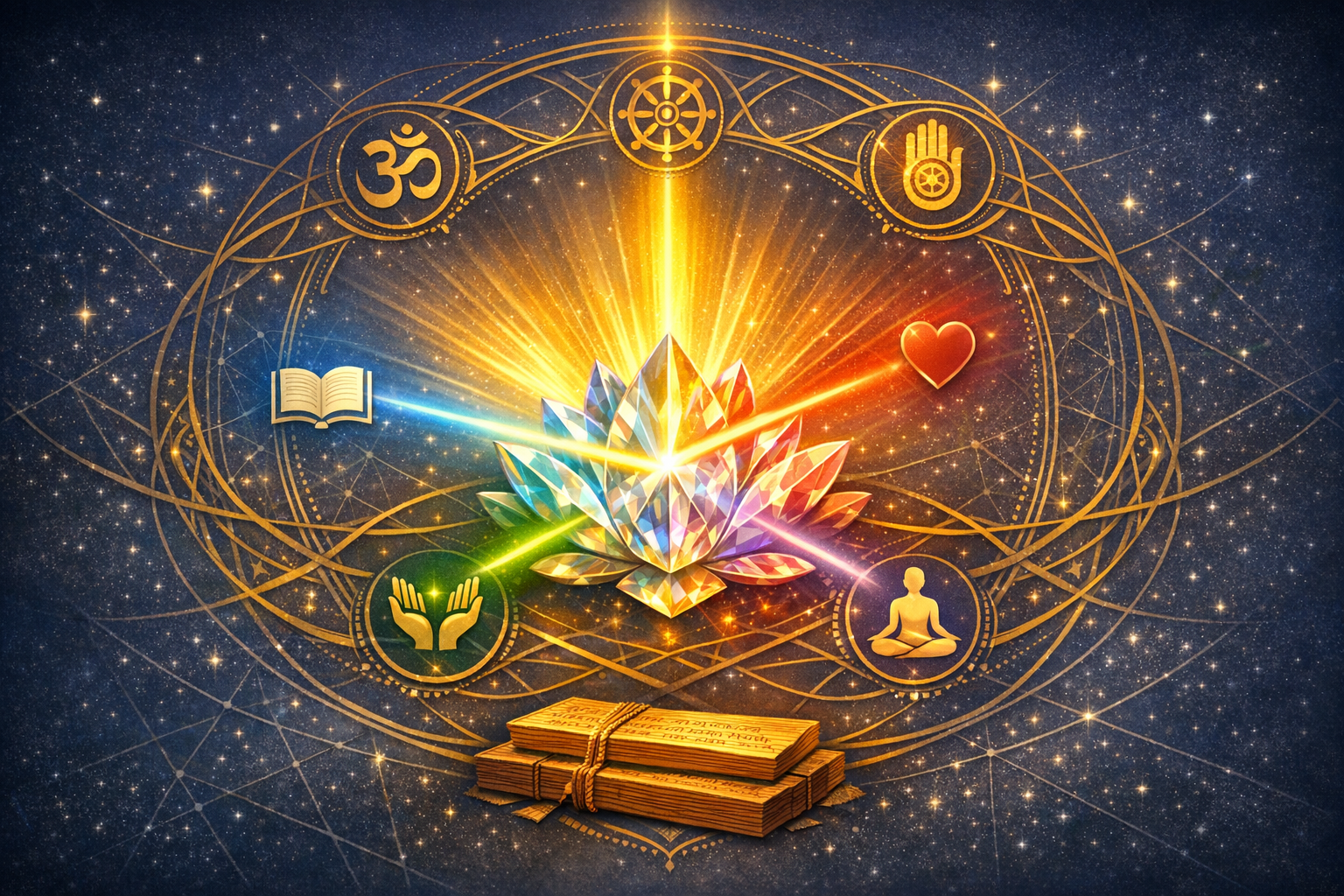
    Neo‑Vedanta Unveiled: A Powerful Modern Synthesis Bridging Dharmic Wisdom and Pluralism

    This article examines Neo‑Vedanta as a rigorous, modern synthesis of Vedāntic wisdom grounded in the Prasthanatraya (Upanishads, Bhagavad Gita, Brahmasutras). It traces historical catalysts in nineteenth‑century India and explains how Sri Ramakrishna and Swami Vivekananda anchored a plural, practice‑oriented vision. Readers gain a clear understanding of Ishta as a principle of respectful diversity and see…

  • Brahman Alone Is Real: A Rigorous Guide to ‘Jagat Mithyā’ via Sri Ramakrishna

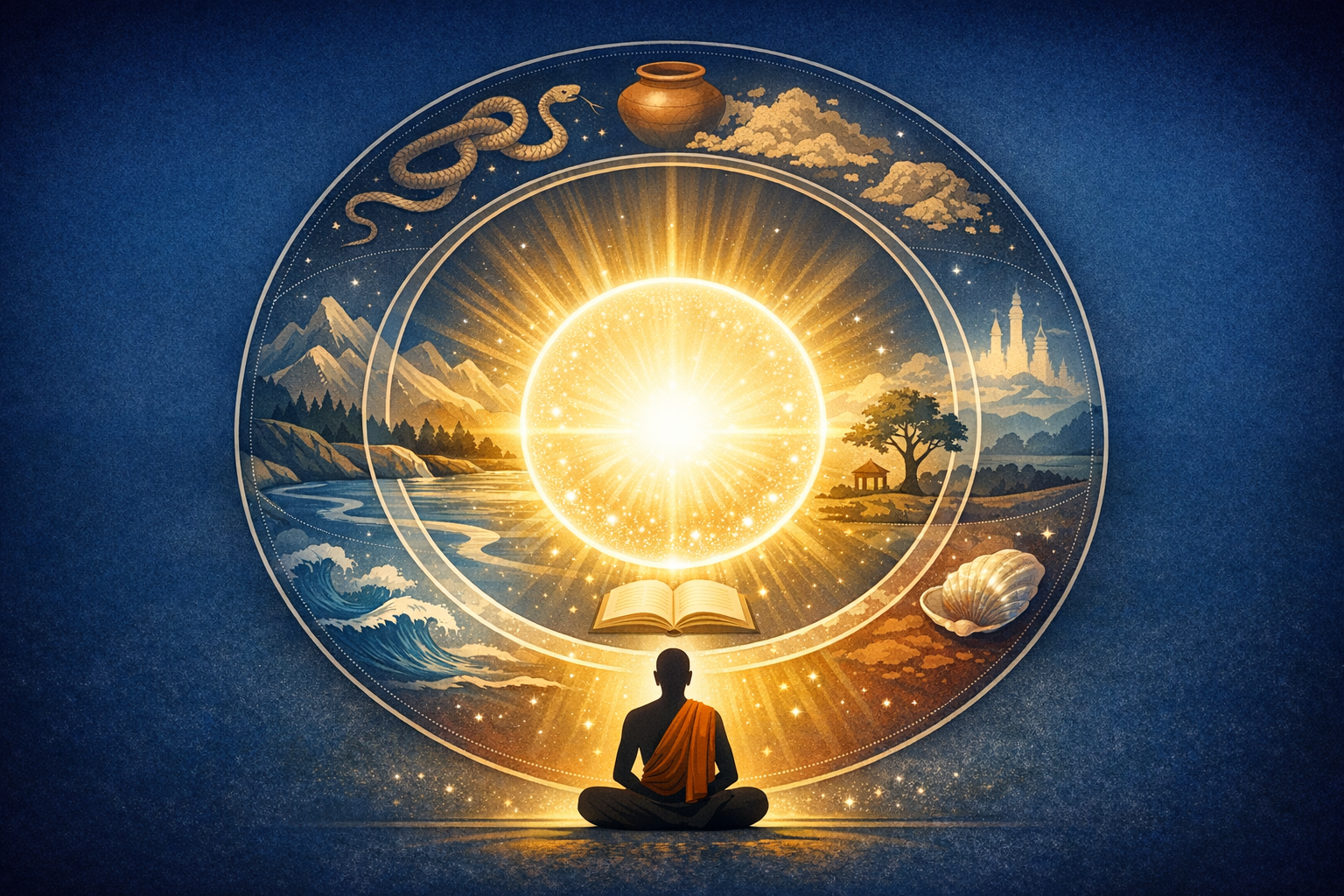
    Brahman Alone Is Real: A Rigorous Guide to ‘Jagat Mithyā’ via Sri Ramakrishna

    A well-known story about Harinath—later Swami Turiyananda—and Sri Ramakrishna becomes a doorway into the core Advaita Vedanta assertion that Brahman alone is real and the universe is mithyā. This long-form analysis clarifies that mithyā does not mean nonexistence but dependent reality, carefully distinguishing pāramārthika, vyāvahārika, and prātibhāsika levels. It explains key Advaita tools—adhyāsa, adhyāropa–apavāda, and…

  • Bhagavan Alone Is Real: Timeless Vedanta, Living Bhakti, and the Joy of Dharmic Unity

    Bhagavan Alone Is Real: Timeless Vedanta, Living Bhakti, and the Joy of Dharmic Unity

    This article unpacks the aphorism “Know that Bhagavan alone is real. Nothing else matters” through the lenses of the Upanishads, Bhagavad Gita, and major Vedanta schools (Advaita, Vishishtadvaita, Dvaita). It clarifies Bhagavan as the sat-chit-ananda ground of being and explains why the phrase does not deny ethical life but re-centers it in the Real. Readers…

  • Child Kali on Maa Sarada’s Lap: Decoding Ramakrishna’s Vision of Fierce Grace and Love

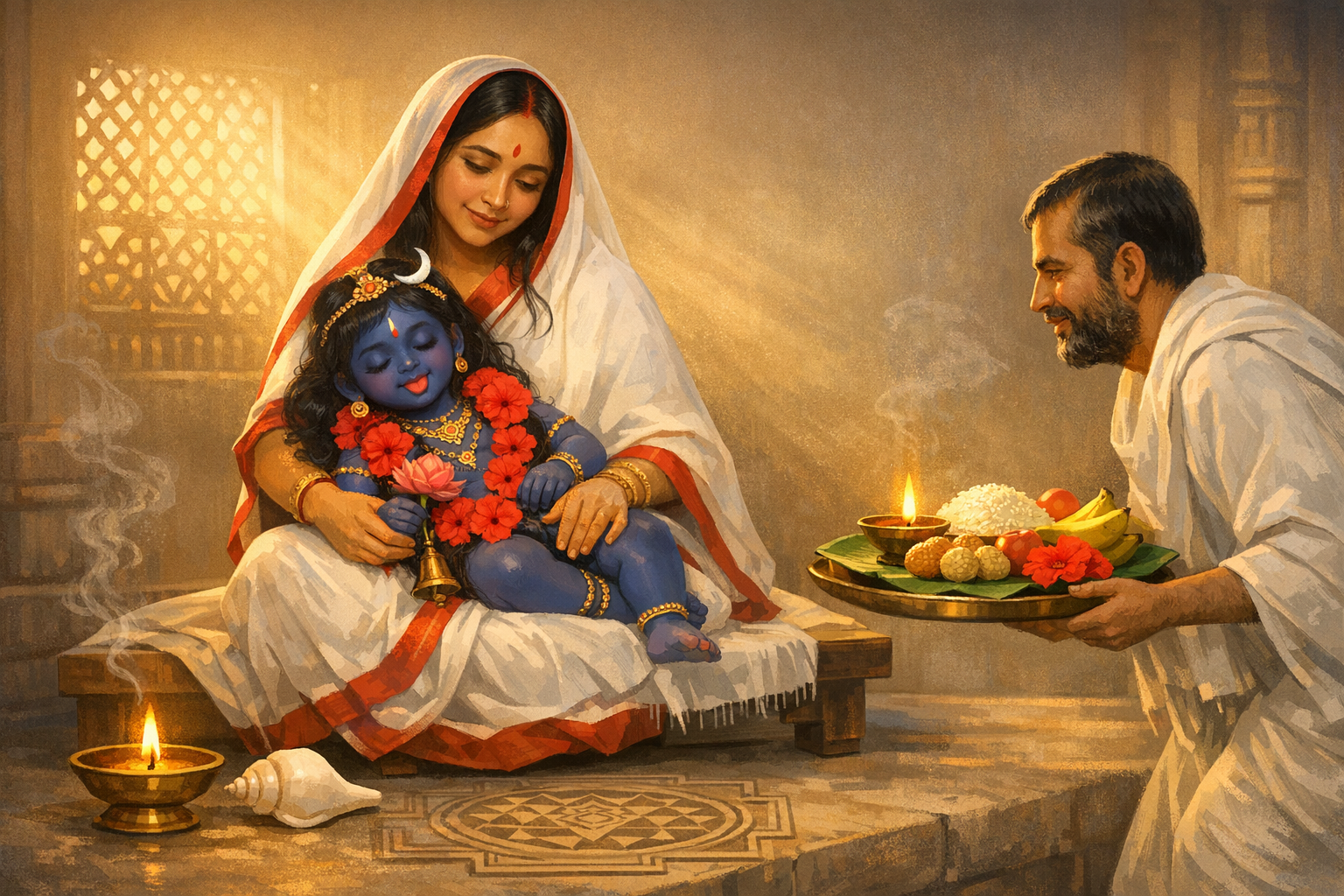
    Child Kali on Maa Sarada’s Lap: Decoding Ramakrishna’s Vision of Fierce Grace and Love

    This essay decodes a powerful Hindu symbol: Child Goddess Kali seated on the lap of Maa Sharda as Sri Ramakrishna brings food. It situates the scene within Sanatana Dharma, Shakta Tantra, and Bengal’s devotional culture, showing how fierceness softens into maternal grace through seva. Drawing on Ramakrishna’s life—especially the Shodashi Puja to Sarada Devi—it interprets…

  • Sri Ramakrishna’s Tarpana Dilemma: Symbolism, Grief, and Spiritual Evolution

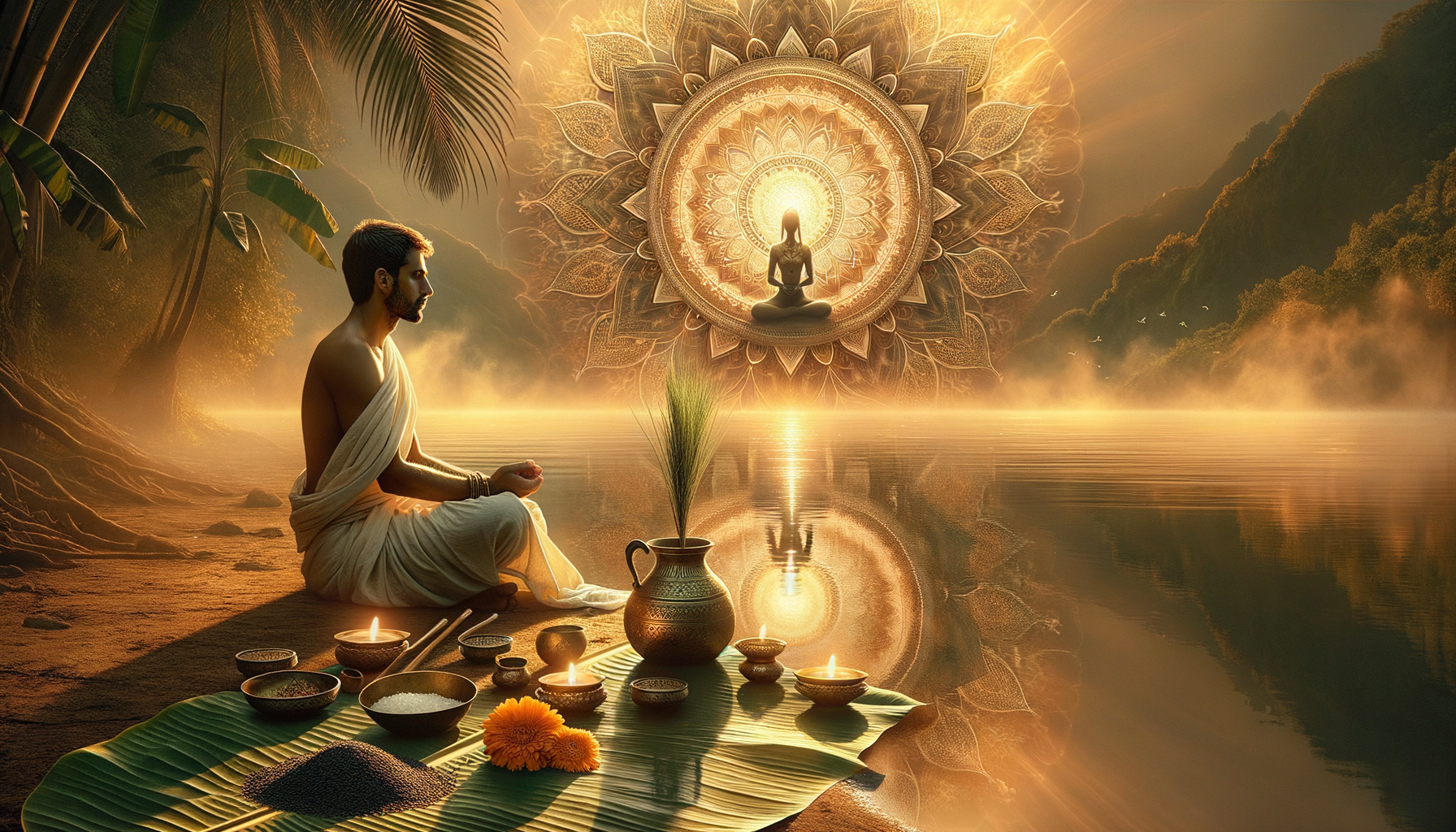
    Sri Ramakrishna’s Tarpana Dilemma: Symbolism, Grief, and Spiritual Evolution

    Sri Ramakrishna Paramahamsa’s inability to perform tarpana for his mother is a symbolic, compassionate teaching on the unity of ritual and realization. It reframes ancestor rites (tarpana, Shraddha, Amavasya) as living expressions of gratitude grounded in intention. The episode models how devotion, grief, and non-dual awareness can converge without dismissing Hindu rituals. It offers practical…