-
Karma-Siddhanta and its Significance in Sanatana Dharma
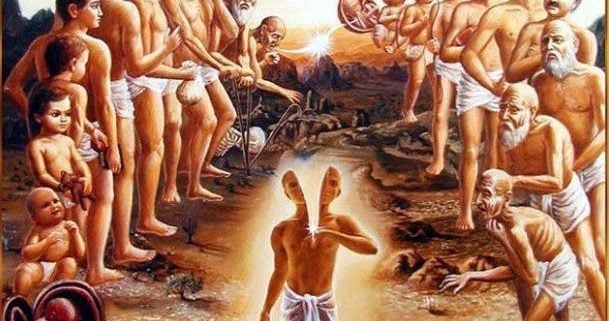
The concept of karma is a fundamental aspect of Sanatana Dharma, which includes Hinduism, Buddhism, Jainism, and Sikhism. Each of these religions has its own unique perspective on karma, but they all share some commonalities. In this blog post, we will explore the concept of karma in each of these religions, its significance, and its…
-
The Worship of Shiva Linga in Sanatan Dharma

Shiva Linga worship is a practice that has been a part of Hinduism for centuries, and yet it remains a controversial and often misunderstood aspect of the religion. At the heart of this controversy is the idea that the Shiva Linga, a symbol of Lord Shiva, represents the male reproductive organ, and that its worship…
-
Atman in Karmic Religions

atman, (Sanskrit: “self,” “breath”) one of the most basic concepts in Sanatan, the universal self, identical with the eternal core of the personality that after death either transmigrates to a new life or attains release (moksha) from the bonds of existence. As Karmic religions like Hinduism (and its various sects), Jainism, Buddhism & Sikhism arose…
-
Gau Raksha and Indic Unity

Cows are considered sacred in Sanatan dharmas because they are believed to embody and represent various virtues and qualities that are valued in Sanatan culture. In Hinduism, the cow is revered as a symbol of wealth, strength, and motherly affection. The Vedas, the oldest Hindu scriptures, refer to the cow as “aghnya,” meaning one that…
-
Japji Sahib Pauri 27 and Civilizational coupling