
-
Gajasurasamhara: Shiva’s Elephant‑Demon Dance, Symbolism, Ego, and Inner Liberation
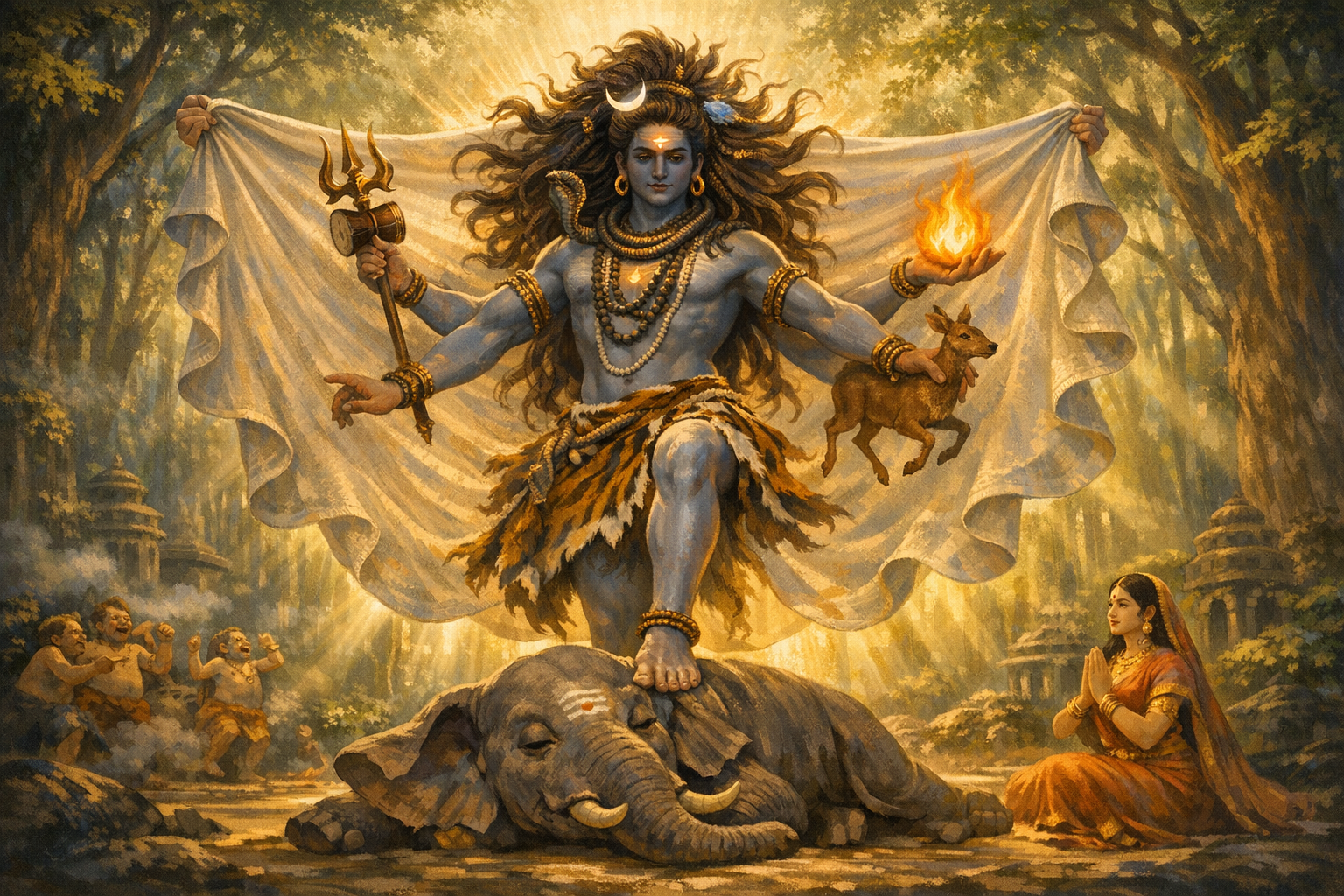
Gajasurasamhara, Shiva’s slaying of the elephant‑demon in Darukavana, encodes a rigorous spiritual map: the destruction of ego and ignorance as the ground of inner freedom. This long‑form analysis situates the myth within Purana and Agama traditions, unpacks its iconography from the damaru to the trishula, and clarifies why the elephant hide signifies the unveiling of…
-
Kalita Tandava Unveiled: Shiva’s Eight-Armed Cosmic Dance of Balance, Time, and Renewal
Kalita Tandava, an eight-armed manifestation of Shiva’s cosmic dance, illuminates the cycles of creation, preservation, and dissolution through a precise symbolic grammar. Readers gain a clear map of its iconographydamaru, agni, triśūla, and protective mudrāsand how these elements encode the pañcakṛtya and expanded functions of grace and discernment. The article connects Vedānta, Kashmir Śaivism, and…
-
Uma (Gauri) Tandava: Shiva’s Cosmic Dance of Grace – Symbolism, Yogic Balance, Compassion
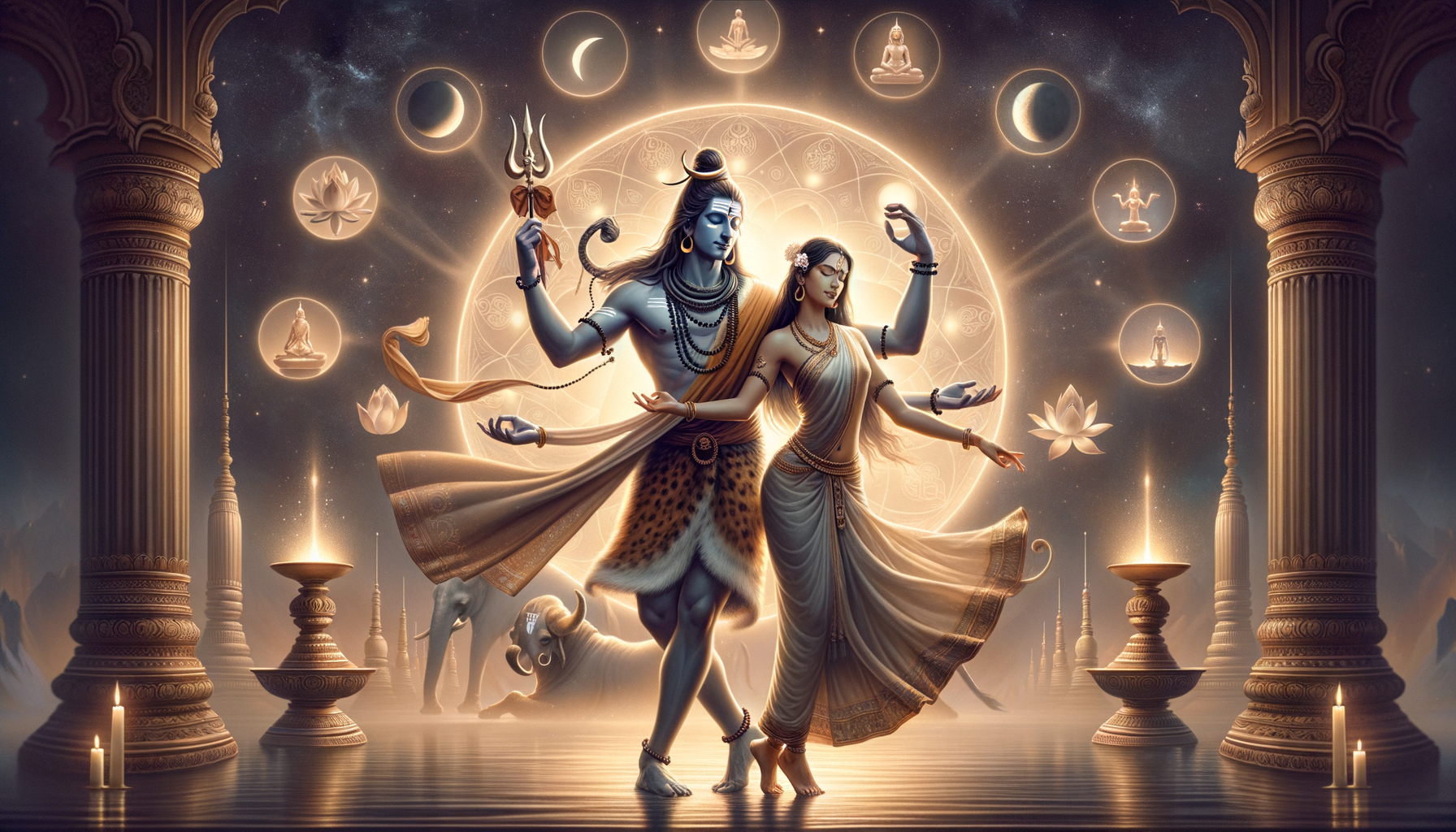
Uma or Gauri Tandava portrays Shiva’s cosmic dance in its most compassionate register, emphasizing balance, disciplined energy, and grace. This gentle form highlights Shiva’s unity with Uma (Shakti), showing how strength is refined by tenderness and moral clarity. Iconographysuch as abhaya and varada gesturesinvites assurance and generosity, while yogic readings link the dance to calm…
-
U.S. to Repatriate Three Stolen Hindu Deities: A Powerful Win for Tamil Nadu’s Heritage
The United States will repatriate three sacred bronze Hindu deities stolen from Tamil Nadu temples in the 1950s, following provenance research by the Smithsonian’s National Museum of Asian Art. The returned works include a 10th-century Chola-period Shiva Nataraja, a 12th-century Somaskanda, and a 16th-century Saint Sundarar with Paravai. The Nataraja will remain in Washington, D.C.,…