
-
Awaken the Third Eye: Hindu Teachings for Inner Clarity, Compassion, and Liberation
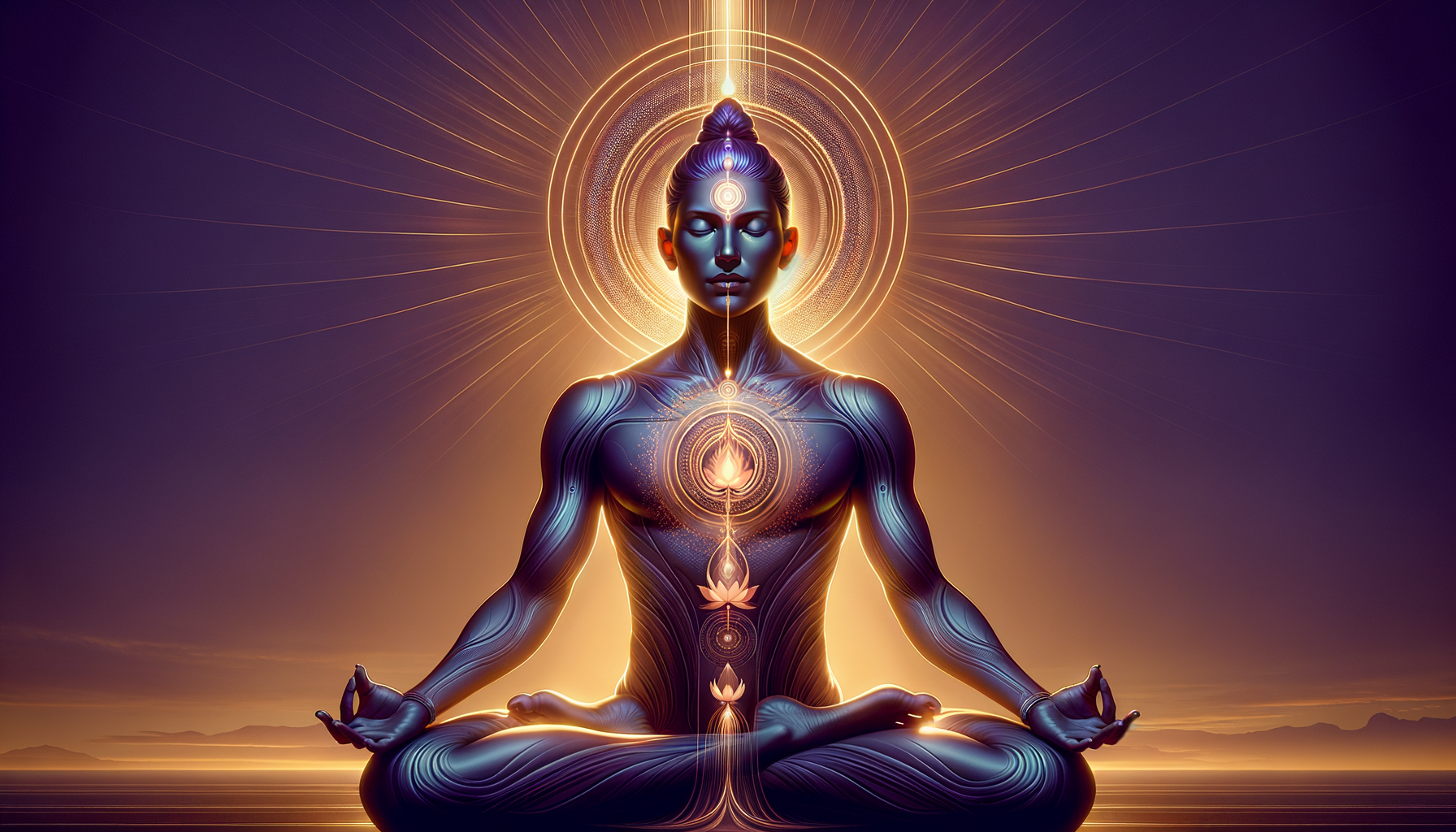
The third eye in Hinduism is an inner organ of perception associated with clarity, wisdom, and liberation rather than a physical faculty. Grounded in the Upanishads and yogic anatomy, it matures through ethics, meditation (dhyana), pranayama, and mantra japa over many births. Genuine awakening appears as stable insight, compassion, and equanimitynot sensational displays. Convergences with…
-
Soham Hamsah Explained: The Transformative Mantra of Oneness, Breath, and Inner Peace

“Soham Hamsah” embodies an Advaita Vedanta insight: the unity of jivatma and paramatma realized through breath-aware mantra meditation. By aligning the natural rhythm of inhalation and exhalation with an inner mantra, practitioners cultivate calm, clarity, and discernment. The practice remains gentle and accessible while deepening mindfulness and ethical responsiveness. Cross-dharmic resonanceswith Buddhist ānāpānasati, Jain samayik,…
-
Unveiling the Unmanifest (Avyakta): A Clear Guide to the Eternal Self in Hindu Thought

This article clarifies the Hindu concept of the unmanifest”avyakta”as reality beyond sensory perception and change. It explains how classical sources like the Upanishads and the Bhagavad Gita describe a timeless ground of being that illumines experience without becoming an object of experience. Readers learn how practices such as pratyahara and meditation reveal a lucid, steady…
-
Kurukshetra Within: How the Mahabharata’s Battlefield Guides Courageous Spiritual Growth

Kurukshetra in the Mahabharata can be read as the inner field of Dharma where ethical dilemmas, emotional turbulence, and spiritual aspiration meet. The Bhagavad Gita’s counsel reframes conflict as an opportunity for clarity, courage, and disciplined action. Arjuna’s hesitation mirrors modern experiences of doubt and responsibility, while Krishna’s guidanceKarma Yoga, Jnana, and Bhaktioffers practical tools…
-
Nurturing Truth Within: A Dharmic Guide to Cultivating the Soul’s Seed of Wisdom

The insight, “Truth’s seed may be sown, but it must be nurtured by the soul,” highlights the difference between knowing truth and living it. Hindu philosophythrough shravaṇa, manana, and nididhyāsanashows how knowledge matures into steady wisdom. The Bhagavad Gita and the Upanishads emphasize that dharma-centered practice, not concept alone, yields Self-Realization. Parallel principles across Buddhism,…
-
Why Choosing Spirituality Reflects True Wisdom: A Dharmic Path to Clarity, Peace, and Unity

Spirituality, within Hindu philosophy and related Dharmic traditions, is a deliberate, wise choice rooted in discernment and Dharma. It emphasizes distinguishing the temporary from the eternal, echoing the Bhagavad Gita and the Upanishads. Practically, it matures through ethics, Meditation, and Yoga philosophy, cultivating clarity, compassion, and resilience. Across Hinduism, Buddhism, Jainism, and Sikhism, diverse practices…
-
SB 1.2.18: Purify the Heart with Bhagavata AssociationFrom Obstacles to Steadfast Bhakti
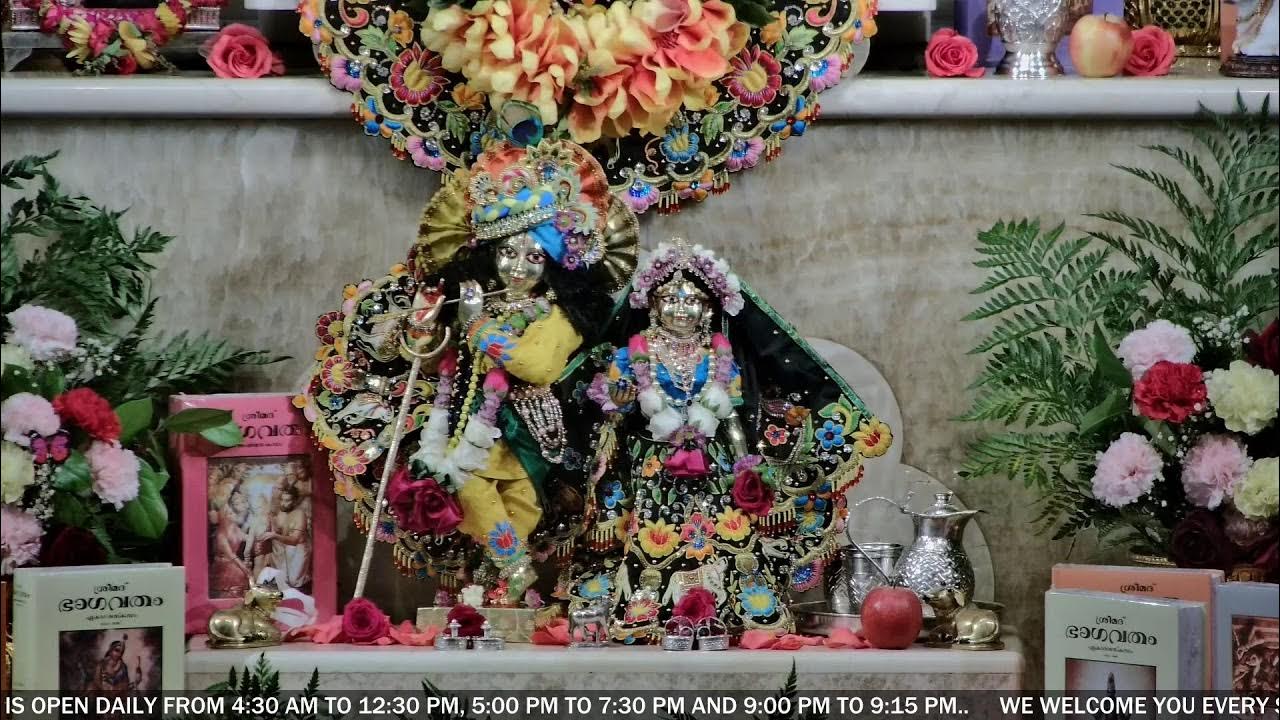
Śrīmad-Bhāgavatam 1.2.18 prescribes a proven remedy for inner purification: nityaṁ bhāgavata-sevayā, consistent association with the Bhāgavata through scripture and saintly company. This approach combines disciplined study of the “book bhāgavata” with the transformative influence of the “devotee bhāgavata.” HG Anuttama prabhu’s insights emphasize practical stepsregular classes, reflection, and servicethat gradually dissolve mental agitation and cultivate…
-
Essential Vedantic Insight: Discover the Shift from ‘I am’ to ‘God is’ for Inner Freedom
This reflection explores a core dharmic insight: the practical and philosophical shift from ‘I am’ to ‘God is’or, more broadly, from ego-centered assertion to alignment with a higher truth. Drawing on Vedanta and SB 2.2.35, it highlights intelligence as a directing principle beyond ordinary control, sustained by a super self, a portion of God. The…
-
Essential Dharmic Breakthrough: Master Expectations and Rediscover Self through Hindu Wisdom

This article examines a core Hindu teaching: reliance on others’ approval fragments inner stability. It explains how non-attachment, Aparigraha, and svadharma reorient life from craving validation to purposeful action. It integrates convergent insights from Buddhism, Jainism, and Sikhism, highlighting a shared dharmic path of freedom from grasping. Readers learn practical stepsintention-setting, mindfulness, japa, breath awareness,…
-
Complete Guide to Vidyananda: Discover Panchadasi’s Fourteenth Chapter and Supreme Bliss

The Fourteenth Chapter of Panchadasi clarifies vidyānandathe bliss born of Self-knowledgewithin Advaita Vedanta’s Ananda-panchaka. It explains how disciplined study, reflection, and deep contemplation transform insight into stable joy. By distinguishing pure consciousness from mental states, the chapter prevents mistaking calm for realization. It maps the progression from sensory pleasure to the bliss of knowledge and…
-
Discover Chitishakti’s Power: A Complete Guide to Purusha in Patanjali’s Yoga Philosophy

Patanjali’s Yoga presents Purusha as pure consciousnessthe steady witness distinct from Prakriti’s changing field. Clarifying chiti and chitishakti reveals how conscious power illumines experience when mental fluctuations settle. Grounded in abhyasa and vairagya, and supported by pratyahara, dhyana, and samadhi, this approach offers a practical route to Self-Realization. Readers gain benefits such as emotional balance,…
-
Complete Guide to Panchadasi’s Twelfth Chapter: Discover and Master Atmananda

Panchadasi’s twelfth chapter, attributed to Vidyaranya of the Sringeri Sharada Peetham, guides readers to distinguish the bliss of the Self (Atmananda) from changing mental states. It explains how sat–chit–ananda is recognized through shravana, manana, and nididhyasana, not acquired from external objects. The chapter clarifies the difference between pure consciousness and reflected consciousness, enabling a stable…
-
The Proven Power of Self‑Portraits: Discover a Transformative Breakthrough in Self‑Worth

This reflective analysis documents how a simple self-portrait practice evolved into a proven method for healing, self-awareness, and self-worth. Through neutral witnessing and mindful presence, images became visual love letters rather than performances. The process countered perfectionism and invisibility, revealing strength, grace, and resilience in ordinary moments. It also aligned with shared dharmic valuescompassion, stillness,…
-
Essential Breakthrough in Spiritual Evolution: Discover the Courage to Transcend the Herd

Spiritual growth begins when seekers turn from herd mentality toward authentic self-understanding rooted in dharma. Hindu scriptures, especially the Bhagavad Gita (3.35), affirm the primacy of one’s own path, even when imperfect. This independence is not isolation; it fuels compassion, service (seva), and social harmony through the ethic of lokasangraha. Dharmic traditionsHinduism, Buddhism, Jainism, and…
-
Vyasa Poornima: The Peerless Educational Heritage of India

Explore the profound reverence for Guru Dakshinamurthy, the embodiment of spiritual knowledge and wisdom, in this enlightening blog post. Adi Sankara’s verses pay tribute to the Guru who imparts knowledge through silence, emphasizing the Guru’s role in awakening the inner resplendence of spiritual wisdom. This post delves into the essence of the Guru-Shishya tradition in…