
-
Pracinavita Revealed: Why the Sacred Thread Shifts Right in Hindu Śrāddha Rites
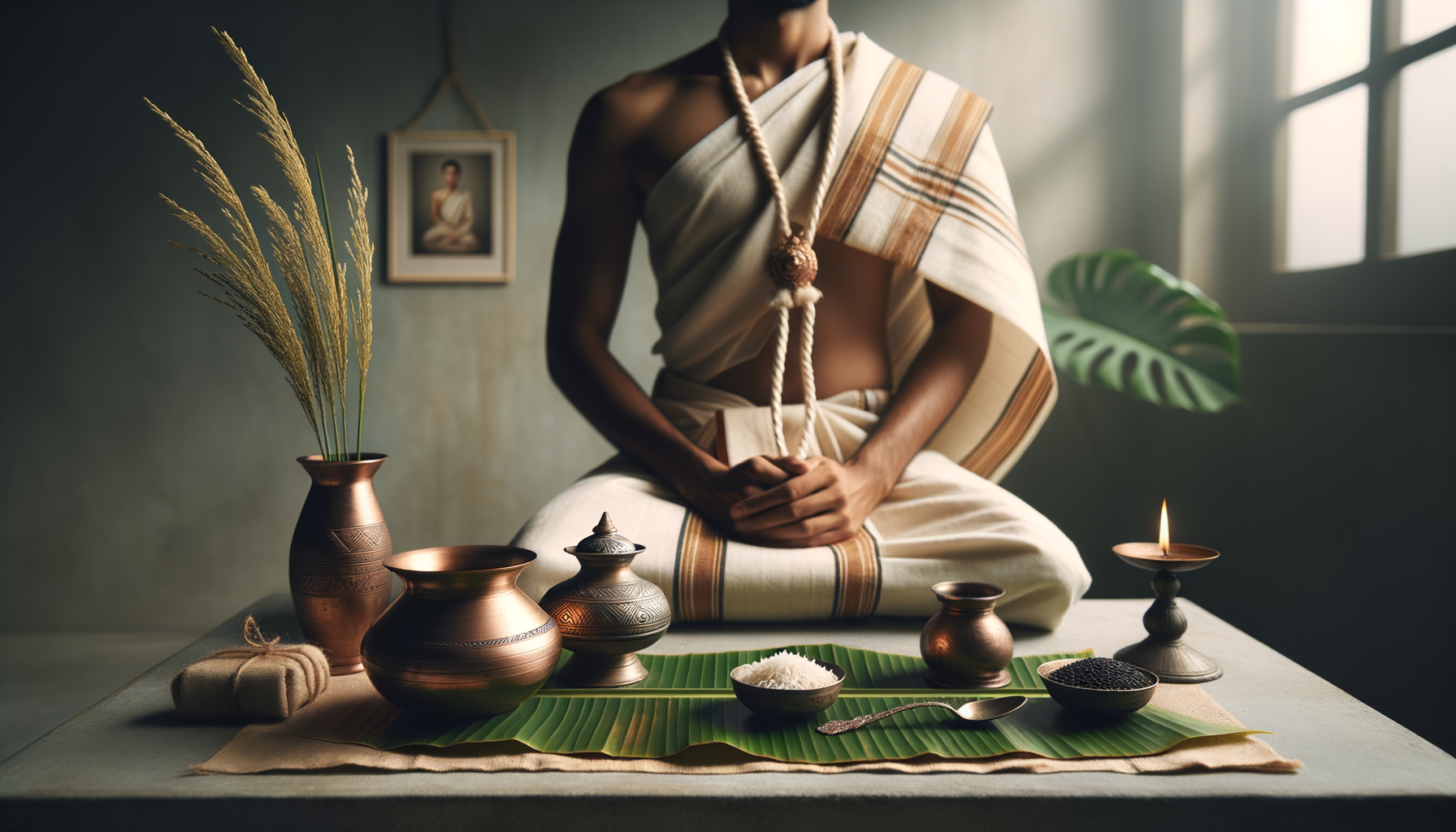
This article explains Pracinavita—the right-shoulder orientation of the sacred thread—within Hindu Shraddha rites. It clarifies how the yajnopavita changes from upavita to pracinavita to signal a shift in ritual intention toward the ancestors (Pitrs). Readers learn the doctrinal basis in Vedic traditions, the symbolism of the thread as a tactile mnemonic, and the practical sequence…
-
Jivat Shraddha Explained: The Profound Hindu Rite of Honoring One’s Life Before Death
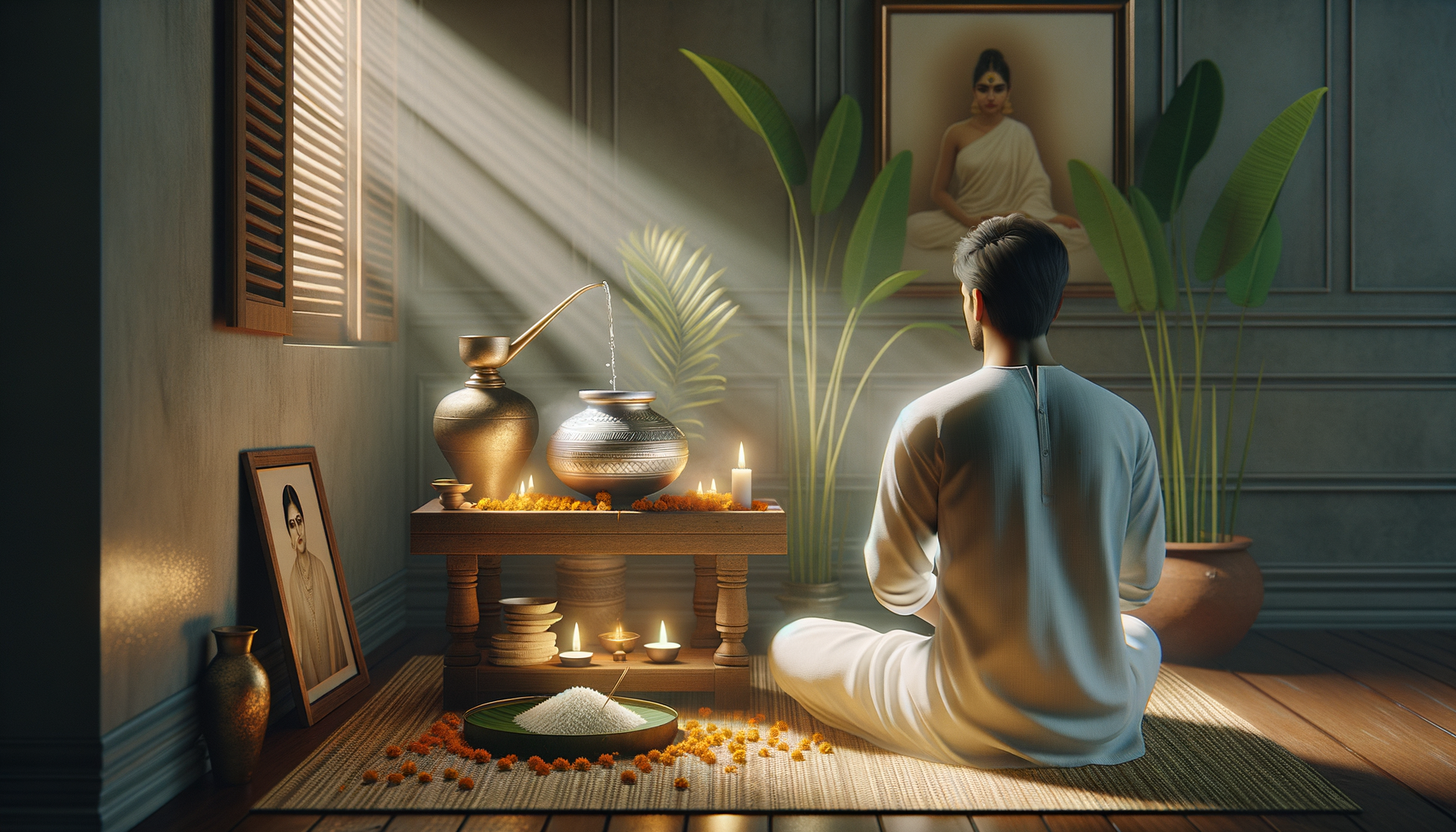
Jivat Shraddha describes a rare, context-specific Hindu ritual in which a living person performs Shraddha for oneself to acknowledge impermanence, resolve obligations, and recommit to dharma. Grounded in Dharmashastra discussions and later ritual digests, it is typically associated with life transitions such as vanaprastha or sannyasa and with prāyaścitta. The rite resembles elements of conventional…
-
From Kurukshetra to Baghdad: Battle‑Tested Gita Wisdom for a Soldier’s Resilience
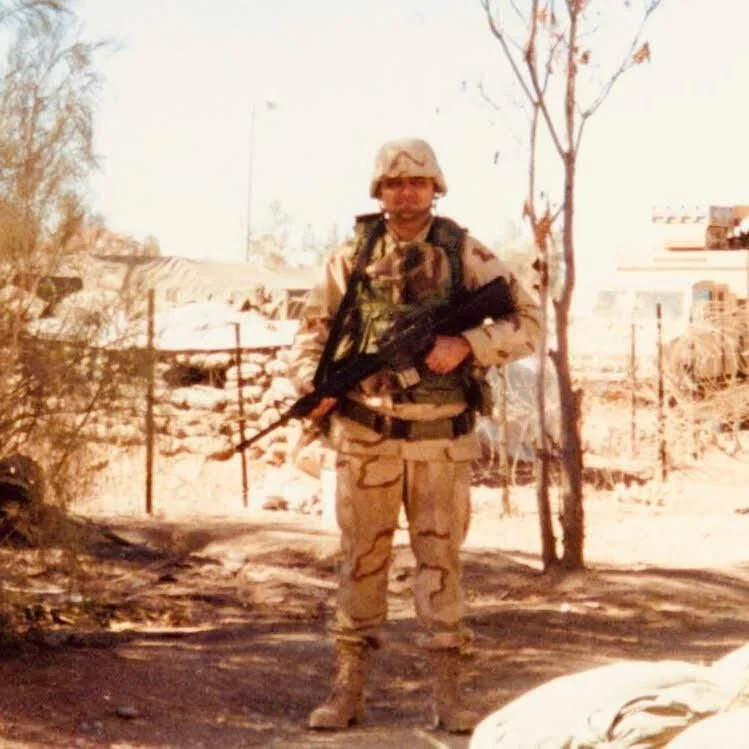
A vivid account shows how Bhagavad Gita functions as a battle-tested guide for cognition and conduct under fire and in recovery. Arjuna’s Dharma-Sankata and Vishada mirror a soldier’s moral paralysis, reframed through Svadharma and Apad-Dharma to enable ethical action. In deployment, Karma Yoga becomes practical: act fiercely without attachment to violence, to safeguard Dharma. Post-deployment,…
-
Why the 16 Samskaras Exclude Divorce: Sacred Purpose, Dharma, and the Role of Sannyasa
The 16 samskaras sanctify entry into life’s key stages, which is why a ritual for divorce does not appear among them. Vivāha is a consecration toward shared dharma, whereas dissolutions are handled through ethical and legal guidance, not sacramental rites. Sanyaasa illustrates how “letting go” is itself an initiation, not a deletion. Dharmashastras address separation…
-
Timeless Wisdom: Why the 16 Samskaras Exclude Divorce and What It Reveals about Dharma
This analysis explains why the 16 Samskaras in Hinduism exclude a ritual for divorce, highlighting that samskaras are purificatory rites designed to consecrate constructive life transitions and responsibilities. Vivaha inaugurates the grihastha āśrama, while sannyasa initiates a purposeful renunciate path—neither functions as a ritualized negation. Classical Dharmashastra addresses marital breakdown through ethics, community mediation, and…
-
Nama in Sri Vaishnavism: The Complete, Proven Path to Transformative Divine Identity
Sri Vaishnavism places divine remembrance at the center of spiritual life, and Nama—the conferring of a devotional name within the Pancha Samskaras—marks a profound identity transformation. Grounded in prapatti and supported by practices such as Om Namo Narayanaya, japa, kirtana, and Vishnu Sahasranama recitation, Nama aligns personal purpose with devotion to Vishnu. The rite integrates…
-
The Hindu Joint Family as the Training Ground for Samskara

In my latest blog post, I delve into the rich history of the Hindu joint family system and its profound influence on individual identity and societal values. I vividly recall the days when extended families, comprising numerous relatives living harmoniously under one roof, thrived under the guidance of a single family head. These families, despite…