
-
Guru Nanak on Woman and Grace: A Scholarly Journey through Equality, Nadar, and Naam
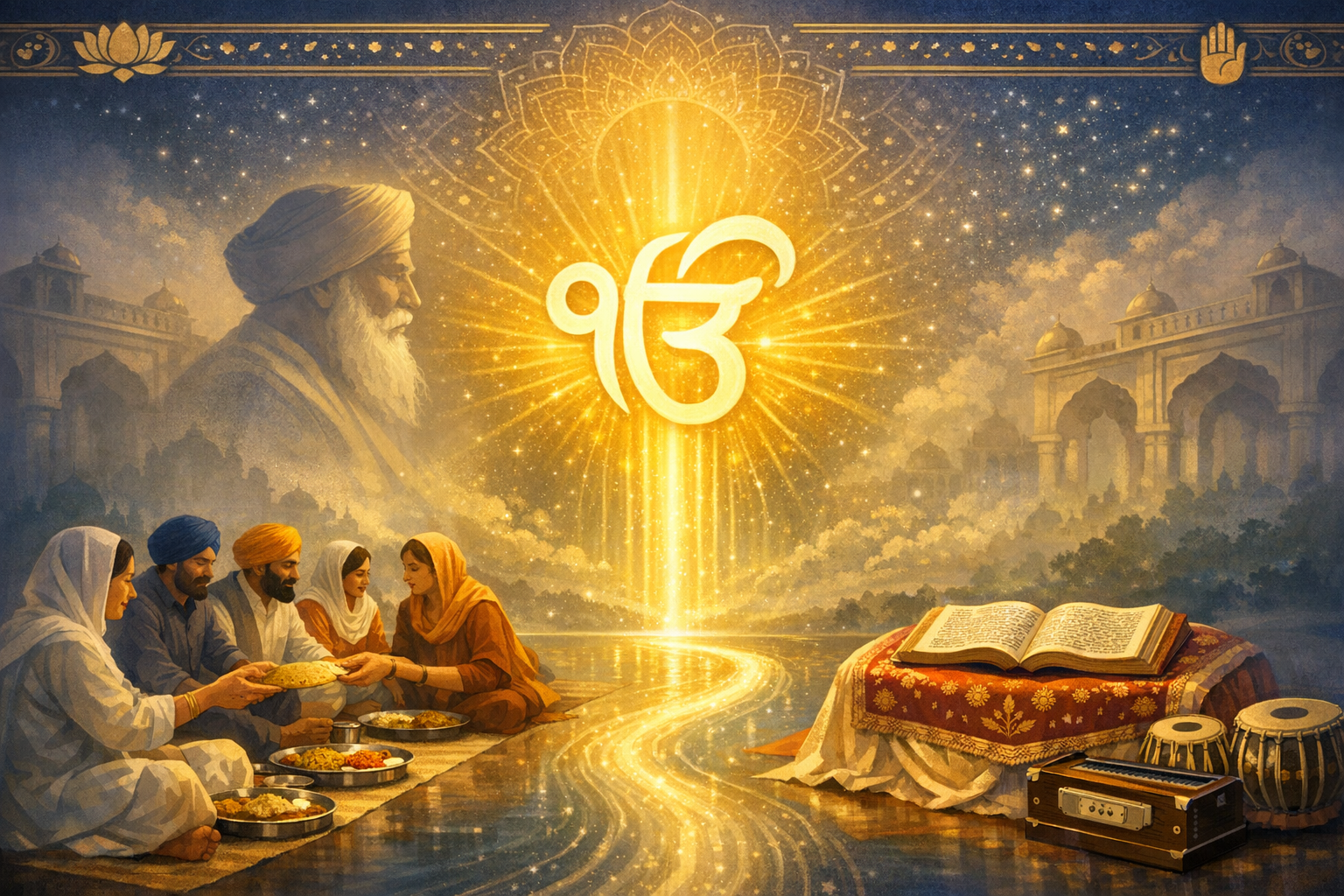
This long-form, research-driven essay offers a rigorous reading of two core motifs in Sikh scriptureequality of woman and divine graceand shows how they together shape a coherent path of practice. It clarifies key Sikh concepts such as hukam, nadar, Gurprasad, Naam Simran, seva, Kirat Karo, and Vand Chhako, situating them in historical and philological context.…
-
Goddess Trikala: Uniting Trimurti and Tridevi as the Timeless, All-Seeing Power of Shakti
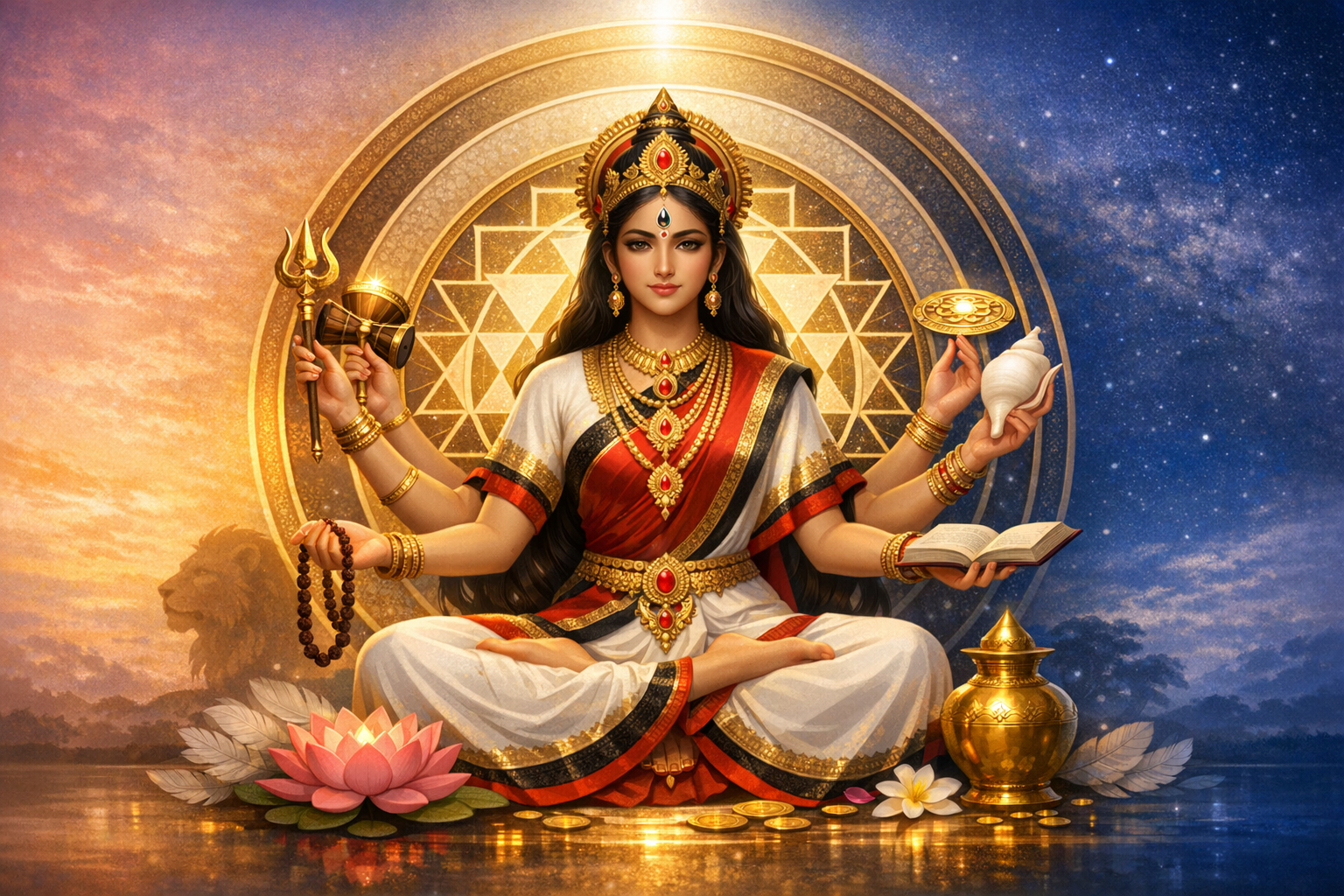
Goddess Trikala synthesizes Hinduism’s core triadspast, present, future and creation, preservation, dissolutioninto a single, time-enfolding vision of Shakti. Drawing on Purāṇic patterns in which the Goddess emerges from aggregated divine energies, Trikala Devi is interpreted as arising from the unified gaze and essences of the Trimurti. The article analyzes iconographic analogies (tri-netra, color triads, composite…
-
Honoring Sikh Women: Trailblazing Courage, Seva, and Scholarship for International Women’s Week

International Women’s Week highlights the enduring leadership of Sikh women in seva, scholarship, and public life. Grounded in Gurbani’s affirmation of equality“ਸੋ ਕਿਉ ਮੰਦਾ ਆਖੀਐ ਜਿਤੁ ਜੰਮੇ ਰਾਜਾਨ॥”their contributions span the langar tradition of Mata Khivi, the martial resolve of Mai Bhago, and the statecraft of Rani Sada Kaur. From heritage stewardship to humanitarian response,…
-
Krishna as Purna Purusha: Revealing the Feminine Divine That Completes the Supreme Being
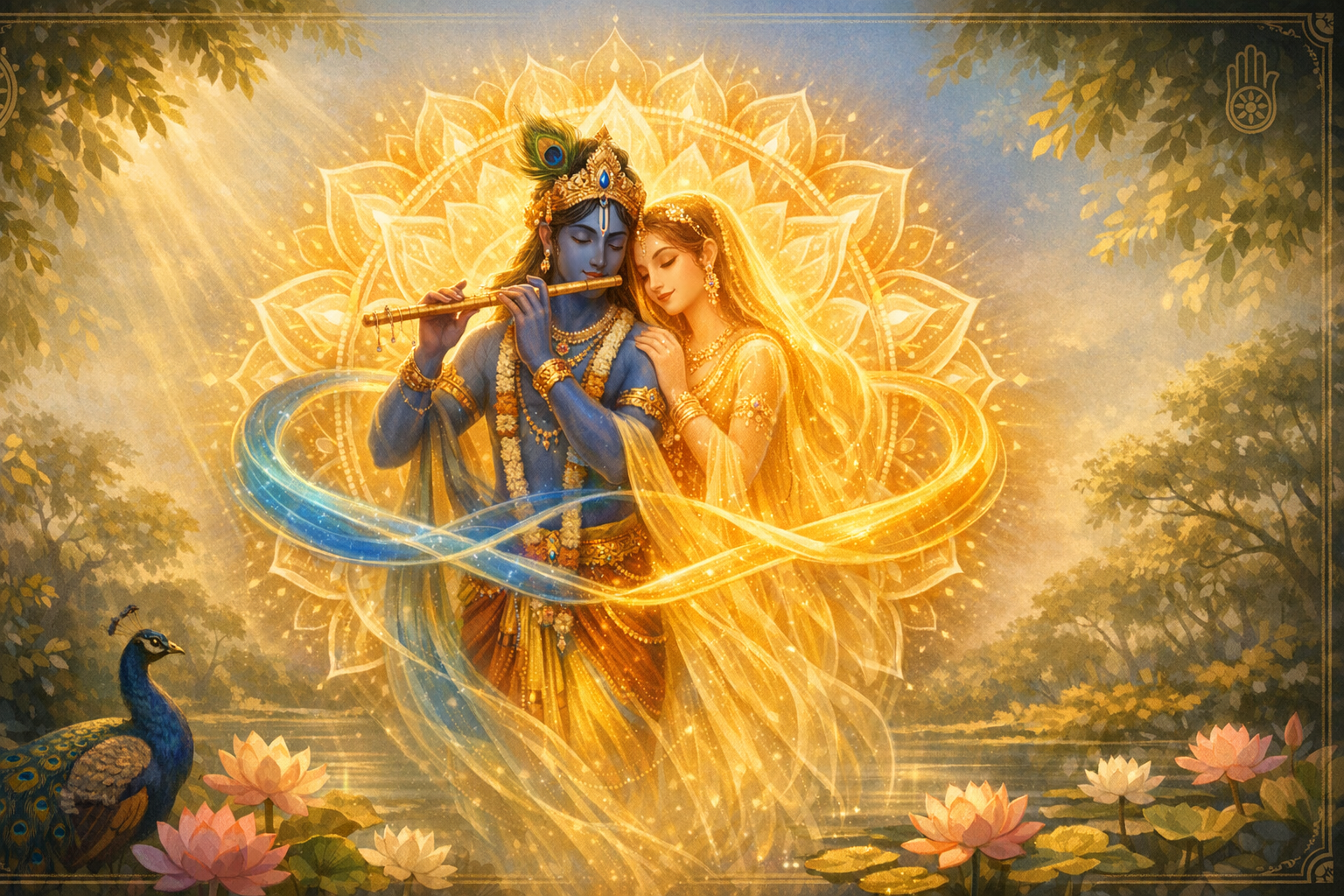
This long-form exploration presents Sri Krishna as Purna Purushathe Complete Beingwho integrates both masculine and feminine dimensions without contradiction. Drawing on the Bhagavad Gita, the Bhagavata Purana, and Vaishnava theology, it explains how Radha as Hladini Shakti reveals the feminine divine at the very heart of Krishna’s identity. The article situates Mohini within Vaishnava-Puranic tradition,…
-
Goddess Shivani as Divine Shakti: Symbolism, Yogic Science, and Awakening Consciousness
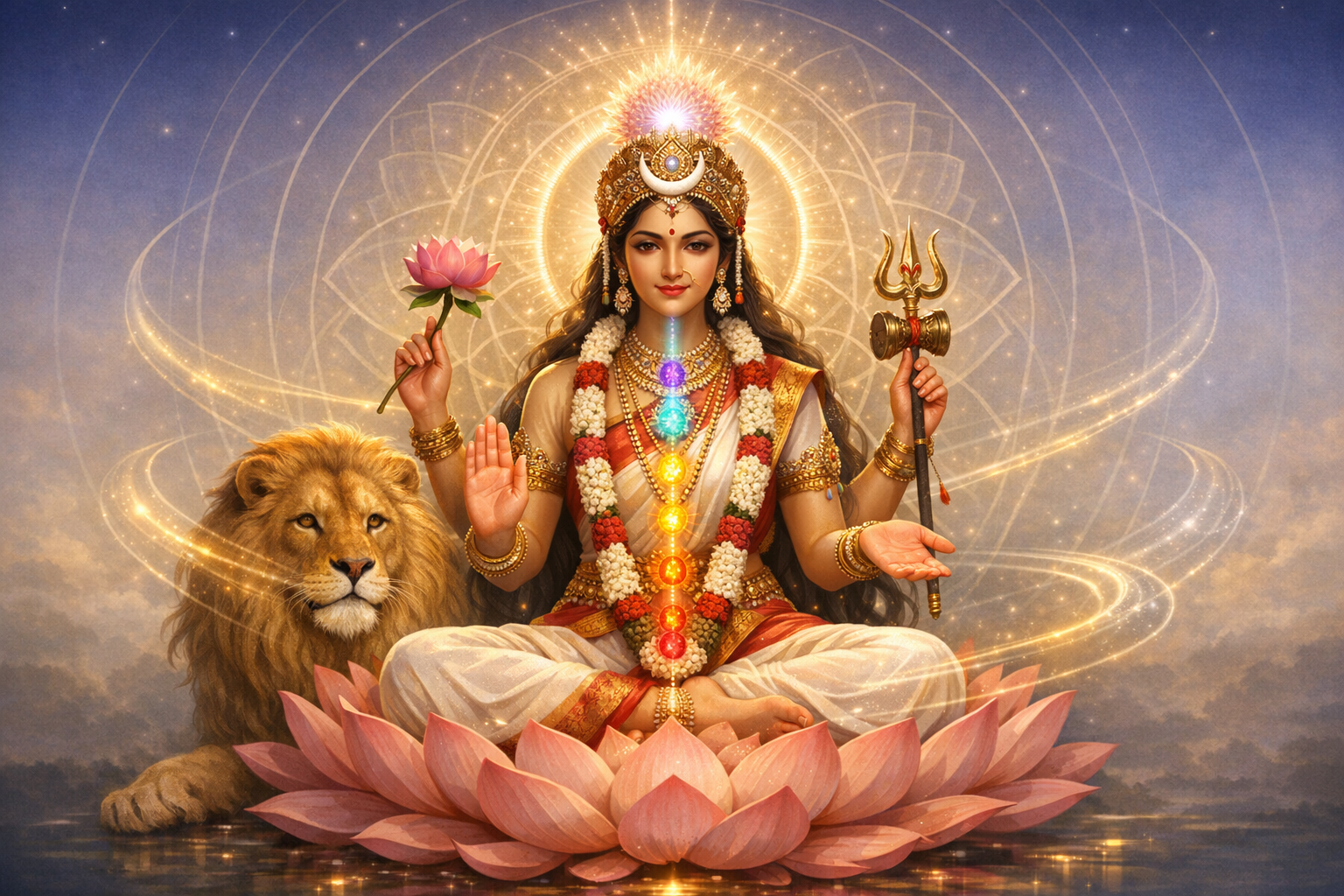
Goddess Shivani is presented as a luminous expression of Devi Shakti, the Sacred Feminine that awakens divine consciousness in Hindu philosophy. The discussion clarifies Shivani’s identity as an epithet aligned with Parvati, explores Shiva–Shakti non-duality, and explains the five cosmic functions, the triad of shaktis, and their ethical implications. Yogic science is detailed through Kundalini,…
-
Unveiling Meenakshi’s Fish-Eyed Gaze: Compassion, Protection, and Madurai’s Living Temple

This in-depth exploration decodes why Goddess Meenakshi is praised as the fish-eyed queen of Madurai, revealing how her unblinking gaze symbolizes ever-watchful compassion, civic guardianship, and spiritual assurance. It traces the epithet’s etymology, links it to Pandya dynastic emblems and South India’s riverine culture, and explains how darśana transforms devotees through a felt experience of…
-
Dakshineshwari Stuthi: Timeless Praise of Shakti, Consort of Lord Dakshinamurthy

Dakshineshwari Stuthi honors Ma Dakshineshwari Mata as Shakti and as the consort of Lord Dakshinamurthy, the Guru form of Shiva. The hymn reveres her as the foremost Sanyasini, aligning renunciation, wisdom, and compassion in a single spiritual ideal. Devotees approach the stuthi with mindful breath, clear intent, and measured recitationoften during auspicious observances like Navaratri,…
-
Mahakala as Kali’s Vehicle in Tantra: Unveiling Time, Power, and Non-Dual Wisdom

This exploration clarifies why, in Tantric symbolism, Mahakala is described as Kali’s vahana not as a literal mount but as the timeless ground supporting Shakti’s transformative dance. It unpacks the etymology of kala, linking time and the fathomless dark to non-dual metaphysics. The discussion reframes iconographyKali standing upon Mahakalaas a pedagogy for transcending fear and…
-
Sitayana: A Powerful Ramayana Retelling Celebrating Sita’s Courage, Grace, and Dharma
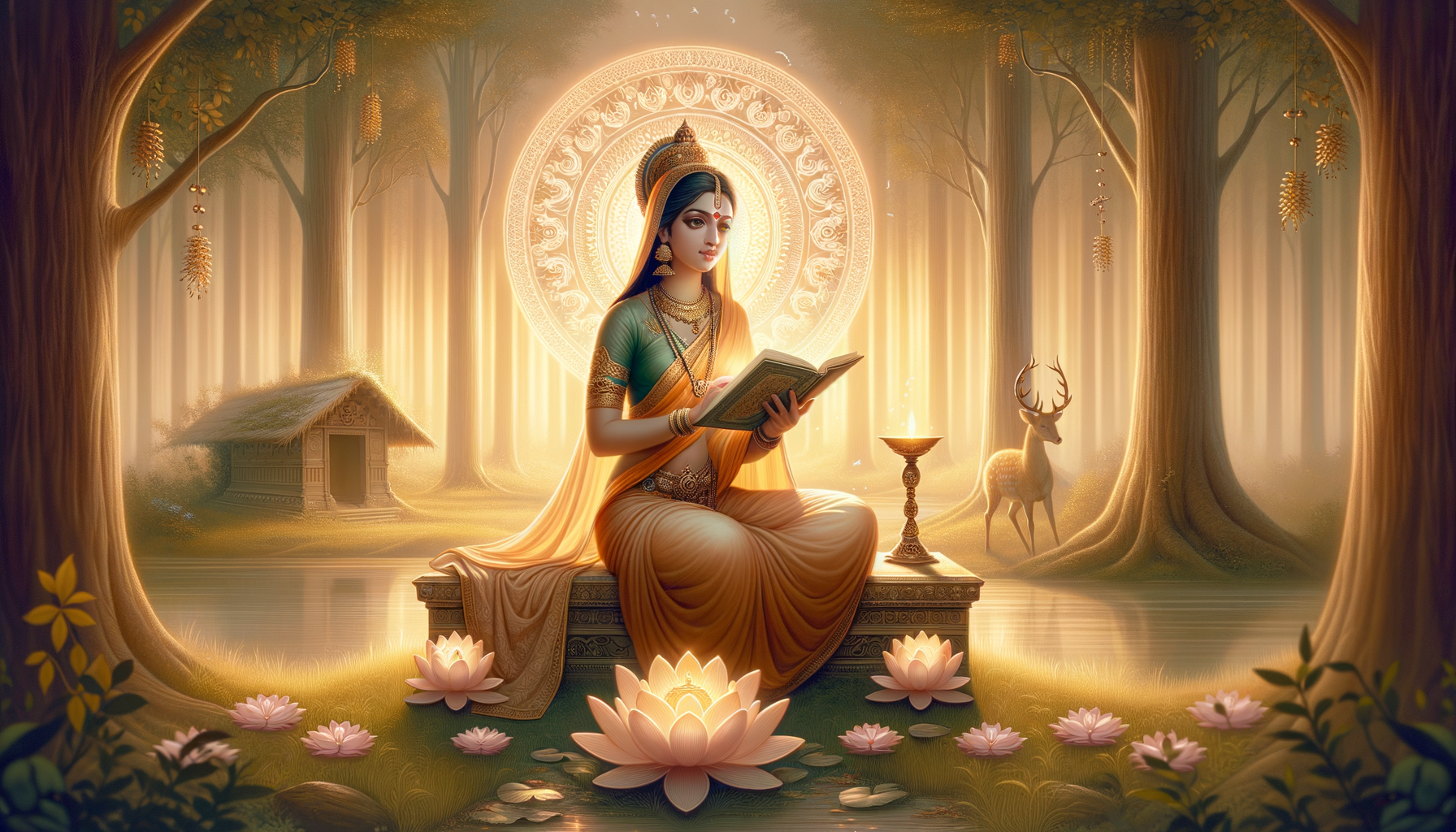
Sitayana presents the Ramayana through Ma Sita Devi’s perspective, highlighting courage, grace, and dharma with academic clarity and devotional warmth. It complements classical tellings by foregrounding Sita’s agency, compassion, and steadfastness during exile and separation. Readers gain ethical insights grounded in shared dharmic values that resonate across Hinduism, Buddhism, Jainism, and Sikhism. The text enriches…
-
Nistrimsa, the Sacred Curved Blade: Icon of Shakti, Justice, and Protection in Hindu Art

The nistrimsa (nistrimsha) is a sacred curved sword in Hindu iconography, distinct from the straight khadga and the heavier scimitar. Its measured arc symbolizes compassionate justice, aligning with Shakti’s protective and restorative power. Seen in temple sculpture and bronzes across regions, the nistrimsa represents ethical strengthpower exercised to defend the vulnerable and uphold dharma. During…
-
Srimad Bhagavatam Reverberations: Devahūti’s Nine Daughters and the Sacred Feminine

This article explores a luminous passage from the Srimad Bhagavatam, where Devahūti gives birth to nine daughters, each described with lotus-like fragrance and grace. It examines the episode’s symbolic affirmation of the sacred feminine and its alignment with dharmic virtues. The discussion integrates theological and physiological lenses, reflecting classical smṛti-śāstra perspectives while maintaining a respectful,…
-
Valli Reclaimed: A Feminist Dharmic Reading of Lord Murugan’s LoveConsent, Agency, Unity

This essay reframes the Murugan–Valli love story through Valli’s perspective, highlighting her agency, consent, and discernment. It shows how the narrative affirms the dignity of indigenous communities and upholds a dharmic ethic of mutual respect. Symbolism such as the vel, the peacock, and Ganesha’s elephant presence is read as a guide to inner clarity and…
-
Kokamukhi Devi: Unmasking the Jackal-Faced Shakti of Time, Death, and Sacred Renewal

Kokamukhi Devi, the jackal-faced manifestation of Adi Shakti, illuminates how fierce iconography can teach compassion, courage, and clarity. This analysis situates her cremation-ground symbolism within Shakta Tantra while drawing bridges to Buddhist charnel-ground meditations, Jain vairāgya, and Sikh remembrance of hukam. Readers gain a grounded understanding of how time and impermanence catalyze ethical living, not…
-
Chhinnamasta in the Pranatosini Tantra: Divine Self-Sacrifice and Cosmic Renewal

This article explores the Pranatosini Tantra’s account of Chhinnamasta, a Mahavidya who embodies divine self-sacrifice and cosmic renewal. It explains how the Goddess nourishes her attendants through three life-giving streams, an image read as both prāṇa symbolism and radical generosity. The iconographystanding over Kāma and Ratiillustrates mastery over desire and the transformation of passion into…
-
Goddess Tara at Tarapith: Decoding the Divine Symbolism of the Twin Murti Forms

Tarapith Temple in West Bengal venerates Goddess Tara through two complementary imagesan aniconic essence and an anthropomorphic Murtioffering a layered experience of darshan. The maternal icon of Tara nursing the infant Shiva symbolizes compassionate wisdom sustaining consciousness. Cremation ground motifs and skull garlands invite reflection on impermanence and fearlessness, common themes in Shakta Tantra. Rituals…
-
Jagadakhila and the Cosmic Triangle: Unveiling Shakti’s Universal Play in Tantra

Jagadakhila presents the universe as the sacred field of Shakti’s lilaan ever-unfolding play of consciousness and energy. The Cosmic Triangle, embodying iccha, jnana, and kriya shakti, serves as a contemplative key for understanding how intention, insight, and action cohere in daily life. This Tantric vision is both metaphysical and practical, offering guidance for ethical living…
-
Viral Video: Mother Guides Disabled Son as Shivaji, a Moving Tribute to Shakti and Courage

A viral video shows a mother gently guiding her disabled son across a stage as Chhatrapati Shivaji Maharaj, turning a simple performance into a powerful meditation on courage and care. The moment resonates globally because parental support visibly converts vulnerability into confidence. In Hindu historical memory, it evokes Jijabhai’s formative guidance to Shivaji, remembered with…