
-
Unveiling Maya Bhuvaneswari: The Blue-Hued Cosmic Mother in Odisha’s Shakta Tantra
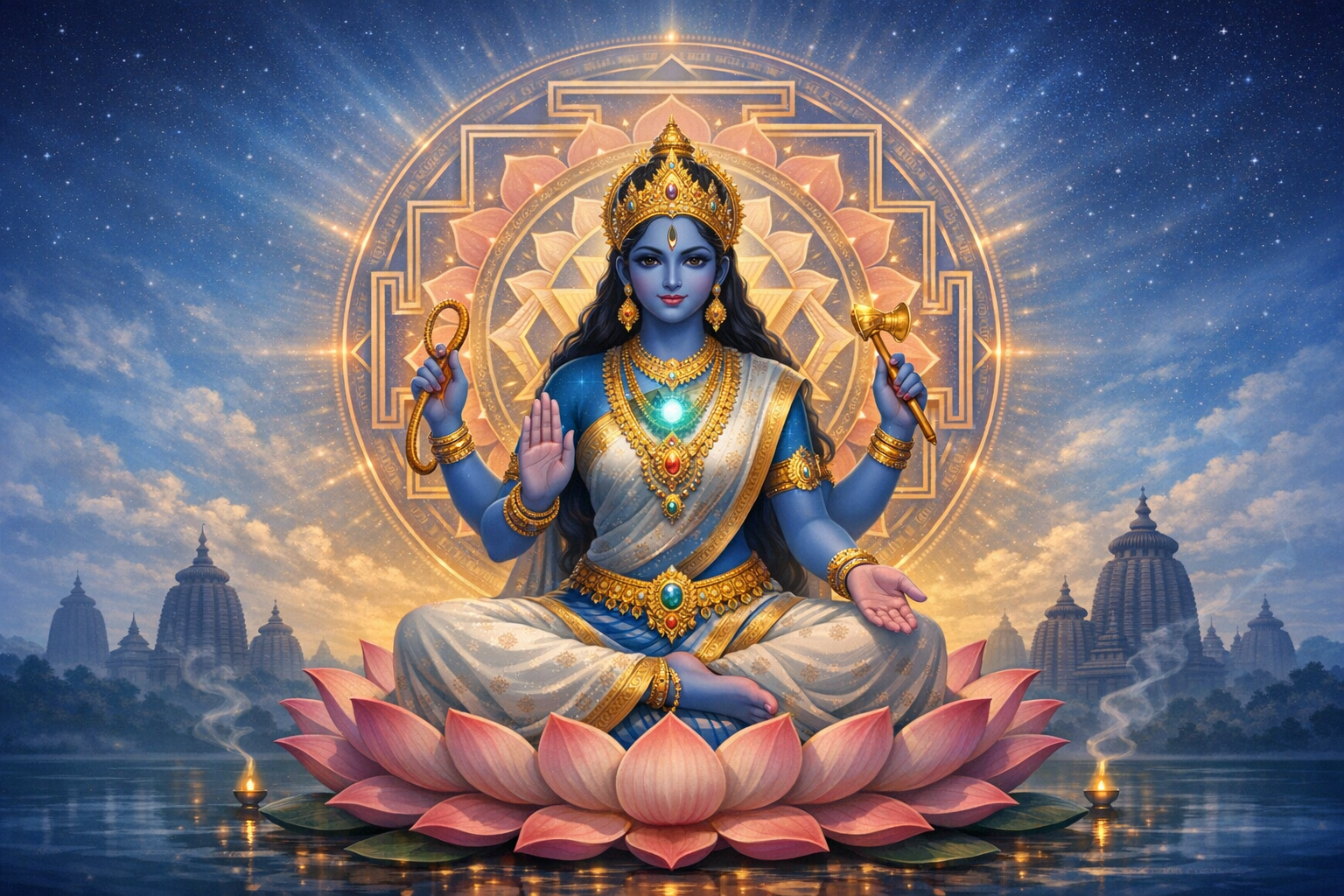
Maya Bhuvaneswari, a distinctive Odisha-centered manifestation of Bhuvaneshwari among the Mahavidyas, embodies Mahamaya—the compassionate power through which consciousness appears as the universe. Rooted in Shakta Tantra, this blue-hued Hindu Goddess teaches discernment in the midst of life rather than rejection of it, aligning akasha tattva (space) with lived ethics. The article examines her iconography, mantra…
-
Rakta Chamundi: Blood-Red Shakti of Wrathful Compassion, Liberation, and Cosmic Balance
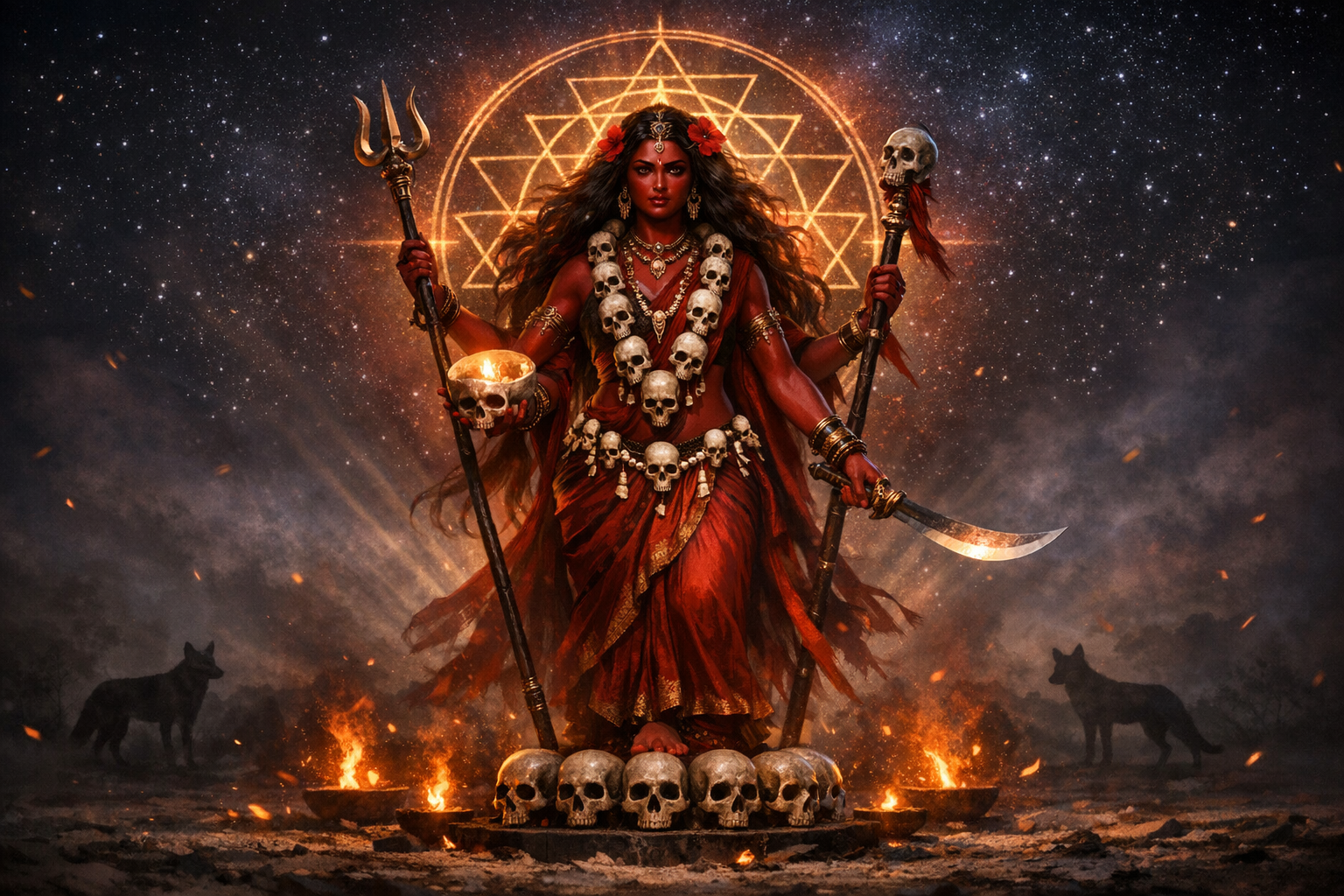
Rakta Chamundi, or Raktha Chamundi, embodies the Hindu Goddess as blood-red Shakti: fierce in aspect, compassionate in purpose, and liberative in effect. Grounded in the Devi Mahatmya’s episodes of Chanda, Munda, and Raktabija, she symbolizes a precise ethical force that ends the repetition of harm. Iconography—skull-garland, cremation-ground setting, and Panchamundi Asana—teaches impermanence, vigilance, and mastery…
-
Serpents, Secrets, and Shakti: Decoding the Hidden Power of Goddess Guhya Kali
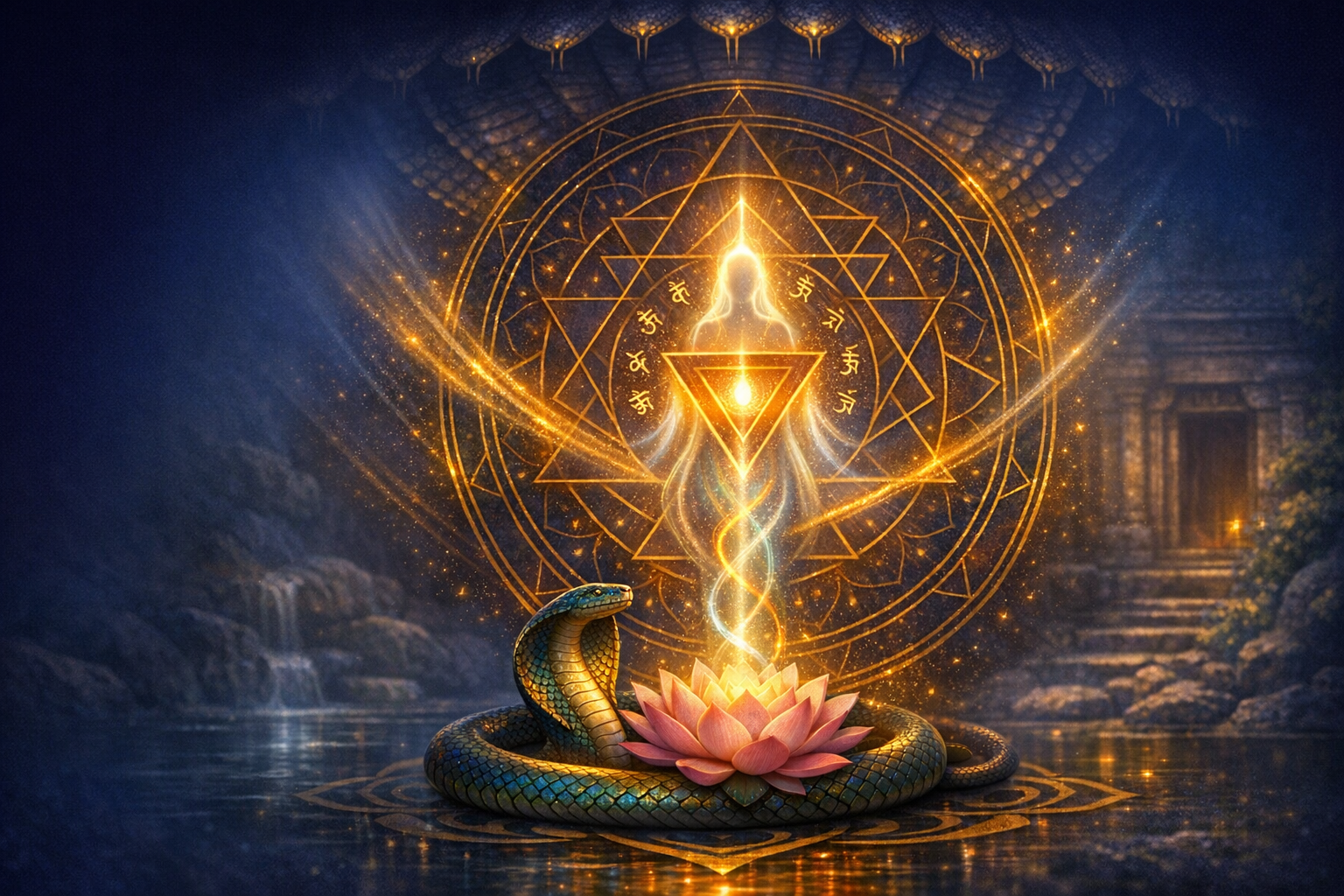
This in-depth exploration decodes the symbolism of serpents alongside the esoteric presence of Goddess Guhya Kali in Shakta Tantra. It clarifies the meaning of guhya (secret) as ethical, paced revelation and shows how Kali, as Shakti, cuts through inner knots that obscure clarity. Readers gain a technical overview of kundalini, the nadis (ida, pingala, sushumna),…
-
Goddess Jogadya Durga of Bengal: Unveiling Adya Shakti, Yoga, and a Timeless Shakta Legacy

Goddess Jogadya (Yogadya) is Bengal’s intimate manifestation of Durga, uniting the yogic discipline of attention with the primordial Adya Shakti. This in-depth guide explains her theology, iconography, and ritual grammar, situating Jogadya within Bengal’s sacred geography and festival calendar—from Charak Sankranti in Chaitra to Sharadiya Navaratri in Ashwin. Readers learn how daily worship follows Panchopachara…
-
Inside the Kapalikas: Fierce Tantric Shaivism, Bhairava Devotion, and Charnel-Ground Rites
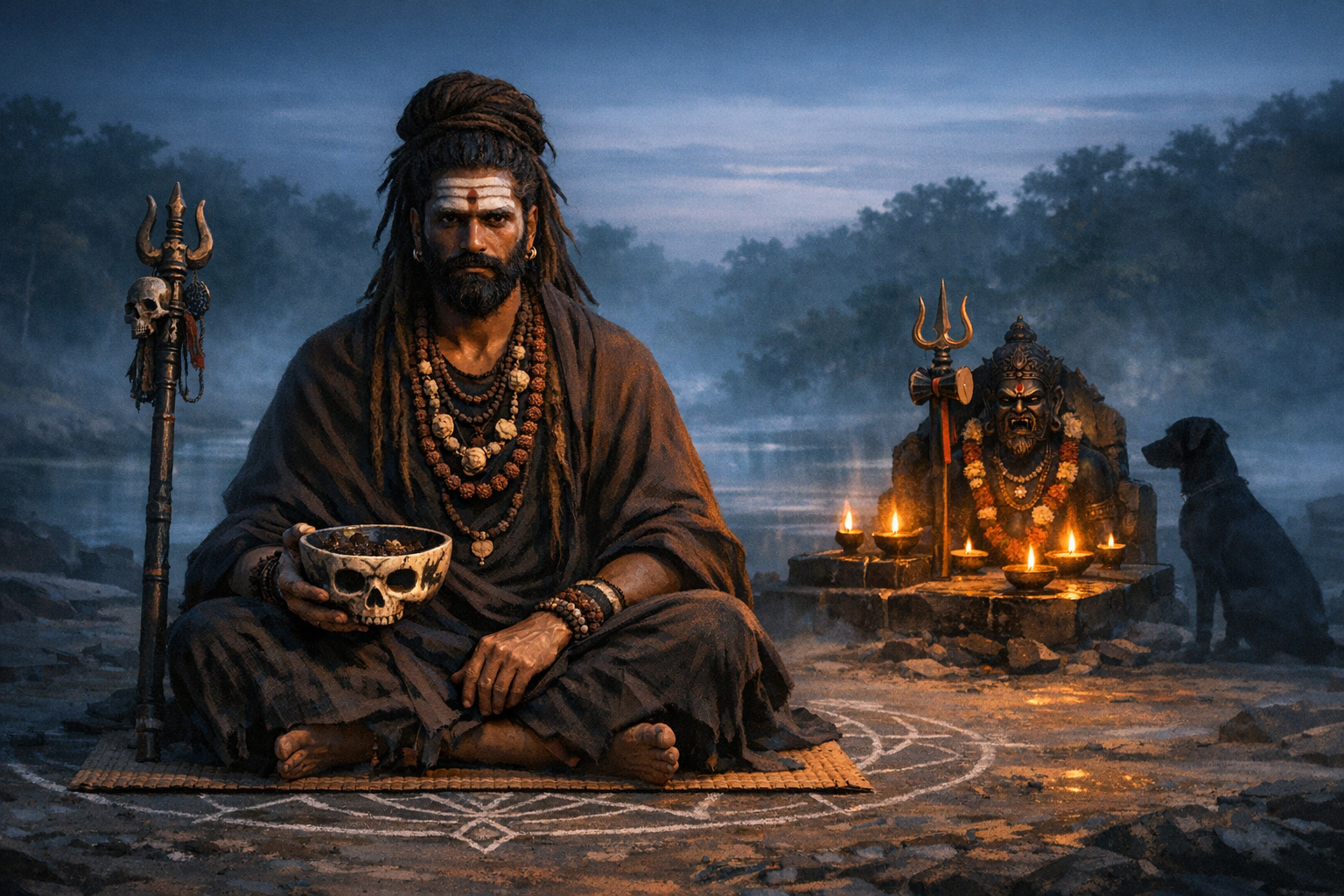
This in-depth overview situates the Kapalikas within Tantric Shaivism and early medieval Indian history, explaining why the ‘skull-people’ carried kapala bowls and worshipped Shiva as Kala Bhairava. It clarifies how cremation-ground observances, bone ornaments, and fierce offerings served a disciplined non-dual soteriology rather than mere spectacle. Readers gain a careful separation of polemic and practice…
-
Decoding Dakini and Yogini beside Kali: Mirrors of Death, Desire, and Liberation in Kali Puja
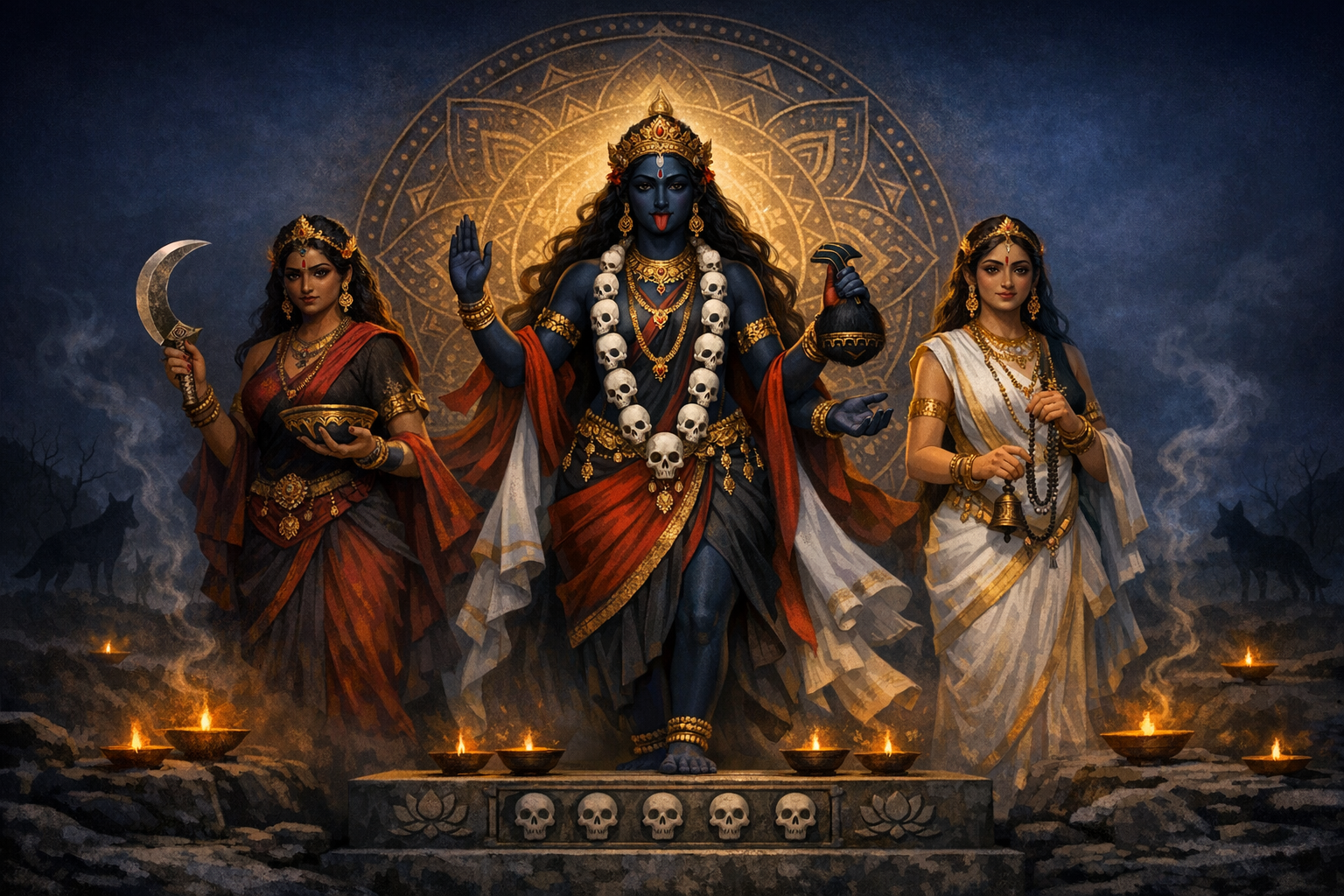
Dakini and Yogini beside the idol of Goddess Kali in Kali Puja are not ornamental figures but precise teachings encoded in form. Drawing on Shakta Tantras and material evidence from 64 Yogini temples, the essay decodes how these attendants map fear, desire, and liberation onto ritual and psychology. The cremation ground, skull-bowls, and choppers symbolize…
-
Why Chamunda’s Severed, Smiling Head Signifies Bliss: Decoding Ego-Death and Moksha
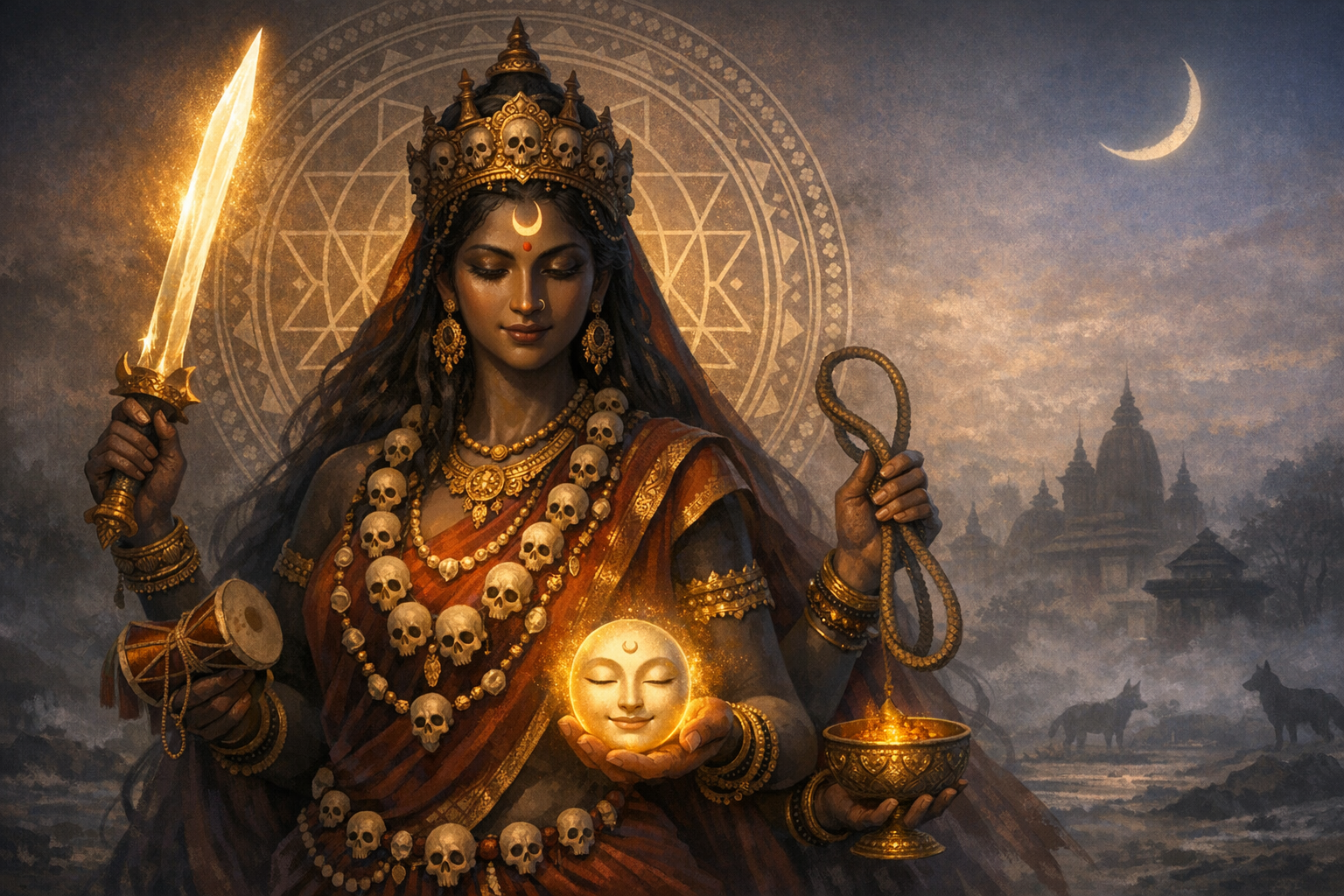
Chamunda’s severed head is not an emblem of violence but a precise symbol of liberation: the serene face represents ego-death and the bliss of moksha. By situating the image within Shakta tantra, cremation-ground sadhana, and the mundamala/kapala vocabulary, the analysis shows how fear is transmuted into insight. Panchamundi Asana symbolism and comparisons with Kali and…
-
Rakta Chamunda Unveiled: Iconography of the Red Warrior Goddess, Tantric Power, and Ritual Meaning
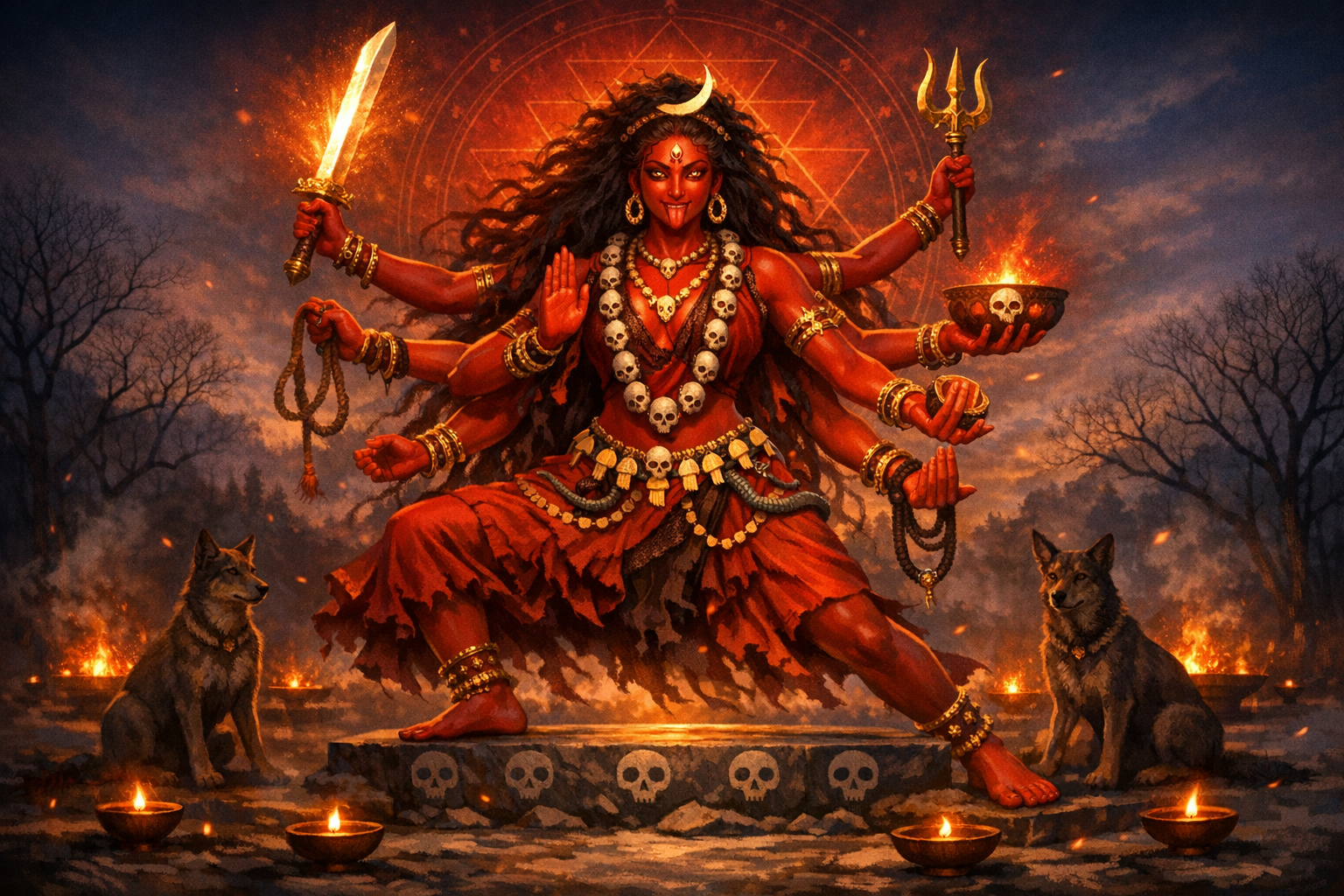
Rakta Chamunda—The Red Warrior Goddess—embodies a rigorous tantric grammar of protection and transformation rooted in the Devi Mahatmya. This long-form guide decodes her iconography: the red complexion, skull-garlands, cremation-ground setting, jackals, and martial postures that together announce the subjugation of ego and fear. Readers will learn how to identify Rakta Chamunda in temple and museum…
-
Decoding the Charchika Mudra: Chamunda’s Fearless Iconography and the Science of Inner Purification
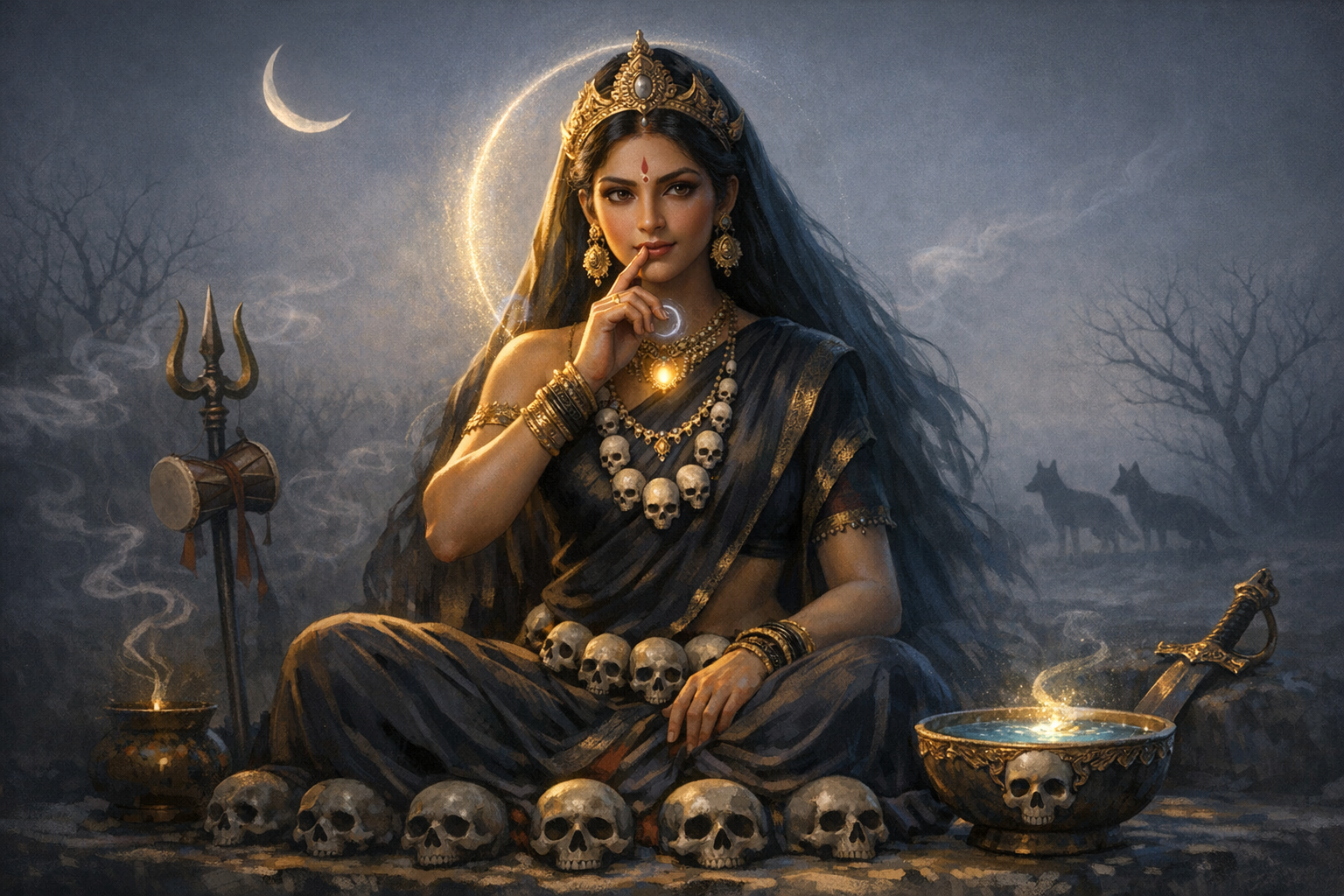
The Charchika Mudra—Chamunda cleaning her teeth with the left little finger—condenses a complete Shakta theology of protection and purification into one subtle gesture. Read against the Devi Mahatmyam and Shakta iconography, it signifies post-conflict cleansing, non-attachment to the taste of violence, and disciplined speech and appetite. Jackals, cremation ground, and skull garlands frame a fearless…
-
Kokamukhi Devi: Unmasking the Jackal-Faced Shakti of Time, Death, and Sacred Renewal

Kokamukhi Devi, the jackal-faced manifestation of Adi Shakti, illuminates how fierce iconography can teach compassion, courage, and clarity. This analysis situates her cremation-ground symbolism within Shakta Tantra while drawing bridges to Buddhist charnel-ground meditations, Jain vairāgya, and Sikh remembrance of hukam. Readers gain a grounded understanding of how time and impermanence catalyze ethical living, not…
-
Panchamundi Asana Symbolism: The Goddess’s Awe-Inspiring Throne and the Triumph Over Human Limits

The Panchamundi Asana—Goddess Kali or Durga seated upon five skulls—functions as a precise Tantric statement about transcendence in Hindu temples. The five can represent senses, elements, sheaths, or afflictions, each pointing to mastery of inner limitations. Rather than glorifying death, the icon uses mortality as a mirror that cultivates fearlessness, clarity, and compassion. The symbolism…