
-
Ayodhya Kanda’s Defining Moments: Duty, Exile, and Timeless Dharma in the Ramayana

Ayodhya Kanda, the second book of Valmiki’s Ramayana, presents a rigorous exploration of duty, vows, and righteous leadership centered in Ayodhya. It follows King Dasharatha’s plan to crown Rama, Kaikeyi’s boons, and Rama’s voluntary exile (vanvas), with Sita and Lakshmana choosing to accompany him. The grief of Ayodhya, the sanctity of Chitrakoot, and Bharata’s principled…
-
Rama’s Timeless Counsel: Restraint Over Impulse in Lakshmana’s First Meeting with Hanuman

This article examines a pivotal Ramayana episode in which Rama counsels Lakshmana to practice restraint when first meeting Hanuman in disguise. It analyzes how careful listening and discernment transform potential suspicion into trust, modeling dharma in action. The discussion connects this ethos to shared values across Hinduism, Buddhism, Jainism, and Sikhism, highlighting unity within the…
-
Lakshmana’s Impossible Choice: Duty, Honor, and Dharma in Ramayana’s Golden Deer Episode

The Golden Deer episode in the Ramayana crystallizes Lakshmana’s ethical dilemma between explicit duty and perceived emergency. The narrative contrasts svadharma with maryada, asking how to act when a clear mandate collides with an uncertain cry for help. By highlighting discernment, foresight, and proportional response, it shows how intention and outcome must be balanced. The…
-
Lakshmanrekha in the Ramayana: Why Valmiki omits itand how later retellings reshape it

The Lakshmanrekha is one of the Ramayana’s most iconic imagesyet it does not appear in the Valmiki Ramayana. This article clarifies the textual record, explains how the motif emerged in later Ramayanas and folk performance traditions, and explores why it endures as a vivid symbol of maryada. Readers gain a clear distinction between the earliest…
-
Lakshmana’s Measured Justice: Symbolism and Dharma in Surpanakha’s Nose-Cutting

The Dandaka forest episode of Surpanakha in the Ramayana presents a nuanced study in proportionate justice. Lakshmana’s cutting of her nose and ears is framed not as impulse but as a measured defense of Sita within Kshatra Dharma. Dharmashastra context shows such penalties aligned with culturally recognized sanctions for harassment and attempted harm. Symbolically, the…
-
Sita’s Compassion Tested: Dharma and the Ethics of Lakshmana’s Punishment of Surpanakha

The Aranya Kanda episode of Surpanakha’s attack and Lakshmana’s response invites a careful reading of dharma and compassion. Valmiki’s text does not quote Sita’s immediate reaction, so understanding her stance relies on her consistent character across the Ramayanarooted in karuṇā and kṣamā. Interpreted through proportionality and restraint, Lakshmana’s non-lethal action reflects kṣātra-dharma: protecting the innocent…
-
Sacred Boundaries, Unshakeable Devotion: Sita–Lakshmana’s Bond in Eknath’s Bhavartha Ramayana

Sant Eknath’s Bhavartha Ramayana offers a lucid, ethical reading of the Sita–Lakshmana bond in the Aranya Kanda, where maryada and bhakti shape a relationship of reverence and restraint. The episode highlights Lakshmana’s dilemma between guarding Sita and seeking Rama, revealing devotion as principled action. The Lakshmana Rekha motif, prominent in devotional traditions, functions as a…
-
Lakshmana and Jambukumara: Unseen Karma, a Broken Vow, and the Ethics of Regret in Ramayana

This article explores a lesser-known Ramayana tradition about Jambukumaradescribed in some folk accounts as the son of Surpanakha and Vidyutjihvaand the inadvertent killing by Lakshmana, framed as the “karma of an unseen blade.” It examines how the motif of a “forgotten promise” enriches the ethics of dharma-yuddha, emphasizing restraint, accountability, and moral repair. Readers gain…
-
Surpanakha Unveiled: The Powerful Etymology, Symbolism, and Dharma Lessons in the Ramayana

Names in the Ramayana carry layered meanings that guide ethical understanding, and Surpanakha is a vivid example. This piece explains the Sanskrit etymology of Surpanakha (śūrpa + nakha) and shows how the name functions as narrative symbol and moral cue. It places the episode within the Valmiki tradition while acknowledging later retellings that frame the…
-
Sibling Bonds in the Ramayana: Timeless, Powerful Lessons on Dharma and Unity in Kaliyuga
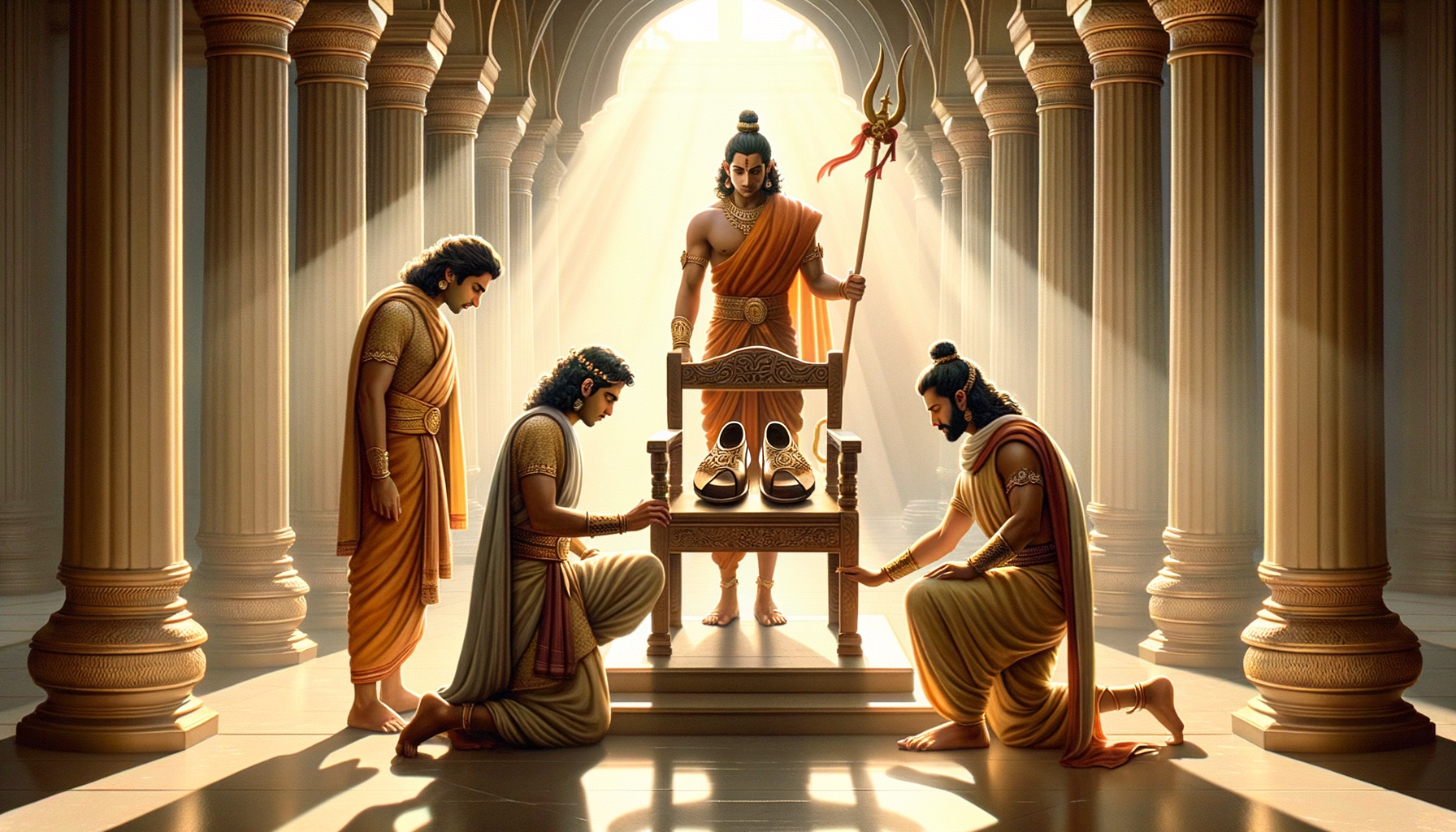
The Ramayana’s sibling bonds offer a clear ethical framework for Kaliyuga, modeling fraternal love, duty, and sacrifice through Rama, Bharata, Lakshmana, and Shatrughna. Bharata’s stewardship under Rama’s paduka exemplifies humility and accountability over ambition. Rama and Lakshmana illustrate complementary roles and counsel in crisis, while Shatrughna’s quiet service honors the dignity of unseen labor. These…
-
Discover the Sacred Secrets of Panchavati: A Complete Guide to Its Symbolism in Ramayana

Panchavati, the sacred grove of the Ramayana on the Godavari River, is more than a location; it is a symbol of disciplined living, ecological reverence, and ethical courage. The grove’s “five trees” evoke harmony of the senses and elements, framing exile (vanvas) as a path of inner refinement. Key episodesŚūrpaṇakhā’s encounter, the golden deer, Sita’s…
-
Master Hanuman’s Proven Path: Transform Bhakti into Everyday Strength and Service

On Hanuman Jayanti, I recommit to living bhakti and shakti in everyday life, guided by Bhagwan Hanuman’s example of fearless seva. Studying the Hanuman Chalisa with my guru during the pandemic transformed how I understood Hanuman-ji’s serenity, discipline, and devotion. His legendary couragefrom crossing the ocean to revealing Bhagwan Rama in his heartteaches me to…
-
Tracing the Route of Lord Shri Ram’s Vanvaas
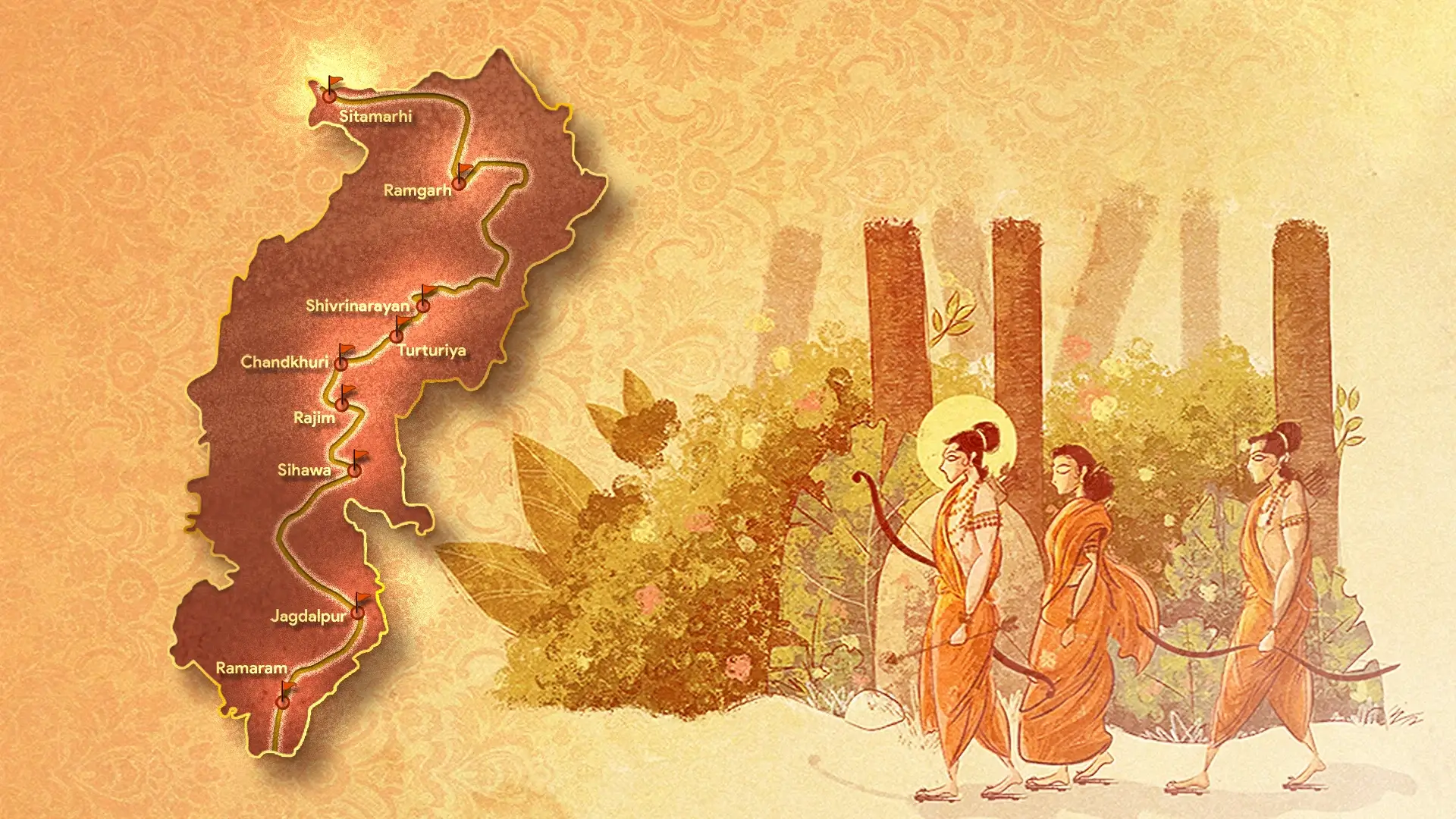
In Sanatan Itihaas – Ramayana, Lord Shri Ram is considered one of the most revered and worshipped deities. He is known as the seventh avatar of Lord Vishnu and is believed to have taken birth on Earth to restore Dharma or righteousness. Lord Shri Ram’s life is an inspiring tale of courage, sacrifice, and devotion,…