
-
Beyond Possession: Timeless Dharmic Wisdom on Desire, Consumerism, and Inner Freedom

Consumer culture promises joy through acquisition, yet the thrill fades quickly. Dharmic traditions anticipated this pattern and offer rigorous, practical tools to transform desire into discernment. Drawing from the Bhagavad Gita, the Upanishads, the Yoga Sutra, Buddhist insight on craving, Jain vows of aparigraha, and Sikh practices of remembrance and sharing, this article explains why…
-
When Motives Turn Impure: Why Restlessness Rises—A Dharmic Insight from Kamsa’s Tale

This essay examines why impure motives generate mental restlessness, drawing on Hindu scriptures and the cautionary tale of Kamsa (Kansa). It explains how fear, greed, and hatred disturb the mind, aligning classical insights with contemporary psychology. The discussion highlights shared dharmic wisdom across Hinduism, Buddhism, Jainism, and Sikhism—emphasizing Right Intention, Ahimsa, Aparigraha, seva, and living…
-
Why Shiva Gave His Golden Palace to Ravana—Timeless Lessons on Detachment and Karma

This exploration of Shiva gifting a golden palace to Ravana distills a powerful lesson in detachment, karma, and dharma. Drawing on Puranic variations, it shows how Shiva’s non-attachment contrasts with Ravana’s intensifying desire, turning a boon into a test of character. The analysis connects seamlessly with Buddhist insights on clinging, Jain aparigraha, and Sikh cautions…
-
Karya Karana Bhava: Unveiling Causality’s Power Across Dharmic Wisdom Traditions

Karya Karana Bhava—the principle of cause and effect—offers a clear lens for understanding reality, ethics, and spiritual growth in Hinduism. Grounded in the Vedas and Upanishads and refined by Samkhya, Nyaya, and Vedanta, it clarifies how choices shape outcomes through karma and disciplined practice. Everyday examples show how patience, consistency, and seva produce meaningful effects,…
-
Hindu Wisdom on Human Nature: Why Grand Reforms Fail Without Inner Transformation

Hindu thought explains why many global reforms falter: they overlook the depth of human conditioning shaped by avidya, samskara, and the three gunas. Sustainable change emerges when inner transformation precedes institutional redesign, aligning personal ethics with public policy. A dharmic, three-layer approach—self, community, and systems—integrates nishkama karma, seva, and accountability to support lokasangraha. This perspective…
-
Karya in Hindu Thought: How Actions Shape Destiny, Ethics, and Liberation

Karya, derived from the Sanskrit root “kr” (to act), encapsulates “that which is done” and unites Hindu philosophy, ethics, and daily practice. It connects intention with outcome across traditions—from Sāṅkhya’s satkāryavāda and Nyāya’s causal clarity to Mīmāṁsā’s duty and Vedanta’s purifying karma yoga. The Bhagavad Gita’s “kāryam karma” frames action as an obligation performed without…
-
Karmashaya Demystified: Uncovering the Hidden Storehouse of Karma in Patanjali’s Yoga

Karmashaya—Patanjali’s term for the subtle storehouse of karma—explains how actions leave impressions (samskaras) that condition future experience. Grounded in the Yoga Sutras (2.12), it links klesha-driven actions to both present and unforeseen outcomes, clarifying the mechanics of reactive patterns. Read together with the threefold classification of karma (sanchita, prarabdha, agami), karmashaya functions as a dynamic…
-
Why Everything Happens for a Reason: Hinduism’s Profound Lens on Karma, Dharma, and Cosmic Play

This essay explains how Hindu philosophy gives depth to the idea that everything happens for a reason by integrating karma (ethical causality), dharma (righteous duty), and lila (divine play). It shows how these concepts preserve agency without fatalism, balancing responsibility and openness to mystery. Readers gain practical ways to apply this framework—discernment, svadharma, seva, meditation,…
-
Karmavipaka Explained: How Karma Ripens Across Dharmic Paths and Shapes Destiny

Karmavipaka (कर्मविपाक) explains how actions ripen into lived experience within Hindu philosophy. Grounded in the Sanskrit kri, meaning “to do,” it frames karma as lawful causality rather than external reward or punishment. The threefold classification—sanchita, prarabdha, and kriyamana—clarifies how past, present, and future actions interrelate. Far from fatalism, Karmavipaka emphasizes purushartha (effort), ethical choices, and…
-
Understanding Karma’s Three Natures in Hinduism: Good, Mixed, and Dark for Ethical Living

Karma in Hindu philosophy links intention, action, and consequence, shaping ethical character and spiritual progress. A clear triad—śukla (good), śukla–kṛṣṇa (mixed), and kṛṣṇa (dark)—explains why motives matter as much as deeds. Drawing on the Yoga Sūtra (4.7) and the Bhagavad Gita, this guide shows how Karma Yoga and mindful discernment reduce mixed motives and prevent…
-
When Hatred and Jealousy Backfire: Dharmic Wisdom on Karma, Healing, and Freedom

Hatred and jealousy act like venomous darts that ultimately return to the archer, a truth echoed across Hindu, Buddhist, Jain, and Sikh teachings. Drawing on the Bhagavad Gita, Upanishads, Srimad Bhagavata Purana, Ramayana, and Mahabharata, this piece explains how karma and dharma frame these emotions as forces that corrode clarity and freedom. It highlights iconic…
-
Destiny vs. Free Will: How Karma and Choices Shape Our Future Across Dharmic Traditions

Is the future predetermined, or do choices genuinely shape outcomes? Drawing on Hinduism, Buddhism, Jainism, and Sikhism, this piece clarifies how karma names conditions from the past while puruṣārtha preserves present agency. The Bhagavad Gita’s Karma Yoga, Buddhism’s emphasis on intention, Jainism’s ethical discipline, and Sikhism’s balance of Hukam and effort converge on responsible freedom.…
-
When Harm Returns Home: Dharmic Wisdom on Ahimsa, Karma, and Inner Well-Being

The maxim “In injuring others you really injure yourself” expresses a shared dharmic truth: harm rebounds upon the doer through the natural interplay of karma and dharma. Across Hinduism, Buddhism, Jainism, and Sikhism, ahimsa, compassion, and seva sustain both inner calm and social trust. Practical experience confirms this law—hurtful conduct unsettles the mind, while ethical…
-
Seeds of Destiny: Conscious Choice and Liberation in Hindu Thought for Everyday Peace

This reflection presents a practical, unifying view of Hindu philosophy: the mind holds dormant seeds of every disposition, and conscious choice determines which ones grow. It explains samskara, vasana, and the gunas while showing how daily decisions shape karma and move life toward moksha. It connects the Bhagavad Gita’s self-mastery with actionable practices—breath, japa, pratyahara,…
-
Transcending Tapa-traya: Śrīmad Bhāgavatam 4.29.32 on Time, Karma, and Lasting Relief

This article presents an academically grounded reading of Śrīmad Bhāgavatam 4.29.32, showing how time, karma, and forgetfulness of the Supreme Lord sustain the threefold miseries of material life (tapa-traya). Readers gain a clear framework to recognize internal, social, and environmental forms of suffering without fatalism. The discussion highlights unity among Dharmic traditions—linking Buddhist dukkha, Jain…
-
Dharma vs Adharma: The Inner Battle Shaping Life—Practical Wisdom from Dharmic Traditions

Dharma and Adharma describe an inner moral struggle that shapes choices, character, and destiny. Drawing on the Bhagavad Gita, the Upanishads, and allied Dharmic wisdom, this piece explains how clarity (buddhi), the gunas, and steady practice (abhyasa) tip the balance toward ethical action. It shows how Hindu, Buddhist, Jain, and Sikh traditions converge on shared…
-
At Death the Mind Shapes Destiny: Insights from Srimad Bhagavatam 10.1.36–45
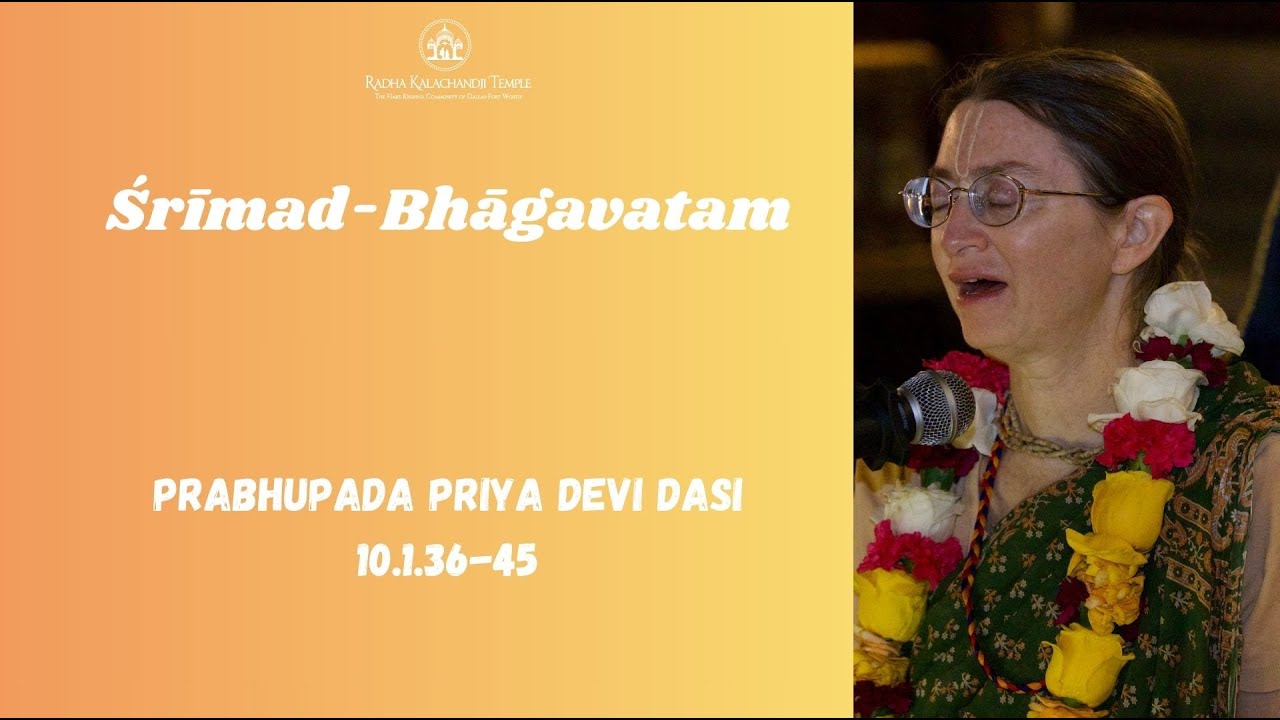
Srimad Bhagavatam 10.1.36–45 teaches that the mind’s thinking, feeling, and willing at death direct the next embodiment. The principle links karma with a moral psychology in which habits and intentions shape destiny. Readers gain a practical framework: daily remembrance, scriptural study, meditation, and service stabilize attention and prepare consciousness for a peaceful transition. The message…
-
Ravana’s Arrogance and the Brahmin’s Curse: How Kartavirya Arjuna Humbled a Titan

This retelling of Ravana’s imprisonment by Kartavirya Arjuna presents a clear, scriptural lesson on karma, humility, and the impartiality of dharma. It frames the Brahmin’s curse as a literary device expressing moral causality rather than superstition. Readers encounter Kartavirya Arjuna (Sahasrabahu) as the disciplined ruler of Mahishmati whose strength is guided by reverence for sages.…
-
When Plans Backfire: A Dharmic Lesson on Karma, Intent, and Humility Across Traditions

This reflection explores the Hindu proverb, “The hunter set the snare, but it caught the wrong prey,” as a timeless lesson on karma, intention, and the unpredictability of outcomes. It explains how the Bhagavad Gita’s focus on right action over guaranteed results guides ethical decision-making under uncertainty. The discussion connects Hindu insights with Buddhism’s dependent…
-
Prevent the Ripple: Dharmic Wisdom on Mindful Action, Karma, Ahimsa, and Non‑Emergence

This essay explores a unifying Dharmic insight: what has not yet emerged is easiest to prevent. Drawing on Hindu philosophy and the Bhagavad Gita, it explains how mindful intention, disciplined attention, and skillful action avert harm at its source. The discussion highlights parallel teachings in Buddhism (Right Effort and Mindfulness), Jainism (ahimsa and pratikraman with…